Ghumoopedia — Explore, Discover, Experience
Sign in

Religious · Madhya Pradesh

Mahakal Sawari

Mahakaleshwar Temple to Ram Ghat, Ujjain

Dates

Last verified 17 November 2026. Confirmed: announced by organisers or government. Provisional: from a published almanac, not yet announced. Seasonal: no date announced.

The complete guide

Mahakal Sawari: everything to know before you go

Also known as
Mahakal procession
Where
Madhya Pradesh — Ujjain
When
Shravan (July–August)
Duration
Single major procession day; weeklong observances
Who takes part
Hindu (Shaiva) devotees
Type
Religious procession / temple festival
Entry
Free
Best for
Pilgrimage, ritual observation, processions

Overview

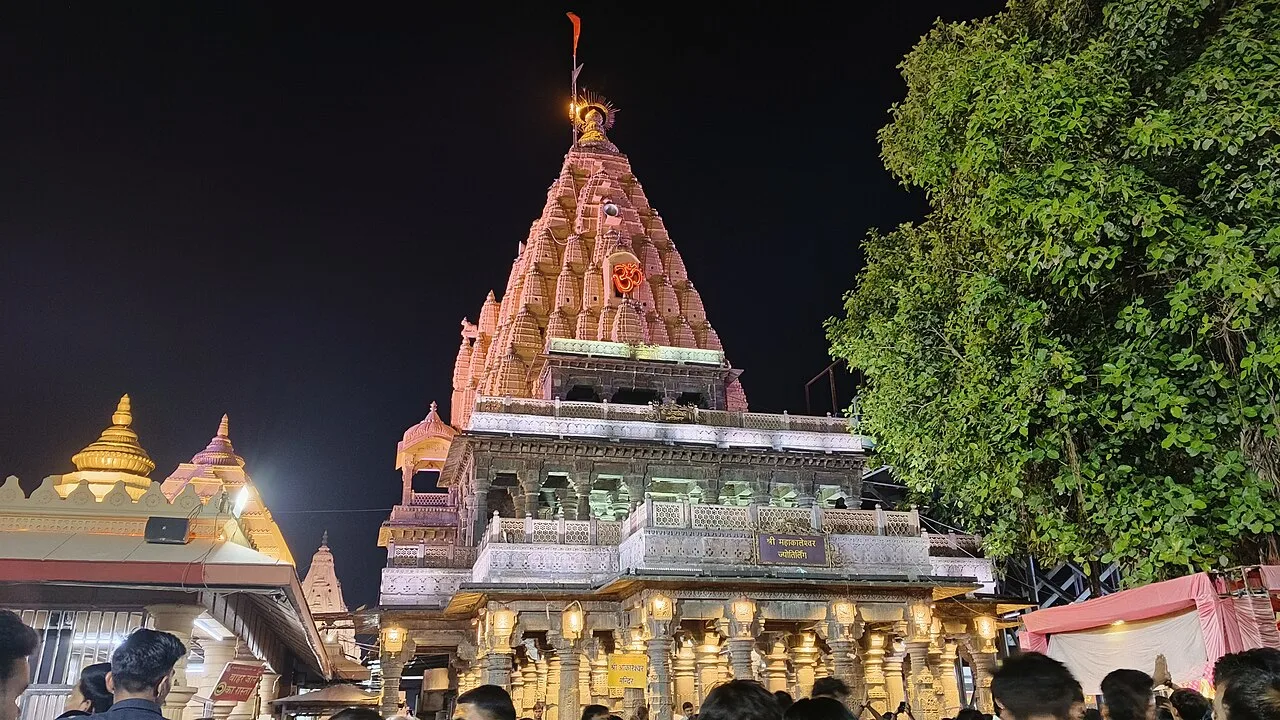
Mahakal Sawari is a prominent devotional procession associated with the Mahakaleshwar Temple, one of the twelve jyotirlinga shrines. The event climaxes in a ceremonial ride or procession that honours Lord Shiva (Mahakala), drawing large numbers of devotees who seek blessings and darshan. It is tightly linked to Shravan, an auspicious month for Shiva worship.
Origins and legend

The temple’s antiquity and its identification as a jyotirlinga anchor the Sawari in deep mythic history: Mahakala is considered the lord of time and death, and Shravan’s rituals are believed to please Shiva and yield spiritual merit. Processional honours to lingam-deities and stone icons have long been part of temple practice in central India; the Sawari ritualises this devotion in a public spectacle.

How it is celebrated

Priests perform special abhishekas (ritual bathing of the lingam), elaborate pujas and a procession in which the deity’s murti (image) or symbolic representation is carried or paraded, often accompanied by percussion, conch shells and chants. Devotees throng the route to touch the palkhi or receive prasad. The procession can include decorated chariots, elephants in historical accounts, and community offerings.

Food and flavours

Prasad distribution is central: offerings include sweets such as peda, puri and halwa, along with fruit and water. Local eateries serve seasonal dishes and vegetarian preparations preferred during Shravan. Community langars sometimes feed devotees, and pilgrimage-season vendors provide portable snacks and beverages.

Music, dance, art and dress

Devotional music dominates: bhajans, Shiva chants (e.g., 'Om Namah Shivaya') and rhythmic drumming accompany the procession. Attire is respectful and often traditional — men in kurta-dhotis, women in sarees or salwar-kameez; many wear green or saffron as Shravan colours. Temporary stalls sell religious art, rosaries, and cloth offerings for the deity.

Where to experience it

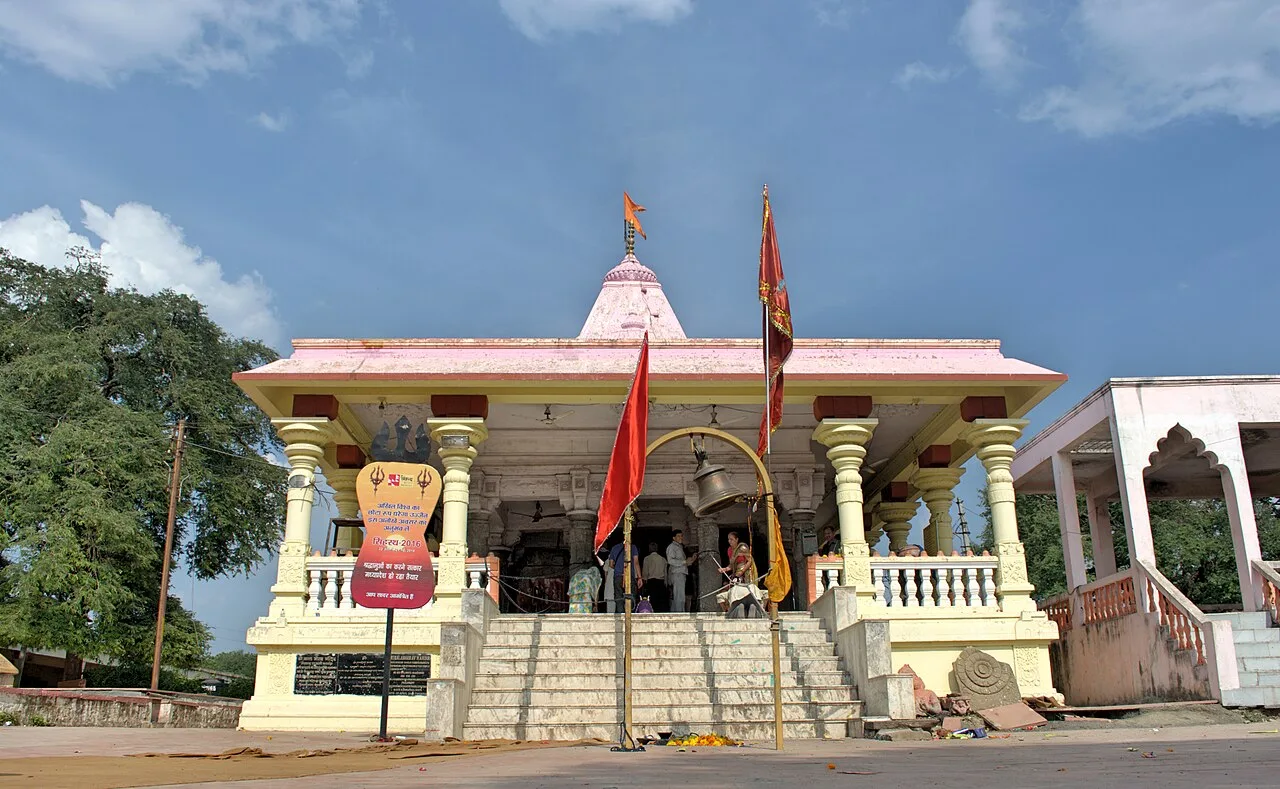
Best experienced at the Mahakaleshwar Temple complex and the main streets of Ujjain where the Sawari moves. Early-morning and evening rituals at the temple provide intimate devotional settings; the procession route gives a broader public spectacle.

Visitor guide

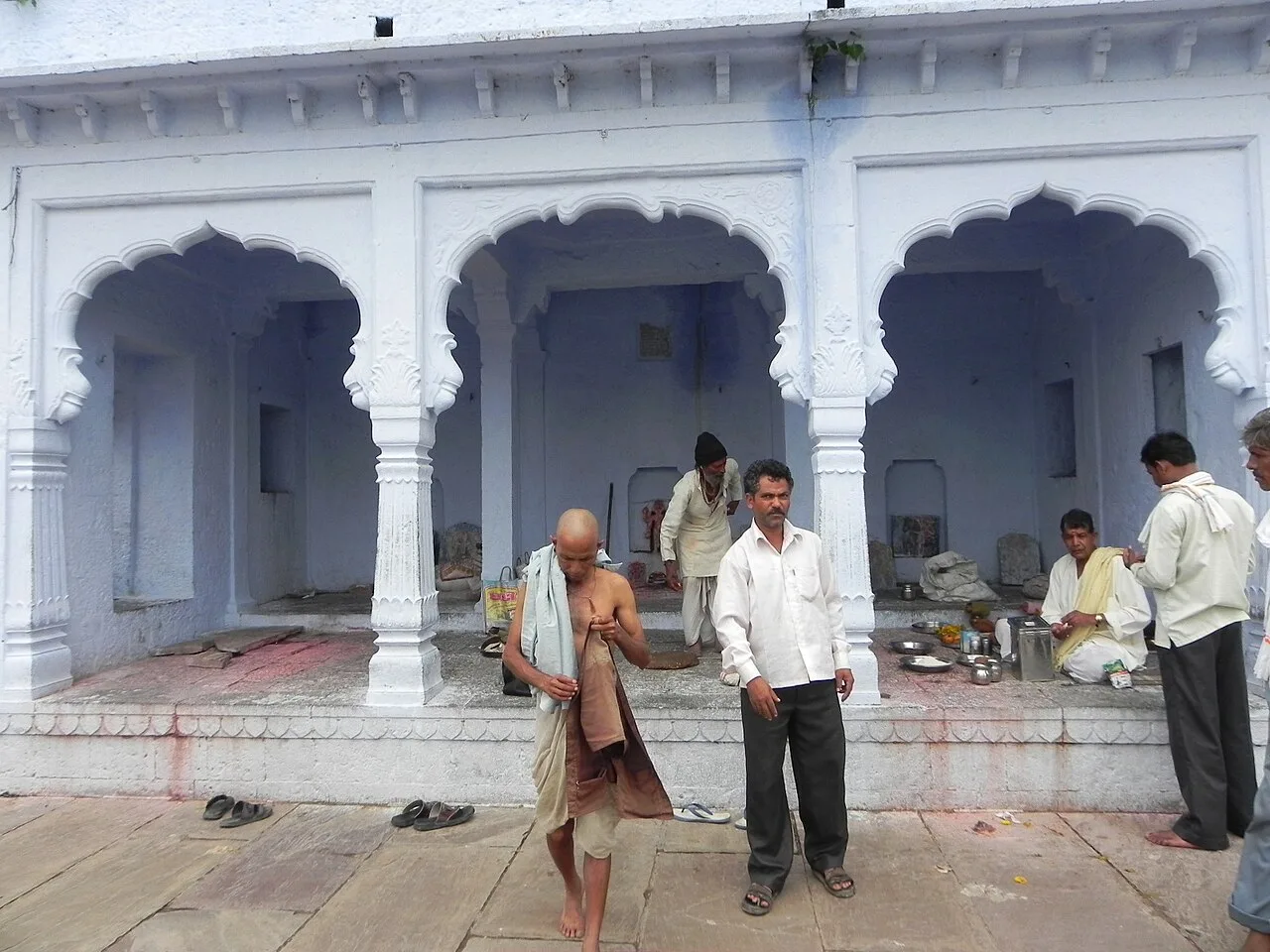
Arrive early to secure a place near the ghat or temple courtyard. Respect temple protocols — remove footwear, maintain silence during certain rites, and follow lines for darshan. Expect crowds and occasional temporary road closures; use local transport and heed police or temple volunteers for movement and safety.

Today and tomorrow

Mahakal Sawari remains a living tradition with growing pilgrimage traffic. Temple management and local authorities have introduced crowd-management measures and improved facilities for pilgrims. The temple’s high profile has also brought conservation efforts and heritage tourism interest, which may shape future ceremonial logistics.

Nearby

Places to see around the festival