
Ghumoopedia — Explore, Discover, Experience
Sign in

Tribal · Nagaland

Moatsu

Mokokchung and Ao villages

Dates

Last verified 17 November 2026. Confirmed: announced by organisers or government. Provisional: from a published almanac, not yet announced. Seasonal: no date announced.

The complete guide

Moatsu: everything to know before you go

Also known as
Moatsu Tsungremong (commonly Moatsu).
Where
Nagaland; Ao areas centred on Mokokchung and surrounding villages.
When
May (dates vary by village; typically for several days in late spring).
Duration
Several days to a week depending on local custom.
Who takes part
Ao tribal festival with agricultural, social and ceremonial functions.
Type
Harvest-preparatory and community renewal festival with dances, feasts and customary rites.
Entry
Village-organised; visitors may be welcomed to public events.
Best for
Observers of Ao ritual performance, traditional song and dance, and local agricultural customs.

Overview

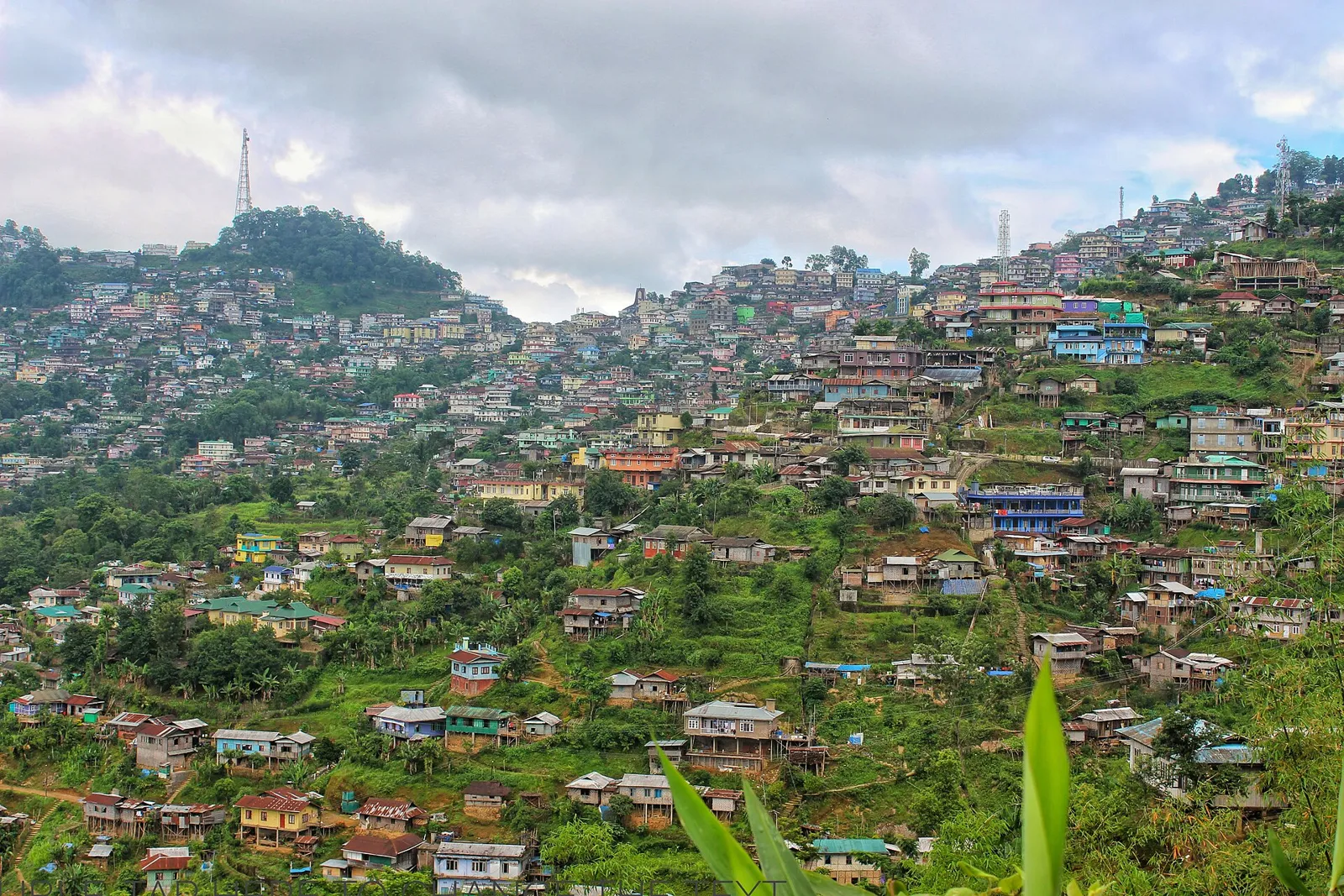
Moatsu is the central spring festival of the Ao Naga people, traditionally observed in May across the villages of Mokokchung district and surrounding Ao settlements. It marks the end of the sowing season and the beginning of communal rest after intensive agricultural labour; the festival combines thanksgiving, community bonding, and rites intended to secure a good harvest and protect households from misfortune. Practically every village organizes its own version of Moatsu, with communal feasts, public storytelling, ritual offerings at spirit shrines, and spectacular displays of traditional music and dance. In the modern era Moatsu is also a living repository of Ao cultural identity: elders use its gatherings to pass oral histories and customary law to younger generations, while younger people find space to present new performing forms and renewed weaving patterns. Visitors to Mokokchung town and nearby Ao villages during May will see ancestral morungs (men's dormitories), decorated public spaces, and groups of singers and dancers in handwoven shawls and headdresses. While the festival retains a deep ritual core—reciprocal offerings, invocations for fertility of the fields and livestock, and private household rites—its public face is a warm, community centred sequence of food, music and formal welcome ceremonies for guests.
Origins and legend

Moatsu's origins lie in the Ao people's agrarian calendar and cosmology. Historically, the Ao divided the year by cycles of agricultural work and by the life of the village morung, and Moatsu appeared as the seasonal hinge between the most demanding fieldwork and a period of relative rest. Legends associated with Moatsu often recount stories of ancestral leaders who secured the village from famine through timely planting, wise counsel and ritual protection. One common thread in Ao narratives ties Moatsu to a revered ancestor who taught the people the proper order of sowing and the correct sacrifices to household and community guardian spirits. That ancestral figure is credited with instructing villagers to pause work and perform collective rites in spring, both to honour the spirits and to reaffirm social bonds —marriage alliances, labour sharing agreements and debt settlements. Over generations, these ritual acts became formalized into Moatsu’s structure: a sequence of communal meals, priest led offerings at designated altars, and the public adjudication of disputes that ensures harmony before the crops grow. Oral historians emphasise that Moatsu was originally as much about socio economic regulation as it was about spiritual observance: it scheduled feasts that redistributed wealth, enabled brideprice payments, and allowed the community to calibrate labor before the heavy monsoon planting. With conversion to Christianity in the 20th century many explicit pagan rites diminished or adapted; yet the foundational

story—of a community steered through scarcity by ritual, wise leadership and collective labour—remains the moral kernel of Moatsu’s origin myths.

How it is celebrated

Moatsu celebrations vary by village but typically include communal feasts, reciprocal visiting, house cleaning and the decoration of public meeting places. Villagers prepare traditional dishes from rice, smoked pork and local greens; women weave and wear special shawls, while men don embroidered jackets and headgear. Public dancing in choreographed formations—alternating male and female lines— accompanies singing of Ao folk songs. Elders perform short ritual invocations acknowledging ancestral guardians and offering thanks for the seed stock. Many villages hold a ‘welcome’ ceremony for visitors and formally invite neighbouring communities to share food and dance.

The cultural days

Designated cultural days within Moatsu are when competitive and cooperative performances take place: wrestling bouts, bamboo pole contests, and staged dance sequences that display clan specific steps and regalia. These days give younger participants a sanctioned stage to perform newly composed songs and dances, while older dancers preserve canonical choreography. Craftspeople display woven textiles and woodcarving, and storytellers recount clan histories. In larger centres such as Mokokchung town, cultural days also include formal exhibitions, handicraft stalls, and panels where cultural custodians discuss heritage and language preservation.

Food and flavours

Moatsu is a feast rich festival. The food centres on steamed rice, smoked and boiled pork, beef or chicken where available, and a range of seasonal greens and fermented condiments. Ao culinary staples—smoked pork preserved in bamboo containers, pork fat cooked with wild herbs, and local bamboo shoot preparations—feature prominently. Rice beer (zutho) remains a traditional celebratory drink in some villages; however, Christian influenced communities sometimes restrict alcohol in public ceremonies while still allowing shared non alcoholic beverages. Communal feasting reinforces reciprocity: households pool resources to feed extended networks, and visiting groups are offered generous portions as a sign of honour. Sweets and special rice cakes are made for children and for distribution at the morung. The emphasis is on hearty, warming food suited to social sharing and long outdoor gatherings typical of a spring festival.

Music, dance, art and dress (150 words minimum)

Music and dance are the heart of Moatsu. Traditional Ao songs—often slow, rhythmic chants that tell clan histories or moral parables—are accompanied by percussion (log drums or hand beaten gongs) and simple reed or bamboo instruments. Dance formations are typically circular or paired, with men and women moving in complementary motifs that symbolise community harmony and agricultural fertility. Costumes are finely woven: Ao women wear handwoven garments with distinct chequered and stripe patterns, ornamented neckpieces and silver jewellery; men wear embroidered jackets, beaded belts and feathered headgear for particular dances. Craftspeople bring display objects—textiles demonstrating new or ancestral patterns, carved wooden implements and decorated tools. The visual effect is one of deliberate symmetry and bright textile geometry, reflecting clan identity and local aesthetics.

Where to experience it

The best place to experience Moatsu is in Mokokchung district, particularly in villages that maintain stronger customary observances: Ungma (Aroma), Longkhum, Chuchuyimlang and the central town of Mokokchung itself. Village Moatsu offers a more intimate and traditionally grounded encounter, while Mokokchung town stages larger, more public friendly programmes that can accommodate visitors.

Contacting local cultural offices or village councils in advance is advisable because exact dates vary by locality. For researchers or photographers, attending a smaller village Moatsu yields clearer access to elders and ceremonial sequences; for general visitors seeking compiled cultural shows, Mokokchung town’s public events are easier to join.

Visitor guide

  • Getting there. Mokokchung is accessible from Dimapur and Kohima by road; private taxis and state run buses connect the towns. The nearest railhead is Dimapur; from there a 4–6 hour drive reaches Mokokchung depending on road and weather conditions. Where to stay. Mokokchung town has small hotels and guesthouses; village visitors should plan homestays through local contacts or district tourism offices. What to wear and pack. Dress modestly and comfortably. Lightweight layers suit May’s daytime warmth and cooler evenings. Bring a rain jacket, sturdy walking shoes, sunscreen and insect repellent. Etiquette. Ask permission before photographing private rituals or individuals. Respect village rules— many ceremonies remain restricted to community members. Accept invitations to shared food as an honour; refuse politely if you have dietary restrictions but explain courteously. Safety and comfort. Carry water, follow local guidance on movement between ceremonial spaces, and be prepared for limited mobile connectivity in villages.

Today and tomorrow

Moatsu continues to evolve: Christian influences have reshaped some ritual forms, but the festival’s communal and cultural functions endure. Local NGOs and cultural institutions increasingly use Moatsu platforms to promote language education, heritage crafts and sustainable tourism. Future trajectories include formalisation of performance schedules to welcome visitors while safeguarding restricted rites, and community led heritage projects to archive songs and weaving patterns. If managed sensitively, Moatsu can provide economic opportunities for artisans without commodifying sacred practices.

Nearby

Places to see around the festival