
Ghumoopedia — Explore, Discover, Experience
Sign in

Tribal · Nagaland

Monyu

Longleng district, next to Mokokchung

Dates

Last verified 17 November 2026. Confirmed: announced by organisers or government. Provisional: from a published almanac, not yet announced. Seasonal: no date announced.

The complete guide

Monyu: everything to know before you go

Overview

Monyu is an important spring festival for the Phom Nagas of Longleng and adjacent areas. Like many Naga festivals, Monyu marks agricultural transitions and provides a collective opportunity to purify the community, settle obligations and celebrate with dance and song. The festival emphasises community solidarity: households host reciprocal visits, share food and perform rituals intended to ensure the well being of crops, livestock and people. Distinctive Phom elements include particular melodic song styles, the use of small hand drums and bamboo instruments, and dance steps that incorporate local movement vocabularies. Monyu also functions as a civic moment—the village council convenes to address disputes and to confirm labour arrangements for the upcoming fieldwork. As with other Naga festivals, the influence of Christianity has reframed some ritual language, but Monyu persists as a crucial repository for Phom customary law, oral histories and artistic expression. The festival’s public days are lively and accessible to visitors who come with respect and local introductions.
Origins and legend

Monyu's origin stories are woven into Phom cosmology and agricultural memory. Elders recount that the festival began as a rite performed by founding families to appease village guardian spirits and to request fertile fields. The stories emphasize reciprocity between humans and the natural environment: offerings of first fruits and cooked rice accompanied song and dance to acknowledge gifts from the forest and the soil. Local legends describe ancestral figures who negotiated boundaries with neighbouring communities and established rules for shared pastures and water sources—this legal administrative dimension of Monyu has long been essential, ensuring that seasonal migration for labour and grazing did not provoke conflict. With social transformation, certain rites—especially those that invoked pre Christian deities—

have been altered or recited in historical form rather than enacted as literal supplication. Nonetheless, the narrative continuity remains: Monyu is both a ritual of gratitude and a social charter day when obligations are clarified and young people are integrated into adult responsibilities.

How it is celebrated

Celebrations include morning house cleansing rites, midday communal feasts and afternoon dances. Village elders lead short invocations, after which groups move between households exchanging songs and small offerings. Children participate in simpler dances and are taught the songs that contain clan histories. The festival schedule often includes a public arbitration session where disputes are aired and resolved, and a concluding community meal that symbolically renews social bonds.

The cultural days

Cultural days centre on group singing competitions, displays of weaving and basketry, and staged recitations of oral histories. Young performers sometimes present newly written songs addressing contemporary themes—education, migration and conservation—while older performers keep the canonical repertoires alive. Craft demonstrations and market stalls make these days ideal for visitors seeking authentic textiles and handicrafts.

Food and flavours

Phom festival food emphasizes rice in multiple preparations: plain steamed rice, rice porridge, and rice cakes made for ritual exchange. Meat—smoked pork, chicken and occasionally beef—features in the communal stew. Fermented bamboo shoots and spicy chutneys accompany main dishes. Small portions of traditional rice beer may be consumed in private settings, but public attitudes vary. The festival also highlights home cooked sweets and preserves offered to visiting guests. Food sharing is an act of social affirmation: each shared meal reaffirms kinship ties, acknowledges labour debts and renews obligations to help with fieldwork.

Music, dance, art and dress (150 words minimum)

Phom musical style is characterised by modal songs with drone like vocal lines and percussive accompaniment. Dances are often circular or linear processions with subtle arm gestures and footwork reflecting walking and planting movements. Dress is composed of handwoven shawls with distinct Phom motifs, bead necklaces and practical village attire adapted for performance. Crafts include basketry, specialty mats and carved household items; motifs on textiles encode clan identity and local cosmology. The festival is a stage for local smiths and weavers to present their work and for youths to learn the symbolic language of pattern and ornamentation.

Where to experience it

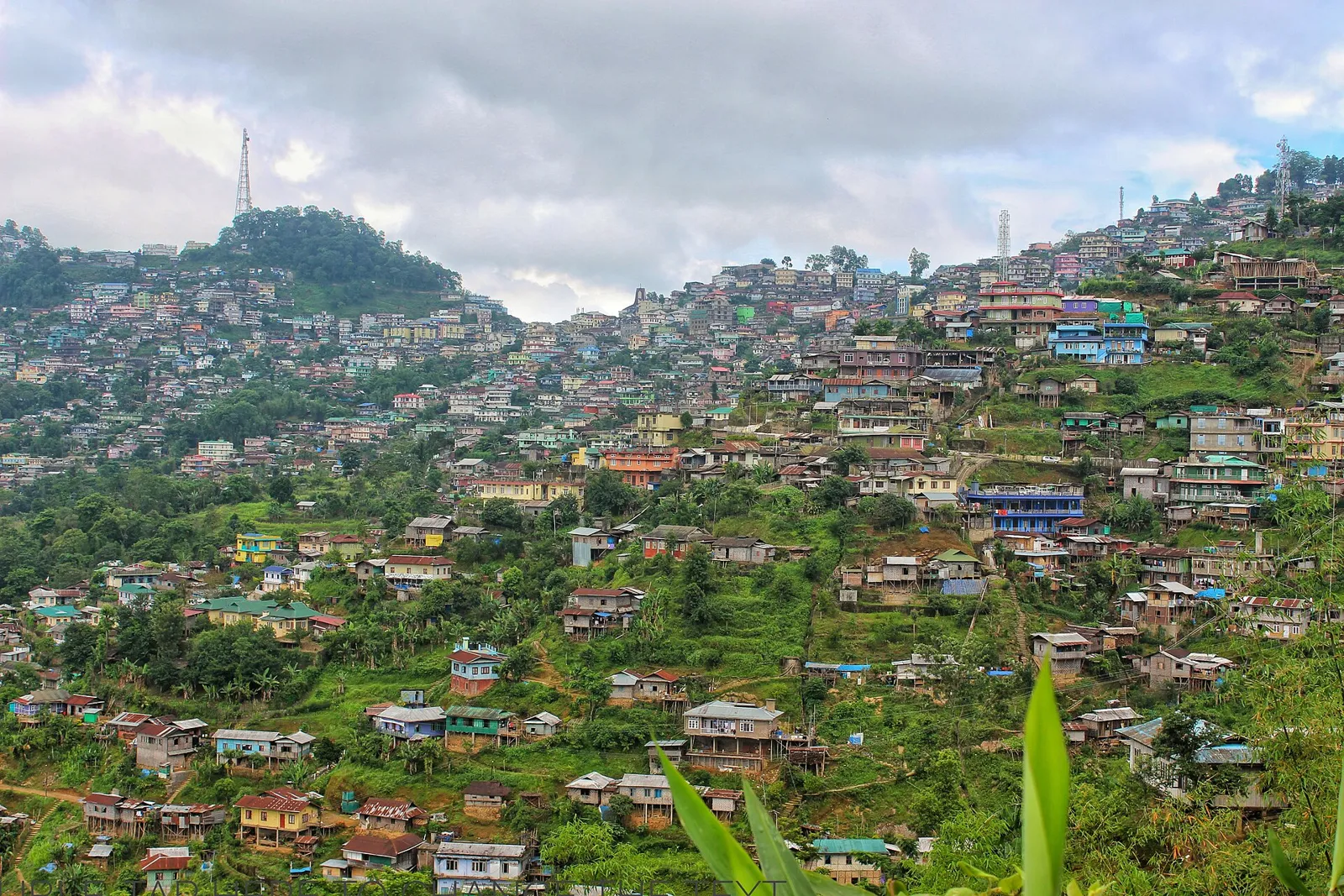
Longleng town and surrounding Phom villages are the best locations. Village level Monyu events offer intimate encounters with elders and customary sequences, while Longleng town stages public programmes for a broader audience. Coordinating with district cultural officers or known local guides improves access and ensures respectful engagement with restricted rites.

Visitor guide

  • Getting there. Longleng is accessible by road from Dimapur and Mokokchung; travel times vary with road conditions. Where to stay. Longleng provides basic guest accommodation; village homestays require arrangement through local contacts. What to wear and pack. Comfortable layered clothing, rain protection, sturdy shoes and modest attire are advised.
  • Etiquette. Observe photo restrictions, accept food politely and follow elders’ instructions. Offer small tokens or purchase crafts rather than intrusive bargaining. Safety and comfort. Bring water and medicines for altitude or travel discomfort; check local advisories before travel.

Today and tomorrow

Monyu remains central to Phom identity and is being revitalised through school programmes and crafts cooperatives. Sustainable cultural tourism strategies, led by community councils, aim to protect sacred sequences while generating livelihood opportunities for artisans and performers.

Nearby

Places to see around the festival