Ghumoopedia — Explore, Discover, Experience
Sign in

Religious · Maharashtra

Nag Panchami, Battis Shirala

Battis Shirala, Sangli district, and villages across Maharashtra

Dates

Last verified 17 November 2026. Confirmed: announced by organisers or government. Provisional: from a published almanac, not yet announced. Seasonal: no date announced.

The complete guide

Nag Panchami, Battis Shirala: everything to know before you go

In short
Nag Panchami (statewide observance of serpent worship).
Local highlight
Battis Shirala festival (Sangli district) — July–August, village and tribal rituals centered on snake worship and cultural fairs

Overview

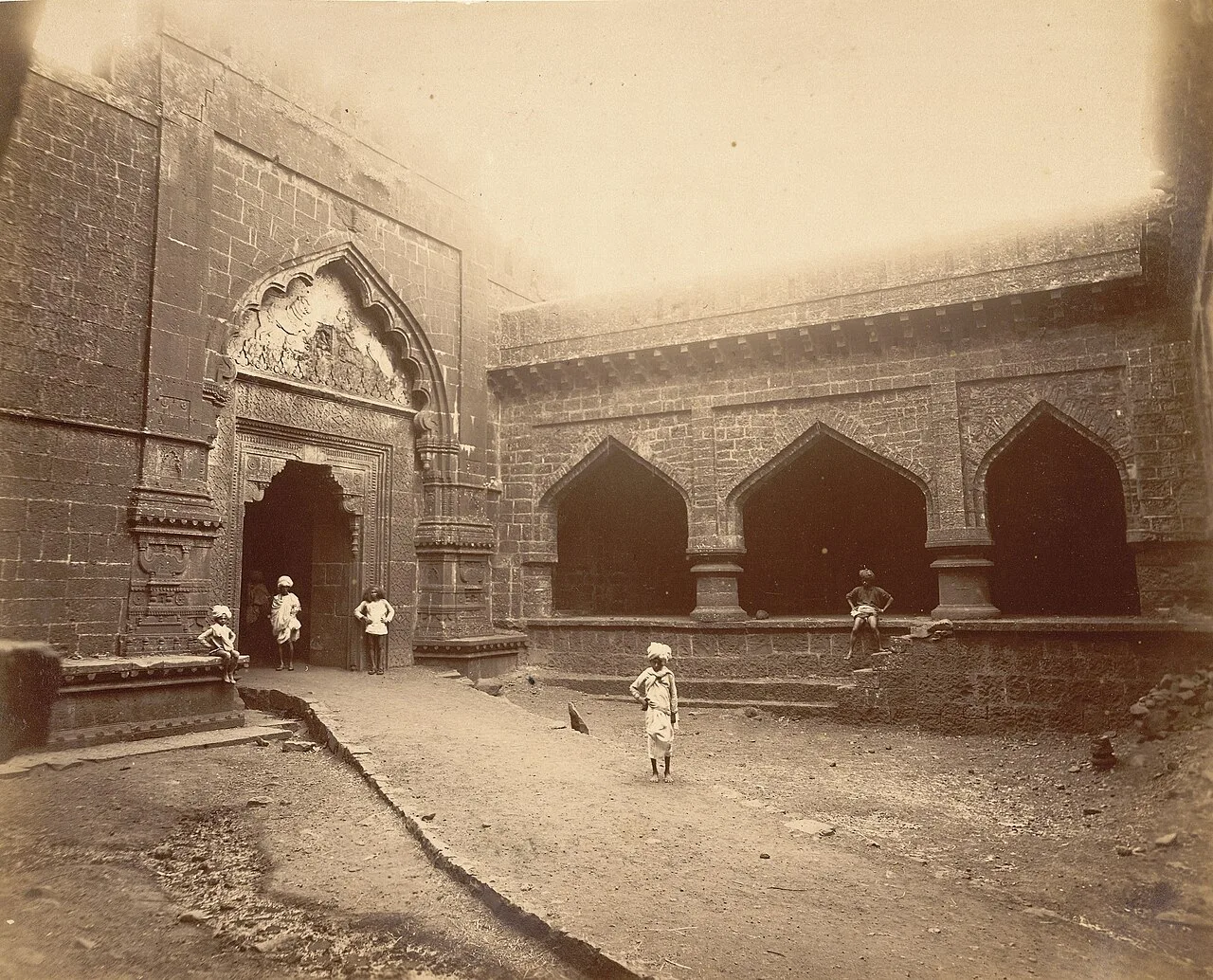
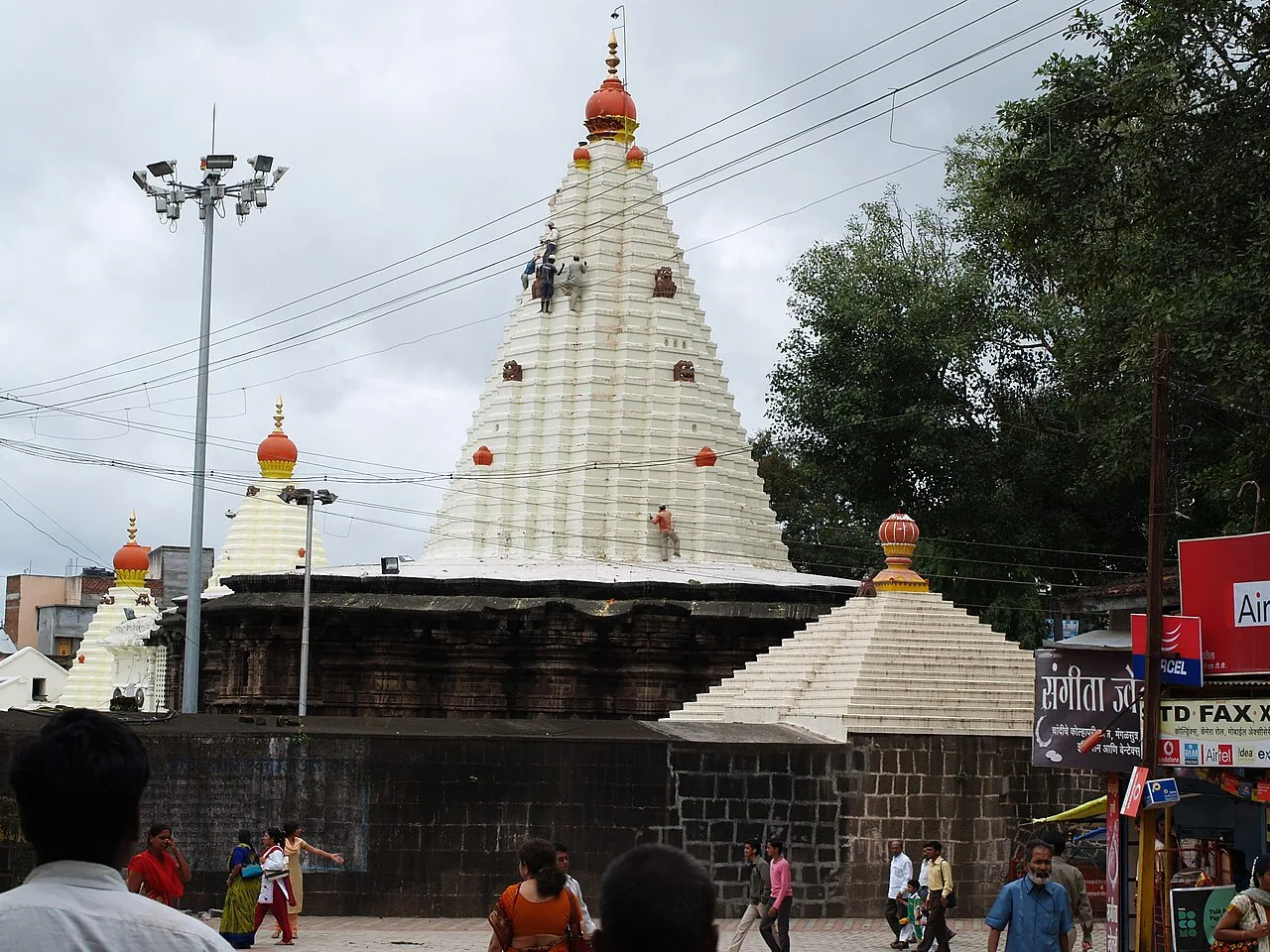
Nag Panchami is a traditional Hindu observance dedicated to the veneration of serpents (nagas). In Maharashtra it blends pan-Indian religious practices with strong local and tribal customs. Battis Shirala is a notable rural fair in Sangli district where rituals, folk performances and market activities converge, attracting devotees from surrounding villages.
Origins and legend

Nag worship has ancient roots in agrarian and tribal belief systems: snakes were revered as guardians of the earth and water. Hindu mythologies connect nagas with figures such as Vasuki and Shesha; stories about Krishna subduing the serpent Kaliya are commonly recited. Local legends in Sangli describe protective nagas who bless fields and families, and certain stones or mounds in the landscape are revered as naga seats.

How it is celebrated

Families and communities offer milk, flowers, turmeric and vermilion at serpent shrines and earthen images. In Battis Shirala, ceremonies include procession of decorated naga images, community prayers, and ritual bathing of the icon. Devotees perform puja at homes and fields to ask for protection from snakebite and for agricultural prosperity. Local priests and hereditary custodians lead rites; some groups observe strict dietary or behavioural rules on the day.

Food and flavours

Offerings are vegetarian: milk, coconut, jaggery, and seasonal fruits. Festive communal meals often feature bhakri (millet or jowar flatbread), varan (dal), spiced vegetable dishes and sweets such as puran poli or modak in some regions. In villages vendors sell snacks and chai during the fair.

Music, dance, art and dress

Folk musicians perform lavanis, dhol-tasha rhythms and devotional abhangs; tribal drumming and community dances are common at Battis Shirala. Traditional dress—men in dhoti and pheta, women in nine-yard sarees or nauvari drape—appears at processions. Snake motifs feature in temporary artwork and painted naga panels.

Where to experience it

Visit Sangli district for Battis Shirala and nearby village shrines across southern Maharashtra for authentic, community-centred observance. Rural fairs give the clearest view of tribal continuities and folk rites.

Visitor guide

Plan to attend in July–August on the Nag Panchami date. Wear modest clothing and comfortable shoes for dirt paths. Respect local customs: do not handle ritual objects unless invited, and follow guidance near live snakes or snake handlers. Bring small gifts (milk, flowers) if you intend to participate in puja. Facilities in rural fairs are basic; carry water and insect repellent.

Today and tomorrow

Nag Panchami remains resilient in rural Maharashtra, though urban observance is often symbolic. Conservation awareness is growing—some communities now emphasize habitat protection alongside ritual respect. Festivals like Battis Shirala can help revive local crafts and attract modest cultural tourism if infrastructure and interpretation are developed sensitively.

Nearby

Places to see around the festival