Ghumoopedia — Explore, Discover, Experience
Sign in

Religious · Uttarakhand

Nanda Devi Raj Jat and Nanda Devi Mela

Chamoli and Almora districts

Dates

Last verified 17 November 2026. Confirmed: announced by organisers or government. Provisional: from a published almanac, not yet announced. Seasonal: no date announced.

The complete guide

Nanda Devi Raj Jat and Nanda Devi Mela: everything to know before you go

Also known as
Himalayan Mahakumbh, Nanda Raj Jat, Almora Nanda Devi Mela
State & District
Uttarakhand (Chamoli District for Raj Jat; Almora District for annual Mela)
When
Raj Jat: Every 12 years (August–September); Nanda Devi Mela: Annually in Bhadrapada (Sept)
Duration
Raj Jat: 19 to 22 days (280 km trek); Annual Mela: 5 to 7 days
Faith & Community
Hinduism (Garhwali & Kumaoni Rajputs, Brahmins, Artisans, Folk communities)
Type
Sacred Mountain Pilgrimage Trek & Royal Goddess Send-off / Regional Fair
Entry
Free open participation; pilgrimage trek requires fitness verification
Best for
Culture enthusiasts, high-altitude trekkers, ethnographers, folklore researchers

Overview

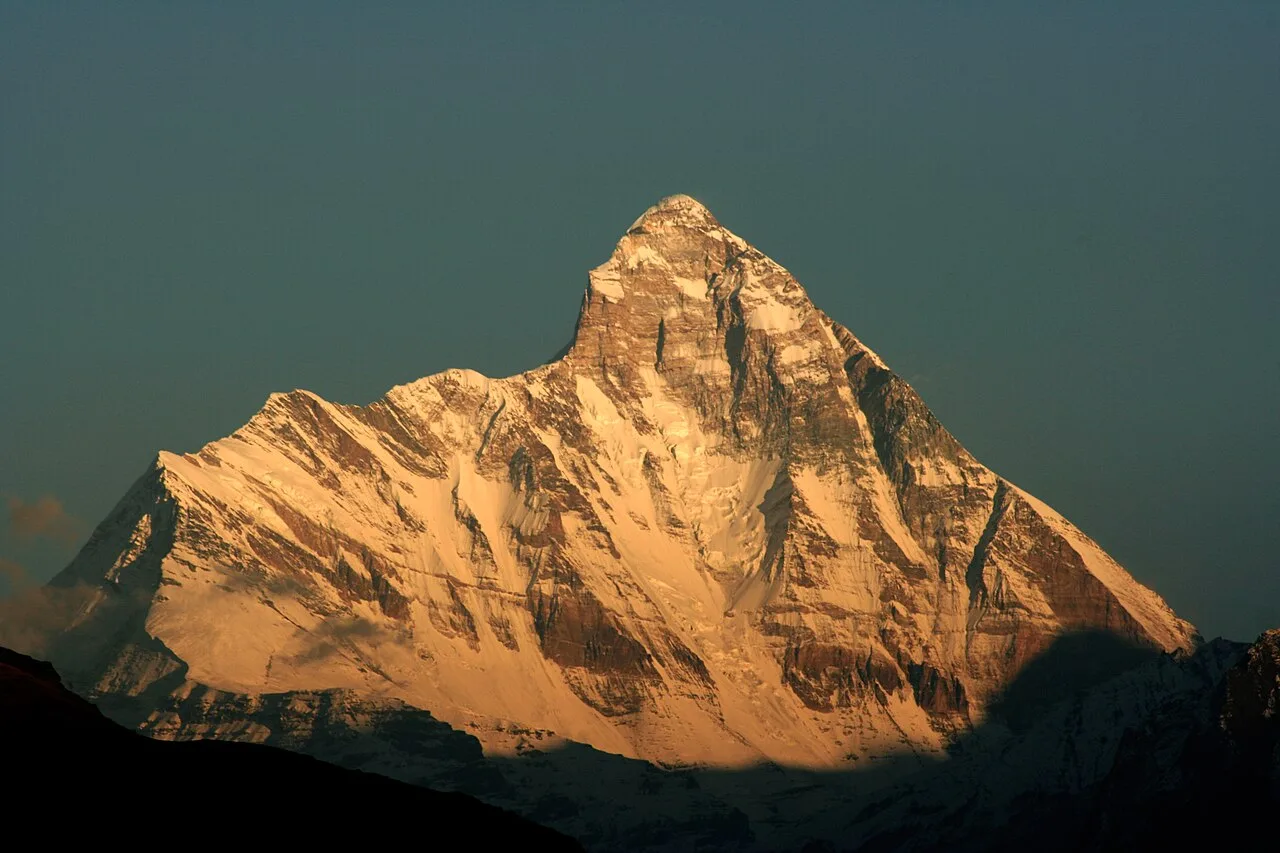
Nanda Devi Raj Jat is one of the most remarkable and challenging barefoot mountain pilgrimages in the world, often called the 'Himalayan Mahakumbh'. Held roughly once every twelve years in the Garhwal region's Chamoli district, this 280-kilometer, 19-to-22-day pilgrimage trek follows a four-horned ram (Chausingha Khadu) and the sacred ringal-reed umbrella (Chantoli) of Goddess Nanda Devi from Nauti village near Karnaprayag up to the high-altitude glacial lake of Roopkund and Homkund at an elevation of 4,500 metres. The Yatra symbolizes the emotional ceremonial send-off of Goddess Nanda Devi—revered as the daughter of the Himalayas and consort of Lord Shiva—from her maternal home (Mait) back to her in-laws' abode (Saur) atop Mount Trishul and Nanda Devi peak. In years when the grand Raj Jat does not occur, the festival's deep cultural spirit is celebrated annually as the Nanda Devi Mela across Kumaon and Garhwal, most famously at the historic Nanda Devi Temple in Almora. Combining deep emotional devotion, royal court traditions, dramatic alpine geography, and vibrant folk performances, the festival represents the cultural heart of Uttarakhand.

Origins and legend

The mythology of Nanda Devi is woven into the identity of Uttarakhand, where Nanda is revered both as a loving daughter and as an incarnation of Goddess Parvati/Durga. According to legend, Nanda was born to the mountain king Himavan. She married Lord Shiva and moved to his icy residence atop Mount Kailash and Trishul. Because her high-altitude marital home was austere and remote, she returns periodically to her maternal home in the valleys to meet her relatives. After a period of joyful celebration, her villagers must respectfully send her back to her husband's home with gifts, clothes, food, and ceremonial honors. The tradition of the Raj Jat was institutionalized by the royal Chand kings of Kumaon and the Parmar/Panwar kings of Garhwal. A unique aspect of the pilgrimage is the miraculous birth of a four-horned ram (Chausingha Khadu) in the region every twelve years, which naturally leads the Yatra carrying offerings (Rigya) wrapped in bags across its back, eventually wandering off into the high Himalayas toward Mount Trishul at Homkund.

How it is celebrated

During the 12-yearly Raj Jat, the pilgrimage commences at Nauti village after elaborate Vedic rituals. The royal representative of the Kasani-Nauti lineage leads the procession carrying the sacred golden idol of Nanda Devi placed in a palanquin, accompanied by the four-horned ram and the holy Chantoli umbrellas. The Yatra halts at 21 traditional night camps across remote Himalayan villages including Bhagoti, Kulsari, Tharali, Debal, Wan, Bedni Bugyal, Pather Nachauni, and Roopkund. Villagers along the route line the paths in thousands, weeping emotional tears as they offer turmeric, rice, clothes, and sweets to their 'daughter' Nanda. At Bedni Bugyal, a vast alpine meadow above 3,300 metres, thousands perform ritual prayers under the open sky. The Yatra culminates at Homkund, where final prayers are offered, the four-horned ram is released into the sanctuary, and pilgrims return bearing sacred Brahma Kamal flowers. In Almora's annual Nanda Devi Mela, banana tree trunks are ceremonially brought to fashion twin idols of Goddess Nanda and Sunanda, which are worshipped for five days before being immersed in local water bodies amidst grand processions.

The Cultural Days

The cultural dimension of Nanda Devi celebrations features rich oral song traditions and folk theater. Throughout the Yatra, traditional bards sing 'Jagar'—epic narrative ballads that recount the trials, triumphs, and miracles of Goddess Nanda Devi. At night stops, villagers assemble around bonfires to perform Jhumelo, Chhopati, and Chholiya sword dances. During the Almora Nanda Devi Mela, the town transforms into a vibrant fairground featuring craft exhibitions, traditional sweet stalls, folklore competitions, and classical music recitals hosted by the Almora Cultural Center. Local schools and cultural organizations perform dance-dramas depicting the life of Goddess Nanda, instilling cultural heritage in younger generations.

The Pilgrimage Days

The Raj Jat pilgrimage demands extraordinary physical endurance. Pilgrims trek across steep terrain, river crossings, dense oak forests, and high-altitude alpine passes with thin air. Beyond the tree line at Bedni Bugyal and Pather Nachauni, weather conditions can drop below freezing, with sudden blizzards or rain. Pilgrims trek barefoot or in minimal footwear over rocky paths to demonstrate devotion. The journey is marked by strict spiritual discipline: pilgrims fast on key days, abstain from negative speech, and share limited food and shelter in high-altitude tents. The final stretch to Roopkund (the famous 'Skeleton Lake') and Homkund requires navigating snowfields and rocky moraines, guided by experienced local mountain guides and army support teams.

Food and flavours

Culinary offerings during Nanda Devi celebrations emphasize traditional Himalayan foods that provide warmth and sustained energy. Key ritual foods include Arsa (a sweet delicacy made from rice flour and jaggery fried in mustard oil or ghee) and Roht (thick sweetened wheat bread cooked over coals), which are offered to the Goddess as Prasadam. During the trek, pilgrims consume simple, energy-dense meals made from finger millet (Mandua), buckwheat (Kuttu), and local mountain pulses like Bhatt (black soybean) and Gafath (horse gram). Popular dishes include Bhatt ki Churdkani (a rich black bean gravy cooked in iron pans), Dubuk, and Aloo Ke Gutke served with green hemp-seed (Bhang ki Chutney). At the Almora Mela, visitors enjoy local Kumaoni sweets like Bal Mithai (roasted khoya fudge coated with white sugar balls) and Singauri (khoya sweet wrapped in fragrant Malu leaves).

Music, dance, art and dress

Visual and auditory arts shine during the Nanda Devi celebrations. Music is anchored by the rhythmic thunder of Dhol-Damau drums and the piercing calls of Ransingha trumpets echoing off alpine peaks. In Kumaon, the famous Chholiya dance—a martial folk dance featuring dancers clad in white traditional robes, red turbans, wielding brass swords and shields—is performed at the head of processions. Visual art includes Aipan—traditional Kumaoni floor and wall art painted using red clay (Geru) and white rice paste (Biswar)—adorning temple sanctums and home entrances. Attire includes traditional Garhwali and Kumaoni woolen outfits: men wear Churidar pyjamas, Kurtas, Jawahar coats, and Pahadi caps; women wear vibrant Pichora (traditional yellow and red printed drapes), Sarees, and heavy gold and silver nose rings (Nath) and necklaces.

Where to experience it

The grand 12-yearly Raj Jat can be experienced along its trek route from Nauti village (near Karnaprayag, Chamoli district) up to Bedni Bugyal and Wan village. The annual Nanda Devi Mela is best experienced at the historic Nanda Devi Temple complex in Almora city, as well as in Nainital, Bageshwar, and Ranikhet.

Visitor guide

  • Getting there: For Almora Mela, Kathgodam Railway Station (85 km) is the nearest railhead, connected to Pantnagar Airport (115 km). For the Raj Jat in Chamoli, access is via Rishikesh/Rudraprayag to Karnaprayag and Nauti by road.Where to stay: Almora offers numerous hotels, resorts, and heritage homestays. For the Raj Jat trek, accommodation is limited to basic homestays in villages like Wan and temporary high-altitude tented camps managed by the Yatra committee.What to wear & pack: For the trek, heavy mountain trekking gear, thermal baselayers, waterproof jackets, sturdy boots, high-altitude sunglasses, and trekking poles are mandatory. For Almora Mela, light woollens suffice.Etiquette: Respect sacred mountain customs. Do not litter along pristine alpine meadows (Bugyals). Maintain quiet reverence during Jagar ceremonies.Safety & comfort: High-altitude sickness (AMS) is a real risk above Bedni Bugyal; carry Diamox and oxygen cylinders. Hire local guides for high-altitude stretches.

Today and tomorrow

Today, the Nanda Devi Raj Jat and Almora Mela balance ancient faith with modern ecological conservation. Environmental organizations and state agencies strictly enforce 'Leave No Trace' policies across Bedni Bugyal and Roopkund to protect fragile alpine ecosystems from soil erosion and plastic pollution. High-definition webcasts and documentary films bring the mystical beauty of Nanda Devi traditions to a global audience, preserving Garhwali and Kumaoni folklore for future generations.

Nearby

Places to see around the festival