
Ghumoopedia — Explore, Discover, Experience
Sign in

Cultural · Tamil Nadu

Natyanjali Festival

Chidambaram, Cuddalore

Dates

Last verified 17 November 2026. Confirmed: announced by organisers or government. Provisional: from a published almanac, not yet announced. Seasonal: no date announced.

The complete guide

Natyanjali Festival: everything to know before you go

Also known as
Chidambaram Natyanjali, Maha Shivaratri Dance Tribute
State & District
Tamil Nadu; Chidambaram, Cuddalore District
When
February – March (Maha Shivaratri night and following 4 days)
Duration
5 Days
Faith & Community
Hinduism (Shaivism & Classical Dance Traditions)
Type
Sacred Classical Dance Festival & Devotional Offering
Entry
Free and open to all pilgrims, dancers, and visitors
Best for
Classical dancers, Shaivite pilgrims, and architectural lovers

Overview

Natyanjali is a sacred classical dance festival celebrated annually during Maha Shivaratri at the legendary Thillai Nataraja Temple in Chidambaram, Cuddalore District. The word 'Natyanjali' translates to 'offering through dance' (Natya = Dance, Anjali = Reverent Offering). The festival serves as a dedicated homage to Lord Shiva in his manifestation as Nataraja, the Cosmic Dancer who performs the Ananda Tandava (Dance of Eternal Bliss).

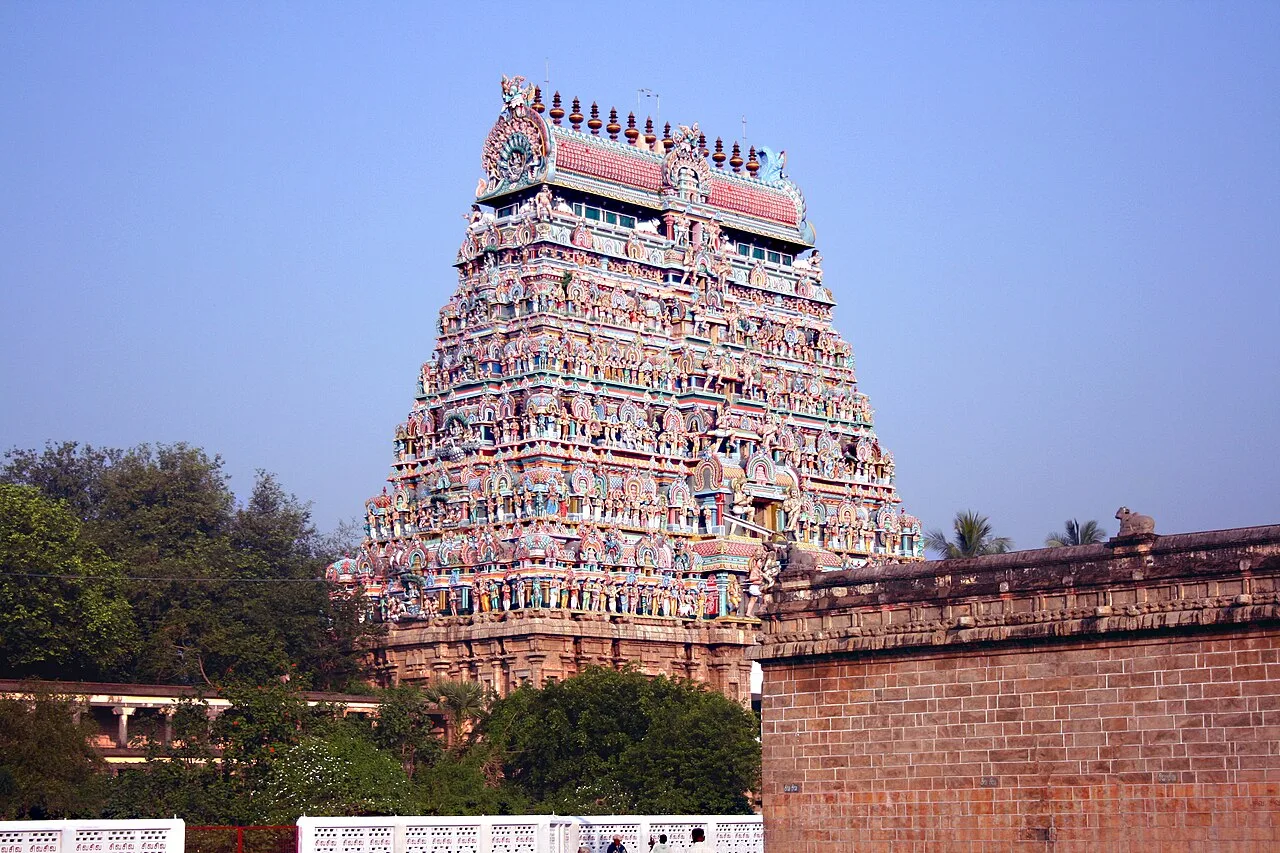
Over five nights, under the shadow of the temple's soaring gold-roofed Kanaka Sabha and ancient granite gopurams carved with the 108 karanas of Natya Shastra, classical dancers from across India and around the world perform for the Lord. Dancers view performing at Natyanjali not merely as an artistic recital, but as the supreme spiritual pinnacle of their dancing career.

The unique spiritual power of Natyanjali lies in its total absence of commercialism or competition. Here, world-famous prima donnas and humble student dancers share the same sacred granite stage without green rooms, ticketed seats, or financial honorariums. Every performer bow down before the golden shrine of Lord Nataraja, dedicating their art as a flower of devotion.
Origins and legend

Chidambaram is revered as the Akasha Sthalam (Cosmic Ether Element) among the Pancha Bhuta Sthalams of Lord Shiva. According to Hindu sacred legend, Lord Shiva performed the cosmic Ananda Tandava dance in the Thillai forest to reveal the secret of cosmic creation, preservation, destruction, illusion, and salvation to sages Patanjali and Vyaghrapada.

The Natyanjali festival was formally inaugurated in 1981 by the Natyanjali Trust in coordination with the Dikshitar priests of Chidambaram Temple. The objective was to restore classical dance to its ancestral birthplace—the temple courtyard—where devadasis and royal artists historically offered dance as daily worship.

Legend holds that Bharata Muni, author of the Natya Shastra, codifed the rules of drama and dance after witnessing Lord Nataraja's cosmic performance at Chidambaram. The stone walls of the temple's eastern and western gopurams serve as a permanent stone manual, portraying all 108 dance poses (karanas) described in the ancient treatise.

How it is celebrated

The festival commences on the holy night of Maha Shivaratri. As midnight abhishekams take place inside the sanctum sanctorum, the open-air courtyard outside the eastern gopuram resonates with the sound of salangai (ankle bells) and classical vocal music.

For five continuous nights, from 6:00 PM until late midnight, over 300 to 500 dancers present solo and group recitals. Every performance opens with a mandatory homage to Lord Nataraja. The stage is open to established gurus, acclaimed prima donnas, as well as young student groups, reflecting the egalitarian spiritual ethos of temple worship.

The entire temple town comes alive as thousands of pilgrims line the outer prakarams and courtyard halls. The performances are accompanied by traditional live orchestra—vocalists, mridangists, violinists, flautists, and nattuvanars—creating an intense spiritual ambience that transports audiences back to ancient Chola times.

The Cultural Days

The 5-day cultural sequence highlights the sacred heritage of classical dance:

Maha Shivaratri Inaugural Night: Commences with special Vedic prayers and a mass dance tribute where hundreds of dancers perform synchronized pushpanjali (flower offering).

Nataraja Karana Evenings: Subsequent evenings showcase diverse Indian classical dance forms including Bharatanatyam, Kuchipudi, Mohiniyattam, Kathak, and Odissi.

Group Choreography & Dance Dramas: Senior dance academies present thematic dance dramas portraying Shiva Leelas, Kuravanji folk plays, and Geeta Govinda recitals.

The Pilgrimage Days

Pilgrims combine attending the Natyanjali performances with sacred rituals inside the temple:

Chidambara Rahasya Darshan: Devotees queue inside the Chit Sabha sanctum to witness the invisible curtain representing the cosmic void (Akasha).

Four Yaama Shivaratri Puja: Attending the four midnight water, milk, curd, and honey abhishekams performed to the crystal Lingam (Chandra Maulishwara).

Shivaratri Vigil (Jagaran): Thousands of devotees stay awake all night in the temple halls, alternating between watching dance performances and offering silent mantra meditation.

Food and flavours

Chidambaram's temple town offering centers on traditional Shaivite prasadam and local Cuddalore cuisine:

Chidambaram Temple Kathirikkai Gothsu: A famous fiery roasted brinjal gravy made with lentils and sesame oil, served hot with ven pongal or rice.

Temple Prasadam Kovil Puliotharai: Tangy tamarind rice seasoned with black pepper, mustard seeds, curry leaves, and roasted peanuts.

Traditional Filter Coffee: Hot filter coffee served in brass tumblers at traditional eateries surrounding the temple car streets.

Chidambaram Sweet Pongal: Rich jaggery rice pudding prepared with clarified butter (ghee), fried cashew nuts, and aromatic green cardamom.

Music, dance, art and dress

Natyanjali is an artistic devotion directly tied to temple architecture:

The 108 Karanas: The stone gateways (gopurams) of Chidambaram Temple are sculptured with all 108 fundamental dance postures (karanas) described in Bharata's Natya Shastra, serving as an architectural textbook for performing dancers.

Dance Costumes: Dancers dress in vibrant silk dance costumes with heavy temple jewelry, waistbands (oddiyanam), jasmine flower garlands (gajra), and ankle bells.

Where to experience it

The festival stage is situated within the Eastern Gopuram Courtyard of the Thillai Nataraja Temple, Chidambaram. Satellite Natyanjali festivals are also celebrated at nearby temples such as the Bhadrakali Temple and Thiruvakkarai.

Visitor guide

  • Getting There: Chidambaram is connected by rail and road to Chennai (240 km), Puducherry (65 km), and Tiruchirappalli (160 km). Regular buses run along the East Coast Road.
  • Where to Stay: Numerous hotels, lodges, and pilgrim choultries are available around the Four Car Streets of Chidambaram.
  • What to Wear & Pack: Strict traditional Indian clothing (dhotis/kurta for men, sarees/salwars for women). Carry footwear bags as shoes are prohibited near the temple gates.
  • Etiquette: Maintain solemn reverence during performance offerings. Photography rules set by temple authorities must be respected.
  • Safety & Comfort: Courtyard seating can get packed on Shivaratri night; arrive early by 5:00 PM.

Today and tomorrow

Natyanjali has inspired similar temple dance festivals across Tamil Nadu, including at Tanjore Big Temple, Kumbakonam, and Nagapattinam. The Natyanjali Trust actively supports underprivileged classical dancers by providing them a national platform to present their art before Nataraja.

Nearby

Places to see around the festival