Ghumoopedia — Explore, Discover, Experience
Sign in

Harvest · Odisha

Nuakhai

Sambalpur, Bargarh, Balangir and the rest of western Odisha

Dates

Last verified 17 November 2026. Confirmed: announced by organisers or government. Provisional: from a published almanac, not yet announced. Seasonal: no date announced.

The complete guide

Nuakhai: everything to know before you go

Also known as
Nuakahi / New Crop Festival
Where
Western Odisha — Sambalpur, Bargarh, Bolangir and surrounding districts
When
August–September (after harvest)
Duration
1–3 days locally
Who takes part
Agrarian communities; ethnic and caste groups across western Odisha
Type
Harvest festival / community ritual
Entry
Community events; public participation welcomed
Best for
Local food traditions, folk dances, agrarian rituals

Overview

Nuakhai is a major agrarian celebration in western Odisha that honors the new rice harvest. Families offer the first produce to local deities and ancestral spirits before consuming it themselves. The festival strengthens community ties, marks seasonal transition and celebrates local identity through music, dance and ritual hospitality. Nuakhai is both a household rite—cleaning, new clothes and family feasts—and a public cultural display of folk performance, courtship customs and communal exchange.
Origins and legend

Rooted in ancient agrarian cycles, Nuakhai’s practice predates recorded history in the region. It links harvest gratitude, deity propitiation and social ordering: elders bless younger members and community leaders coordinate offerings. Oral histories emphasize communal reciprocity and the symbolic transfer of the season’s bounty from fields to village altars.

How it is celebrated

Households prepare special dishes from new rice, make offerings at local shrines and hold family feasts. Folk dances like dhumpa and local music accompany public gatherings. Young people take part in cultural performances and exchange greetings; merchants and markets bustle with seasonal produce and handicrafts.

Food and flavours

New rice (nua bhata) dishes are central—lightly seasoned rice preparations, rice cakes and sweets made from freshly harvested grain. Local condiments, pulses and vegetable curries accompany feasts; seasonal fruits and chhena-based sweets appear in family meals.

Music, dance, art and dress

Folk music, drumming and group dances mark village celebrations. Traditional dress—colourful handwoven sarees and dhotis—is worn during public events. Artisan fairs showcase bamboo crafts, weaving and local jewellery connected to regional identities.

Where to experience it

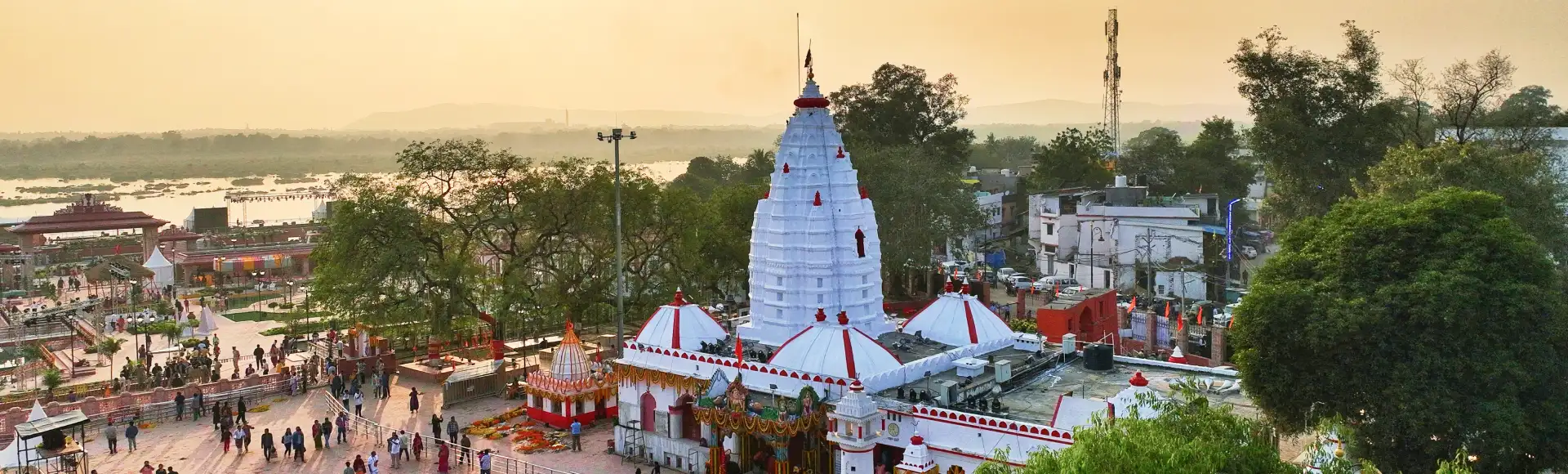
Sambalpur, Bargarh and Bolangir districts host prominent Nuakhai observances with community events and cultural programs. Visiting villages during the festival offers an authentic experience of agrarian ritual and hospitality.

Visitor guide

  • Getting there: road and rail connections to Sambalpur and district towns.
  • Where to stay: district hotels and simple guesthouses.
  • What to wear and pack: modest, festive clothing; comfortable shoes for village visits.
  • Etiquette: accept invitations respectfully, follow hosts’ lead during offerings.
  • Safety and comfort: plan transport ahead as local roads become busy; join community events through local guides where possible.

Today and tomorrow

Nuakhai remains central to western Odisha’s cultural calendar, anchoring rural identity and seasonal agriculture. Efforts to document folk forms and connect younger generations to traditions help sustain the festival.

Nearby

Places to see around the festival