Ghumoopedia — Explore, Discover, Experience
Sign in

Religious · Maharashtra

Pandharpur Wari

Alandi and Dehu to Pandharpur

Dates

Last verified 17 November 2026. Confirmed: announced by organisers or government. Provisional: from a published almanac, not yet announced. Seasonal: no date announced.

The complete guide

Pandharpur Wari: everything to know before you go

When
June–July (Ashadhi Ekadashi)
Where
Pilgrimage route to Pandharpur (Solapur district); notable departure points Alandi and Dehu
Main event
Foot-pilgrimage and palkhi (palanquin) procession honoring Lord Vithoba (Vitthal)
Typical duration
Several weeks for pilgrims, main events on Ekadashi

Overview

The Pandharpur Wari is a mass pilgrimage in which thousands of Varkaris (devotees) walk long distances to the Vithoba temple in Pandharpur. It is one of Maharashtra’s most important devotional movements, characterized by communal singing of abhangs (devotional poetry) and strict traditions of togetherness and service.
Origins and legend

The Wari tradition has roots in the Bhakti movement and the teachings of Marathi saint-poets such as Dnyaneshwar, Tukaram and Namdev. The palkhi tradition—carrying the paduka (holy sandals) of saints—symbolizes the saints’ continuing presence among devotees and their guidance on the path of devotion.

How it is celebrated

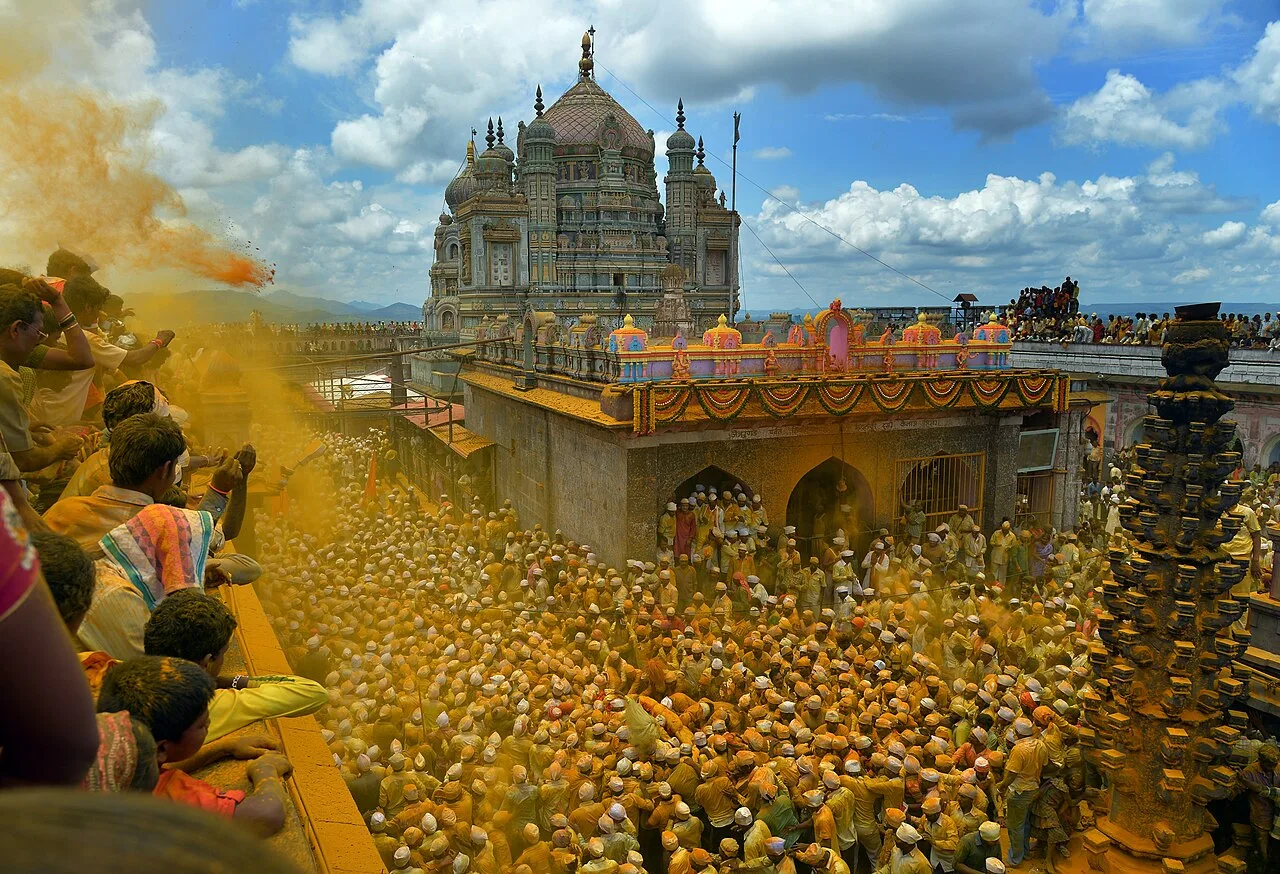
Groups of pilgrims (palkhis) assemble in villages and towns and proceed on foot to Pandharpur, singing abhangs, performing kirtan and observing communal practices like shared meals and shelter. The palkhi bearing saints’ padukas is warmly received at Pandharpur with ritual worship and a mass darshan at Vithoba’s temple on Ekadashi.

Food and flavours

Pilgrims subsist on simple food—rotis, bhakri, vegetables, dal and fruits—provided by volunteers and local communities. Annadan (food distribution) is a central practice; nearby towns set up community kitchens that serve thousands daily.

Music, dance, art and dress

The Wari is defined by abhangs and kirtans led by qawwali-like call-and-response and simple instruments (ektara, mridangam). Devotees wear plain traditional clothing—white dhotis and turbans or simple saris—emphasizing humility. Folk arts and devotional singing are the core cultural expressions.

Where to experience it

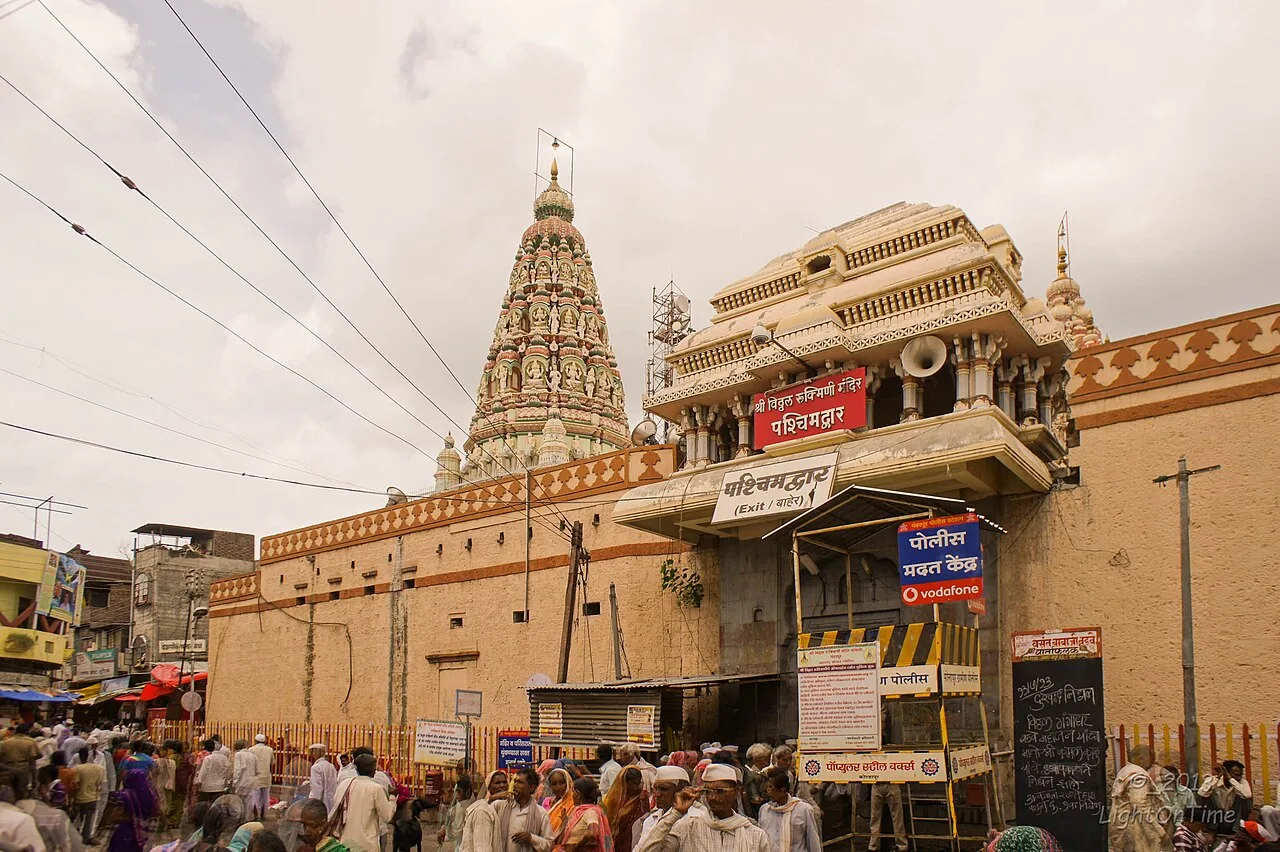
Experience the pilgrimage route by joining segments of the Wari in villages between Alandi/Dehu and Pandharpur, or observe the arrival day in Pandharpur where crowds gather for darshan on Ekadashi.

Visitor guide

If you plan to observe, respect the devotional atmosphere: dress modestly, avoid loud non-devotional behavior and follow local coordinators if joining a palkhi. Long-distance participation requires physical preparation; many visitors instead join short stretches or attend the Pandharpur arrival events.

Today and tomorrow

The Wari remains a living tradition with growing participation; modern logistics (medical aid, water supply) have improved pilgrim safety. Challenges include crowd management and maintaining the pilgrimage’s devotional ethos amid increasing tourism interest.

Nearby

Places to see around the festival