
Ghumoopedia — Explore, Discover, Experience
Sign in

Religious · Telangana

Muharram / Peerla Panduga

Hyderabad and villages across Telangana

Dates

Last verified 17 November 2026. Confirmed: announced by organisers or government. Provisional: from a published almanac, not yet announced. Seasonal: no date announced.

The complete guide

Muharram / Peerla Panduga: everything to know before you go

Also known as
Peerla Panduga, Telangana Muharram, Ashura, Peerla Chaviti
State & Districts
Telangana (Hyderabad Old City, Nizamabad, Karimnagar, Warangal, Khammam)
When
1st to 10th Day of Muharram (Islamic Lunar Calendar)
Duration
10 Days (Culminating on the 10th Day - Ashura)
Faith & Community
Islamic (Shia & Sunni) & Hindu Rural Participation (Shared Inter-Faith Heritage)
Type
Commemorative Festival, Inter-Faith Cultural Tradition, Processional Fair
Entry
Free; Public street processions and neighborhood Ashurkhanas
Best for
Bibi ka Alam procession on elephant, rural Peerla installation, fire-walking (Agni Gundam), Matam

Overview

Muharram, known locally across rural and urban Telangana as 'Peerla Panduga' (the Festival of Saints' Standards), is a deeply moving 10-day commemorative festival observed across the state. While rooted in the Islamic month of Muharram to mourn the martyrdom of Imam Hussain (grandson of Prophet Muhammad) at the Battle of Karbala, in Telangana the festival has evolved into an extraordinary model of inter-faith harmony. In hundreds of villages across Telangana, Hindu communities actively install, worship, and carry the 'Alams' or 'Peerlu'—decorative brass, copper, or wooden hand-shaped standards representing the martyrs of Karbala. In Hyderabad Old City, the festival features the solemn historic 'Bibi ka Alam' procession, where a sacred relic containing a piece of the wooden plank used for washing Bibi Fatima (Prophet's daughter) is carried atop a grandly caparisoned elephant through historic streets lined with mourning devotees.
Origins and legend

The historical origin of Muharram commemoration in Telangana dates back over 400 years to the Qutb Shahi dynasty of Golconda (1518–1687 CE). The Qutb Shahi rulers, being devout Shia Muslims, constructed grand architectural mourning halls known as 'Ashurkhanas' across Hyderabad, including the famous Badshahi Ashurkhana built by Sultan Muhammad Quli Qutb Shah in 1594 CE. The sultans encouraged universal participation, inviting Hindu ministers, village Chieftains, and common folk to join the solemn remembrance.

In rural Telangana, Hindu agrarian communities embraced the martyrs of Karbala into their local spiritual cosmos, referring to the Alams affectionally as 'Peerlu' (Saints). Rural lore views the Peerlu as benevolent protector spirits who safeguard village crops, livestock, and children from illness. The fusion of Islamic mourning poetry (Marsiya) with Telangana folk rhythms created a unique oral tradition of 'Peerla Paatalu' (folk songs singing the valor of Imam Hussain).

How it is celebrated

The festival unfolds over ten days in both urban Ashurkhanas and village Peerla Chavitis:

• 1. Installation of Peerlu (5th Day): Brass and wooden standards adorned with flowers, silk cloths, and coconut offerings are installed in neighborhood Ashurkhanas and village squares.

• 2. Night Processions & Fire Walking (8th–9th Days): Young men leap across glowing ember pits ('Agni Gundam' or Fire Pits) shouting 'Ya Hussain', symbolizing the scorching heat of Karbala desert.

• 3. The 10th Day (Ashura / Bibi ka Alam): In Hyderabad, the sacred Bibi ka Alam standard is mounted on a decorated elephant, leading a solemn procession from Dabirpura Ashurkhana to Chaderghat. Mourners practice self-flagellation (Matam) and distribute free sherbet and water.

• 4. Immersion of Peerlu: On the evening of Ashura, rural villagers carry the Peerlu standards in joyful-solemn processions to local lakes or rivers for ceremonial dip and immersion.

The Cultural Days

• Day 5 to 9: Nightly gatherings at Ashurkhanas, chanting Marsiyas, fire-pit walking, and distribution of sweetened water.

• Day 10 (Ashura): Grand city procession of Bibi ka Alam in Hyderabad Old City and village Peerla Nimajjanam (immersion) across rural districts.

The Pilgrimage Days

Thousands gather at the Badshahi Ashurkhana near Charminar and the Bibi ka Alawa in Dabirpura. In rural districts like Karimnagar, Warangal, and Nizamabad, entire Hindu and Muslim village populations walk together in village processions.

Food and flavours

A signature culinary drink served continuously during Muharram is 'Doodh ka Sharbat'—sweetened milk flavored with cardamom, rose water, and crushed almonds. Devotees also prepare 'Dhalia' (sweet cracked wheat porridge) and offer malida (sweetened flatbread crumbs) at Ashurkhanas.

Music, dance, art and dress

The visual hallmark of Peerla Panduga is the 'Alam'—intricately crafted metallic hand standards representing the five holy family members (Panjetan-e-Pak). Mourners wear black or green attire. In rural areas, youth perform rhythmically synchronized stick-dances (Kolatam) around the Peerlu.

Where to experience it

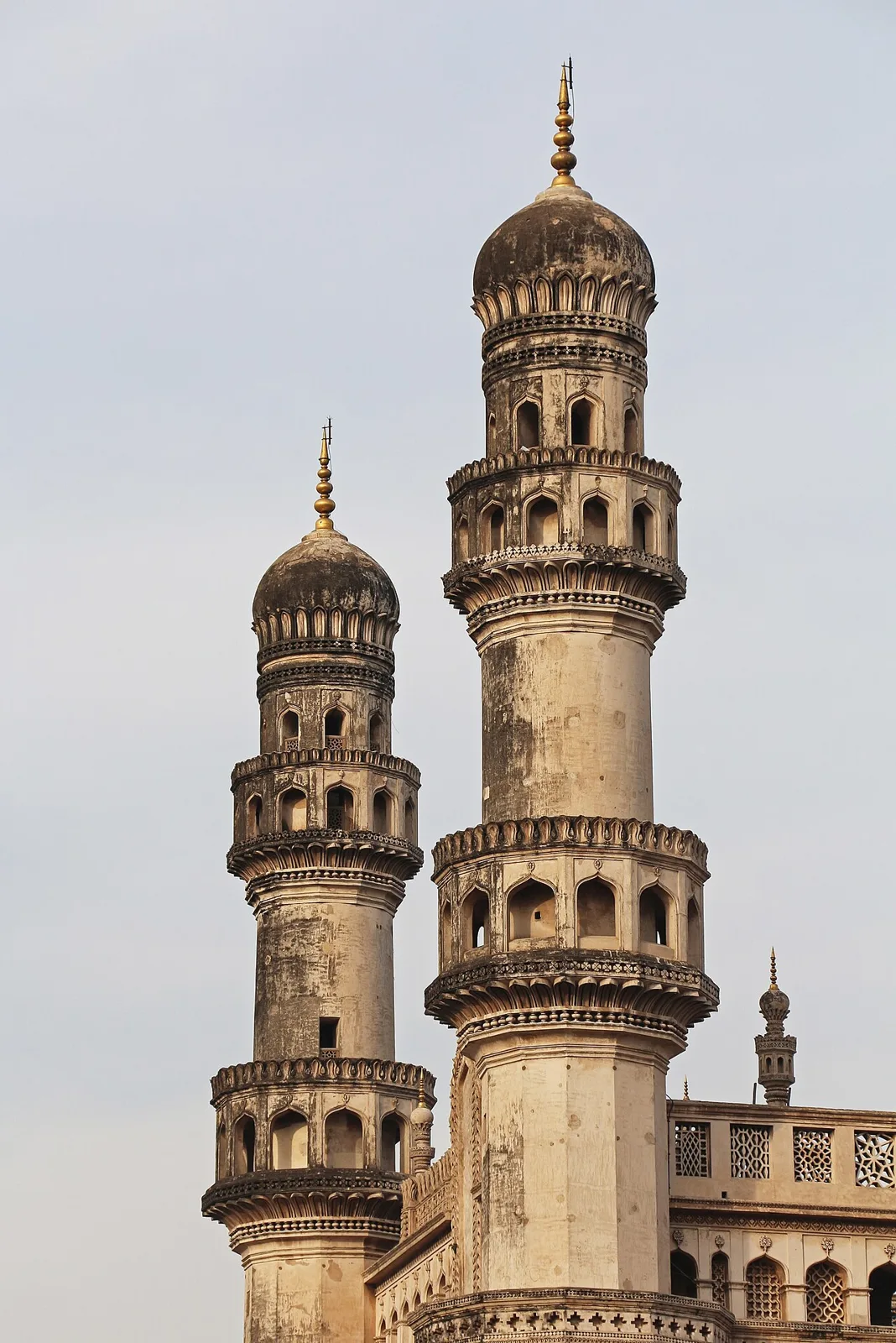
In Hyderabad, visit the Badshahi Ashurkhana near Charminar and witness the Bibi ka Alam elephant procession along the Dabirpura–Chaderghat route on the 10th day of Muharram. For rural inter-faith celebrations, visit villages in Karimnagar or Warangal districts.

Visitor guide

  • Getting There: Hyderabad Old City is easily reached via MGBS Bus Station and Malakpet Metro Station.
  • Where to Stay: Stay in Central Hyderabad (Abids, Nampally) for easy access to Old City Ashurkhanas.
  • What to Wear & Pack: Wear dark-colored (black or navy), modest clothing out of respect for the solemn nature of the mourning festival.
  • Etiquette: Maintain solemn demeanor during mourning processions; seek permission before photographing Matam rituals.
  • Safety & Comfort: Old City streets are extremely congested during Ashura day; travel on foot or use public metro transport.

Today and tomorrow

The Badshahi Ashurkhana and historic Qutb Shahi Ashurkhanas have undergone major restoration by the Telangana State Heritage Department and Aga Khan Trust for Culture, preserving their exquisite Persian enamel tile work and securing their place in global cultural heritage tourism.

Nearby

Places to see around the festival