Ghumoopedia — Explore, Discover, Experience
Sign in

Cultural · Delhi

Phool Walon Ki Sair

Mehrauli, South Delhi

Dates

Last verified 17 November 2026. Confirmed: announced by organisers or government. Provisional: from a published almanac, not yet announced. Seasonal: no date announced.

The complete guide

Phool Walon Ki Sair: everything to know before you go

Also known as
Phool Walon Ki Sair; Sair-e-Gulfaroshan; the Festival of Flower-Sellers
State and district
Delhi (Union Territory); Mehrauli, South Delhi district
When
September–October, after the monsoon, with dates set by the organising committee each year
Duration
About 3 days (traditionally a week)
Faith and community
Hindu and Muslim; shared by communities of Mehrauli and across Delhi
Type
Syncretic flower-offering festival
Entry
Free
Best for
Floral processions, qawwali, folk performances, a rare example of shared Hindu–Muslim devotion, Mehrauli's monuments

Overview

Phool Walon Ki Sair, the procession of the flower-sellers, is one of Delhi's most distinctive festivals and a rare example of a public celebration jointly observed by Hindus and Muslims. Held in Mehrauli, the old part of South Delhi that surrounds the Qutub Minar, it centres on the offering of floral chadars and decorated floral fans (pankhas) at two nearby shrines: the dargah of the Sufi saint Khwaja Qutbuddin Bakhtiyar Kaki and the Yogmaya Temple. The festival takes place in the weeks after the monsoon, when the air is fresh and flowers are in season. Processions of flower-sellers, musicians and devotees wind through the lanes of Mehrauli, followed by qawwali, folk music, dance and sports in the evening. The festival is also a reminder of the layered history of Delhi, where Mughal courtly traditions, Sufi devotion and Hindu worship have long lived side by side. Many see it as a symbol of the city's composite culture.
Origins and legend

The festival dates to the early nineteenth century, in the later Mughal period. According to the traditional account, the Mughal emperor Akbar Shah II had a son, Mirza Jahangir, who was exiled by the British to Allahabad around 1812 after an incident involving the British Resident. The prince's mother, Mumtaz Mahal, vowed that if her son were released and allowed to return, she would offer a chadar of flowers at the dargah of Khwaja Qutbuddin Bakhtiyar Kaki, the Sufi saint whose tomb lies in Mehrauli. When the prince returned, she fulfilled her promise, and the offering was made with great ceremony.

Tradition adds that the Hindu community, who revered the Yogmaya Temple in Mehrauli, a shrine to the goddess Yogmaya, also offered flowers at their temple, and that the emperor invited both communities to join. From then on, an annual procession of flower-sellers carried floral fans and garlands to both shrines, and the celebration became a regular part of Delhi's calendar. The festival faded during the late colonial period and was stopped for some years, but it was revived after Independence, in the early 1960s, with the support of national leaders and cultural organisations, as a symbol of communal harmony. Details of the origin vary between accounts, but the idea of a shared offering remains the heart of the festival.

How it is celebrated

The festival begins with a procession of flower-sellers, musicians and local residents, carrying decorated floral fans (pankhas) and a floral chadar through the lanes of Mehrauli. The procession first goes to the dargah of Khwaja Bakhtiyar Kaki, where the chadar is offered at the tomb with prayers and qawwali, and then to the Yogmaya Temple, where flowers and the pankhas are offered to the goddess. In the following days, cultural programmes, music and poetry are held in the open and in the grounds of nearby monuments. Stalls selling flowers, sweets and crafts line the lanes, and wrestling bouts (dangal) and kite flying have been part of the tradition. Organisers include local committees, with the support of Delhi's cultural bodies and tourism department. In the evening, the neighbourhood is lit up, and people of all faiths come to enjoy the fair.

The cultural days

The cultural days of Phool Walon Ki Sair are filled with music and performance. Qawwali groups sing in the courtyards of the dargah and on the festival stages, and folk artists from Delhi, Haryana, Rajasthan and Uttar Pradesh perform dances and songs. Shehnai players, in the old courtly tradition, accompany the processions, and cultural programmes include Kathak dance, Sufi music and poetry recitals (mushaira). Local craftspeople display flower arrangements, decorated pankhas and handicrafts, and children can take part in games and competitions. In some years, the Mehrauli Archaeological Park and the lanes near the Qutub Minar host evening events, with the monuments lit in the background. The mood is festive but also reflective, since the event celebrates harmony between communities, and many speakers and performers speak about the need to keep that tradition alive.

The devotional days

The festival's devotional core is the double offering at the two shrines. At the dargah of Khwaja Bakhtiyar Kaki, one of the early Chishti Sufi saints of Delhi, devotees offer a floral chadar and flowers, recite prayers (fatiha) and listen to qawwali. The saint, a disciple of Khwaja Moinuddin Chishti, is revered by Muslims and by many Hindus and Sikhs. At the Yogmaya Temple, an old temple dedicated to Yogmaya, a sister of Krishna in local tradition and one of the oldest temples in Delhi, devotees offer flowers and a floral fan to the goddess and perform aarti. The two shrines lie close to each other in Mehrauli, and many people visit both during the festival. The sense of shared devotion, with processions from one holy place to another, makes the festival distinctive.

Food and flavours

Food during the festival reflects the mix of traditions in Mehrauli. Near the dargah, stalls and eateries serve Mughlai dishes such as biryani, korma, nihari, seekh kebab and shami kebab, with sheermal and rumali roti. Sweet items include phirni, firni, shahi tukda, jalebi and zarda (sweet rice). Near the Yogmaya Temple, you may find vegetarian snacks such as aloo tikki, kachori, chaat and halwa, and the offerings of prasad include laddoo, batasha and puri. In the lanes, vendors sell kulfi, falooda, lassi and cold drinks, and roasted corn and sugarcane juice are common in the warm weather. Many families share meals with neighbours and friends. Because the festival brings together people of different faiths, many visitors take the chance to try food from both traditions. Those with dietary restrictions should ask about ingredients, and it is best to choose busy stalls for freshness.

Music, dance, art and dress

The music of the festival is rooted in Sufi and folk traditions. Qawwali is performed with harmonium, dholak and hand-clapping, in the courtyards of the dargah and on stage, and its repeating refrains draw listeners into a trance-like mood. Shehnai and dhol accompany the processions, and Haryanvi and Rajasthani folk groups perform their own songs and dances. Classical dance, such as Kathak, which has Mughal courtly roots, is sometimes performed in the evening.

The art of the festival is flowers. The decorated pankhas, made of flowers, leaves and coloured paper, are carried in procession, and the chadar for the dargah is woven with roses, marigolds and jasmine. Dress is simple and festive: men often wear kurta pyjama or sherwani with caps, and women wear salwar kameez or sarees with dupattas. Many visitors cover their heads at the shrines. The sight of flower-sellers in their traditional dress, with baskets of blooms, is part of the charm.

Where to experience it

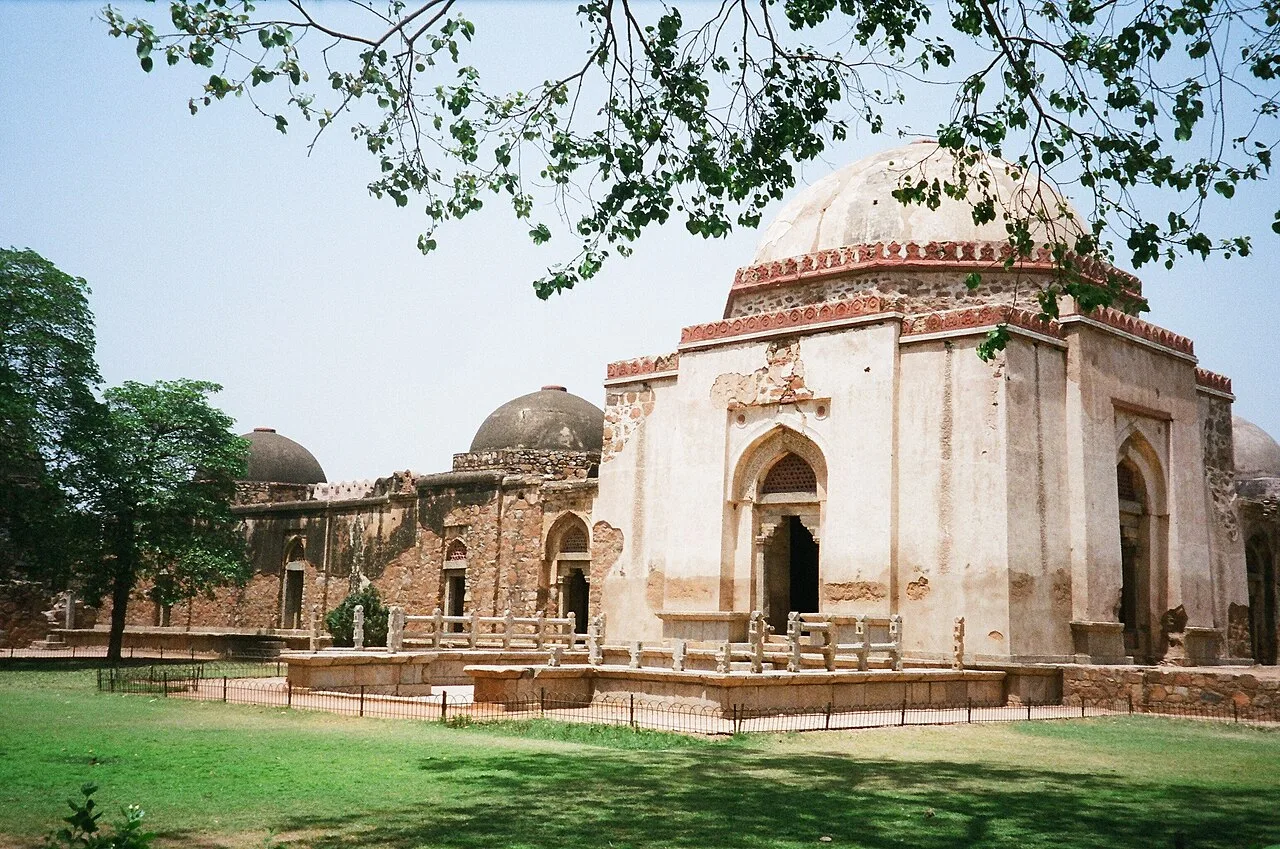
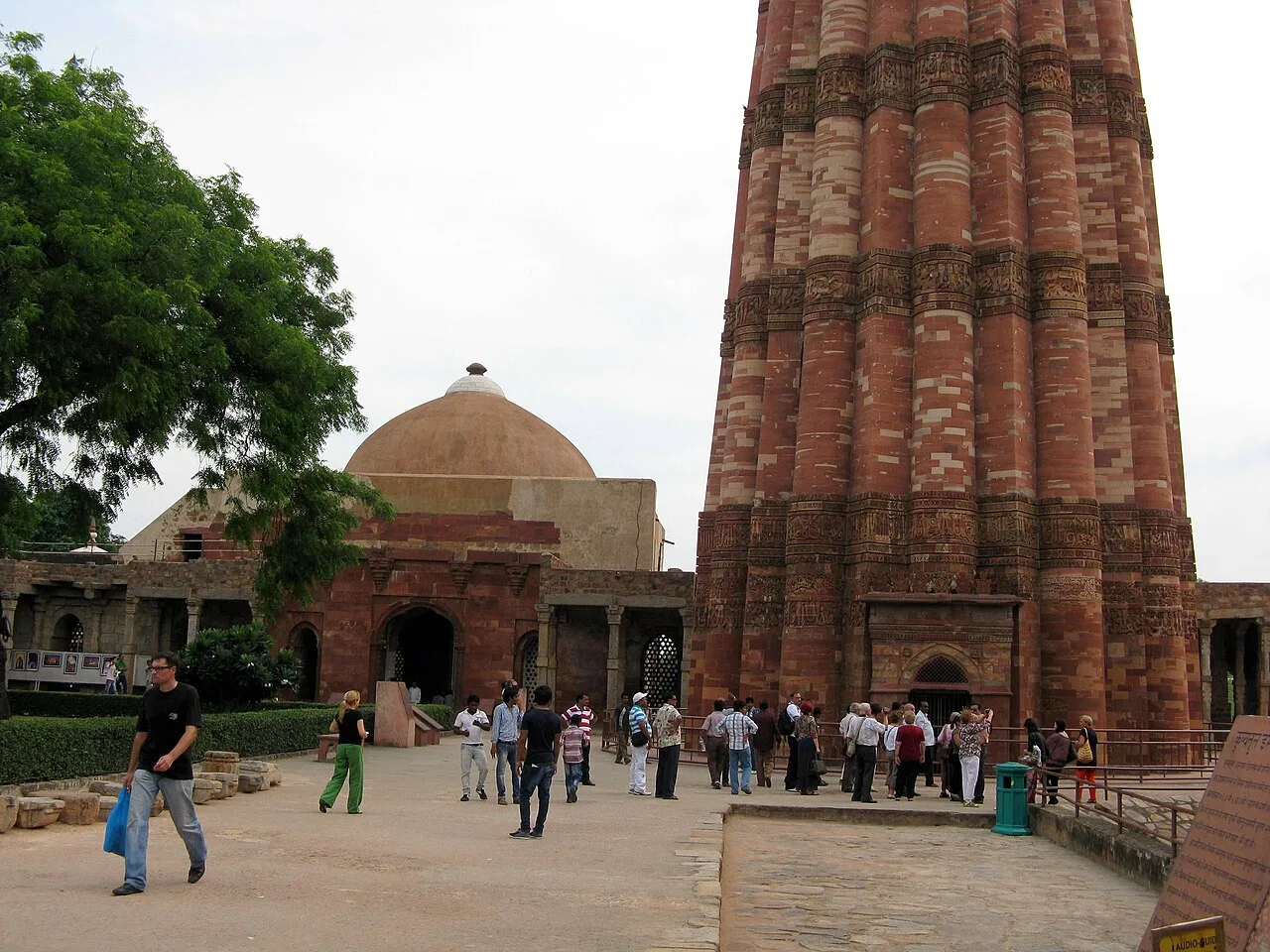
The festival is centred in Mehrauli, in South Delhi, close to the Qutub Minar. The key sites are the dargah of Khwaja Qutbuddin Bakhtiyar Kaki and the Yogmaya Temple, both in the old village of Mehrauli, a short walk from each other. Nearby, Mehrauli Archaeological Park contains over seventy monuments, including the Jamali Kamali mosque and tomb, Balban's tomb and the stepwells of Rajon ki Baoli and Gandhak ki Baoli. The Zafar Mahal, a late Mughal summer palace, contains the graves of later Mughal rulers and is close to the dargah. The Qutub Minar complex, a UNESCO World Heritage Site, is a short distance away. Mehrauli's old bazaar has shops selling flowers, sweets, crafts and antiques, and the Hauz Khas Village and Garden of Five Senses are within a short drive.

Visitor guide

  • Getting there. Mehrauli is in South Delhi, about 15 km from Connaught Place. The nearest Metro station is Qutab Minar on the Yellow Line, and from there autos and e-rickshaws run to the dargah and temple. Taxis and buses are available, though lanes are narrow and busy during the festival.
  • Where to stay. Hotels and guest houses are available around Saket, Hauz Khas, Mehrauli and Connaught Place, and the area is easily reached from anywhere in Delhi.
  • What to wear and pack. September and October days are warm and humid, evenings are pleasant. Wear light, modest clothes that cover shoulders and knees, bring a scarf or cap to cover your head at the shrines, and carry water and sunscreen.
  • Etiquette. Remove shoes before entering the dargah and temple, cover your head at the dargah, and dress modestly. Do not touch the chadar or the offerings unless invited, and ask before photographing people at prayer.
  • Safety and comfort. Lanes are narrow and crowded during the processions, so keep valuables secure and watch children. Check the dates and schedule in advance, as they can change.

Today and tomorrow

Phool Walon Ki Sair has survived disruption and revival, and it remains one of Delhi's most meaningful festivals. The organisers include local committees, state agencies and cultural bodies, and in recent years the festival has received more attention from the public and the media. The challenges are to keep it rooted in the community of Mehrauli, to keep the tradition of shared devotion alive at a time of social tension, and to protect the neighbourhood's heritage from overcrowding. Many see the festival as a model of how faiths can share a public celebration in a modern city, and young people have begun to take part more actively.

Nearby

Places to see around the festival