Ghumoopedia — Explore, Discover, Experience
Sign in

Cultural · Haryana

Pinjore Heritage Festival

Yadavindra (Pinjore) Gardens, Panchkula

Dates

Last verified 17 November 2026. Confirmed: announced by organisers or government. Provisional: from a published almanac, not yet announced. Seasonal: no date announced.

The complete guide

Pinjore Heritage Festival: everything to know before you go

Also known as
Pinjore Heritage Festival; Pinjore Gardens Festival; Yadavindra Gardens Heritage Festival
State and district
Haryana; Panchkula district (Pinjore Gardens, about 22 km from Chandigarh)
When
Typically in winter, with the dates set by Haryana Tourism each year
Duration
Usually 2–3 days, though the format has varied
Faith and community
Secular; open to all
Type
Heritage, music and culture festival
Entry
Usually ticketed or included in garden entry; fees vary
Best for
A Mughal garden setting, classical and folk performances, heritage walks, crafts, a winter day out from Chandigarh

Overview

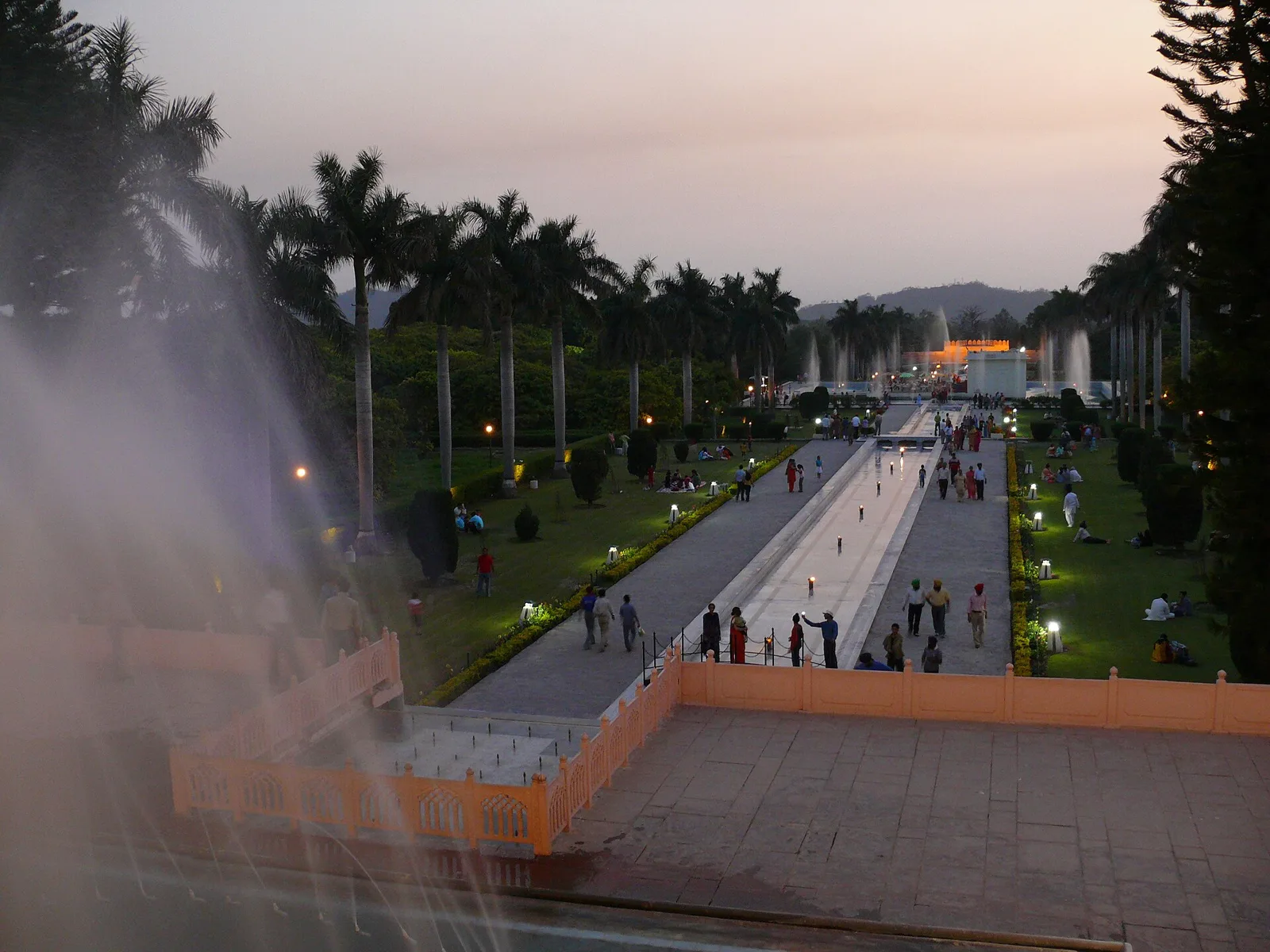
The Pinjore Heritage Festival is a winter celebration of music, dance, crafts and history, held in the terraced Mughal gardens of Pinjore at the foot of the Shivalik hills. The gardens, laid out in the seventeenth century and later restored by the rulers of Patiala, provide a setting of fountains, water channels, stone pavilions and mango and cypress trees, and the festival uses it as a stage. Evenings are filled with classical music and dance, folk performances and lights, while by day visitors can browse craft stalls, walk through the gardens on guided heritage tours and try regional food. The festival is organised by Haryana Tourism with local partners, and it aims to bring attention to the state's heritage and to draw visitors from Chandigarh, Panchkula, Shimla and Delhi. It is smaller and calmer than the state's big pilgrimage fairs, and is best enjoyed as a relaxed cultural outing in the winter sun, with the gardens as the main attraction.
Origins and legend

The festival's setting has a long history. The area around Pinjore is linked in local tradition to the Mahabharata, in which the Pandavas are said to have stayed here during their exile. The old name of the place, Panchpura, is said to recall this stay, and over time it changed into Pinjore. The remains of the Bhima Devi temples, dating from around the tenth century, lie nearby, and carved stone sculptures from the site are preserved in a small museum in the gardens. These remains show that the area was an important religious and cultural site long before the Mughal period.

The gardens themselves are attributed to Nawab Fidai Khan, a Mughal noble and foster brother of the emperor Aurangzeb, in the seventeenth century. They follow the Mughal charbagh plan, with terraces, water channels and fountains, and include structures such as the Sheesh Mahal, Rang Mahal, Jal Mahal and Hawa Mahal. Over time, the gardens fell into neglect, and later they came into the hands of the Maharaja of Patiala, Yadavindra Singh, who restored them in the twentieth century. They are now known as the Yadavindra Gardens. The heritage festival is a modern initiative of the state, created to celebrate this layered history and to promote cultural tourism. Its programme changes from year to year, but its theme is always the heritage of Haryana.

How it is celebrated

The festival begins with an inauguration, often in the evening, with a lamp-lighting ceremony and a short cultural performance. Over the following days, activities are spread across the gardens. In the morning and afternoon, there are heritage walks led by guides who explain the history of the gardens, the palaces and the Bhima Devi remains, as well as craft stalls, exhibitions and food stalls. Children's activities and photography contests are held in some years. In the evening, the gardens are lit up and stages host music and dance performances, which draw large audiences. Some editions have featured special events such as vintage car displays, which suit the old-world setting. On the final day, there is a closing performance, and visitors linger in the lit gardens after the programme ends. The festival is generally relaxed and family-friendly.

The cultural days

The cultural programme of the Pinjore Heritage Festival offers a mix of styles. On the main stage, Hindustani classical vocalists and instrumentalists perform, and dancers present Kathak and other classical styles, often with the terraces and fountains as a backdrop. Folk artists from Haryana, Punjab and Himachal Pradesh present ragini, saang, ghoomar, bhangra and Pahari dances, and sometimes Sufi and qawwali groups perform in the evening. Poetry gatherings (mushaira) and storytelling sessions are also part of some editions. During the day, craftspeople from across Haryana show items such as khes weaving, terracotta, brassware, wooden toys and phulkari embroidery, and visitors can try some of the crafts themselves. Art exhibitions, photography displays and heritage quizzes add variety. Because the gardens are large, a visitor can easily split the day between quiet walks and lively performances.

The heritage days

Pinjore is not a pilgrimage festival, so this section describes the heritage experience at its centre. The gardens are built on seven terraces rising towards the hills, and visitors walk from the entrance gate, past the Sheesh Mahal and its mirror work, to the Rang Mahal and the Jal Mahal, a pavilion over water with fountains. Along the central axis run channels and pools lined with mango, cypress and fruit trees. Guided tours explain the Mughal garden design, the water engineering that powered the fountains, and the later additions by the Patiala rulers. The Bhima Devi temple remains, a short distance away, show early medieval stone carving. A small museum in the gardens displays sculptures, and a mini zoo and a Japanese garden attract families. Walking tours at dawn or dusk give a quieter sense of the place.

Food and flavours

Food at the festival includes Haryanvi specialities and North Indian favourites. Stalls serve bajra khichdi with ghee, kadhi pakora, churma, mooli paratha with white butter and a tall glass of lassi, along with makki di roti and sarson da saag in the winter. Punjabi and Himachali dishes are close at hand, such as chole bhature, rajma chawal, siddu and madra. Chaat stalls sell golgappe, aloo tikki and papdi chaat, and sweets include gajar halwa, jalebi, gajak and rewri in the cold months. Hot tea, coffee and soup are popular in the evenings, and roasted peanuts and corn are sold at the gates. Some editions include a food court of regional cuisines from across India, and the gardens' cafes serve snacks. The mango trees, for which Pinjore is known, bear fruit in summer, so in winter look for products such as pickles and aam papad at the craft stalls.

Music, dance, art and dress

The soundscape of the festival changes from afternoon to night. By day, the music is light and folk-based, with the dhol, dholak and algoza accompanying Haryanvi and Pahari songs. In the evening, classical performers use the sitar, sarod, tabla, harmonium and bansuri flute, and singers perform khayal and thumri. Qawwali groups, with their harmonium and hand-clapping, can bring the audience to its feet. The sound of the fountains and the night air add to the mood.

The gardens are themselves an art form, with their terraces, water channels, painted ceilings and mirror work. Dress at the festival is relaxed, but many visitors wear traditional clothes. Haryanvi performers wear the damman, kurti and odhni for women and kurta, dhoti and pagri for men, and classical dancers appear in elaborate costumes. Craft stalls display embroidered shawls, woollens, terracotta and wooden items, and the lights of the evening show the stonework and water to good effect.

Where to experience it

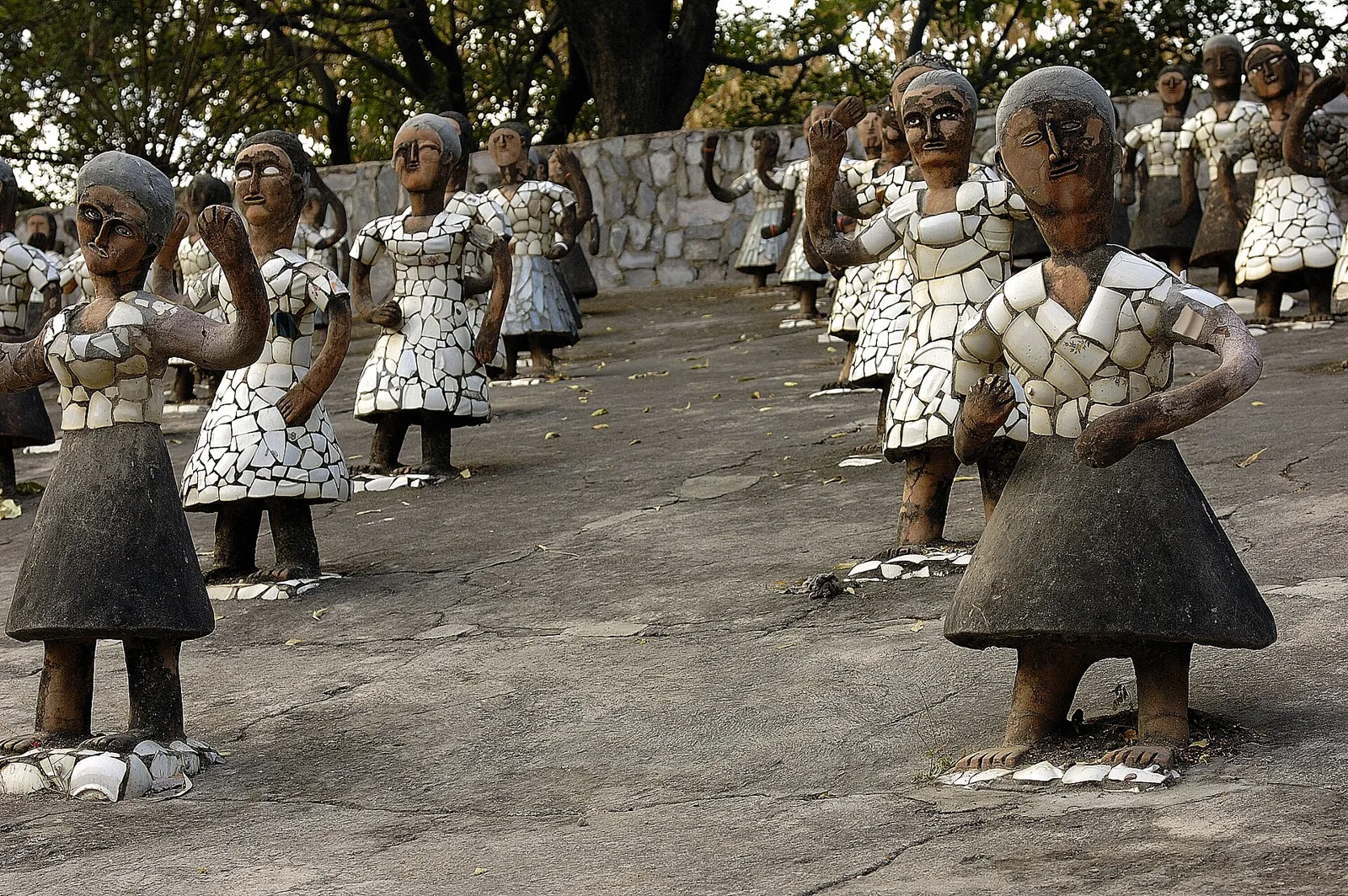
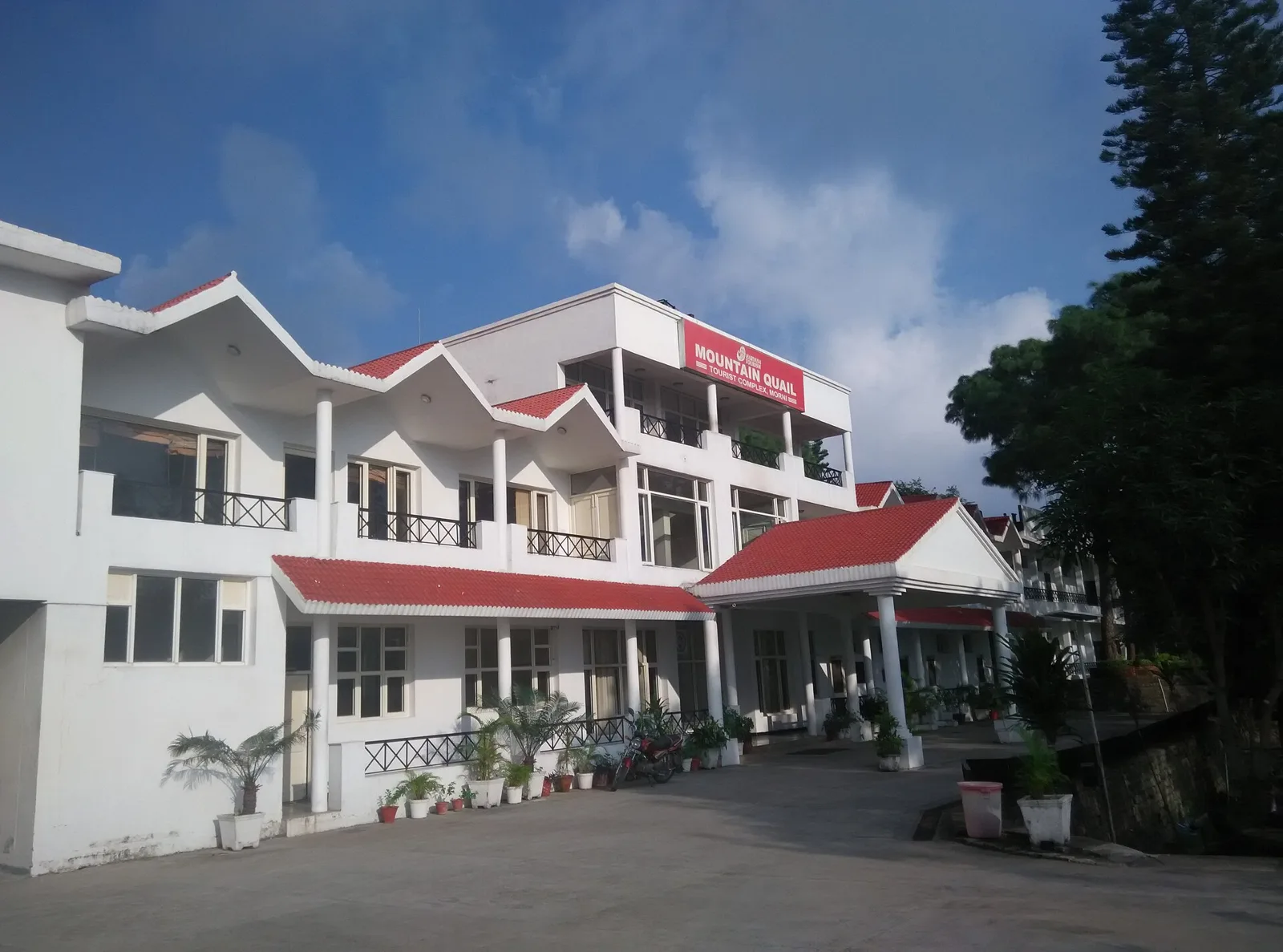
The festival is held in the Pinjore Gardens (Yadavindra Gardens), a short distance from the Chandigarh–Shimla highway at Pinjore, in Panchkula district. The gardens have seven terraces, with the main entrance at the lowest level and the performances usually held on the lower terraces and in the open areas. Nearby, the Bhima Devi temple remains and the small museum in the gardens are worth a visit, and the Pinjore Heritage and Cultural Complex has an open-air theatre. Panchkula and Chandigarh are within easy reach, with attractions such as the Rock Garden, Sukhna Lake, the Capitol Complex and the Mata Mansa Devi temple. Kalka, a few kilometres away, is the starting point of the narrow-gauge Kalka–Shimla railway, a UNESCO World Heritage Site. Morni Hills, in Panchkula district, offer walks and views for those who want a break from the festival.

Visitor guide

  • Getting there. Pinjore is about 22 km from Chandigarh and about 8 km from Kalka, on the Chandigarh–Shimla highway. Chandigarh has the nearest major airport, and Kalka and Chandigarh are the nearest railheads. Taxis and buses are easy to find.
  • Where to stay. Most visitors stay in Chandigarh, Panchkula or Mohali, where there are hotels at all price levels. Haryana Tourism also runs a lodging near the gardens, and heritage-style stays are available in the area.
  • What to wear and pack. Winter evenings can be cold, with fog. Wear warm layers, bring a shawl or jacket, and comfortable shoes for walking on terraces. A camera is useful for the lit gardens.
  • Etiquette. Keep the gardens clean, do not climb on the monuments or pick plants, and follow the guidelines for photography and drones. Respect performers by keeping quiet during shows.
  • Safety and comfort. Terraces and steps can be slippery in the evenings, so watch your step. Keep an eye on children near the water channels, and check the programme and ticket details in advance, as schedules change.

Today and tomorrow

The Pinjore Heritage Festival is part of a wider effort to promote cultural tourism in Haryana and to bring attention to the state's heritage beyond its major pilgrimage sites. Its schedule and format have changed over the years, so it is wise to check for current information. The main challenges are consistency, publicity and the need to protect the gardens from damage by large crowds. If it is well managed, the festival can help to sustain the upkeep of the gardens and support local craftspeople and performers, while giving visitors a deeper appreciation of the region's layered history.

Nearby

Places to see around the festival