
Ghumoopedia — Explore, Discover, Experience
Sign in

Religious · Bihar

Pitrapaksha Mela

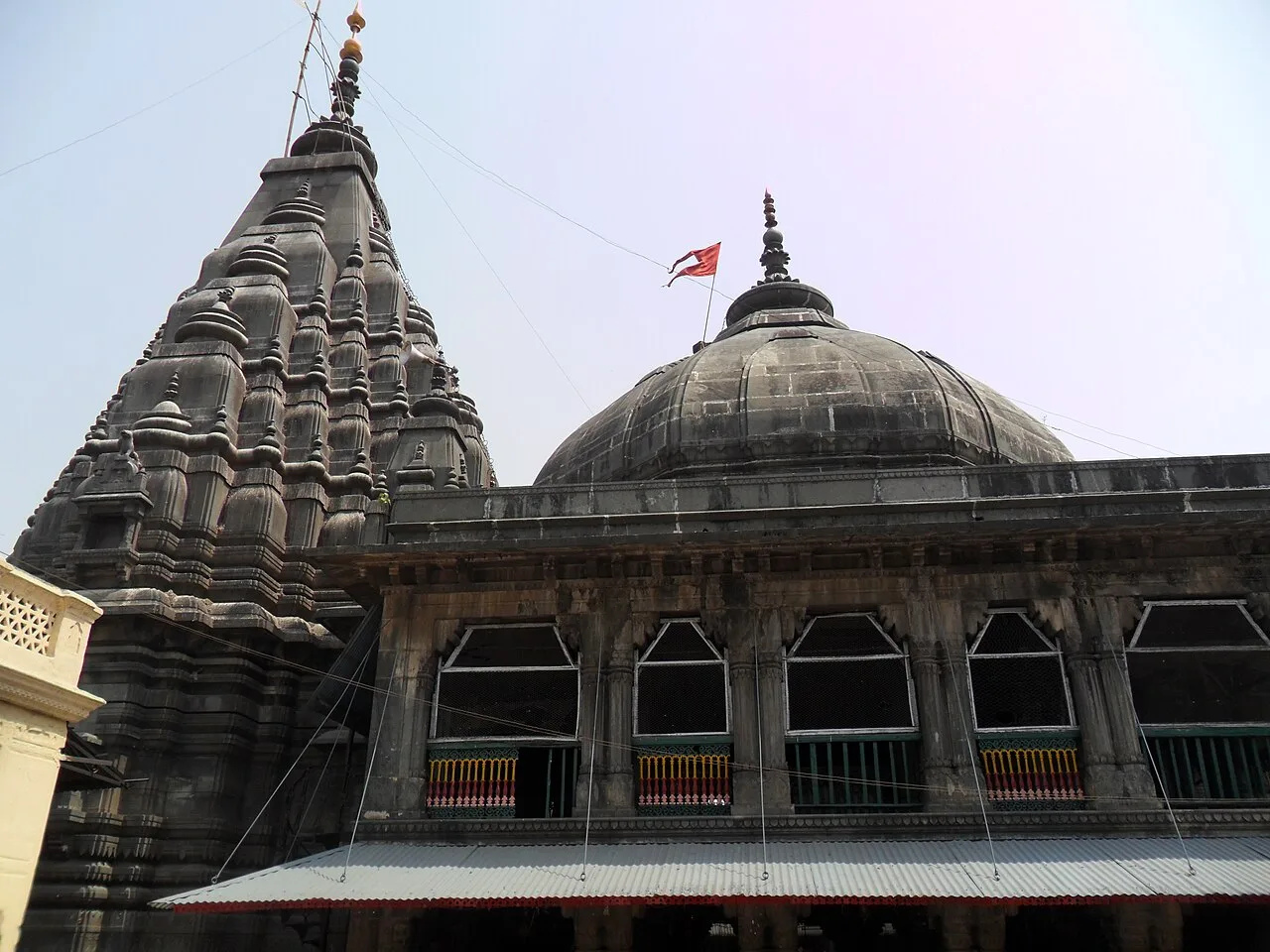
Vishnupad Temple and the Falgu river, Gaya

Dates

Last verified 17 November 2026. Confirmed: announced by organisers or government. Provisional: from a published almanac, not yet announced. Seasonal: no date announced.

The complete guide

Pitrapaksha Mela: everything to know before you go

Fact item
Details
**Also known as**
Pitrapaksha Mela, Shraddha Mela
**State and district**
Gaya district
**When**
September (Pitrapaksha/Anashtami fortnight of the lunar calendar)
**Duration**
Approximately 16 lunar days (the Pitrapaksha/Paran fortnight)
**Faith and community**
Hindu ritual observance for ancestors; attendees from across India
**Type**
Pilgrimage and ritual observance (shraddha and pind-daan rites)
**Entry**
Free; temple services and priests may charge customary fees for rites
**Best for**
Understanding ancestral rites, witnessing pind-daan ceremonies, experiencing pilgrimage logistics

Overview

Pitrapaksha Mela in Gaya centers on pind-daan rites—offerings made for the peace and welfare of departed ancestors—performed on the banks of the Falgu River and within the Vishnupad and other Gaya temples. Families converge to engage priests who perform precise Vedic rites; the rites are believed to relieve ancestral souls and secure blessings for the living. The mela’s atmosphere is solemn and ritualized compared with more festive fairs. Pilgrims arrive with offerings, food packets and ritual paraphernalia; priests and pilgrim service providers set up temporary service counters. The scale is considerable—Gaya receives tens of thousands during peak days, including many devotees from southern India who traditionally perform ancestral rites at Gaya. The city’s infrastructure—guesthouses, ritual ghats, and priestly networks—is oriented to serve these pilgrims during the fortnight.
Origins and legend

Gaya’s association with ancestral rites traces back to Puranic narratives and epics, where performing pind-daan in Gaya is specially meritorious. One influential legend holds that the bodiless souls of ancestors attain peace when pind-daan is performed at specific sacred spots in Gaya; the Vishnu footprint (Vishnupad) shrine and the Falgu river ghats are central. The epic Ramayana and later Puranic literature recount kings and sages performing shraddha in Gaya to honor their forebears, creating a continuous ritual geography that draws pilgrims over centuries. The ritual’s prescribed details—specific mantras, offerings and priestly procedures—are derived from Smriti texts and regional Vedic traditions. Over time, Gaya evolved as a ritual service center where specialized pandits and ritual assistants developed expertise in performing pind-daan for diverse linguistic communities, leading to an institutionalized pilgrimage economy that persists today.

How it is celebrated

Pilgrims arrive with ritual kits and perform pind-daan under priest guidance. Offerings—rice balls, sesame, water and cooked food—are prepared and presented while priests recite mantras. The ritual often culminates in feeding Brahmins and distributing charity. The pace is structured and solemn; crowds move between ghats and temple precincts, following priestly instructions and scheduled time slots.

Although primarily a ritual event, the mela includes auxiliary activities: discourses by theologians, small-scale devotional music sessions, and stalls selling ritual paraphernalia and prasads. Pilgrim interaction zones host communal meals and exchanges of ritual knowledge across linguistic groups, making the mela a meeting point for diverse Hindu communities.

Food and flavours

Food at Gaya during Pitrapaksha is pragmatic—pilgrim kitchens prepare simple rice-thali meals, khichdi, sweets like laddoo used in offerings, and boiled ingredients for ritual use. Many families bring prepared offerings; local restaurants and guesthouse kitchens cater to dietary preferences across the Indian subcontinent, including South Indian styles for southern pilgrims who come in large numbers. Pilgrim langars (free kitchens run by volunteer groups) often operate near major ghats and temple premises, providing hot meals to devotees irrespective of background. For visitors, sampling local litti-chokha remains an option between rituals, while tea stalls and snack vendors offer quick refreshments.

Music, dance, art and dress

The mela’s aesthetic is devotional rather than performative. Devotional bhajans and temple chants provide sonic backdrop; musicians often play harmonium and tabla during temple discourses. Dress is conservative—many pilgrims wear white or simple attire appropriate for mourning and ritual reverence; southern pilgrims often wear veshti/dhoti and angavastram. Visual culture centers on temple iconography, ritual implements and printed manuals explaining shraddha procedures, rather than folk theatre or dance. Photographers and ethnographers find rich material in the interplay of regional dress styles and the layered priest-patron interactions.

Where to experience it

The Vishnupad temple precinct, Falgu river ghats, and the designated ritual ghats are the principal sites. Arrive early for scheduled priest slots; local pandit associations and temple offices arrange times and processions. For a broader understanding, visit the pilgrim lanes where ritual vendors and service providers congregate.

Visitor guide

  • Getting there: Gaya is well connected by rail and has an airport with limited connections; Patna is the nearest large airport with wider connections and onward rail/road links.
  • Where to stay: Gaya has pilgrim lodges, dharamshalas and mid-range hotels; book in advance during Pitrapaksha.
  • What to wear and pack: Modest, comfortable clothing; carry portable footwear and a light shawl for early mornings. If you intend to observe rituals closely, follow local guidance on clean clothing and unornamented dress.
  • Etiquette: Respect the solemnity—ask before photographing private rites, follow priest instructions, and avoid disruptive behavior during mantras.
  • Safety and comfort: The mela is crowded and movement between ghats may be slow; keep personal documents secured and stay hydrated.

Today and tomorrow

Gaya’s ritual economy persists robustly, with increased organization by temple trusts to manage crowds and offer standardized priest services. Digital booking and clearer pricing for pind-daan services are slowly being introduced to reduce confusion and enhance pilgrim experience.

  • Is it free? Access to ghats and viewing is free, though priest services and specific rites involve customary fees.
  • Is it only about? While centered on ancestral rites, the mela also supports a network of pilgrim services and devotional learning.
  • Best day to visit? Any scheduled pind-daan day; early mornings are best to observe rites.
  • See also: Temples and pilgrimage circuits in Gaya and Bodh Gaya.

Batch 1 includes Chhath Puja, Sonepur Fair and Pitrapaksha Mela. For Batch 2 and Batch 3 (Buddha Purnima; Sama-Chakeva and Madhushravani; Rajgir Mahotsav, Vaishali Mahotsav and Shravani Mela), request the next document and I will prepare them in the same detailed format.

Nearby

Places to see around the festival