
Ghumoopedia — Explore, Discover, Experience
Sign in

Kumbh & Pilgrimage · Uttar Pradesh

Kumbh and Magh Mela

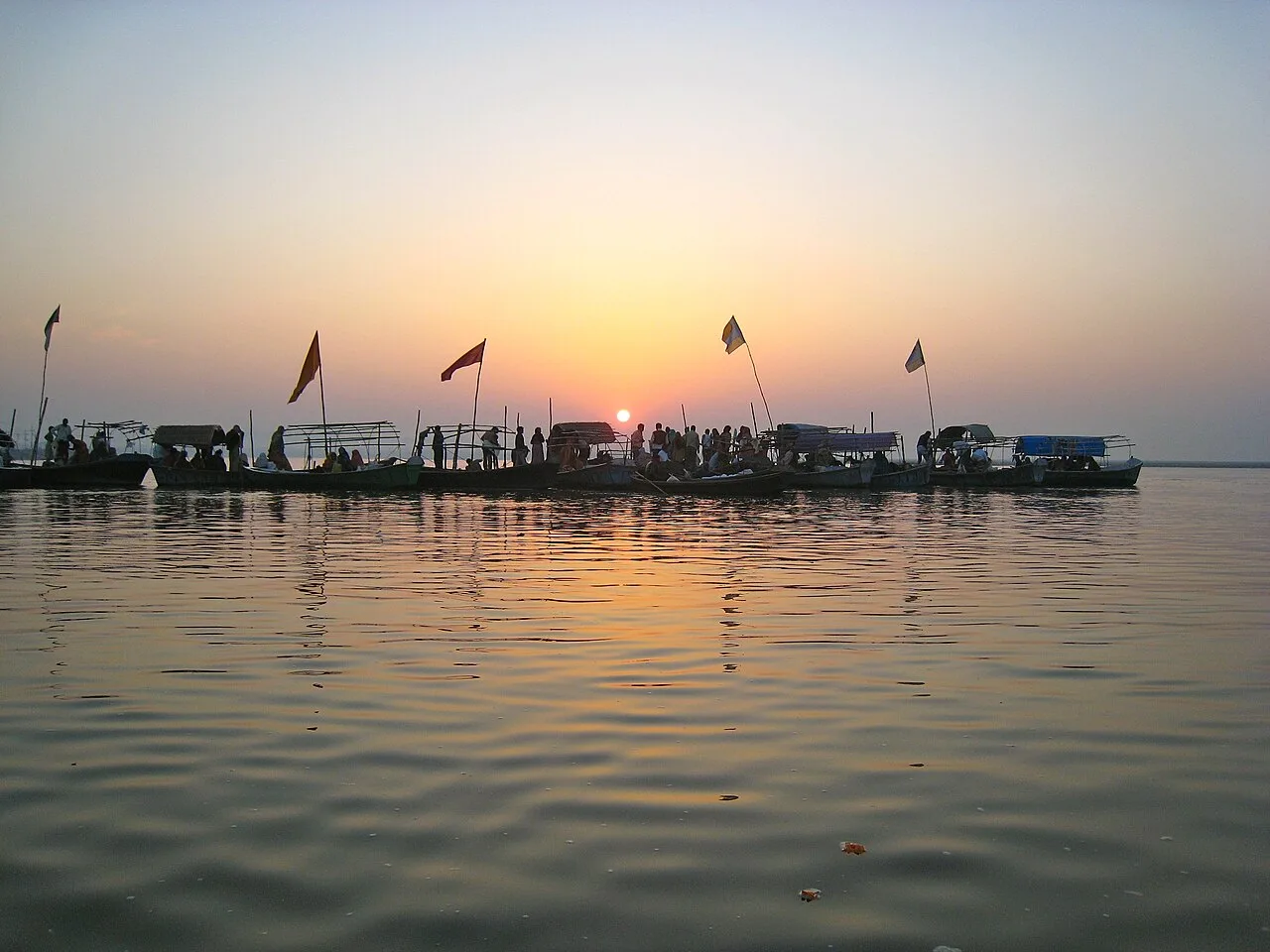
Triveni Sangam, Prayagraj

Dates

Last verified 17 November 2026. Confirmed: announced by organisers or government. Provisional: from a published almanac, not yet announced. Seasonal: no date announced.

The complete guide

Kumbh and Magh Mela: everything to know before you go

Also known as
Prayagraj Kumbh Mela, Ardh Kumbh, Magh Mela, Sangam Snan
State & District
Uttar Pradesh, Prayagraj District (Triveni Sangam)
When
January–February (Magha month); Magh Mela annually, Ardh Kumbh every 6 yrs, Purna Kumbh every 12 yrs, Maha Kumbh every 144 yrs
Duration
45 to 50 Days (from Paush Purnima to Maha Shivaratri)
Faith & Community
Hinduism (Sanatana Dharma, All 13 Akhadas, Sadhus, Kalpavasis & Global Pilgrims)
Type
World's Largest Religious Pilgrimage & Sacred Riverine Confluence Fair
Entry
Free open access to Sangam ghats and tent city grounds
Best for
Shahi Snan (Royal Baths), Akhada Processions, Kalpavasa Vow, Triveni Sangam Dip & Tent City Immersion

Overview

The Kumbh Mela and annual Magh Mela at Prayagraj (formerly Allahabad) in Uttar Pradesh represent the largest peaceful gathering of humanity on earth. Held at the sacred Triveni Sangam—the confluence of the holy rivers Ganges, Yamuna, and the mythical invisible Saraswati—this monumental festival brings together tens of millions of pilgrims, ascetics, sadhus from 13 ancient Akhadas, and international seekers. While the Magh Mela is celebrated every year during the Hindu month of Magha, the grand Ardh Kumbh takes place every 6 years, the Purna Kumbh every 12 years, and the celestial Maha Kumbh once every 144 years (12 Purna Kumbh cycles). Inscribed on the UNESCO Representative List of Intangible Cultural Heritage of Humanity, Prayagraj Kumbh is an unparalleled spiritual, cultural, and human spectacle.

The sheer magnitude of the Prayagraj Kumbh Mela transforms the vast floodplains into a temporary metropolis spanning over 3,200 hectares. Divided into dozens of organized sectors, the temporary city features its own police force, hospitals, street lighting, water supply, pontoon bridges, and sanitation systems, serving up to 50 million pilgrims on peak bathing days.
Origins and legend

The mythological origin of Kumbh Mela is rooted in the ancient Puranic legend of *Samudra Manthan* (the Churning of the Cosmic Ocean). When the divine nectar of immortality (*Amrita*) emerged in a golden pot (*Kumbha*), a fierce 12-day battle ensued between the Devas (gods) and Asuras (demons). As Lord Vishnu's carrier Garuda flew away with the pitcher to protect it, four drops of Amrita spilled onto four sacred earthly sites: Prayagraj (Triveni Sangam), Haridwar (Ganges), Ujjain (Shipra), and Nashik (Godavari). Because one divine day equals 12 human years, the Kumbh Mela rotates across these four holy locations every 12 years. Prayagraj is hailed as *Tirtharaj* (the King of Sacred Pilgrimages), where bathing in the nectar-infused Sangam during specific planetary alignments bestows liberation from the cycle of rebirth.

Historically, eighth-century philosopher Adi Shankaracharya formalized the assembly of ascetics at the Kumbh Mela to strengthen Sanatana Dharma. He organized sadhus into 13 distinct Akhadas (militant monastic orders), establishing a structured hierarchy for ritual bathing and philosophical debates that persists to this day.

How it is celebrated

The festival transforms the vast sandy floodplains of the Triveni Sangam into a temporary mega-city of canvas tents, pontoon bridges, illuminated roads, and spiritual camps (*Nagar*). The central ritual is the holy dip (*Sangam Snan*) on key bathing dates including Makar Sankranti, Paush Purnima, Mauni Amavasya (the most sacred day), Vasant Panchami, Maghi Purnima, and Maha Shivaratri. Millions plunge into the cold waters at dawn, offering prayers to the sun god and river deities. A defining spectacle is the Shahi Snan (Royal Bathing Processions), where saintly orders—including Naga Sadhus with ash-smeared bodies and matted locks, Udasins, Bairagis, and Nirmalas—march to the river with brass trumpets, decorated elephants, silver chariots, and flashing swords.

The Cultural Days

Beyond ritual bathing, Kumbh Mela is an extraordinary university of spiritual philosophy and Indian performing arts. Hundreds of ashram tents host non-stop *Satsangs*, Ramlila and Krishnalila folk plays, classical music concerts, and philosophical debates between different schools of thought. Visitors can walk through the camps of various Akhadas to witness ancient yogic practices, martial arts demonstrations (*Gatka*), and discourses on Vedic wisdom.

The Pilgrimage Days

A special pilgrimage discipline practiced during Kumbh and Magh Mela is Kalpavasa. Hundreds of thousands of devout pilgrims called *Kalpavasis* live in temporary straw huts along the riverbank for an entire month, adhering to strict vows: sleeping on the ground, eating only one simple self-cooked Sattvic meal a day, bathing thrice daily in the Sangam, and spending all hours in prayer, meditation, and charity. Mauni Amavasya marks the most critical pilgrimage day, when complete silence (*Mauna*) is maintained during the morning bath.

Food and flavours

Food distribution at Kumbh Mela is on an astronomical scale. Free community kitchens (*Langar* and *Annakshetra*) operated by Akhadas and charitable trusts feed millions of pilgrims daily with hot meals of *Puri-Sabzi*, *Khichdi*, *Dal-Chawal*, and *Halwa*. Street stalls in the Mela grounds serve traditional Uttar Pradesh winter delicacies like hot *Jalebi-Rabri*, *Allahabadi Gujiya*, *Kachori-Aloo*, and kulhad chai.

Music, dance, art and dress

The sensory environment of Prayagraj Kumbh is unmatched. Nights feature millions of twinkling lights across dozens of pontoon bridges over the dark waters of Yamuna and Ganges. The soundscape combines the echoing chants of *Har Har Gange*, the blare of conch shells, devotional bhajans broadcast over loudspeakers, and the rhythmic drumming of Akhada processions. Attire ranges from the ash-covered minimalist renunciation of Naga Babas to the colorful dhotis, saris, and heavy winter woolens of rural Indian pilgrims.

Where to experience it

The festival takes place at Triveni Sangam, Prayagraj, Uttar Pradesh. Prime viewing areas include the Sector 1–6 riverbank ghats, the temporary pontoon bridges, and the high banks near Prayagraj Fort and Akshayavat.

Visitor guide

  • • Getting there: Prayagraj Airport (IXD) has direct flights to major cities. Prayagraj Junction (PRYJ) is a super-hub railway station. Special Mela shuttle buses operate continuously.• Where to stay: Luxury glamping tent cities, government tourist huts, ashram dormitories, and budget hotels in Prayagraj city.• What to wear & pack: Warm thermal layers and heavy woolens for cold January nights, waterproof footwear, personal ID, and power banks.• Etiquette: Respect sadhus and ascetics; always ask for permission before taking close-up photographs. Maintain extreme patience in massive crowds.• Safety & comfort: Follow designated one-way pedestrian routes across pontoon bridges. Note emergency lost-and-found centers (*Bhooli Bhatki Shivir*) and medical posts.

Today and tomorrow

The Prayagraj Kumbh Mela has become a global marvel of crowd management, sanitation, and smart infrastructure, utilizing AI-driven crowd monitoring, eco-friendly bio-toilets, solar lighting, and state-of-the-art Command Control Centers, making it a blueprint for temporary mega-cities worldwide.

Nearby

Places to see around the festival