
Ghumoopedia — Explore, Discover, Experience
Sign in

Cultural · Bihar

Rajgir Mahotsav

Rajgir, Nalanda district

Dates

Last verified 17 November 2026. Confirmed: announced by organisers or government. Provisional: from a published almanac, not yet announced. Seasonal: no date announced.

The complete guide

Rajgir Mahotsav: everything to know before you go

Also known as
Rajgir Festival
Where
Bihar — Nalanda district
When
Winter (dates vary; typically December)
Duration
2–4 days, city-wide events
Who takes part
Cultural and historical; attracts tourists, artists and pilgrims
Type
Music, dance, theatre, craft bazaars and cultural performances
Entry
Mostly free or nominal ticketed events
Best for
Heritage tourism, classical music and folk performances, cultural photography

Overview

Rajgir Mahotsav is an annual winter cultural festival staged against the dramatic backdrop of Rajgir's hills, hot springs and archaeological sites. The festival brings together classical musicians, folk ensembles, theatre troupes and artisans to celebrate the region's long history as a meeting point of Buddhist, Jain and Hindu traditions. Over a few days the town transforms into a lively cultural arena: open-air stages in the foothills host evening performances of music and dance, daytime events include heritage walks and craft bazaars, and supplementary talks and exhibitions explore Rajgir's archaeological and spiritual legacy. The Mahotsav is timed to the cooler months so visitors can comfortably explore outdoor venues and the ancient ruins that give the festival its distinctive setting.
Origins and legend

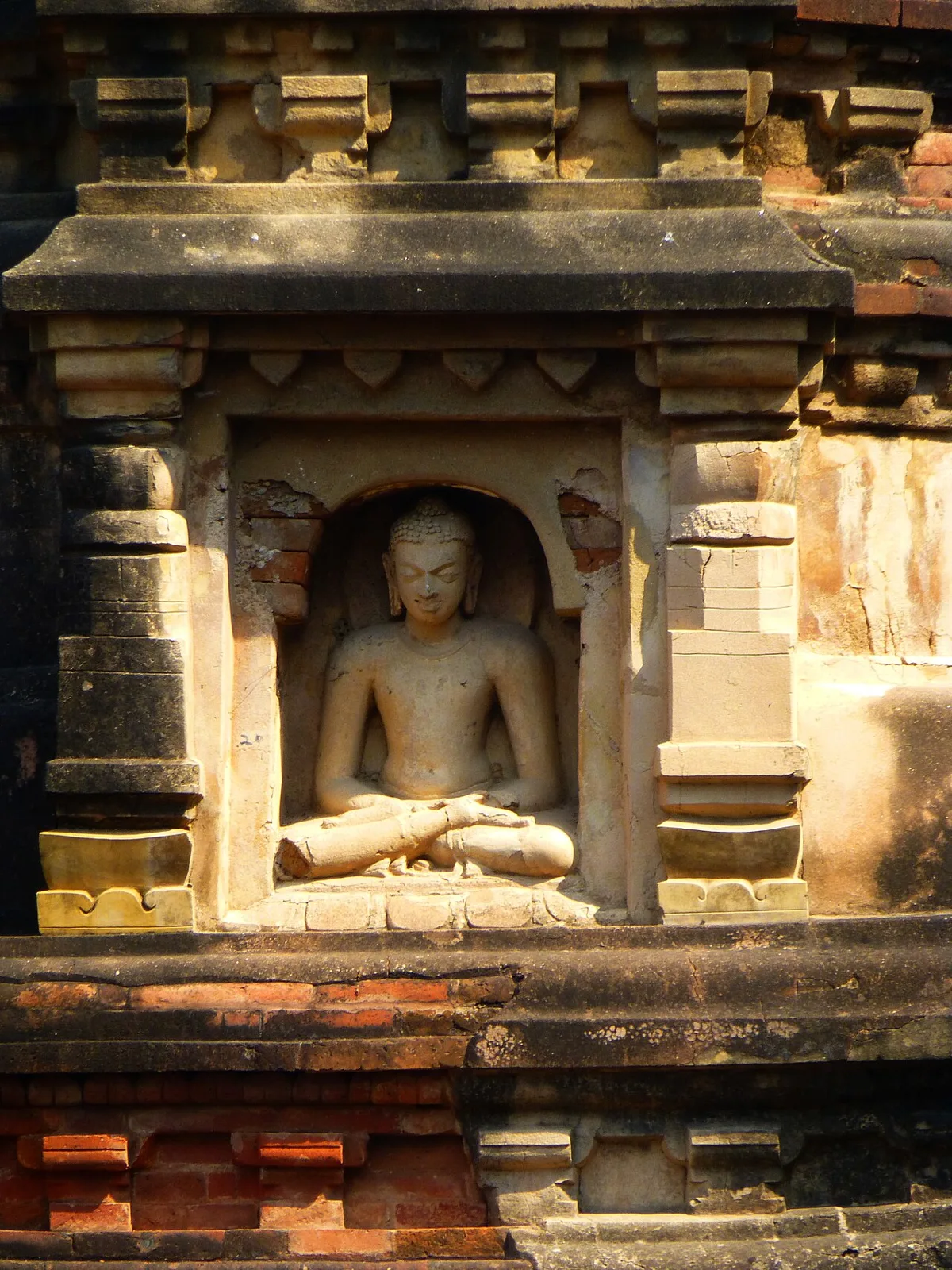
Rajgir's cultural significance reaches back to antiquity. The town figures prominently in Buddhist and Jain chronicles: it was a favourite seat of the Magadha kings and a retreat for the Buddha and Mahavira. The modern Rajgir Mahotsav was created to showcase this layered heritage while reviving local arts. Organisers model the festival as a bridge between past and present, deliberately programming classical Hindustani recitals alongside folk traditions from Bihar's villages. Over the decades the Mahotsav has expanded from a small local event into a regional attraction, with its narrative always returning to Rajgir's identity as a spiritual and cultural crossroads.

How it is celebrated

The Mahotsav runs multiple performances each evening on temporary stages placed near heritage sites. Audiences arrive after sunset for classical vocal and instrumental concerts, while daytime activities include puppet shows, folk dance demonstrations and craft stalls. Local hotels and guesthouses often host informal sessions and artist interactions. The festival schedule commonly includes a blend of invitational headline acts and community ensembles, ensuring both star power and authentic grassroots representation.

The cultural days

Cultural days focus on curated concerts and dance recitals: Hindustani vocal and instrumental recitals (sitar, sarod, harmonium), kathak and folk dance troupes from Bihar and neighbouring states. Organisers commission short theatre pieces or folk reinterpretations of historical Rajgir episodes, and heritage experts present illustrated talks on archaeology and conservation. Craftspeople demonstrate pottery, weaving and Madhubani-influenced painting techniques, often with stalls selling directly to visitors.

The pilgrimage days

Although primarily cultural, the festival coincides with visits by pilgrims who come to nearby Buddhist and Jain sites — Griddhakuta (Vulture's Peak), the ancient stupas and numerous temple complexes. Pilgrimage-focused tours and guided walks are offered, combining ritual visits with interpretive sessions that explain the site's religious importance and archaeological layers.

Food and flavours

Food stalls and local eateries serve traditional Bihari dishes and festival-friendly snacks: litti-chokha, sattu-based items, seasonal sweets such as tilkut and khaja, and hot chai to fend off winter chill. Street vendors offer warm fried snacks and local breads, while some event partners set up pop-up restaurants showcasing regional ingredients. Visitors often appreciate the chance to pair performances with full-course traditional meals at nearby homestays and small hotels.

Music, dance, art and dress

The Mahotsav's program foregrounds Hindustani classical music and local folk forms. Expect vocal recitals in khayal and thumri, instrumental sets, kathak performances and regional dances such as jat-jatin or paiki. Artisans display textile and block-print work; contemporary photographers and painters sometimes mount exhibitions inspired by Rajgir's ruins. Attendees typically dress comfortably for winter evenings; many wear smart-casual attire for concerts and warm traditional shawls for outdoor events.

Where to experience it

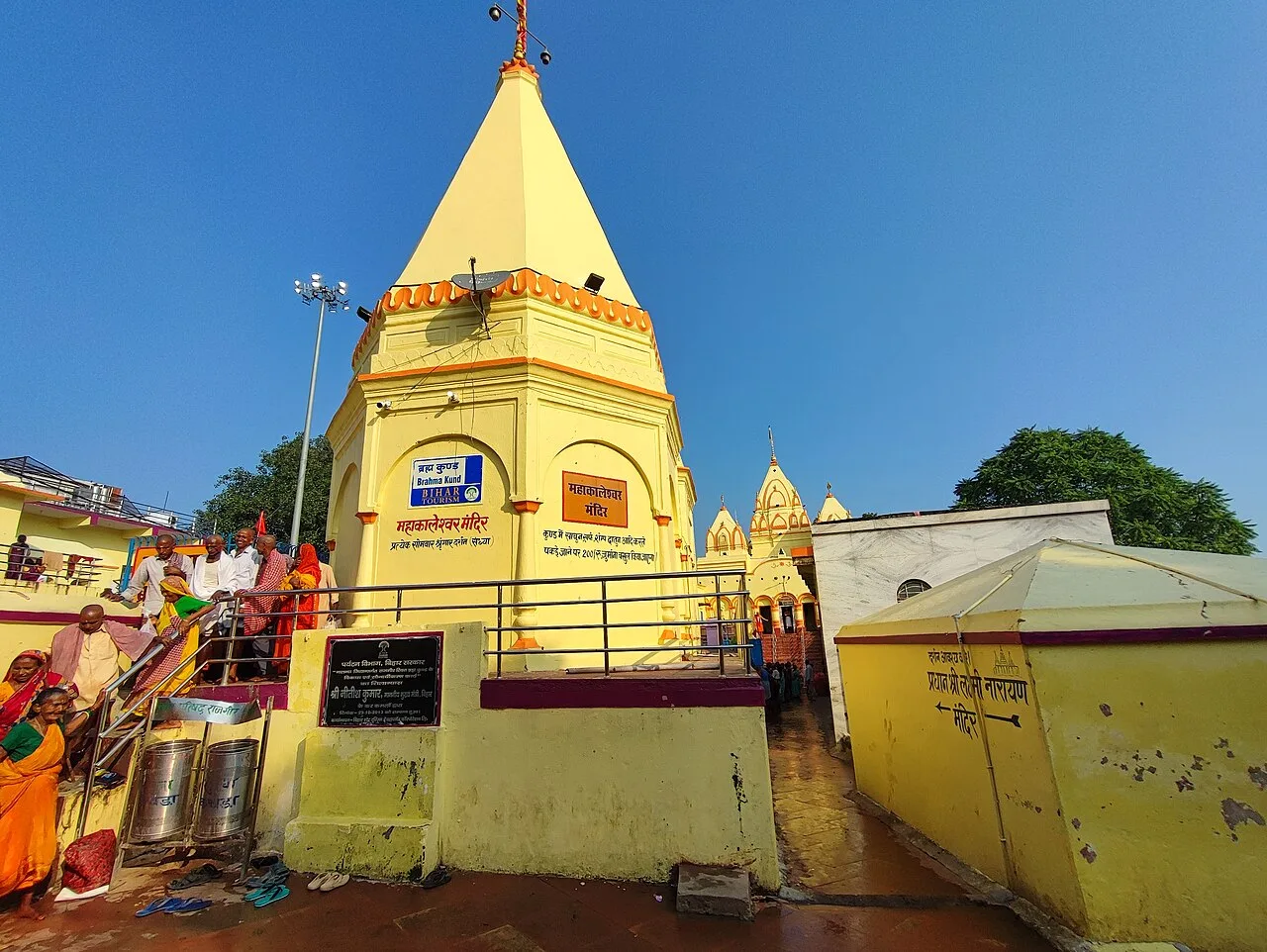
Main venues cluster near the Rajgir town centre and at viewpoints that frame the surrounding hills. Key settings include open-air stages near ancient ruins, municipal grounds and specially prepared auditoria in hotels or the local circuit house. Daytime heritage walks take visitors to Griddhakuta, Jain temples and the hot springs area.

Visitor guide

  • Getting there: Rajgir is accessible by road from Patna (approx. 100 km) and Gaya (approx. 70 km). The nearest railhead is Rajgir station with limited services; for more frequent trains use Nalanda or Gaya and take a short taxi ride.
  • Where to stay: Small hotels and guesthouses in Rajgir and Nalanda; limited luxury options. Book early for festival dates.
  • What to wear and pack: Warm layers for evening concerts, comfortable shoes for walking, and a light rain jacket if forecasts indicate showers.
  • Etiquette: Respect heritage sites, follow signage around ruins, and seek permission before photographing ritual activities.
  • Safety and comfort: Carry water, use sunscreen for daytime outings, and allow extra travel time between dispersed venues.

Today and tomorrow

Rajgir Mahotsav continues to evolve, balancing classical programming with initiatives to promote local crafts and responsible tourism. Future directions emphasise sustainable visitor numbers, improved interpretive signage at archaeological sites and deeper community involvement so that local artisans and guides benefit directly from festival tourism.

Nearby

Places to see around the festival