Overview
The Ramlila of Ramnagar, performed across the Ganges River from main Varanasi at Ramnagar Fort and its surrounding village, is widely recognized as the world's most authentic, scale-unmatched, and historically preserved theatrical tradition. Inscribed on the UNESCO Representative List of the Intangible Cultural Heritage of Humanity in 2008, this extraordinary performance spans 31 consecutive days during autumn, transforming an entire 6-square-kilometer town into an open-air environmental stage.
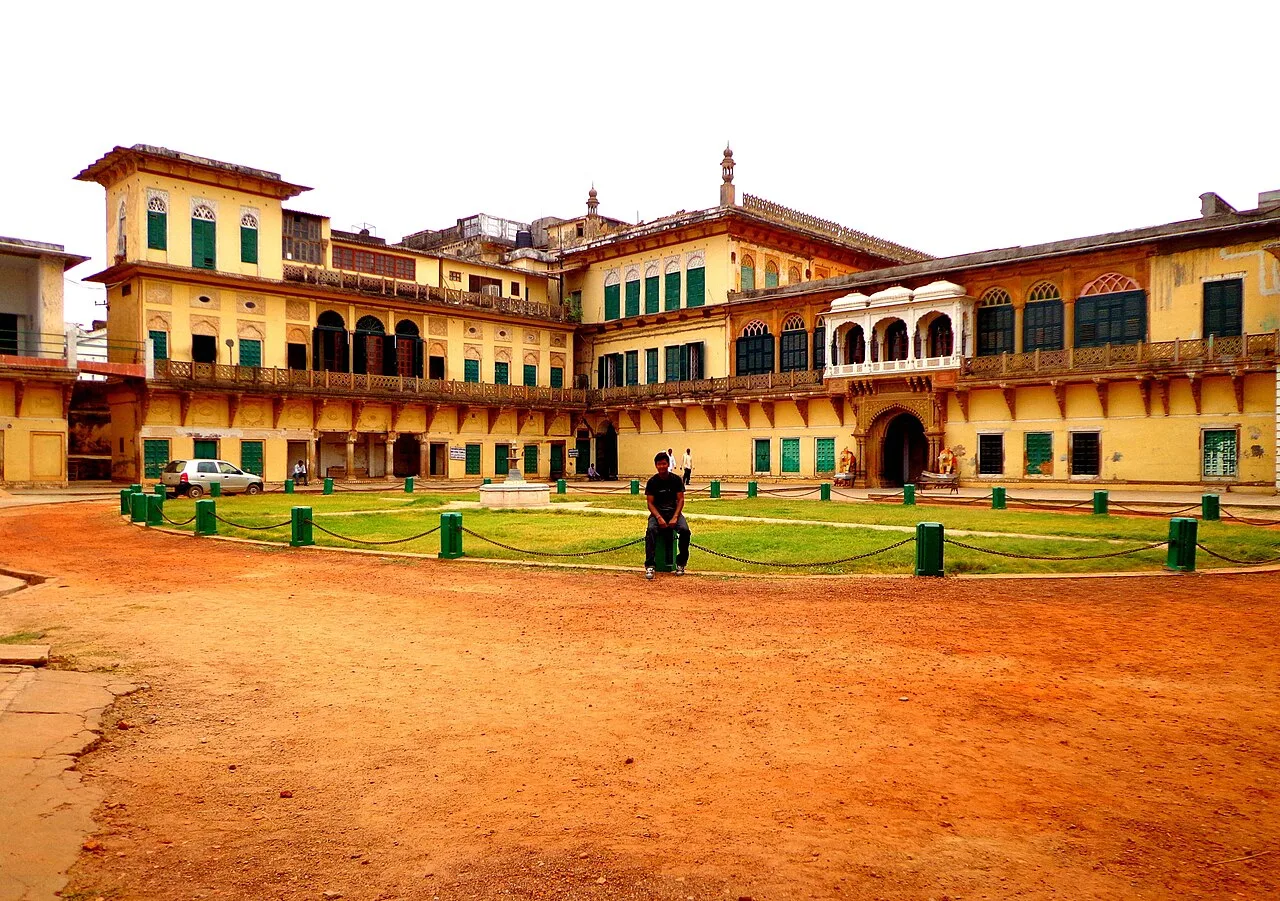
Instituted around 1830 by Maharaja Udit Narayan Singh of Kashi (Varanasi), the Ramnagar Ramlila rejects artificial lighting, microphones, loudspeakers, or modern theatrical stage sets. Instead, the performance unfolds entirely under natural sunlight, torchlight (*Mashals*), and moonlight, utilizing permanent architectural structures spread across Ramnagar—including permanent brick-and-stone sets representing Ayodhya, Janakpur, Chitrakoot, Panchavati, Kishkindha, Lanka, and Ashok Vatika.
Every evening at dusk, thousands of devoted spectators (*Nemis*) follow the cast on foot from one physical location to another as the plot progresses, creating an immersive, participatory pilgrimage-theatre hybrid where audience members do not merely watch the Ramayana—they live within its mythic landscape alongside the royal family of Kashi.