Ghumoopedia — Explore, Discover, Experience
Sign in

Religious · Andhra Pradesh

Ratha Saptami at Arasavalli

Arasavalli Sun Temple, Srikakulam

Dates

Last verified 17 November 2026. Confirmed: announced by organisers or government. Provisional: from a published almanac, not yet announced. Seasonal: no date announced.

The complete guide

Ratha Saptami at Arasavalli: everything to know before you go

Attribute
Details
Also known as
Surya Jayanti, Magha Saptami, Arasavalli Ratha Saptami
State & District
Andhra Pradesh, Srikakulam District (Arasavalli)
When
Magha Shukla Saptami (January–February)
Duration
1 Day (Main Mahotsavam) extending into a 3-day spiritual fair
Faith & Community
Hinduism (Smartha, Vaishnava, Saiva, and Solar Traditions)
Type
Solar Temple Festival & Pilgrimage Gathering
Entry
Free general entry; special queue passes for Darshan available via temple administration
Best for
Devotees of Lord Surya, architectural heritage enthusiasts, early morning sun ritual observers

Overview

Ratha Saptami, celebrated on the seventh day (Saptami) of the bright fortnight in the Hindu month of Magha, marks the symbolic birthday of Lord Surya Narayana and the celestial turn of his golden chariot toward the northern hemisphere. In the historic town of Arasavalli, located in Srikakulam district, Andhra Pradesh, this festival is celebrated with unparalleled grandiosity at the ancient Suryanarayana Swamy Temple—one of the oldest surviving and most active Sun temples in all of India. The temple's unique architectural alignment allows the first rays of the dawn sun to fall directly upon the feet of the granite idol of Lord Surya twice a year, making Ratha Saptami a profound confluence of astronomical precision, architectural brilliance, and deep spiritual devotion.

On Ratha Saptami, hundreds of thousands of pilgrims assemble at the Arasavalli temple complex starting from the midnight preceding dawn. Devotees perform ritual baths in holy tanks, offer milk porridge (Ksheerannam) cooked in traditional earthen pots under direct sunlight using dried sugarcane stalks as fuel, and chant the sacred Aditya Hrudayam stotram. The deity of Lord Surya Narayana is adorned in exquisite golden armor (Nijaroopa Darshanam) and taken in a ceremonial procession around the temple streets in a beautifully decorated chariot shaped like a seven-horse vehicle representing the seven colors of the sun spectrum. The atmosphere is charged with Vedic chants, blowing of conch shells, and the collective resonance of solar mantras.

Origins and legend

The origins of the Arasavalli Sun Temple and the Ratha Saptami festival are rooted in the ancient Puranas, specifically scripture lore from the Padma Purana and the Skanda Purana. According to local Sthala Purana, the temple was established by Lord Indra, the king of the Devas. Legend narrates that Lord Indra was once barred from entering the sacred precinct of Lord Shiva at Mount Kailash by Nandi, the celestial bull. When Indra attempted to force his entry using his Vajrayudha (thunderbolt), Nandi kicked Indra with immense force, casting him down across space. Indra fell unconscious upon the earth at the spot now known as Arasavalli. Suffering from severe bodily torment and physical weakness, Indra prayed fervently to Lord Surya Narayana for relief and healing.

Pleased by Indra's intense penance, Lord Surya appeared before him and restored his physical vitality and celestial power. Out of profound gratitude, Lord Indra constructed a magnificent temple at Arasavalli using his divine sculptor Vishwakarma and installed an idol of Lord Surya carved from black granite, depicting the Sun God standing on a chariot drawn by seven horses driven by Aruna. Indra also created a sacred water tank known as the Indra Pushkarini using his Vajrayudha to provide holy water for ritual purification. Historically, epigraphic evidence links the renovation of the Arasavalli temple to the Eastern Ganga dynasty rulers of the 7th century CE, notably King Devendra Varma, who granted land endowments for the perpetual conduct of daily worship and Ratha Saptami festivities.

How it is celebrated

Preparations for Ratha Saptami at Arasavalli begin weeks in advance under the supervision of the Andhra Pradesh Endowments Department and the temple hereditary trustees. The temple precincts are thoroughly cleaned, painted, and decorated with elaborate flower garlands, colorful illumination lights, and intricate rangoli (muggulu) patterns drawn using rice flour and turmeric depicting the seven-horse chariot of Surya. On the eve of Ratha Saptami, thousands of devotees begin standing in serpentine queue lines stretching over two kilometers from the Indra Pushkarini tank to the temple's inner sanctum.

At the stroke of 3:30 AM on Ratha Saptami day, the temple priests initiate the Suprabhata Seva followed by the holy Abhishekam (ritual bathing) of the deity using cow's milk, honey, curd, tender coconut water, and sandalwood paste. Following the Abhishekam, the idol is dressed in brilliant golden vestments and adorned with priceless antique jewelry and the golden visor (Nijaroopa Alankaram). The temple doors open for general Darshan as the dawn breaks. Devotees offer Arghyam (water oblations) toward the rising sun while standing in the holy tank, holding copper vessels filled with water, red lotus flowers, unrefined rice, and kumkum.

The Cultural Days

While the religious core of Ratha Saptami is centered on the single day of Magha Saptami, the cultural celebrations extend across a three-day festival period in Srikakulam town. The district cultural department organizes grand open-air classical music and dance programs at the temple grounds and nearby public auditoriums. Renowned Carnatic vocalists perform classic solar compositions such as Muthuswami Dikshitar's 'Suryamurthe' in Raga Saurashtram, while Kuchipudi dance troupes enact mythological dance-dramas portraying the cosmic power of the Sun God.

Traditional folk arts of the North Coastal Andhra region (Uttaraandhra) are showcased prominently during the evenings. Performers of Tappeta Gullu—a vigorous folk dance where male dancers wear small drums on their chests and perform acrobatic rhythms—entertain large crowds. Folk troupes also present Jamukula Katha (storytelling accompanied by stringed percussion instruments) narrating the legends of Lord Indra and the healing powers of the Arasavalli shrine. Traditional wrestling competitions (Malla Yuddham) and archery matches are held near the riverbanks, reflecting ancient athletic traditions dedicated to solar energy.

The Pilgrimage Days

For devout pilgrims, Ratha Saptami at Arasavalli is primarily a therapeutic and spiritual pilgrimage. Lord Surya Narayana is revered as 'Arogya Datha'—the bestower of health and immunity—and 'Chakshu Datha'—the restorer of eyesight. Thousands of individuals suffering from skin ailments, eye troubles, chronic fatigue, and neurological disorders travel to Arasavalli specifically on Ratha Saptami to perform the traditional 'Surya Namaskar' penance.

Pilgrims perform 108 ritual prostrations (Surya Namaskars) on the temple paved courtyards while chanting the twelve sacred names of the Sun God (Om Mitraya Namah, Om Ravaye Namah, Om Suryaya Namah, etc.). A key pilgrimage ritual involves placing milk-boiled leaves of the Arka plant (Calotropis gigantea, locally called Jilledu aaku) on one's head and shoulders while taking a bath in the Indra Pushkarini. Scriptural lore holds that bathing with Arka leaves on Ratha Saptami washes away physical infirmities and sins accumulated over seven previous lifetimes.

Food and flavours

The culinary highlights of Ratha Saptami revolve around solar offerings cooked outdoors using natural heat and traditional earthenware. The quintessential festival Prasadam is 'Ksheerannam' or 'Paramannam'—a rich rice pudding prepared by boiling newly harvested rice, fresh cow's milk, jaggery, cardamom, and cashew nuts in earthen pots over small open fires powered by sugarcane stalks. The boiling milk overflowing from the pot is considered a auspicious omen of prosperity and health.

Another special offering is 'Arka Leaf Vadalu'—savory lentil fritters prepared with minimal spice and served on fresh green lotus or plantain leaves. Devotees who fast on Ratha Saptami break their day-long fast only after sighting the sunset, consuming a simple vegetarian meal consisting of Ksheerannam, sesame seed sweets (Til Ladoo), cooked sweet potatoes, pumpkin curry, and seasoned buttermilk. In Srikakulam town, temporary community kitchens (Annadanam centers) run by local charitable trusts serve free hot meals consisting of rice, sambar, lemon rice (Pulihora), and sweet boondi to over 100,000 pilgrims throughout the festival day.

Music, dance, art and dress

Music and visual arts during Ratha Saptami are deeply symbolic of light, heat, and cosmic order. The air around the temple resonates with the chanting of the Surya Ashtakam, Aditya Hrudayam, and Vedic hymns from the Rig Veda invoking the solar deity. Traditional Nadaswaram players perform special morning ragas such as Bowli, Bhoopalam, and Saurashtram at the temple gopuram entrance as the first light of sunrise illuminates the horizon.

Women draw magnificent floor patterns (Ratha Muggulu) in front of their homes and inside temple courtyards. These muggulu explicitly depict a stylized chariot pulled by seven horses, guided by the charioteer Aruna, with the solar disc represented by a central circle decorated with red vermilion (kumkum) and yellow turmeric (pasupu). Devotees dress in traditional South Indian attire; men wear silk or cotton dhotis with upper cloths (Kanduva) in bright shades of orange, yellow, or white, while women wear bright silk sarees, particularly in saffron, red, and gold colors symbolizing the solar spectrum.

Where to experience it

The epicenter of Ratha Saptami celebrations is the Suryanarayana Swamy Temple in Arasavalli village, located approximately 3 kilometers from Srikakulam town center. Key locations within the festival precinct include:

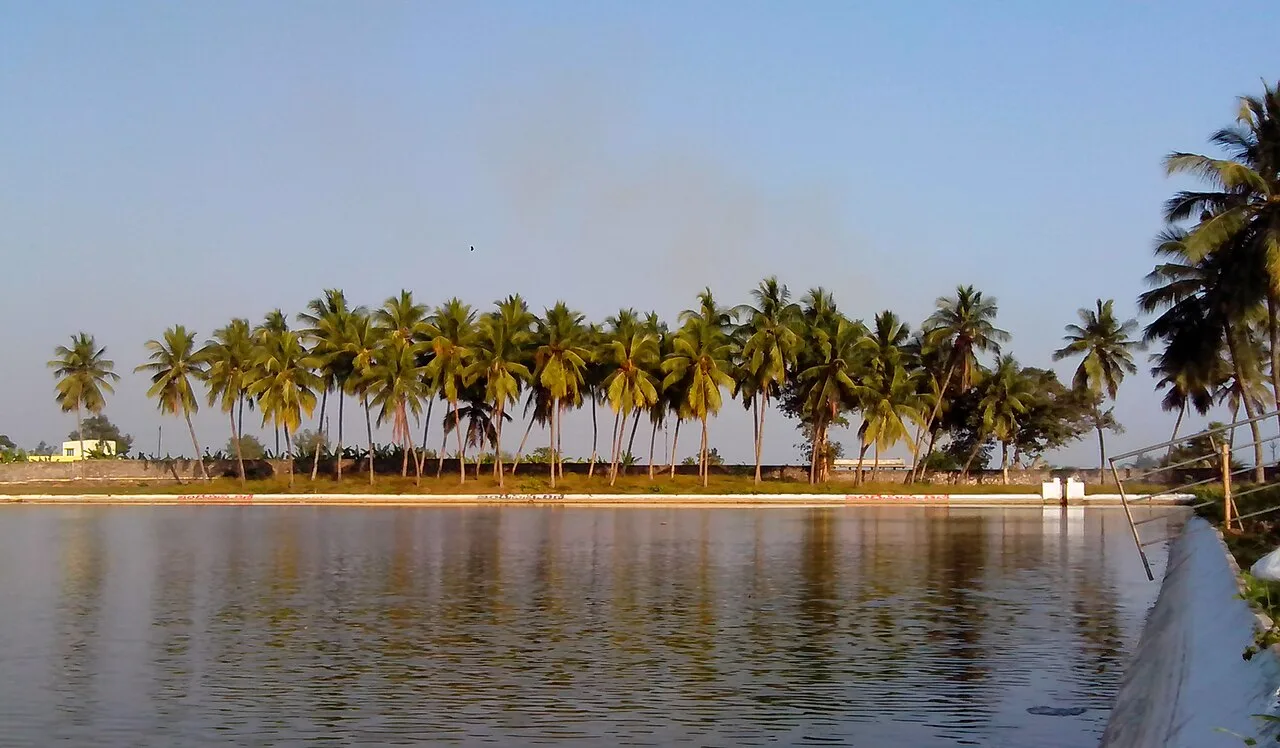
• The Main Sanctum (Garbhagriha): For witnessing the Nijaroopa Darshanam of the five-foot black granite deity of Lord Surya adorned in golden armor.• Indra Pushkarini Holy Tank: The primary site for morning ritual dips and Arka leaf ablations.• Temple Ratha Street: The broad procession street around the temple where the wooden chariot is drawn by thousands of pulling devotees.• Srikakulam Arts College Grounds: Venue for evening cultural programs, folk music concerts, and the district craft exhibition.

Visitor guide

Getting there

Arasavalli is easily accessible via road and rail. The nearest major railway station is Srikakulam Road (Amadalavalasa), located 13 km from Arasavalli, which connects to Visakhapatnam, Vijayawada, Kolkata, and Bhubaneswar. Visakhapatnam International Airport (VTZ) is the closest airport, situated approximately 105 km south. Regular APSRTC express buses and private taxis operate continuously between Visakhapatnam, Vizianagaram, and Srikakulam.

Where to stay

Srikakulam town offers budget to mid-range hotels and lodge accommodations. Temple guest houses managed by the Endowments Department are available near Arasavalli, but require advance booking months prior to Ratha Saptami. Many visitors choose to stay in Visakhapatnam city and make an early morning day-trip to Arasavalli via private car or special festival shuttle buses.

What to wear & pack

Devotees should wear traditional attire (dhotis/kurta for men, sarees/salwar for women). Pack lightweight cotton clothing as temperatures rise by mid-day, a hat or umbrella for shade while standing in queue, copper or brass vessels for Arghyam rituals, spare dry clothes if planning to take a holy dip in Indra Pushkarini, and comfortable slip-on footwear.

Etiquette

Maintain silence and reverence inside the inner sanctum. Photography is strictly prohibited inside the main temple premises. Cooperate with queue managers and police personnel. Dispose of eco-friendly leaf plates and trash in designated bins to keep the sacred temple surroundings clean.

Safety & comfort

Ratha Saptami attracts extreme crowd densities exceeding 300,000 pilgrims. Families traveling with children or senior citizens should utilize special fast-track queue passes available for senior citizens and physically challenged individuals. Drink bottled water and utilize free medical aid posts set up by the Red Cross and District Health Authorities around the temple grounds.

Today and tomorrow

In modern times, the Arasavalli Ratha Saptami festival has transformed into a major state-level festival of Andhra Pradesh, receiving official patronage and massive infrastructural upgrades from the state government. The Andhra Pradesh Tourism Development Corporation (APTDC) now promotes Arasavalli as a premier solar pilgrimage destination alongside Konark in Odisha. Digital live-streaming of the morning Abhishekam and chariot procession reaches millions of diaspora Telugus across the globe, while solar-energy initiatives at the temple complex reflect a modern ecological synthesis with the ancient worship of solar energy.

Nearby

Places to see around the festival