Ghumoopedia — Explore, Discover, Experience
Sign in

Kumbh & Pilgrimage · Kerala

Sabarimala Makaravilakku

Sabarimala, Pathanamthitta

Dates

Last verified 17 November 2026. Confirmed: announced by organisers or government. Provisional: from a published almanac, not yet announced. Seasonal: no date announced.

The complete guide

Sabarimala Makaravilakku: everything to know before you go

Attribute
Details
Also known as
Sabarimala Festival, Makara Jyothi, Mandalam-Makaravilakku Season
State & District
Kerala, Pathanamthitta District (Held at Sabarimala Sree Dharma Sastha Temple in Western Ghats)
When
14th of January every year (Makara Sankranti day)
Duration
41-day Mandala Season followed by Makaravilakku festival culminating on Jan 14
Faith & Community
Hinduism (Dedicated to Lord Ayyappa; visited by over 10-15 million devotees annually from across South India)
Type
Forest Pilgrimage, Ascetic Ritual, Mountain Festival
Entry
Free; mandatory online Virtual Q booking managed by Travancore Devaswom Board
Best for
Spiritual seekers, trekking enthusiasts, photography of royal processions, deep devotional immersion

Overview

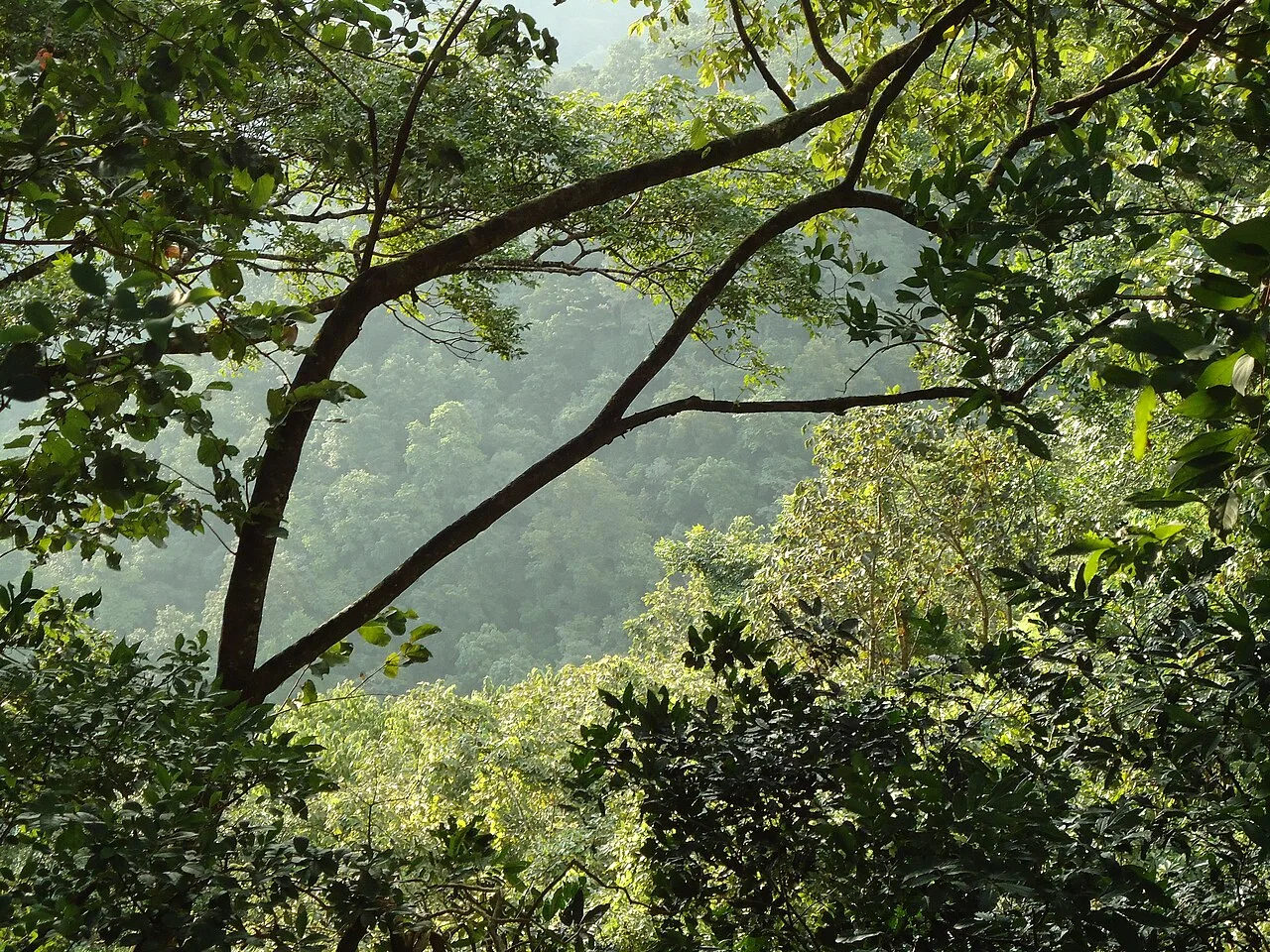
Sabarimala Makaravilakku is the triumphant climax of one of the largest annual pilgrimages in the human world. Nestled amidst eighteen sacred hills of the dense Periyar Tiger Reserve in the Western Ghats of Pathanamthitta district, the Sabarimala Sree Dharma Sastha Temple attracts over 15 to 20 million devotees during its annual two-month pilgrimage season (Mandala-Makaravilakku season from mid-November to mid-January).

The festival culminates on Makara Sankranti (January 14th) with two miraculous spiritual events: the arrival of the Thiruvabharanam (the sacred golden jewels of Lord Ayyappa brought in a 3-day royal foot procession from Pandalam Palace) and the sight of the Makara Jyothi—a revered celestial light that appears thrice on the distant hill of Ponnambalamedu. Rooted in strict 41-day vows of asceticism, equality, and celibacy, Sabarimala represents the absolute pinnacle of South Indian Hindu devotion.

Origins and legend

The legend of Sabarimala revolves around Lord Ayyappa (also called Manikandan), the divine child born of the union between Lord Shiva and Lord Vishnu in his female enchantment avatar, Mohini. Found abandoned on the banks of the Pamba River by King Rajasekhara of Pandalam, the child was raised with deep love in the royal palace.

When the jealous Queen feigned an incurable illness and demanded leopard's milk as a cure, the young Manikandan willingly ventured into the dangerous tiger-infested forests of the Western Ghats. He returned riding a fierce tigress, revealing his supreme divinity. Fulfilling his earthly mission of slaying the demoness Mahishi, Manikandan renounced royal life and consecrated his eternal presence as a celibate yogi (Naishtika Brahmachari) at Sabarimala temple, promising blessings to all devotees who undertake the arduous mountain trek after observing 41 days of penance.

How it is celebrated

The journey to Makaravilakku begins with the strict 41-day Mandala Vratham. Devotees wear a holy garland of Tulsi or Rudraksha beads (Mala Kettu), dress exclusively in black, blue, or saffron clothes, walk barefoot, consume strictly vegetarian food, practice celibacy, and abstain from alcohol, tobacco, and profane language. Every pilgrim, regardless of wealth or caste, addresses every fellow pilgrim as 'Ayyappan' or 'Swami', symbolizing divine equality.

Devotees pack the sacred Irumudi Kettu—a two-compartment cloth bag carried on the head containing ghee-filled coconuts (Neyyengai) for the deity's anointing. Pilgrims trek through traditional forest routes (Pamba to Sannidhanam via Neelimala and Appachi Medu), ascend the sacred 18 Gold-covered Steps (Patinettam Padi), and pour their ghee offerings over the idol of Lord Ayyappa.

The Cultural Days

The Makaravilakku week features iconic ceremonial milestones:

Thiruvabharanam Procession: A 3-day barefoot foot-march carrying three wooden caskets of ancient golden jewels from Pandalam Palace across 80 km of mountain tracks, escorted by a sacred eagle (Brahmani Kite) hovering overhead.

Deeparadhana (Jan 14, 6:30 PM): Lord Ayyappa's idol is adorned with the golden jewels, followed by grand evening lamp worship.

Makara Jyothi Sighting: At 6:45 PM on Jan 14, millions of pilgrims standing across Sabarimala hills cheer 'Swamiye Saranam Ayyappa' as a bright light appears thrice atop Ponnambalamedu hill.

Guruthi Ritual: A solemn late-night liquid offering performed at Malikappuram shrine to appease the mountain guardian spirits before closing the temple doors.

The Pilgrimage Days

Sabarimala is an intense pilgrimage centered on spiritual transformation. The 18 Sacred Steps represent the control over five sensory organs, eight internal vices, three gunas, knowledge, and ignorance. Descending from the hill, pilgrims crack open the sacred coconut shell and leave it in the sacred fire pit (Bhasma Kulam), signifying the burning away of ego and past sins.

Food and flavours

Pilgrim diet during Sabarimala season is strictly vegetarian, simple, and Sattvic:

Temple Prasadam: Aravana Payasam (a rich, dark black-jaggery and rice sweet delicacy cooked with ghee) and Appam (sweet jaggery rice fritters).

Pamba Feast: Traditional rice, Parippu dal, Sambhar, and Kanjivellam (spiced warm water) served at pilgrim shelters along the Pamba riverbanks.

Music, dance, art and dress

The acoustic atmosphere of Sabarimala is defined by the thunderous, echoing chant 'Swamiye Saranam Ayyappa' (Lord Ayyappa, I seek refuge in you) alongside devotional songs sung by K.J. Yesudas (*Harivarasanam*, played every night to lull the deity to sleep).

Sartorial discipline is absolute: plain black, navy blue, or saffron cotton Mundu and shirt, un-shaved beard, barefoot walking, and carrying the Irumudi Kettu woven bag wrapped in dark cloth upon the head.

Where to experience it

Sannidhanam (Sabarimala Hilltop): The main temple complex to witness Thiruvabharanam coronation.

Hill Vantage Points (Hilltop, Eagle Hill, Pulmedu): Prime locations for viewing the Makara Jyothi light on January 14 evening.

Pandalam Valiyakoikkal Temple: Starting point of the 3-day Thiruvabharanam procession.

Visitor guide

Getting There

Chengannur (30 km to Pamba) and Kottayam (90 km) are the nearest railway stations. Cochin International Airport is 160 km away. KSRTC operates continuous bus services from Pamba to all major South Indian cities.

Where to Stay

Pilgrims rest at free Devaswom Board shelters (Viris) at Pamba and Sannidhanam. Hotel accommodations are available in Chengannur and Pathanamthitta.

What to Wear and Pack

Wear black or blue traditional cotton dhotis. Pack warm blankets (mountain nights in December-January are chilly), torchlights, essential medicines, and sturdy trekking footwear.

Etiquette

  • Strictly observe the Virtual Q slot time. Respect traditional age regulations maintained at the shrine.

Safety and Comfort

The mountain trek is physically demanding; pilgrims with cardiac or respiratory conditions should consult physicians before climbing Neelimala hill.

Today and tomorrow

The Travancore Devaswom Board and Kerala State Government have implemented digital queue management, eco-friendly 'Punyam Poonkavanam' plastic-free waste management initiatives, and enhanced medical emergency posts along the forest trekking routes.

Nearby

Places to see around the festival