
Ghumoopedia — Explore, Discover, Experience
Sign in

Religious · Bihar

Shravani Mela at Sultanganj

Sultanganj, Bhagalpur district

Dates

Last verified 17 November 2026. Confirmed: announced by organisers or government. Provisional: from a published almanac, not yet announced. Seasonal: no date announced.

The complete guide

Shravani Mela at Sultanganj: everything to know before you go

Also known as
Shravani Fair / Shravani Mela of Sultanganj
Where
Bihar — Bhagalpur district (Sultanganj)
When
Shravan month (July–August) — primary activity during the month-long period culminating on Shravan Mondays
Duration
Month-long pilgrimage, with peak days on Mondays and the Kanwar procession's culmination
Who takes part
Hindu pilgrimage devoted to Lord Shiva; large numbers of devotees (kanwariyas) from across Bihar
Type
Pilgrimage, river worship and mass procession (Kanwar Yatra)
Entry
Free
Best for
Pilgrimage observers, cultural anthropologists, photography of processions and river rites

Overview

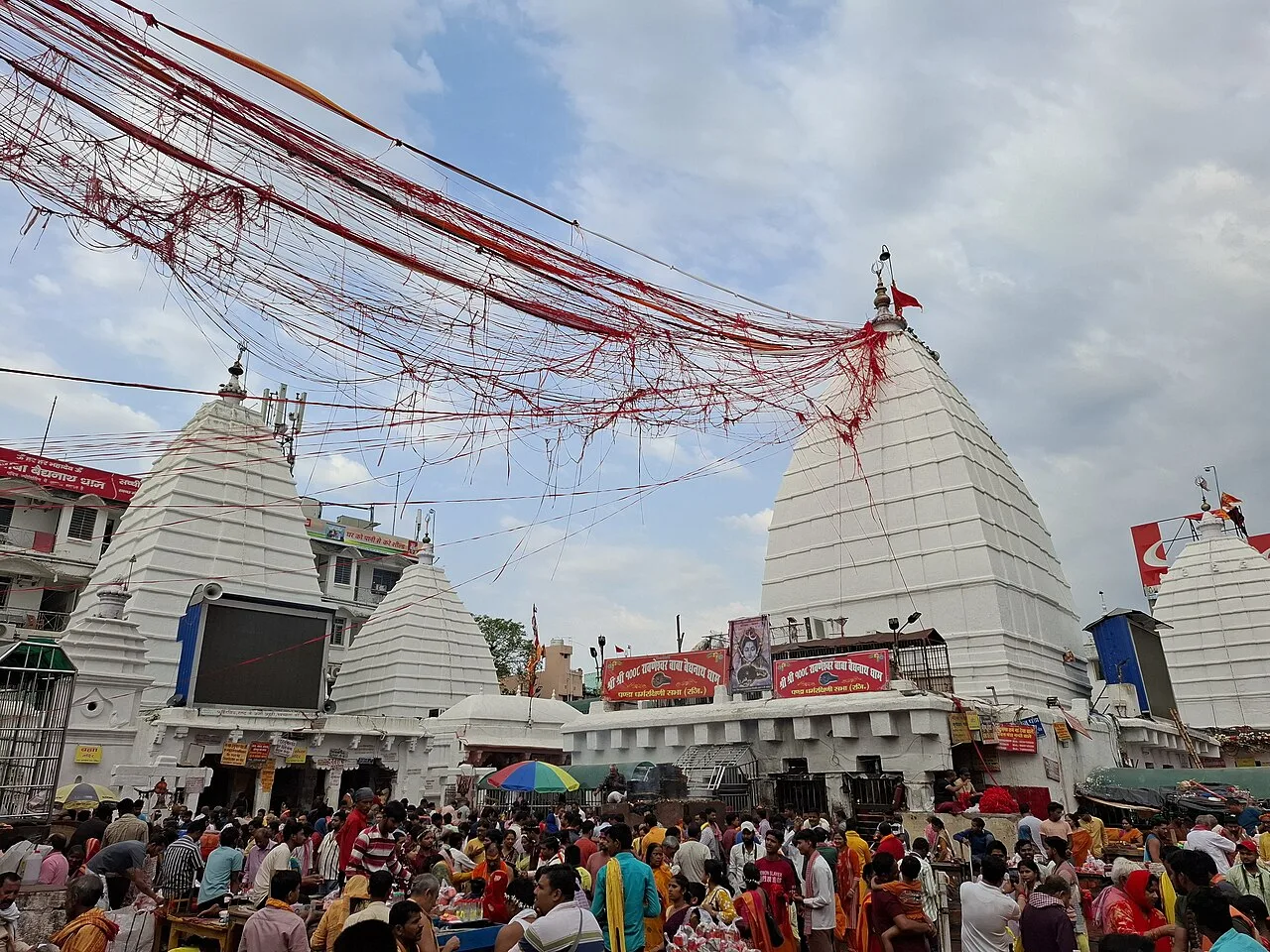
Shravani Mela at Sultanganj is one of Bihar's largest annual pilgrimages. Devotees gather at the Ganges in Sultanganj to fetch holy water and carry it, often on foot and in colourful processions (the Kanwar Yatra), to the Baba Baidyanath Temple in Deoghar and other Shiva shrines. The event blends austere devotion with vibrant street life: temporary bazaars, food stalls and camps spring up along the riverfront and pilgrim routes. The mela's scale means the town and surrounding roads become densely packed, with logistics organised by local committees and volunteers.
Origins and legend

The tradition of carrying Ganges water to offer at Shiva temples dates back centuries and is rooted in expressions of penance and devotion during the month of Shravan. The Sultanganj mela developed because the Ganges flows nearest to Sultanganj before devotees set out for the distant Baidyanath temple. Over time the practice formalised into a mass pilgrimage with set routes, customary songs and shared rituals that reinforce communal identity among participating regions.

How it is celebrated

Pilgrims (kanwariyas) collect Ganga water in decorated containers or simple pitchers and travel—by foot, bicycle, truck or caravan—to present the water at Shiva shrines. The journey can last days and includes ritual stops, devotional singing, and communal eating shelters. Sultanganj's ghats host continuous bathing, puja and water-filling activities; evenings are filled with bhajan singing and the hum of pilgrims preparing for the trek.

The cultural days

While primarily devotional, the mela's days are rich with folk music, devotional singers and roadside theatre that dramatise mythic episodes related to Shiva and the Ganges. Temporary stalls sell religious paraphernalia, colourful cloth and devotional literature.

The pilgrimage days

Peak pilgrimage moments are the Mondays of Shravan when the greatest numbers collect and set out. The final procession and arrival at the destination temple are occasions of high emotion, mass prayers and large-scale offerings.

Food and flavours

Street food and pilgrim kitchens provide hearty, simple fare: dal, rice, roti, fried snacks and cooling beverages to sustain long journeys. Seasonal sweets and local snacks are widely available; many pilgrims depend on community kitchens (langars) and volunteer-run food camps.

Music, dance, art and dress

Devotional singing and call-and-response bhajans dominate the soundscape. Pilgrims wear simple, often saffron-coloured garments or white cotton; kanwar decorations and painted slogans on carts and attire add to the visual spectacle. Folk performers sometimes accompany processions with regional instruments and songs.

Where to experience it

Sultanganj's ghats along the Ganges are the primary locus for the mela's activities. The riverside, adjoining lanes and the main roads leading from Sultanganj toward Bhagalpur and onward to Deoghar are full of pilgrims, stalls and temporary shelters.

  • Getting there: Sultanganj is accessible by rail from Bhagalpur and by road from major Bihar towns. Bhagalpur is the nearest city with more accommodation options.
  • Where to stay: Guesthouses in Sultanganj and Bhagalpur, plus pilgrim dormitories during the mela; book early or expect to stay in neighbouring towns.
  • What to wear and pack: Light cotton clothing for daytime, comfortable footwear, small first-aid kit, water bottle and any personal medications. Respect local norms for modest dress.
  • Etiquette: Observe queues patiently at ghats, follow instructions from organiser volunteers, and accept food only from trusted community kitchens if you have dietary sensitivities.

Today and tomorrow

Shravani Mela remains a vital expression of collective devotion. Authorities and community groups increasingly coordinate logistics, sanitation and crowd management. Future improvements focus on safer routes, better medical support and sanitation facilities while preserving the humility and grassroots energy of the pilgrimage.

Nearby

Places to see around the festival