
Ghumoopedia — Explore, Discover, Experience
Sign in

Tribal · Nagaland

Tuluni

Zunheboto district

Dates

Last verified 17 November 2026. Confirmed: announced by organisers or government. Provisional: from a published almanac, not yet announced. Seasonal: no date announced.

The complete guide

Tuluni: everything to know before you go

Also known as
State and dis trict
When
Tuluni
Duration
Faith and com munity
Type
2–4 days typi cally

Overview

Tuluni is a principal festival of the Sumi Nagas, celebrated in July at the height of the year when monsoon patterns shape agricultural decisions. The festival is primarily a thanksgiving and community bonding event that reaffirms clan ties and generational duties. Zunheboto town hosts public cultural events that attract visitors from across Nagaland; simultaneously, village level observances retain intimate ritual elements. Tuluni is known for its vibrant group dances, formalized gift exchanges and a strong emphasis on hospitality. The festival is central to Sumi identity and is an occasion when diaspora members return home to participate in rites that strengthen family lineage and local governance. Origins and historical context: Tuluni's origins lie in pre Christian agrarian ceremonies designed to secure the favor of ancestral spirits and to ensure communal harmony. The festival originally included votive offerings, symbolic sowing rites and the slaughter of a sacrificial animal to mark the turning point between planting and tending crops. As Christianity spread among the Sumi, elements of the old ritual were reinterpreted and often preceded or followed by church services giving thanks. Anthropological accounts highlight Tuluni's role as a civic anchor: it provided a socially sanctioned time for dispute resolution, fostered marital alliances through formal introductions, and served as an occasion to renew

headman and council authority. The continuity of Tuluni attests to the cultural resilience of the Sumi despite rapid social change in the 20th century.
How it is celebrated

Preparations begin with cleaning and decorating public spaces and the morung where it remains in use. Women prepare traditional dishes and weave festival textiles, while men rehearse dances and prepare the ceremonial grounds. The main ritual sequence opens with prayers and public acknowledgments of lineage heads. A formal procession may move through the village with dancers and musicians. Dances are distinctive for the Sumi: they involve energetic footwork, fast paced drumming and group formations that display both martial heritage and community cohesion. Competitions in sports and skill—such as wrestling and stick fighting displays—often accompany the cultural program, offering a spectacle that draws youth participation and local pride. The cultural days and storytelling: Storytelling forms an important part of Tuluni. Elders narrate migration tales, clan origin myths and episodes that explain customary laws. These oral performances are supplemented by enacted episodes in song and dance. The festival is thus a living archive where history and moral lessons are transmitted. Cultural days also include craft demonstrations: woodcarving, basket weaving and loom weaving are practiced publicly, ensuring knowledge transfer. Market stalls sell local handicrafts, cushions, shawls and jewellery; this market function provides income for local artisans and underlines Tuluni's role as both a cultural and economic event.

Food and flavours

Festival food emphasizes rice, pork and wild greens. Signature items include stewed pork with aromatic herbs, bamboo shoot curries and fermented condiments. Women prepare special sweetmeats and rice based desserts for offering to guests. Communal feasting is structured: hosting families set aside portions to serve visiting relatives and exchange food in formalized reciprocation. While commercial beverages are common, some households continue to prepare traditional home brewed drinks for ceremonial uses. Local produce—maize, millet and seasonal tubers—also appears in festival menus, highlighting the connection to agricultural cycles. Music, dance and dress: Tuluni features distinctive Sumi drumming patterns and vocal styles. Drums define tempo and provide cues for dance movements; dancers wear brightly patterned scarves and silver ornaments. Young women often perform synchronized shoulder movements while men demonstrate leaping steps and coordinated arm gestures. The festival costume is an important communicative device: specific shawl patterns and beaded jewellery indicate clan membership and social status. Contemporary Tuluni sometimes incorporates modern stage lighting and amplified sound during public town events, which adapts tradition for larger modern audiences without discarding core forms.

Where to experience it

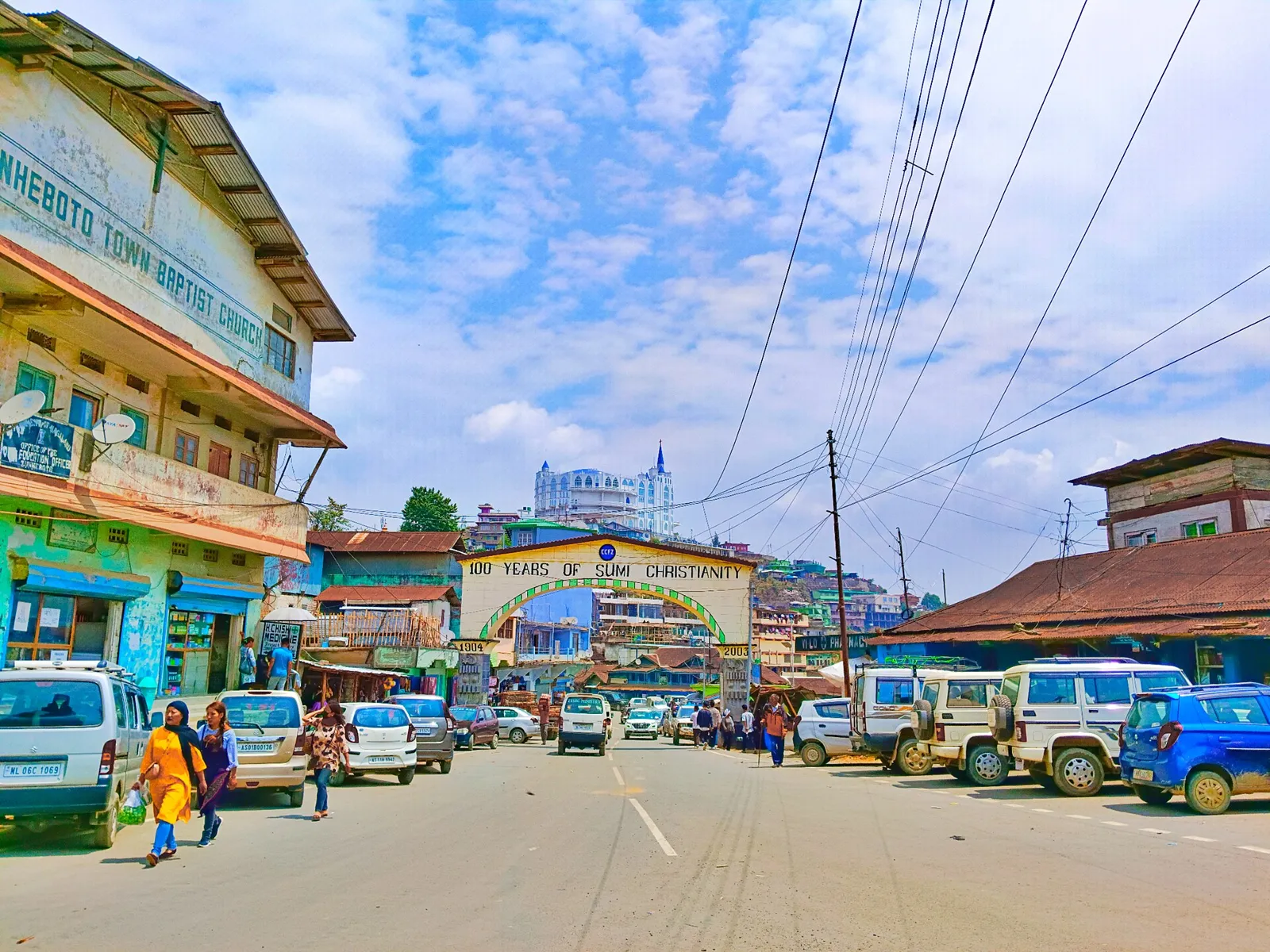
Zunheboto town stages accessible public events with curated performances, handicraft bazaars and food stalls that welcome tourists. Village celebrations are more closed and intimate and require introductions or arrangements with local hosts. Cultural organizations in Nagaland sometimes publish calendars and arrange visitor itineraries for Tuluni. For deeper immersion, visitors should coordinate with district cultural offices or registered guides who can arrange homestays and respectful participation in non sacred parts of the festivities.

Visitor guide

  • Getting there. Zunheboto is reached by road; connections from Dimapur and Kohima run regularly but can be slowed by hilly terrain. Where to stay. Guesthouses and simple hotels in Zunheboto serve visitors; home stays can be arranged in surrounding villages. What to wear and pack. Lightweight rainwear and sturdy shoes are recommended due to July weather. Etiquette. Seek permission before taking photographs, especially of elders and ritual acts; accept hospitality offers; present small gifts if
  • visiting host households. Safety and comfort. Respect local alcohol norms tied to church positions; be mindful that some village events may have restricted access.

Today and tomorrow

Tuluni continues as a vibrant assertion of Sumi cultural identity. Community leaders work to maintain authenticity as events scale and tourist interest grows. Cultural preservation programs focus on documentation of songs, dances and textile patterns, while local enterprises explore responsible tourism models that share benefits with artisans and host families. Tuluni remains a cornerstone of Sumi communal life and a moment where tradition and contemporary aspirations meet.

Nearby

Places to see around the festival