Ghumoopedia — Explore, Discover, Experience
Sign in

Harvest · Uttarakhand

Uttarayani / Ghughuti Festival

Bageshwar and Kumaon

Dates

Last verified 17 November 2026. Confirmed: announced by organisers or government. Provisional: from a published almanac, not yet announced. Seasonal: no date announced.

The complete guide

Uttarayani / Ghughuti Festival: everything to know before you go

Also known as
Ghughutia, Kale Kauva, Uttarayani Mela Bageshwar
State & District
Uttarakhand (Bageshwar District, across Kumaon & Garhwal regions)
When
Makar Sankranti (14–15 January)
Duration
1 day main festival; 7 to 10 days for Bageshwar Fair
Faith & Community
Hinduism (Kumaoni and Garhwali folk communities)
Type
Solstice Harvest Festival, Bird-Feeding Tradition & Regional Trade Fair
Entry
Free open public access
Best for
Families, folk art lovers, regional culinary enthusiasts, cultural researchers

Overview

Uttarayani, celebrated universally on Makar Sankranti (around 14 January), is one of the most beloved seasonal festivals of Uttarakhand, particularly across the Kumaon region where it is affectionately known as Ghughuti or Kale Kauva. The festival marks the astronomical transition of the Sun into the northern hemisphere (Uttarayan) and the arrival of spring. The centerpiece of the celebration is a unique and endearing bird-feeding ritual: families prepare fried sweet dough snacks called 'Ghughute' (shaped like birds, wheels, daggers, and knots), string them into necklaces with orange marigolds, and gift them to young children. On the morning of Uttarayani, children wear these sweet garlands and call out to migratory crows ('Kale Kauva Kale, Bada Khale...') to offer them the sweets, seeking blessings for health, prosperity, and the return of warm spring days. Simultaneously, the city of Bageshwar hosts the historic Uttarayani Mela at the confluence of the sacred Saryu and Gomti rivers, combining spiritual river bathing with vibrant folk music, handicraft trading, and political assemblies rooted in Uttarakhand's freedom struggle.

Origins and legend

The origin of the Ghughuti festival is rooted in a popular Kumaoni folk legend involving King Kalyan Chand of the Chand dynasty, who ruled Kumaon without a male heir. After praying fervently at the Baghmath (Bagnath) Temple in Bageshwar, a son was born to the royal couple, affectionately named 'Ghughuti'. The queen made a pearl necklace for the prince, which he loved. Whenever the prince was stubborn, the queen would playfully say she would give his necklace to the crows unless he behaved, calling out 'Kale Kauva Kale'. She would feed the crows sweet treats when they arrived. Later, a treacherous minister plotted to kidnap the prince in the forest to usurp the throne. A friendly crow witnessed the kidnapping, rallied a flock of crows to attack the minister, and flew back to the palace carrying the prince's pearl necklace. Recognizing the necklace, the king sent guards into the forest to rescue Prince Ghughuti and arrest the traitor. In gratitude to the crows that saved the prince's life, the king decreed that every year on Makar Sankranti, sweet treats shaped like bird delicacies would be offered to crows across the kingdom—a tradition lovingly carried forward to this day.

How it is celebrated

The preparations for Ghughuti begin on the eve of Uttarayani. Women in Kumaoni households mix wheat flour with kneaded jaggery (Gur) syrup, milk, ghee, and fennel seeds to create a sweet dough. The dough is rolled and shaped by hand into various symbolic forms, primarily the Ghughut (dove bird), as well as knives, swords, shields, pomegranate flowers, and geometric spirals. These shapes are deep-fried in mustard oil or ghee until golden brown. Once cooled, the fried Ghughute sweets are strung onto red threads alternated with dried fruits, wild berries, and bright orange marigold flowers to form festive necklaces. On Uttarayani morning, children take holy baths, put on their Ghughuti necklaces, and run to rooftops and open courtyards. Holding pieces of the fried sweets, they chant traditional folk rhymes inviting the crows to come and eat. After the crows take their share, children happily eat the remaining sweets from their necklaces and share them with friends and neighbors.

The Cultural Days

Alongside the domestic Ghughuti rituals, the grand Uttarayani Mela unfolds in Bageshwar at the confluence of the Saryu and Gomti rivers. Historically, this fair served as a major commercial exchange where traders from Tibet, Bhotia alpine valleys, and the Indian plains met to trade Himalayan wool, borax, musk, mountain herbs, wooden utensils, and livestock. Culturally, the fair played a pivotal role in India's independence movement: in 1921, under the leadership of Badri Datt Pandey, thousands of freedom fighters gathered at the Uttarayani Mela in Bageshwar and dumped the repressive Coolie Begar (forced unpaid labor) registers into the Saryu river, ending the oppressive system. Today, the fair features week-long cultural pageants showcasing Kumaoni folk music, Chholiya sword dances, Hurkiya Baol singing, and exhibitions of traditional crafts.

The Pilgrimage Days

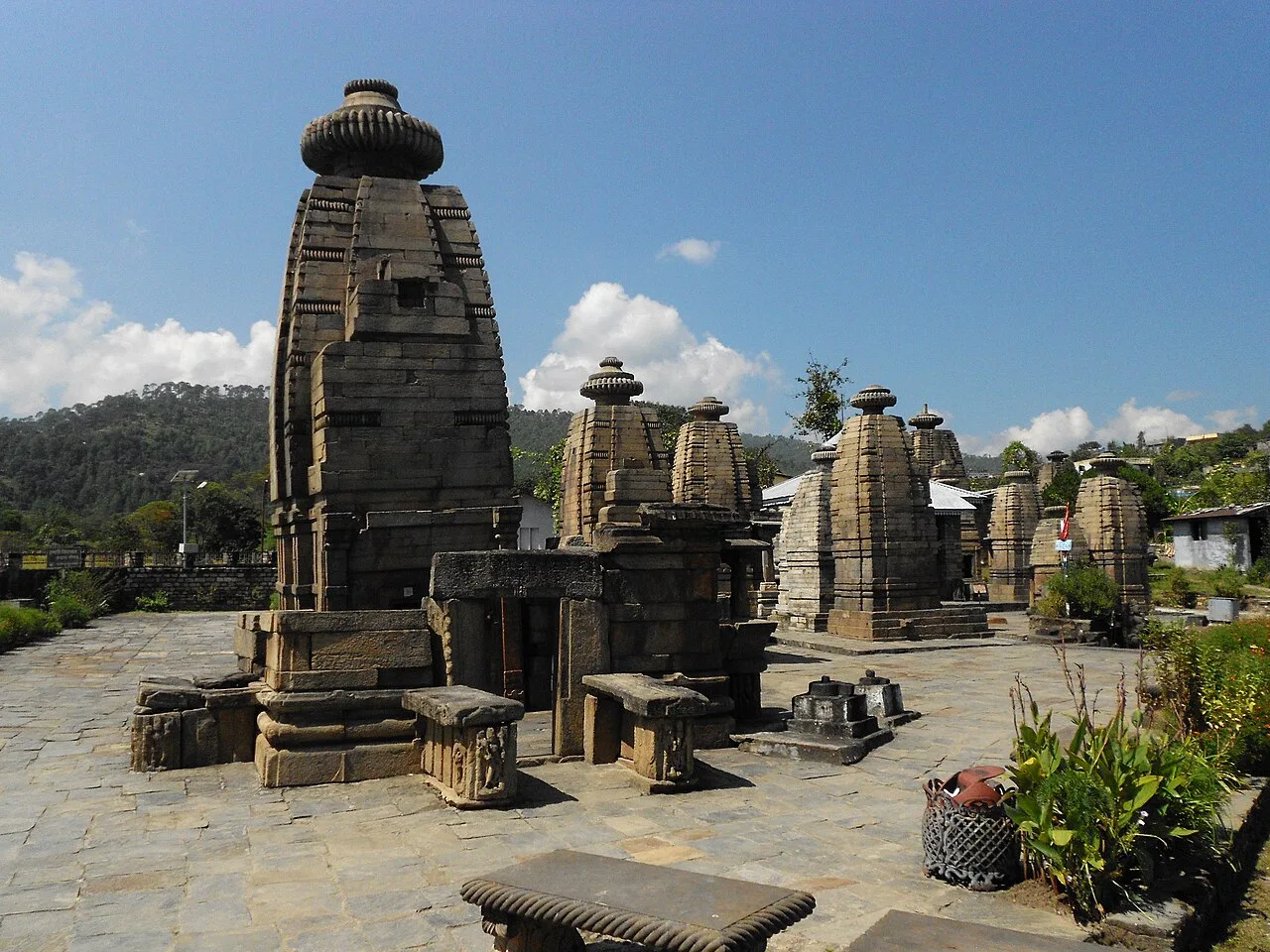
Spiritual devotion runs high during Uttarayani. Thousands of devotees take ritual purificatory baths at dawn in the icy confluence of the Saryu and Gomti rivers at Bageshwar, as well as at Rani Ghat in Rishikesh and Har ki Pauri in Haridwar. Following the holy dip, pilgrims offer prayers at the ancient Bagnath Temple in Bageshwar, dedicated to Lord Shiva as the Lord of Tigers. Devotees offer sesame seeds, jaggery, khichdi (rice-lentil porridge), and brass bells to the deity, seeking health, agricultural prosperity, and liberation.

Food and flavours

Food during Uttarayani is steeped in seasonal warmth and nutritional richness designed for cold mountain winters. The signature festival food is Ghughute—crispy, aromatic fried sweet wheat-jaggery spirals. Another mandatory dish is Khichdi made from newly harvested rice, black lentils (Urad dal), ghee, ginger, and asafoetida, served hot with sesame-seed chutney, fresh curd, and homemade butter. Families also prepare Til ke Laddu (sesame and jaggery balls), Lai ke Laddu (puffed rice sweets), and Singal (a spiral fried snack made from semolina, curd, banana, and sugar). In Kumaoni homes, special meals include Aloo Gutke served with spicy Bhang ki Chutney (hemp seed chutney mixed with lemon and green chillies) and warm lentil soups.

Music, dance, art and dress

The festival atmosphere vibrates with traditional Kumaoni folk arts. Children sing traditional bird-calling folk rhymes across rooftops with infectious enthusiasm: 'Kale Kauva Kale, Ghughuti Bada Khale... Le Kauva Bara, Maake De Sone Ka Ghara!' (Black crow, black crow, come eat this Ghughut... Take this fried treat and give me a golden pot!). At the Bageshwar fairground, Chholiya dancers dressed in white robes and red sashes perform energetic sword-and-shield routines accompanied by the powerful beat of Hurka drums, Dhol-Damau, and Ransingha horns. Women decorate home entrances with fresh Aipan motifs featuring rice paste drawings of birds, sun dials, and floral vines.

Where to experience it

To experience the domestic bird-feeding ritual and family warmth, visit residential towns across Kumaon such as Almora, Nainital, Pithoragarh, Ranikhet, and Champawat. To witness the grand commercial and cultural fair, visit the confluence of Saryu and Gomti rivers at Bageshwar town in Bageshwar district.

Visitor guide

  • Getting there: Bageshwar is accessible by road from Kathgodam Railway Station (180 km) and Pantnagar Airport (205 km). Regular taxis and buses connect Bageshwar to Almora, Nainital, and Haldwani.Where to stay: Bageshwar offers KMVN (Kumaon Mandal Vikas Nigam) tourist rest houses, budget hotels, and local guesthouses. Advance booking is advised during Uttarayani Mela.What to wear & pack: Heavy winter woollens, thermals, padded jackets, gloves, and warm socks are essential as January temperatures in Bageshwar can drop near freezing.Etiquette: Respect local bathing customs at river ghats. If visiting homes during Ghughuti, accept sweet offerings with both hands.Safety & comfort: Carry warm thermos flasks for hot water. Be prepared for large crowds along river ghats and fairgrounds in Bageshwar.

Today and tomorrow

Today, Uttarayani and Ghughuti serve as important cultural anchors connecting the global Kumaoni diaspora with their Himalayan roots. Uttarakhand cultural associations across Indian metros and overseas communities organize annual Ghughuti get-togethers where children make traditional sweet garlands. In Bageshwar, the state tourism department has elevated the Uttarayani Mela into a major eco-tourism and cultural event, promoting local organic millets, Kumaoni handicrafts, and sustainable riverfront heritage.

Nearby

Places to see around the festival