
Ghumoopedia — Explore, Discover, Experience
Sign in

Cultural · Bihar

Vaishali Mahotsav

Vaishali

Dates

Last verified 17 November 2026. Confirmed: announced by organisers or government. Provisional: from a published almanac, not yet announced. Seasonal: no date announced.

The complete guide

Vaishali Mahotsav: everything to know before you go

Also known as
Vaishali Festival / Vaishali Mahotsav
Where
Bihar — Vaishali district
When
Around Mahavir Jayanti (spring)
Duration
1–3 days, timed to the religious calendar
Who takes part
Jain and broader regional community; religious and cultural
Type
Religious observance, processions, cultural programmes
Entry
Free; certain events may have reserved seating
Best for
Pilgrims, students of Jain heritage, cultural visitors

Overview

Vaishali Mahotsav is centred on Vaishali's strong historical associations with Jainism and early republican traditions. The festival peaks near Mahavir Jayanti, the birth anniversary of Lord Mahavira, and combines ritual commemoration with public cultural programming. Processions, devotional gatherings and community meals coexist with music and lecture series that highlight the town's archaeological and religious importance. The Mahotsav serves both as a devotional observance for Jain communities and as an occasion to showcase Vaishali's heritage to a wider audience.
Origins and legend

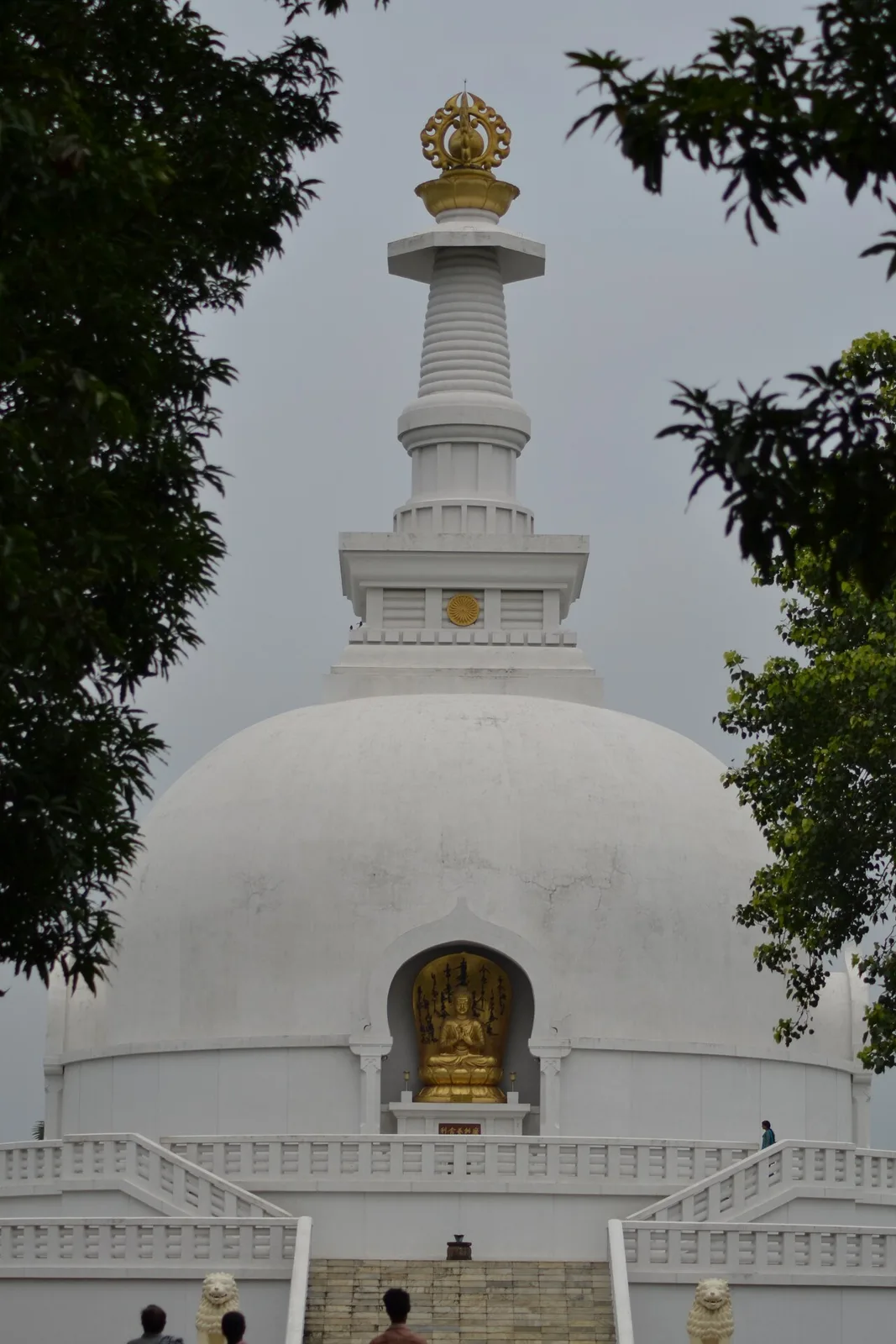
Vaishali features prominently in early Indian texts as the capital of the ancient Licchavi republic and as a site visited by both the Buddha and Jain tirthankaras. The region's association with Lord Mahavira lends Mahavir Jayanti special local significance, and the Mahotsav builds on that history. Over time, community groups formalised the festivities, adding cultural components — classical and devotional music, discussions by scholars and exhibitions — so the celebration also educates visitors about Vaishali's layered past.

How it is celebrated

Observances include morning pujas, temple rituals, a colourful procession with religious tableaux, and public lectures on Jain philosophy. Cultural programmes present devotional music, bhajan and classical recitals. Community kitchens and langars offer simple vegetarian meals, reinforcing the festival's spirit of service and shared observance.

The cultural days

Concerts of devotional songs and classical music are scheduled in the evenings. Local youth ensembles and traditional artists perform, while exhibitions display manuscript facsimiles, archaeological finds and photographs that narrate Vaishali's history.

The pilgrimage days

Pilgrims visit temples and shrines associated with Mahavira, often participating in morning aartis and procession routes. Pilgrimage-focused guided walks explain archaeological remains such as stupas and pillars, giving religious context to the visit.

Food and flavours

Given the festival's Jain associations, food offerings are predominantly vegetarian and prepared in ways that respect dietary customs. Local sweets and seasonal fruits are common, and community meals emphasise simple, wholesome preparations.

Music, dance, art and dress

Devotional music and bhajans predominate; classical vocalists and instrumentalists may be invited for evening programmes. Attire is modest and respectful: many attendees wear white or light-coloured traditional dress for religious ceremonies, while evening cultural audiences may dress smart-casual.

Where to experience it

Main events occur near Vaishali's principal temples, public squares and heritage zones. Guided walks and archaeological exhibits are typically hosted at local museums or temporary exhibition hubs set up for the Mahotsav.

  • Getting there: Vaishali is reachable by road from Patna (short drive) and Hajipur; nearest railway access is Hajipur.
  • Where to stay: Limited local accommodation; many visitors stay in Hajipur or Patna and do day trips.
  • What to wear and pack: Modest clothing for temple visits, sun protection for daytime, and comfortable footwear.

Today and tomorrow

The Vaishali Mahotsav continues to strengthen ties between heritage preservation and living religious practice. Future planning aims to expand interpretive materials for international visitors, preserve archaeological sites from visitor wear, and ensure local communities share in festival benefits.

Nearby

Places to see around the festival