
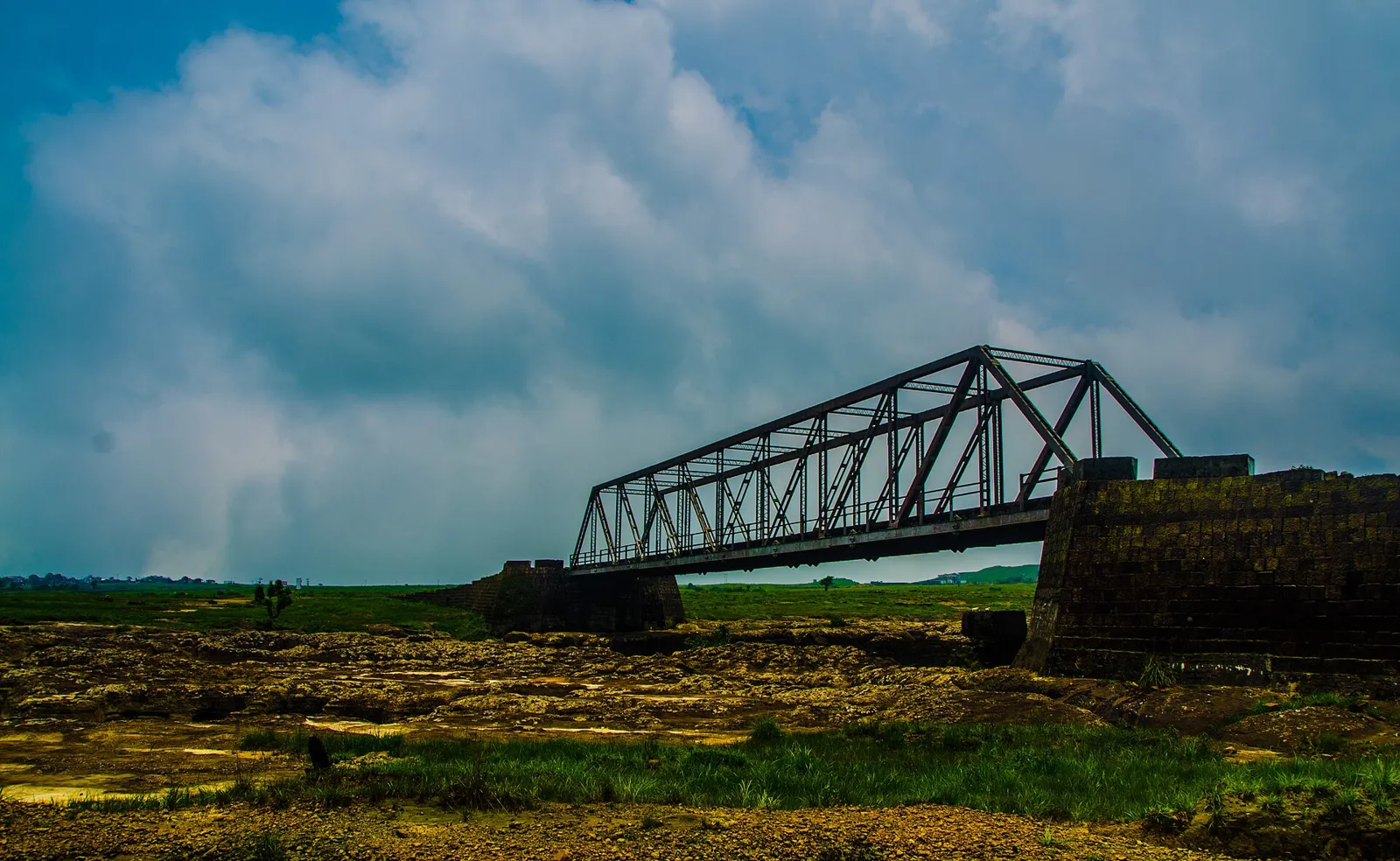
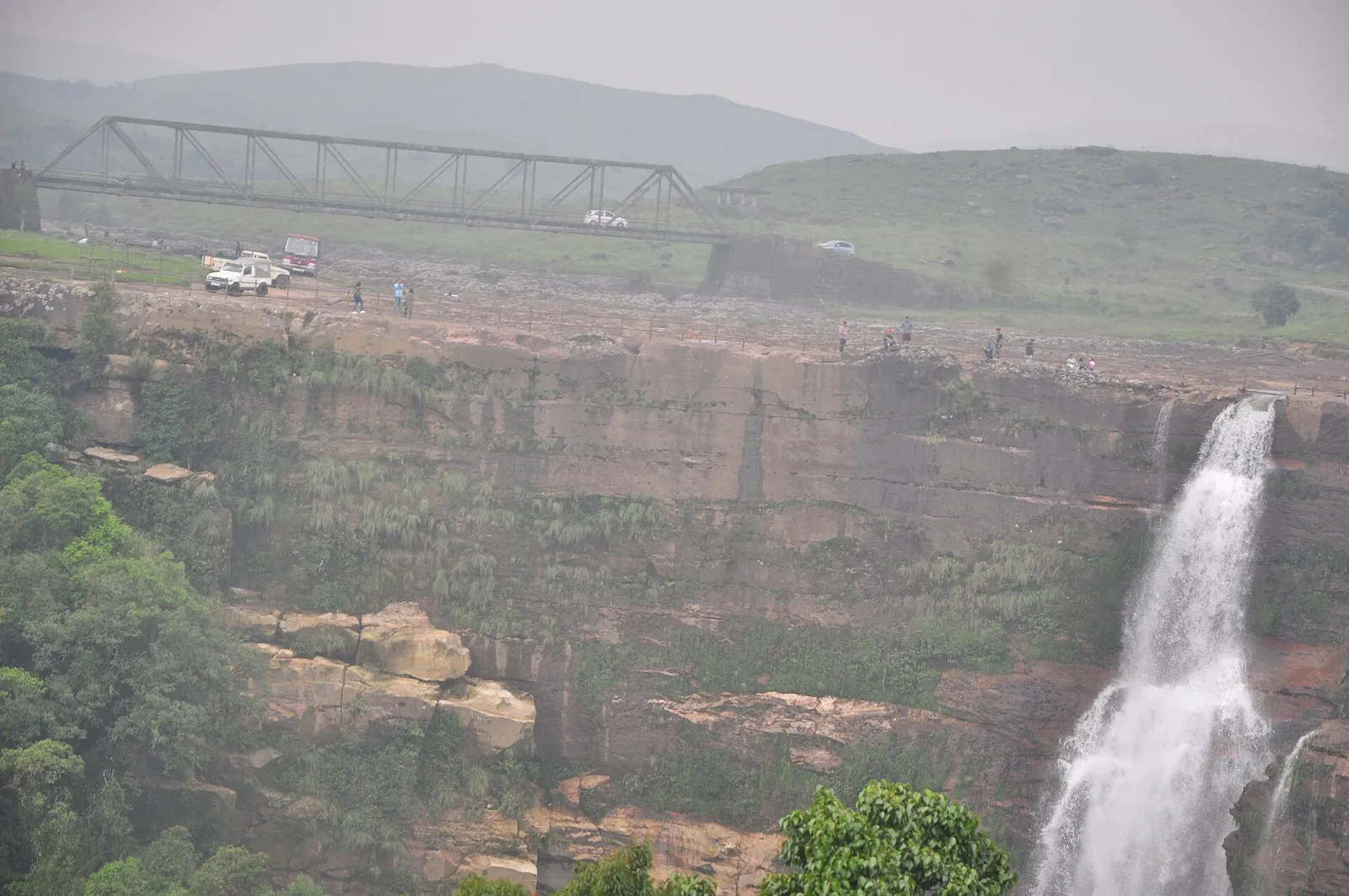
Dainthlen Falls
Dainthlen Falls is a waterfall in Meghalaya’s East Khasi Hills district. Visitors come to see the falls, which give the place its identity as a natural feature of the district.
Key facts · verified by Ghumoopedia editors
- Type of place
- Natural attraction
- Best time to visit
- October to May; the monsoon is dramatic for waterfalls but roads and treks become slippery
- Verified
- 21 Nov 2026
In Meghalaya, Dainthlen Falls is located within the East Khasi Hills district. It is identified as a waterfall, making the falls the defining feature of the place. The site can be described simply by its name, type and district: Dainthlen Falls, a waterfall in East Khasi Hills. This places it among the waterfall destinations associated with Meghalaya. For anyone visiting, the central reason to stop here is to see the waterfall itself. The name refers to the falls, while the district and state provide its geographical setting. The Khasi, Jaintia and Garo communities follow matrilineal traditions, and community councils manage much of the land visitors pass through. Meghalaya is among the wettest places on earth: Sohra and Mawsynram receive extreme monsoon rainfall. Shillong is cool all year, and fog can close viewpoints at any season. The usual best time to visit is October to May; the monsoon is dramatic for waterfalls but roads and treks become slippery. Days are short in Northeast India: the sun can set before 5 pm in winter, so plan to reach and leave Dainthlen Falls in daylight. For official information, see Meghalaya Tourism at https://www.meghalayatourism.in.
Why it matters
Dainthlen Falls is listed in Ghumoopedia’s Meghalaya index as a natural waterfall in East Khasi Hills district. Its regional interest lies in the dramatic waterfall scenery associated with the Khasi Hills and in the local stories connected with the site. Before setting out, ask Meghalaya Tourism or your host to confirm the route, access arrangements and local guidance. Treat the falls as a natural site within a living landscape, and follow any directions given by local landowners or community representatives.
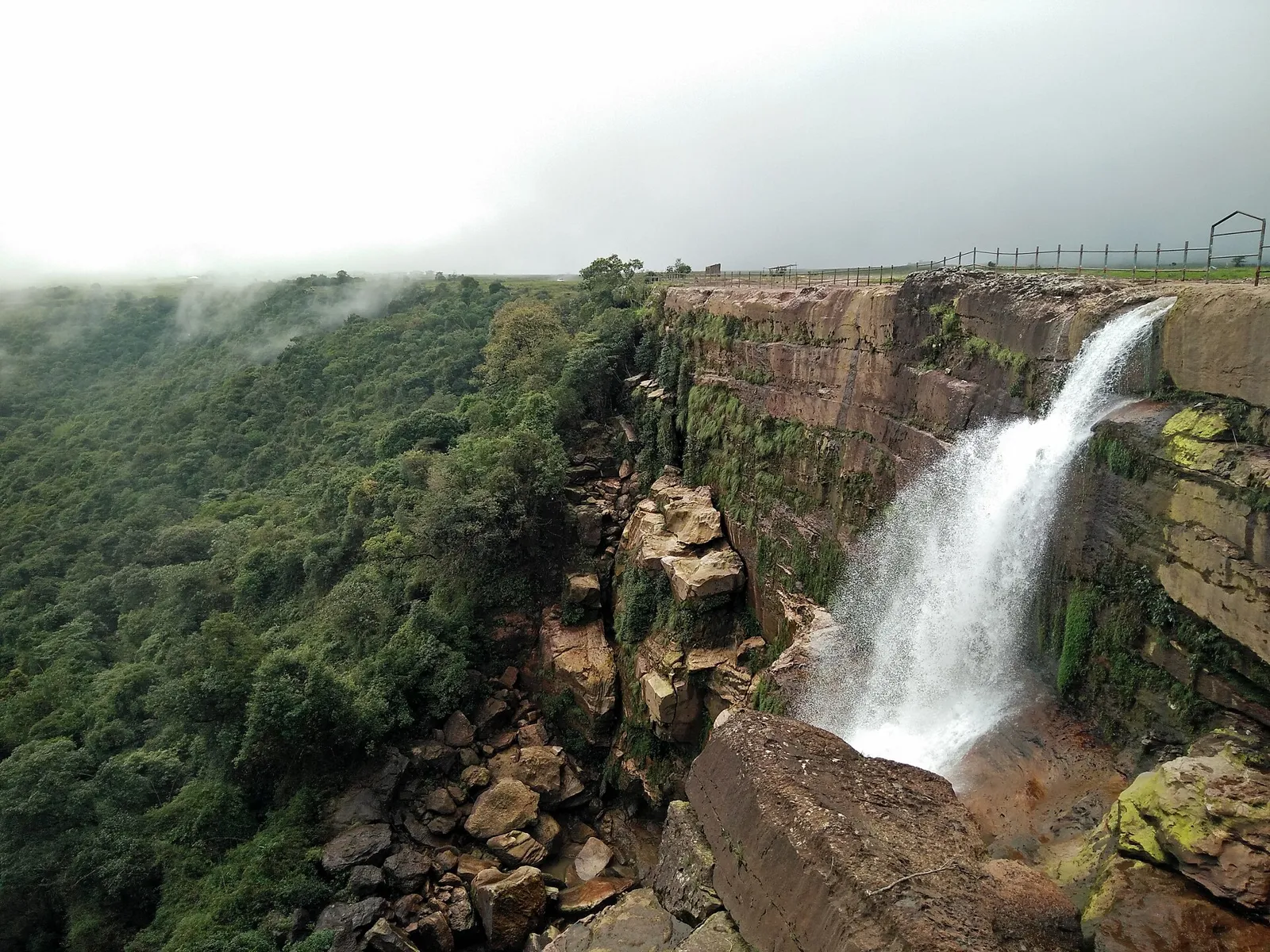
Dainthlen Falls is a natural feature rather than a known built monument. Its long-standing place in Khasi oral tradition is reflected in stories associated with the name Dainthlen and a mythical serpent called the Thlen; accounts are not uniform and should be understood as folklore rather than a dated historical record. The falls lie in East Khasi Hills, a region where land and access are closely connected to local communities and customary practices. Visitors should not assume that paths or facilities shown in older descriptions remain open or maintained. For current information about access and any site management, check with Meghalaya Tourism or ask a local host before travelling. Respect notices, community guidance and restrictions encountered on the way.
Origin stories & folklore
According to Khasi oral tradition, the name Dainthlen is associated with the Thlen, a fearsome mythical serpent. A commonly told version says the creature was killed at or near the falls, and the place became linked to that episode. Story details differ between tellings, so this should be treated as folklore, not as a verified account of a historical event or the waterfall’s geological formation. If you hear the story from local residents, listen respectfully and avoid presenting one version as the only authoritative one. The falls are a natural place as well as a setting in living oral tradition; visitors should not stage or disturb anything in an attempt to recreate the legend.
Spend unhurried time at Dainthlen Falls: walk the marked paths, use official viewpoints and ask locally whether a guide, entry ticket or permit is needed. Admire the water from safe points rather than climbing wet rocks or swimming in unknown currents. Wildlife sightings are never guaranteed — patience and quiet improve your chances. A comfortable itinerary is one main visit in the morning, a local meal at midday and a short nearby stop before an afternoon return. Use the district list on this site to find other places in East Khasi Hills, but check the actual road route and its condition before combining stops. If a festival is on, local roads and stays can be busy — and the experience can be unforgettable. Leave no litter: many sites in Meghalaya are protected by the communities who own them.
Suggested itineraries
Half day: Confirm the route locally; travel to the falls; spend about 1–2 hours at permitted viewpoints and paths; return in daylight. Full day: Visit the falls in the morning; pause for a local meal; choose one nearby attraction such as Mawsmai Cave or Nohkalikai Falls if road conditions and time allow; return before dusk. Gentler option: Arrange a vehicle drop-off as close as locally permitted, enjoy a brief visit from the safest accessible viewpoint, and skip uneven paths or additional stops.
Khasi languages and customs are part of everyday life across much of East Khasi Hills; English is also commonly used in visitor-facing settings, though this varies. Khasi cultural life includes distinctive music, dance and community gatherings, but no particular performance should be expected at the falls. The Khasi, Jaintia and Garo communities are known for matrilineal traditions, while land management and local decisions may involve community institutions. Ask before photographing residents, homes or gatherings, and follow signs or requests about access. Visitors should keep to accepted paths, leave no litter and avoid treating stories or customs as staged attractions.
Local communities
The falls are in East Khasi Hills, a district with a strong Khasi presence and diverse local communities. Khasi households and communities have varied livelihoods, which may include farming, trade, services and tourism-related work; it would be misleading to assume that all residents depend on visitors. Community councils and customary land arrangements can shape access to places in Meghalaya, so local guidance matters even where a site appears open. Be courteous when asking about routes or facilities, seek permission before entering private land or photographing people, and respect any restrictions communicated by residents or site managers.
Festivals & events
In the wider Khasi region, community festivals and dance gatherings take place at different times of year. Nongkrem Dance is associated with Smit near Shillong and is generally held in the autumn period; Shad Suk Mynsiem is a spring celebration associated with Shillong. These events are not at the falls, and dates and access arrangements vary from year to year. If combining a festival with a visit, check locally: roads, accommodation and transport can be busier, and festival spaces should be approached with respect for participants and local rules.
Local food in Meghalaya includes jadoh (rice cooked with meat), dohneiiong (pork with black sesame), tungrymbai (fermented soybean), pumaloi and Garo dishes such as kapa. Ask what is fresh that day; many small eateries cook a limited daily menu. Pork, beef, fish and fermented ingredients are common in tribal cuisines, so vegetarian travellers should explain their needs clearly — rice, dal, vegetables and eggs are usually possible in towns. Remote sites may have no restaurant at all. Carry water and snacks, eat a proper breakfast before long drives, and ask your accommodation for a packed lunch if you are heading out early. Try a homestay-cooked meal when you can — it is often the best food in the hills. Choose busy, clean places and carry your packaging back to town.
Shopping & local experiences
There is no verified shop or market at Dainthlen Falls, so do not count on buying supplies at the site. In Shillong or other towns along your route, look for locally made Khasi textiles, woven goods and other crafts, checking their origin and buying respectfully. Food experiences may include Khasi dishes at local eateries, with availability depending on the town and season. Ask before photographing artisans or stalls, and avoid collecting plants, stones or other natural items from the falls. Carry reusable water containers and take all packaging back with you.
Dainthlen Falls is a waterfall in the hill landscape of East Khasi Hills. During the monsoon, water levels and flow can change quickly, while wet rocks and paths may become hazardous. The broader Khasi Hills support varied plant and bird life, but no particular species or wildlife sighting can be promised at the falls. Watch from stable, permitted viewpoints, avoid entering the water or climbing slick rock, and carry out all litter. Follow local advice if rain, fog or changing water conditions make the approach unsafe.
October to May; the monsoon is dramatic for waterfalls but roads and treks become slippery
These figures are calculated from map coordinates — hill roads in Meghalaya wind a lot, so actual road distance and travel time are usually much longer. Guwahati is the main rail and air hub for the region, and most long-distance journeys connect through it. For the final leg, Meghalaya Transport Corporation (MTC) and shared taxis from Shillong’s Police Bazaar and Anjalee terminals link district towns; shared taxis usually leave early in the morning and depart only when full. A private taxi gives more flexibility for remote sites. When comparing train, bus and flight, count the complete door-to-door time: a flight saves the most time only if the onward road transfer is short, while an overnight train to Guwahati plus a road journey can save a hotel night. Book your return before you leave, because seats on shared vehicles and the few daily flights fill quickly. Current train numbers, timings, return services and fares are not listed here; check IRCTC and NTES for trains and the airline’s own schedule for flights. No Inner Line Permit is needed for Indian visitors to Meghalaya. Many villages, caves, waterfalls and living root bridges charge a small community entry or parking fee, and some sites have their own visitor rules.
Getting around
Shillong is a common regional starting point; shared taxis and Meghalaya Transport Corporation services connect Shillong with district towns, while a private taxi offers more flexibility. Ask the driver or a local host to confirm the correct drop-off and whether a vehicle can reach the site. Do not assume autos, local buses or taxis operate at the falls themselves. Check parking availability before arrival, and walk only on accepted paths; avoid relying on mobile directions alone in poor weather or fog.
Hours, tickets & permissions
Depending on local arrangements, visitors may encounter an entry ticket, a permit requirement, camera restrictions or requests to register; do not assume any of these apply without checking. Ask Meghalaya Tourism, your host or the local site representative about current access, rules and fees before travelling. Confirm the day’s conditions as well, and plan to arrive and leave in daylight, especially in winter when daylight is shorter.
Facilities
Toilets, drinking water, food stalls, parking and guide services may be limited or unavailable at the site, so check locally and bring water and essentials from a town. Carry out all rubbish and do not rely on finding an ATM nearby. In the wider Sohra area, visitors may find places to eat and stay, but availability varies. Ask your host or a local operator about current facilities, road access and whether any community-managed arrangements apply before setting out.
Accessibility
Waterfall sites in the Khasi Hills can involve uneven ground, slopes and wet, slippery surfaces, especially during the monsoon; do not assume there are ramps, handrails or level viewpoints. Wheelchair and stroller access cannot be confirmed. Older visitors or anyone with limited mobility may prefer to travel with a companion, ask locally about the closest safe viewing point, and avoid continuing if the path is steep or slick. Shade and resting places are also uncertain, so plan conservatively and allow a flexible visit.
No Inner Line Permit is needed for Indian visitors to Meghalaya. Many villages, caves, waterfalls and living root bridges charge a small community entry or parking fee, and some sites have their own visitor rules. Carry a photo ID at all times; checkpoints are common. Save the emergency number 112 and your accommodation’s contact offline. Heat, humidity and sudden downpours are the main weather risks; carry water and rain protection. Stay on marked paths, keep away from cliff edges and fast water, and never approach wild animals. Avoid hill road travel after dark and during heavy rain, when landslides are more likely. Check official advisories for the region before travel, and follow local guidance if access changes.
Photography
The falls may be most appealing in soft morning light, but fog, cloud and seasonal water flow affect visibility and appearance. Use only viewpoints and paths that local authorities or landowners permit; wet rocks are not safe photo platforms. Ask permission before photographing residents, homes or gatherings. Avoid blocking paths, disturbing wildlife or leaving equipment and litter behind.
Choose a stay by the full journey to Dainthlen Falls, not just the district name. Main towns in East Khasi Hills usually offer hotels, state tourism lodges and homestays with better transport, meals and medical access, while village homestays offer a closer connection to local life. In the plains and valleys, check fans or air-conditioning and mosquito nets in summer. Book in advance for weekends, festival dates and the peak season (October to May; the monsoon is dramatic for waterfalls but roads and treks become slippery). Confirm the exact location, meals included, check-in time and cancellation terms in writing. Many homestays accept payment on arrival; avoid sending money to unverified contacts. Mobile network and digital payments can be unreliable in remote areas, so carry some cash.
The falls are associated with the wider Sohra area, but confirm the actual road route and conditions before planning linked visits. Well-known attractions in the same district include Nohkalikai Falls, Seven Sisters Falls, Mawsmai Cave and Arwah Cave. These are separate sites and should not be assumed to be a short walk or a simple detour from Dainthlen Falls. Choose one or two based on daylight, weather and road conditions, and check current access locally. Shillong is a regional base for transport and services, though travel between sites can take longer than map estimates suggest.
For couples, Dainthlen Falls rewards a slow pace: arrive early for soft light and fewer crowds, share a local meal and keep the evening free. Public displays of affection can be frowned upon in conservative communities and at religious sites, so be discreet. A homestay can make the trip memorable — confirm privacy, hot water and transport back. Keep a buffer day in your itinerary, because weather and road closures can delay plans in Meghalaya.
Q: How much time should I allow for Dainthlen Falls? A: Allow a flexible half-day including road travel; the time on site depends on access, weather and how much walking is possible. Q: When is the best season to visit? A: October to May is generally easier for travel. Monsoon water can be dramatic, but paths and roads may be slippery or affected by rain. Q: Is there an entry fee or permit? A: Check with Meghalaya Tourism or a local host before visiting. Q: Is the site suitable for children or elderly visitors? A: It may be, with close supervision, but terrain and facilities are unconfirmed. Avoid wet rocks and ask locally about the safest viewpoint. Q: Where should I stay nearby? A: Visitors often use the wider Sohra area or Shillong as a base. Confirm accommodation and the road route before travelling.
Be the first to share photos, stories, advice or a helpful contact for Dainthlen Falls.
Loading…