Ghumoopedia — Explore, Discover, Experience
Sign in
Balpakram National Park, Meghalaya

State · Northeast India

Meghalaya

The 'abode of clouds': living root bridges, caves and clear rivers.

Capital
Shillong
Districts
7
Destinations
30
Plan a trip in Meghalaya

Overview

Understanding Meghalaya

Culture

Matrilineal Khasi, Garo and Jaintia traditions.

Food

  • Jadoh
  • Dohneiiong

Festivals

  • Wangala
  • Shad Suk Mynsiem

Experiences here

  • Mountain
  • Tribal
  • Wildlife
  • Festivals

Verified by the Ghumoopedia editorial team on 21 Nov 2026. Written and reviewed by Ghumoopedia's editors. Timings, fees and permits can change, so check them with the managing authority shortly before you travel.

The complete guide

Meghalaya: a traveller's guide

Why visit

Meghalaya, the “abode of clouds,” is a place of steep green hills, rain-fed waterfalls and communities whose customs remain closely connected to land and kinship. In the Khasi Hills, living root bridges show how people have guided the growth of tree roots across streams; elsewhere, caves, monoliths and clear rivers reward visitors who look beyond the best-known viewpoints. Shillong, the state capital, offers music, markets and a base for exploring the surrounding hills, while Sohra (Cherrapunji) is known for dramatic escarpments and waterfalls. Jowai and Tura introduce visitors to the distinct landscapes and traditions of the Jaintia and Garo Hills.

The state suits several kinds of journey: short scenic breaks, longer road trips, village stays, waterfall and cave visits, and walks to heritage sites. You can see Nohkalikai Falls, explore Mawsmai Cave, visit Mawlynnong or make the demanding descent to Nongriat and its root bridges. The Umngot River at Dawki, the forested valleys of the Garo Hills and the cultural collections at Shillong’s Don Bosco Centre for Indigenous Cultures add different perspectives. Travel is most rewarding at an unhurried pace: distances can take time on winding roads, and weather may change plans. Respectful visits, local guides and time to learn about Khasi, Garo and Jaintia life make the journey richer.
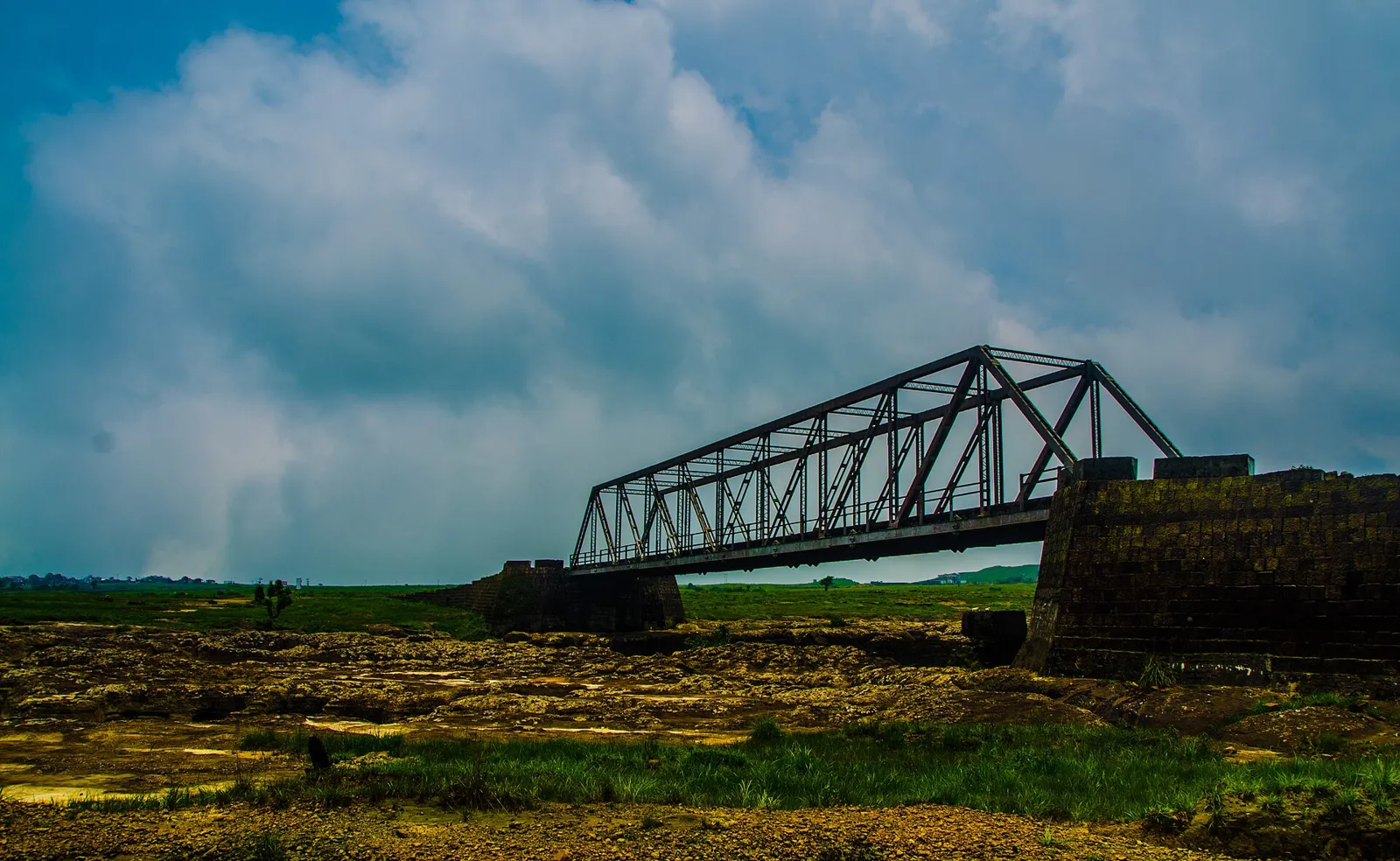
Landscape & climate

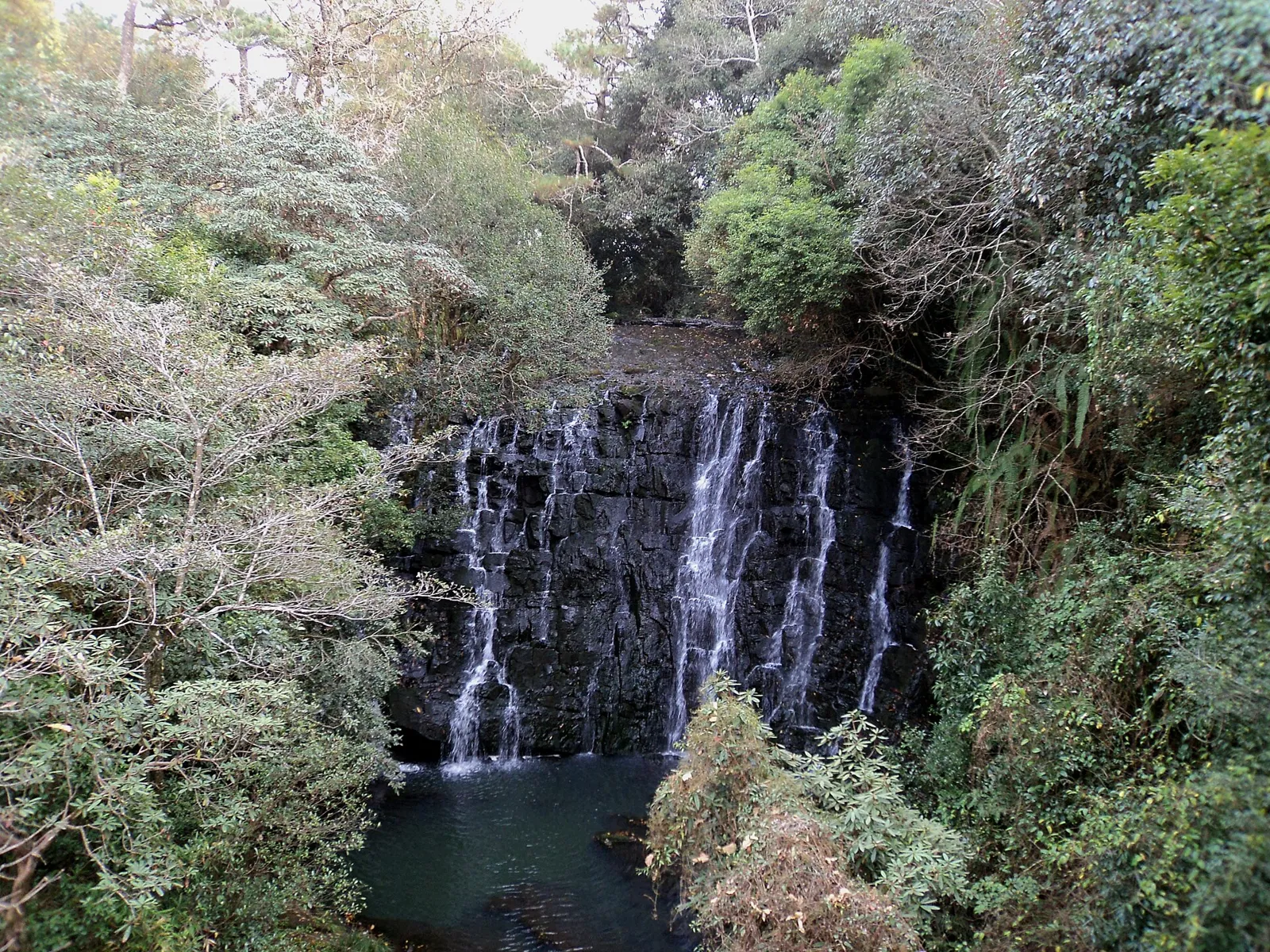
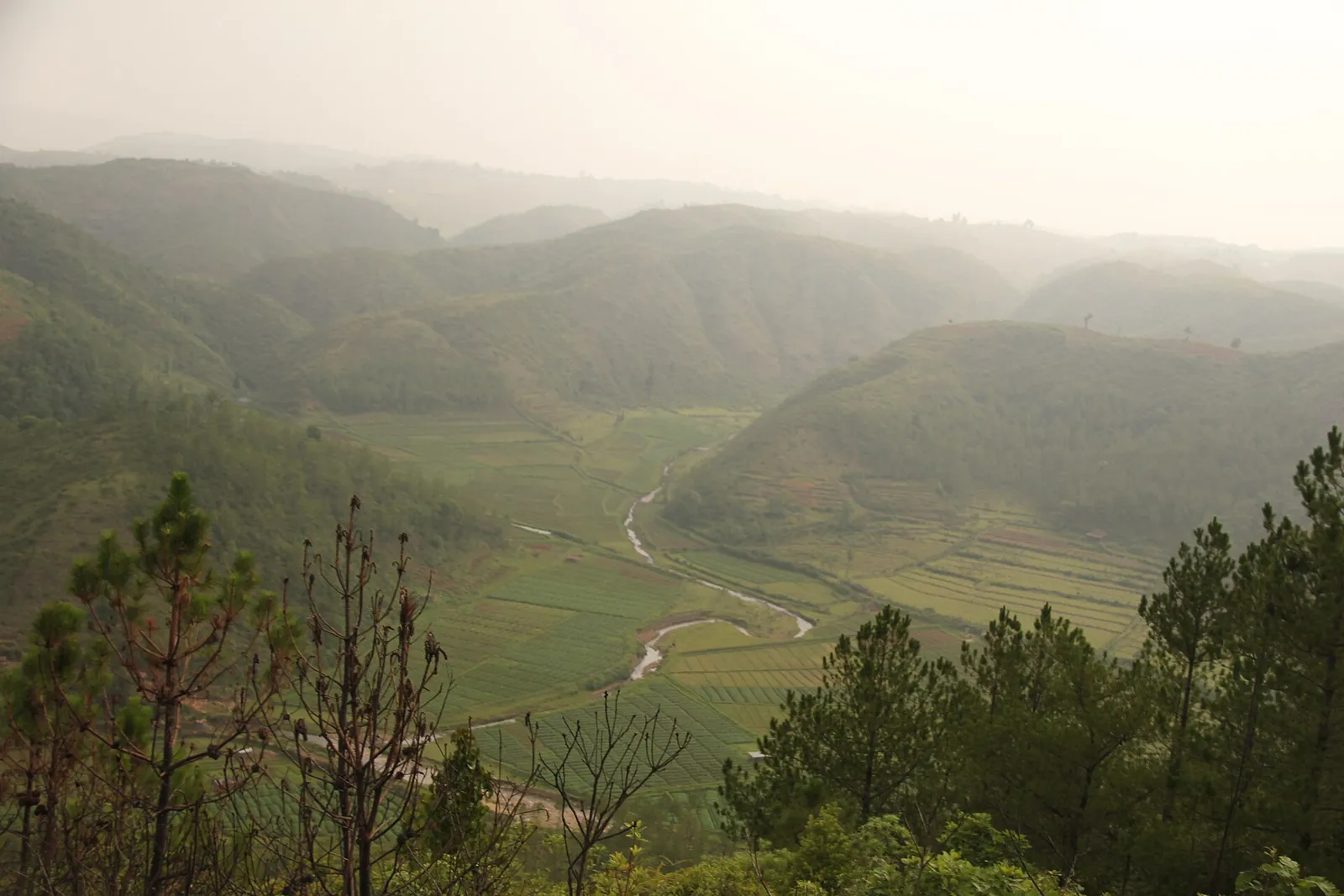
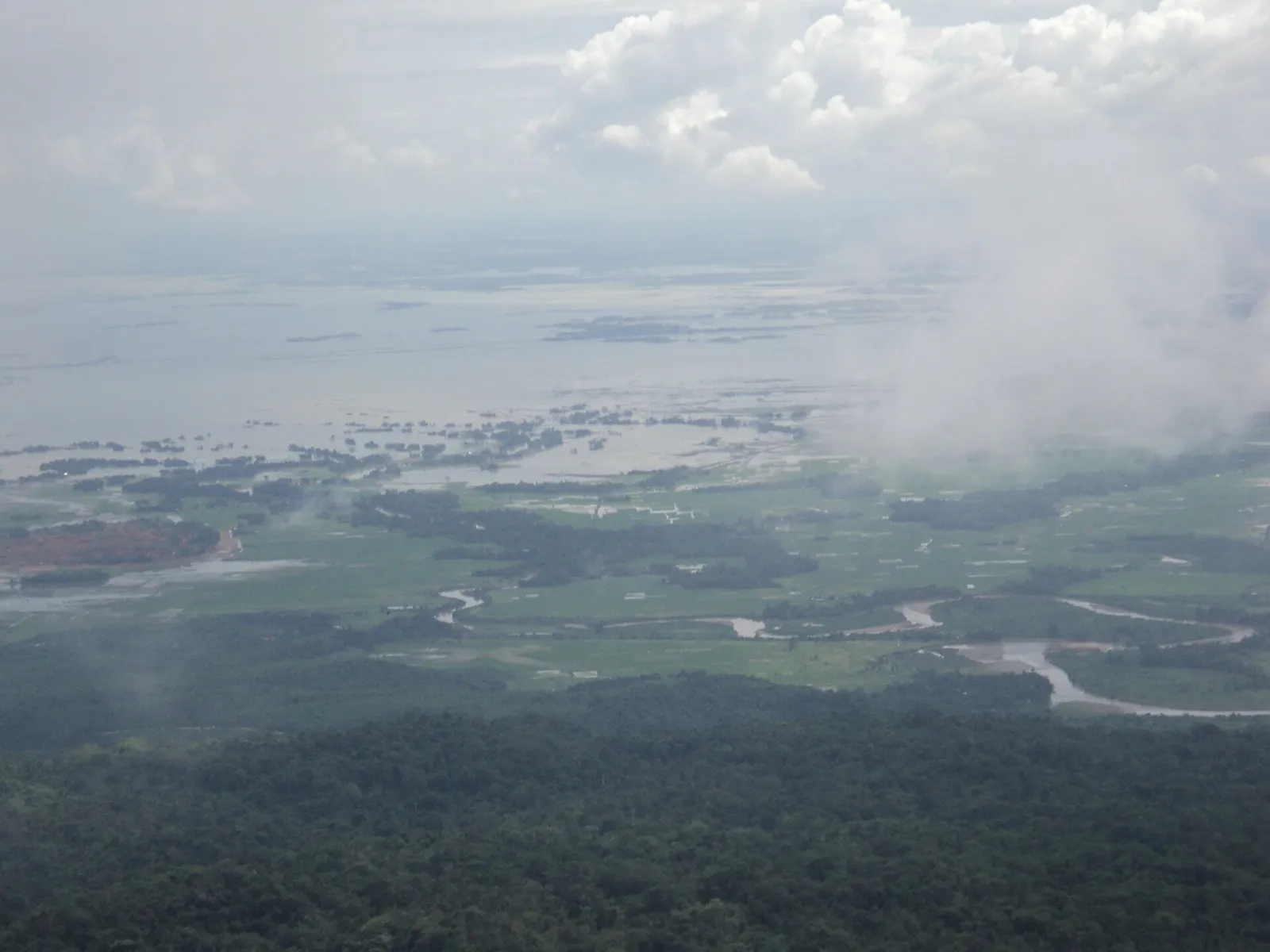
Meghalaya is an upland state between Assam and Bangladesh, with no coastline. Its main highland regions are the Garo Hills in the west, the Khasi Hills around Shillong and Sohra, and the Jaintia Hills to the east. Much of the plateau rises above the plains, then drops sharply along its southern edge toward Bangladesh. This escarpment creates deep valleys, cliffs and celebrated waterfalls such as Nohkalikai, Kynrem and Nohsngithiang. Forests range from subtropical broadleaf woodland to pine-covered slopes, while caves and limestone formations are especially prominent in parts of the Khasi and Jaintia Hills.

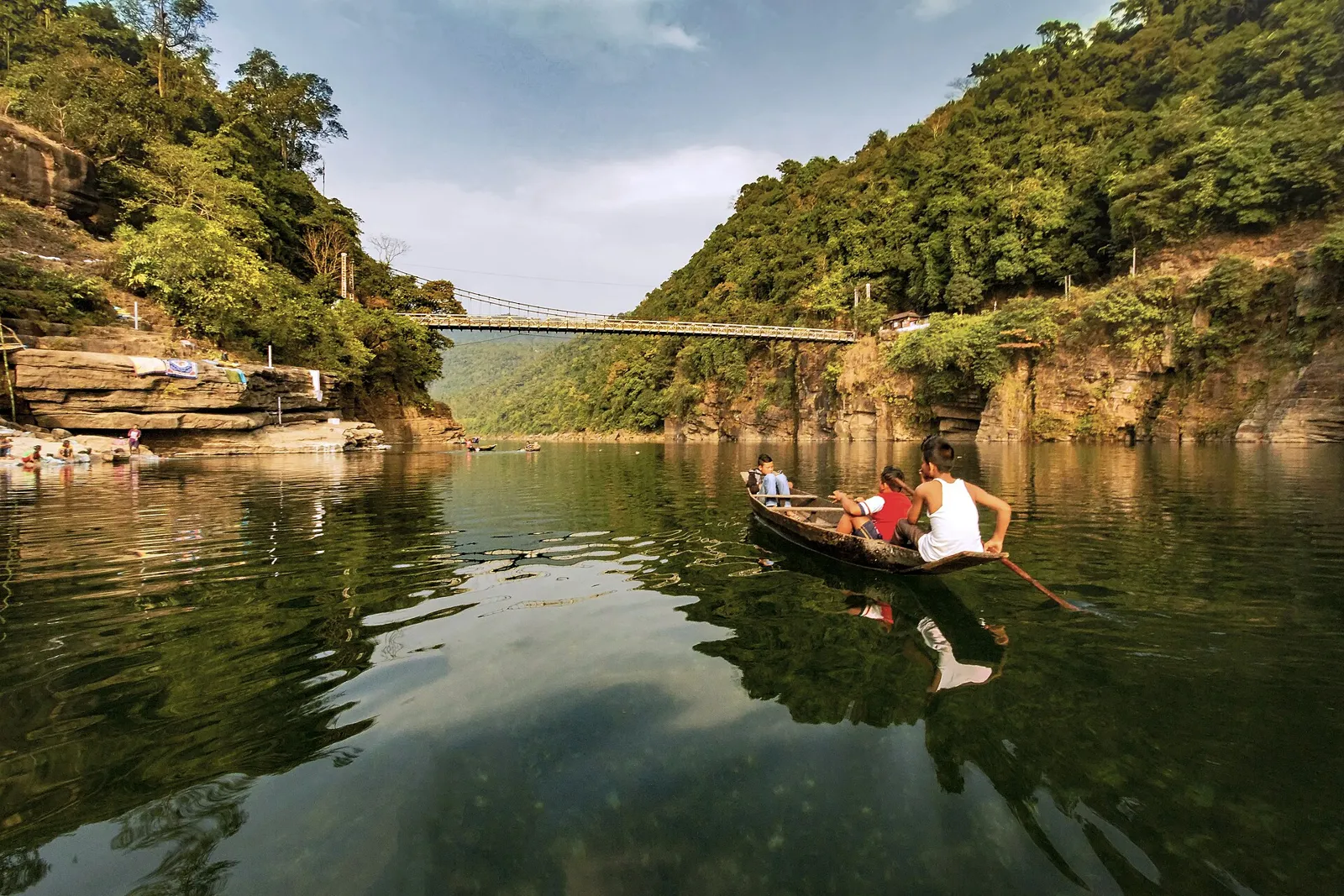
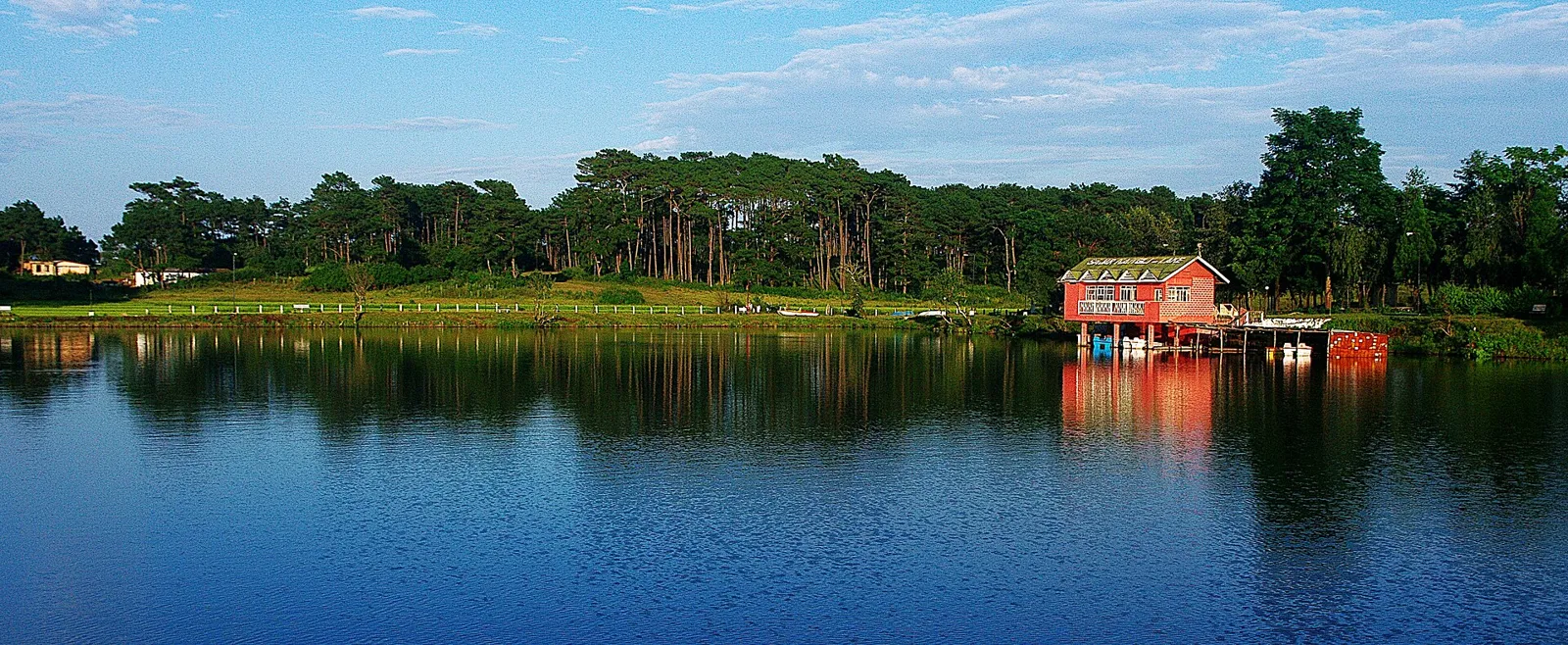
Rainfall shapes both scenery and travel. Moist monsoon winds bring very heavy rain to the southern slopes, particularly around Mawsynram and Sohra, and streams swell into powerful falls. The wet season generally extends from late spring into autumn, though showers and local conditions vary. Rivers including the Umngot, Myntdu, Kynshi and Simsang flow through valleys toward Bangladesh or the Brahmaputra basin. Umiam Lake, north of Shillong, is a reservoir rather than a natural highland lake. Winters are usually cooler and drier, especially in the hills; spring and autumn bring changing temperatures and clearer intervals. The Garo Hills are generally lower and warmer than the Shillong plateau, while exposed ridges can feel cool and misty. Conditions differ sharply by altitude and side of a ridge, so a bright morning does not guarantee a dry afternoon.

History & heritage

Meghalaya’s heritage predates written colonial records. Khasi and Jaintia communities developed political and social institutions organized around local territories and chiefs; Khasi political units are often described as hima. Garo communities built distinctive systems of community life across the western hills. Megaliths, sacred groves and old settlement landscapes preserve evidence of long-standing relationships between people, ancestors and place. Nartiang, in the Jaintia Hills, is known for its striking monoliths as well as its Durga temple. Thadlaskein Lake is associated in local tradition with the Jaintia past, although stories about its origin belong to oral history rather than settled archaeological fact. Across the region, customary law and oral traditions continue to inform ideas of belonging and stewardship.

British expansion brought major political change during the nineteenth century. After conflict with Khasi chiefs, including the resistance led by Tirot Sing, British authority extended across much of the Khasi Hills. The Jaintia kingdom was annexed in 1835, and British campaigns later brought the Garo Hills under colonial control. Shillong grew as an administrative centre and became the capital of Assam in 1874. Missionaries, schools, print culture and colonial administration influenced education and public life, while local languages, institutions and religious practices continued to evolve. After Indian independence, the hill areas remained within Assam, but movements for greater autonomy gathered strength. Meghalaya became an autonomous state within Assam in 1970 and attained full statehood on 21 January 1972. The modern state’s history is therefore tied both to constitutional change and to the persistence of community institutions and cultural identities. Shillong remains its capital, while district centres such as Tura and Jowai serve as important regional hubs.

Culture, people & festivals

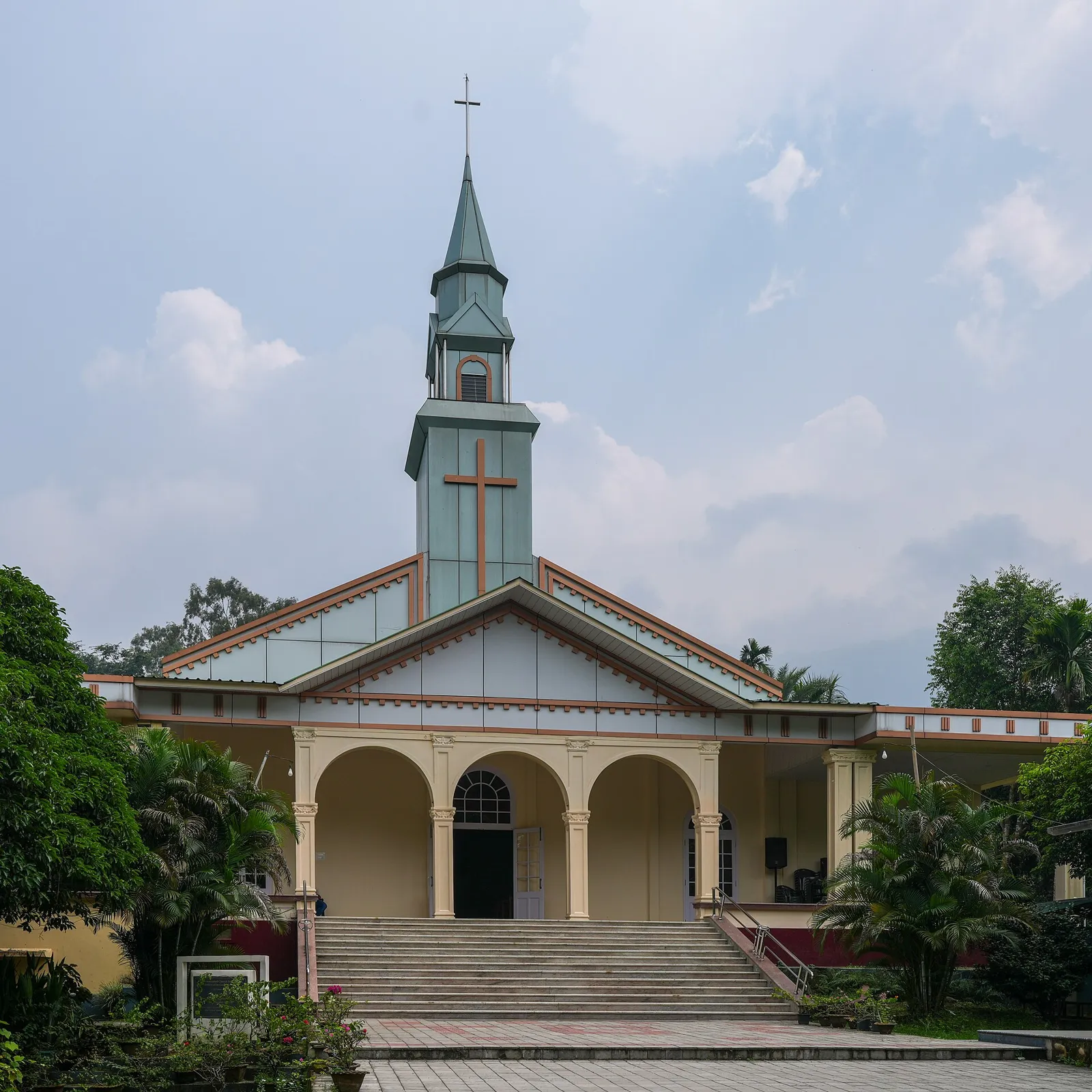
Meghalaya is home chiefly to Khasi, Garo and Jaintia (Pnar) communities, alongside people with many other backgrounds. Khasi, Garo and Pnar are widely spoken, and English is used in administration and education; many residents also speak other regional and national languages. Khasi and Jaintia social traditions are matrilineal: descent and inheritance commonly follow the mother’s line, with the youngest daughter often having a particular responsibility for family property. Practices vary between families and communities, so this should not be taken as a single rule for everyone. Garo society also has strong matrilineal traditions. Christianity is prominent, while indigenous faiths such as Niam Khasi, Niamtre and Songsarek, as well as Hinduism and other religions, contribute to the state’s diverse religious life.

Music, dance and community gatherings are central to cultural expression. Drums, flutes, gongs and group singing accompany ceremonies and seasonal celebrations, with styles differing across the hills. Shad Suk Mynsiem, usually held in April, is a Khasi thanksgiving and renewal festival marked by ceremonial dance. The Garo harvest festival Wangala, often called the Hundred Drums Festival, is generally celebrated in November after the harvest. In the Jaintia Hills, Behdienkhlam usually takes place in July and brings communities together in prayers and processions. Nongkrem, celebrated around autumn in the Khasi Hills, is another important harvest and thanksgiving festival. Dates can vary by community and local calendar. Visitors are welcome to observe where appropriate, but should ask before photographing ceremonies or people and follow local hosts’ guidance about access, dress and conduct.

Food & flavours

Rice is a staple across Meghalaya, often served with pork, fish, vegetables or fermented foods. Jadoh, especially associated with Khasi cooking, is a fragrant rice dish commonly prepared with pork and spices; recipes vary between households. Dohneiiong pairs pork with black sesame, giving the gravy a rich, distinctive flavour. Other Khasi dishes include tungrymbai, made with fermented soybeans, and jhur side dishes of greens or vegetables. Meat is important in many regional meals, though vegetable-based food is available and visitors can explain dietary needs when ordering. Food may be mildly seasoned or quite hot, and preparation differs from one community and locality to another.

Garo cooking features rice with dishes such as nakham, a preparation of dried fish, and sakkin gata, a steamed rice cake often wrapped in leaves. In the Jaintia Hills, rice, seasonal greens, fish and local preparations of pork reflect both farming and river landscapes. Smoked, dried and fermented ingredients are valued for flavour and keeping quality. For something sweet, look for pukhlein, a fried rice-flour preparation, as well as pumaloi, steamed powdered rice, and variations of rice cakes such as sakin gata. Local fruit, including citrus, may appear in snacks and seasonal produce stalls. Food is often served in a simple, generous style; asking about ingredients is useful if you avoid meat, fish, fermented foods or particular spices.

Crafts, textiles & what to buy

Handloom weaving is among Meghalaya’s most visible crafts. Khasi and Jaintia textiles include wraps and garments woven in vivid colours and geometric patterns, while Garo weaving is associated with the dakmanda, a traditional cloth worn as a wrap. Ryndia, or eri silk, is produced and woven in parts of Meghalaya and is valued for its soft texture and relatively low-impact production. Bamboo and cane are fashioned into baskets, mats, containers and household items, with designs and techniques varying by community. Woodcarving, simple musical instruments and beadwork can also be found, though availability differs between towns and villages. Buying directly from a recognised cooperative or maker can help keep income with local producers.

Products with geographical indication recognition include Lakadong turmeric from the Jaintia Hills, prized for its strong colour; Khasi Mandarin, grown in the Khasi Hills; Garo Dakmanda textile; and Ryndia. Meghalaya Garo Chubitchi, a traditional rice-based alcoholic drink, also has GI recognition, but it is not a suitable souvenir for every traveller. Markets in Shillong and regional towns may carry textiles, baskets, spices and packaged foods; specialist producer groups can help identify origin and workmanship. Ask whether a textile is handwoven and how it should be cared for, and check current customs or airline rules before carrying food products internationally. Choose items made from responsibly sourced materials, and avoid buying objects made from protected plants, animals or cultural artefacts.

Getting there & getting around

Most visitors arrive through Guwahati in Assam, whose Lokpriya Gopinath Bordoloi International Airport has broader air connections than Shillong’s Umroi Airport, also called Shillong Airport, where services are limited and may change. Guwahati is also the principal rail gateway, with a major railway station and onward road connections into Meghalaya. Mendipathar in the Garo Hills is Meghalaya’s railhead, but services and useful connections should be checked for the intended journey. The NH 6 corridor connects Guwahati with Shillong and continues toward Jowai; NH 17 serves routes through the western Garo Hills toward Tura. Road journeys are scenic but winding, and travel time can be affected by rain, roadworks and local traffic.

Shared taxis and private cabs are common ways to travel between towns, while local taxis and other shared vehicles serve shorter routes. Shillong is a practical base for day trips to Umiam Lake, Mawphlang and nearby waterfalls, but Sohra, Dawki, Jowai and Tura are better approached as separate road journeys or overnight stops. Public transport options vary by route and may be less frequent outside major centres. For remote caves, villages and trails, arrange a local guide and confirm the condition of roads and paths before setting out. Do not assume a vehicle can reach the final destination: sites such as Nongriat require a substantial walk and descent. Keep flexibility in the itinerary, especially in the wet season, and verify airport, rail and road information through current official or operator sources before departure.

When to go & travel tips

For waterfalls, rivers and lush scenery, the monsoon and the months around it can be spectacular, but heavy rain may obscure views, disrupt roads and make trails slippery. For clearer skies and easier walking, many visitors prefer the drier months from roughly November to April; winter can be chilly in the highlands, while spring is often pleasant. The Garo Hills are generally warmer, and seasonal conditions vary across the state, so check local forecasts for each region rather than relying only on Shillong’s weather. Pack a waterproof layer, quick-drying clothes, sturdy footwear with grip, a warm layer for evenings and a small day bag for changing conditions.

Roads, cave floors and waterfall paths can be hazardous when wet. Use local guides where appropriate, stay behind barriers, avoid entering flooded caves or crossing fast rivers, and do not swim unless local conditions and safety advice permit it. Carry water and essentials on long walks, and leave time for the return climb from Nongriat. Dress modestly at sacred places, ask before photographing people or ceremonies, and follow community rules in villages and sacred groves. No general tourist permit requirement should be assumed from this guide; travellers, especially international visitors, should confirm any current entry, protected-area or registration requirements with official authorities before travel. Take rubbish back with you and seek permission before camping or entering private or customary land.

Highlights

Where to begin

City by city

Cities & hubs of Meghalaya

Every sight is grouped under its city — places within about 12 km together, day trips within 40 km alongside — even across district lines. Open a city to see its attractions.

See every city, town and village of Meghalaya

More cities of Meghalaya

Away from the cities — 10 more places by district

District discovery

Meghalaya: 7 districts covered

Open a district to see its destinations and neighbours. More districts are added as our team writes them.

7 of 7 districts have destination guides

Destinations

Every guide in this state

Open a district to see its cities and towns, villages and places to see.

East Jaintia Hills1 place

Places to see

East Khasi Hills18 places
Ri-Bhoi1 place

Places to see

South Garo Hills2 places
West Garo Hills2 places

Cities & towns

West Jaintia Hills5 places
West Khasi Hills1 place

Festivals & fairs

The calendar here

Full calendar

Festivals of Meghalaya through the year

Usual season and where each is best known. Exact dates follow local calendars — linked festivals have dated guides.

  • WangalaNovemberGaro festival, Tura, West Garo Hills.
  • Nongkrem DanceNovemberSmit, East Khasi Hills.
  • Shad Suk MynsiemAprilShillong.
  • BehdienkhlamJulyJaintia community, Jowai, West Jaintia Hills.
  • Cherry Blossom FestivalNovemberShillong.
From travellers and locals

Be the first to share photos, stories, advice or a helpful contact for Meghalaya.

Loading…