
Ghumoopedia — Explore, Discover, Experience
Sign in
Tura, near Tura

City guide · Meghalaya

Tura

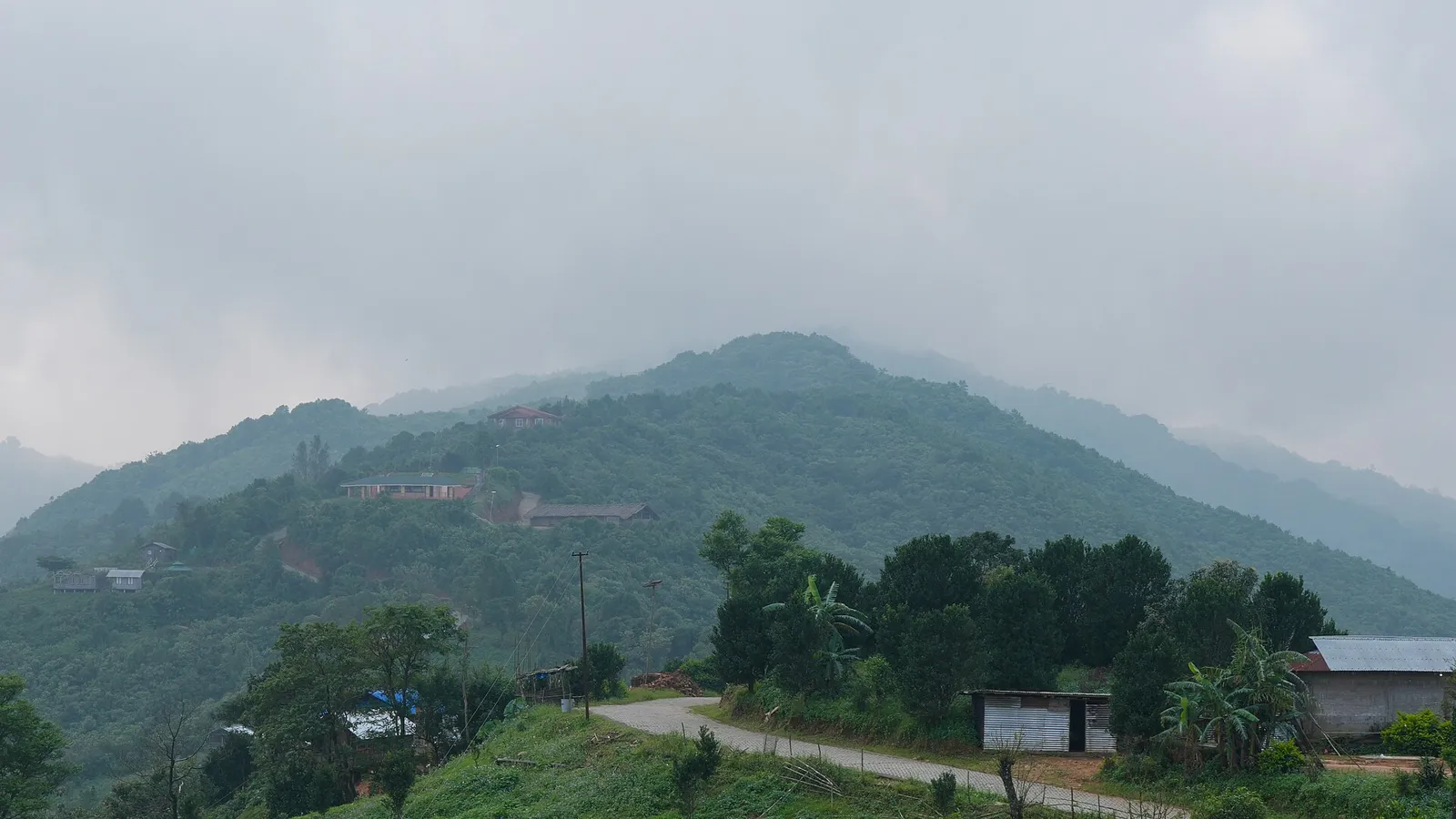
Tura is a municipality in Meghalaya’s West Garo Hills, serving as a cultural and administrative centre for the Garo people. Visitors find it among the foothills, valleys and streams.

Famous for

  • Garo cultural centre
  • Nokrek foothills
  • Wangala harvest festival
  • Tura Peak views
  • Garo handwoven textiles
In the city
2
District
West Garo Hills
Plan a tripHotels near Tura

Why Tura matters

Tura is the principal town and administrative headquarters of West Garo Hills, set among green valleys and small streams at the foothills of the Garo Hills. It is an important centre for Garo life, education and public services, with Garo and English widely used. Its location makes it a useful base for exploring the surrounding hills and nearby natural attractions, including Nokrek Biosphere Reserve. Visitors come for the region’s scenery, Garo traditions and a slower-paced town experience rather than a cluster of large tourist facilities.

Tura also connects the Garo Hills with Assam and the rest of Meghalaya. Guwahati is about 220 kilometres away, while Shillong lies roughly 323 kilometres to the east. The town’s markets, churches and educational institutions reflect its role as a regional hub. Nearby viewpoints and waterfalls offer excursions beyond the centre, and the annual Wangala harvest celebrations bring music and dance into focus. Tura’s appeal lies in this combination of practical gateway, cultural centre and foothill setting.
Famous for: crafts, trade & products

Tura is not especially known as a large textile-manufacturing or industrial city. Its distinctive local products are more closely tied to Garo culture and everyday trade. Garo women’s handwoven garments, including dakmanda, are among the region’s recognisable textiles; designs and availability vary, so visitors can ask at local shops or stalls. Bamboo and cane work, such as baskets and household items, may also be found through local sellers.

Tura Bazaar and shops in the town centre are the most practical places to look for locally made goods and regional produce. The markets serve residents from across West Garo Hills, so their everyday offerings can include seasonal vegetables, fruit and ingredients used in Garo cooking. These are working neighbourhood markets rather than curated craft destinations, and stock changes with the season. For a better chance of finding traditional textiles or crafts, ask locally about makers and current market stalls. Tura is not a reliable place to seek a particular GI-tagged product, and visitors should check the origin of any item described as locally made.

History

Before British administration, the place was known as Dura; British officials used the name Tura, reportedly because it was easier for them to pronounce. During the early nineteenth century, the Garo Hills remained largely outside regular administration, in part because malaria made permanent settlement difficult. As British authorities sought to extend control in the region, they established a headquarters at Tura in 1867, helping the settlement grow into an administrative centre.

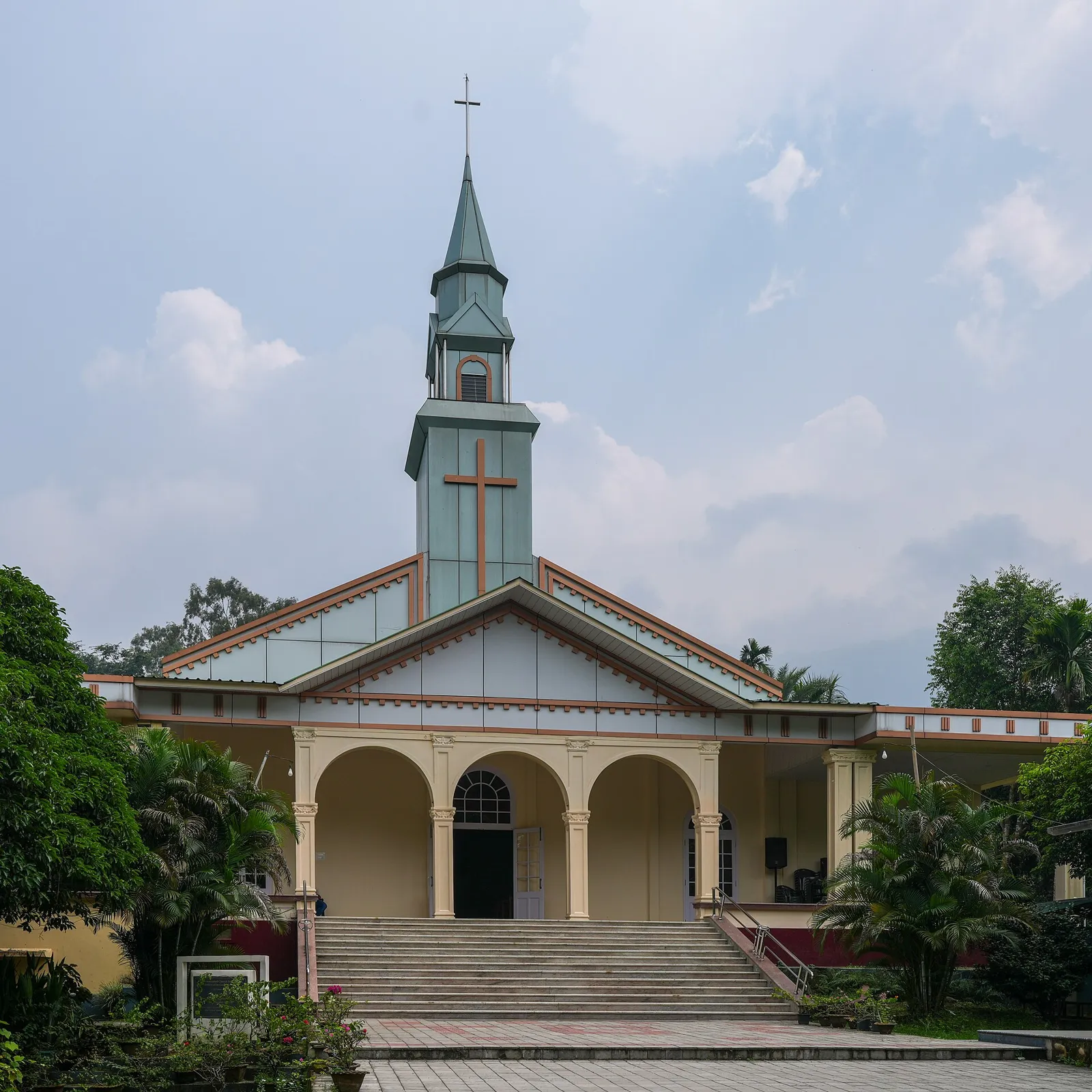
American Baptist missionaries arrived in the Garo Hills, followed by Catholic missionaries. Their work contributed to the growth of Christian institutions and education in the area, alongside established Garo traditions. After Meghalaya became a state in 1972, Tura continued as the headquarters of West Garo Hills and developed as a centre for district administration, schooling, trade and transport. Its colleges and secondary schools serve communities well beyond the town itself. Today, Tura’s regional importance rests on these civic and educational roles as well as its position among the Garo Hills.

Food, festivals & culture

Garo culture shapes daily life in Tura, alongside the influence of Christian communities and other residents. Garo and English are principal languages; other languages are also heard in this regional town. Rice is a staple, often served with pork, fish and vegetables. Garo dishes include nakham bitchi, a soup made with dried fish, and minil songa, sticky rice cooked in bamboo. Local meals can be distinctive and strongly flavoured, though recipes differ between households.

Wangala, the Garo harvest festival, is usually celebrated in autumn, often around November. Its drumming, songs and group dances honour the harvest and are a vivid expression of Garo identity; celebrations are held in the wider region, including near Tura. Churches are prominent places of worship, while Garo customary practices and traditional beliefs remain part of the region’s cultural history. Visitors may encounter folk music and dance at festival events, but performances are not necessarily scheduled year-round. The town’s cultural life is best experienced with respect for local customs and community settings.

Visiting the city

October to April is generally the most comfortable period to visit, with cooler, less rainy conditions than during the monsoon. The monsoon brings heavy rain, which can affect road journeys and outdoor plans. For scheduled commercial flights, the main gateway is Lokpriya Gopinath Bordoloi International Airport in Guwahati, about 220 kilometres away by road. Mendipathar is the nearest railway station; onward travel to Tura is by road.

Tura is served by buses and shared or private taxis, and local taxis are useful for reaching nearby sights. The central market area is a good place to browse everyday trade and try local food. Chandmari and other central neighbourhoods offer a feel for town life, while Tura Peak provides an outing above the town. Set aside additional time for road trips to waterfalls or the Nokrek area, and check local conditions before heading into the hills.

Attractions

Places to visit in Tura

Sights within about 12 km of each other, even when they fall in different districts.

Map

Tura on the map

  1. 1Tura
  2. 2Nokrek National Park

Meghalaya

Other cities to explore