
Ghumoopedia — Explore, Discover, Experience
Sign in
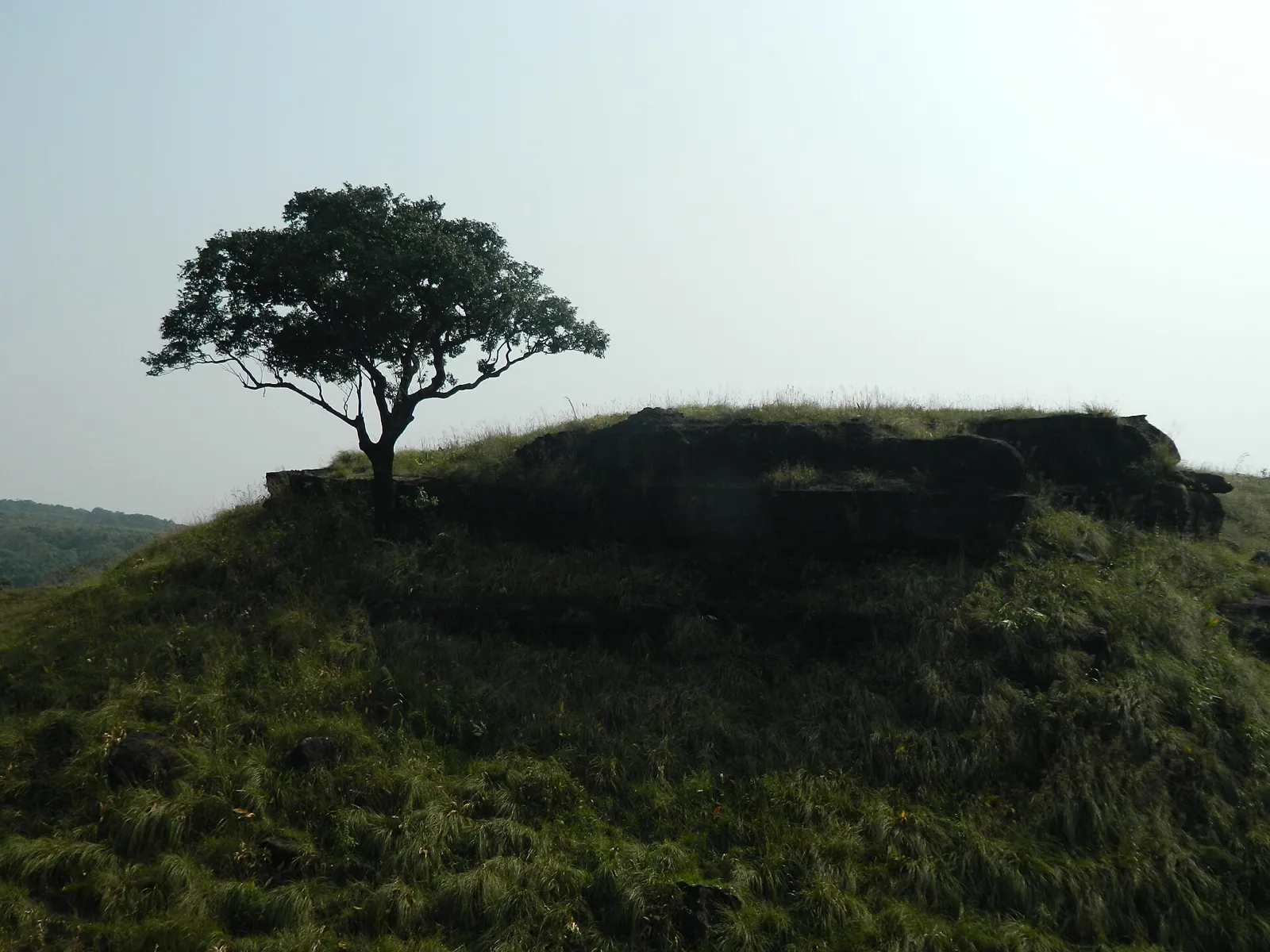
Balpakram National Park, near Williamnagar

City guide · Meghalaya

Williamnagar

Williamnagar is the administrative headquarters of East Garo Hills district in Meghalaya and an important service centre for the surrounding Garo Hills. Formerly called Simsanggre, the town stands on open plains beside the Simsang River.

Famous for

  • East Garo Hills headquarters
  • Simsang River setting
  • Garo resistance history
  • Pa Togan Nengminja Sangma
  • Garo cultural traditions
In the city
0
Nearby
1
District
South Garo Hills
Plan a trip

Why Williamnagar matters

Williamnagar is the administrative headquarters of East Garo Hills district in Meghalaya and an important service centre for the surrounding Garo Hills. Formerly called Simsanggre, the town stands on open plains beside the Simsang River. Government offices, schools, shops and transport links make it a practical base for people travelling from nearby villages and a useful starting point for exploring this part of the state.

The town’s appeal lies in its river landscape and its place in Garo history. Nearby Chisobibra is remembered as the site of a major Garo resistance to British expansion in 1837, where the leader Pa Togan Nengminja Sangma was killed. Visitors interested in local history can learn about this legacy while experiencing the everyday life of a regional Meghalaya town. Williamnagar is not a large resort destination, but its setting, cultural connections and role as a gateway to East Garo Hills give it significance beyond its administrative function.

Famous for: crafts, trade & products

Williamnagar is not especially known for a large manufacturing sector, a signature textile industry or a city-specific GI-tagged product. Its commercial life centres on local shops and markets serving the town and surrounding communities. These are the places to look for everyday goods, seasonal agricultural produce and locally made items, though availability varies.

Garo weaving and bamboo and cane work are part of the wider region’s craft traditions. Handwoven garments, including the dakmanda worn by Garo women, are culturally distinctive; visitors may encounter textiles and small craft items through local sellers, but should not expect a dedicated craft bazaar or a guaranteed range. The district’s rural economy also supplies produce to town markets, with offerings changing by season. For a better chance of finding locally made goods, ask at shops in the central market area or enquire about community events and craft displays. Williamnagar is best understood as a district service and trading centre rather than a destination for a particular branded product.

History

The settlement grew around Simsanggre, a village on the plains beside the Simsang River. The area is associated with one of the last major Garo resistances to British intrusion into the Garo Hills. In 1837, at Chisobibra on the outskirts of present-day Williamnagar, Garo leader Pa Togan Nengminja Sangma was killed during a skirmish with British forces. The episode remains an important part of local historical memory.

Williamnagar took shape as a planned township in 1976, when the Garo Hills district was reorganised and East Garo Hills was established as a separate district. The new headquarters was named for Captain Williamson A. Sangma, Meghalaya’s founding chief minister. Since then, the town has developed as the district’s administrative and service centre, with public institutions, education and commerce supporting communities across East Garo Hills. Its growth has been shaped by this official role and its connection to surrounding rural settlements.

Food, festivals & culture

Garo culture is central to life in Williamnagar. Garo is widely spoken, while English is used in administration and education; Hindi is also heard in some everyday commercial settings. Rice is a staple, often served with meat, vegetables and chilli. Regional Garo dishes include nakham bitchi, a spicy broth made with dried fish, and pork preparations; recipes and ingredients differ between households. Rice-based snacks and cakes may be found, especially around gatherings, rather than as a distinct city-wide sweets specialty.

Wangala, the Garo harvest festival, is generally celebrated in the post-monsoon season, often around November. Drumming, songs and group dances are important parts of Garo celebrations, and performances may also feature at local cultural events. Many residents are Christian, and churches are prominent community spaces; Christmas and Easter are observed alongside local customs. Visitors should ask locally about public performances, since dates and programmes can vary from year to year.

Visiting the city

The drier months, broadly from October to April, are usually the most comfortable for visiting; monsoon rain can make road journeys slower. Guwahati’s Lokpriya Gopinath Bordoloi International Airport is the main air gateway. Mendipathar Railway Station is the closest rail option in Meghalaya, while Guwahati Railway Station offers broader rail connections; check current services before planning onward travel.

Williamnagar is reached mainly by road, and shared vehicles and local taxis are the practical ways to get around. The central market and administrative area show the town’s everyday rhythm. The Simsang riverbank and the outskirts around Chisobibra offer a sense of the landscape and local history, but check access and road conditions locally. Allow time for journeys between settlements, and arrange transport in advance for visits beyond the town centre.

Short trips

Around Williamnagar

Within about 40 km — easy half-day or day trips from the city.

Map

Williamnagar on the map

  1. 1Balpakram National Park

Meghalaya

Other cities to explore