Ghumoopedia — Explore, Discover, Experience
Sign in
Cherrapunji, near Cherrapunji

City guide · Meghalaya

Cherrapunji

Cherrapunji, or Sohra, is a sub-divisional town in Meghalaya’s East Khasi Hills. Travellers are drawn to its history as a Khasi kingdom capital and its exceptional rainfall records.

Famous for

  • Living root bridges
  • Exceptional monsoon rainfall
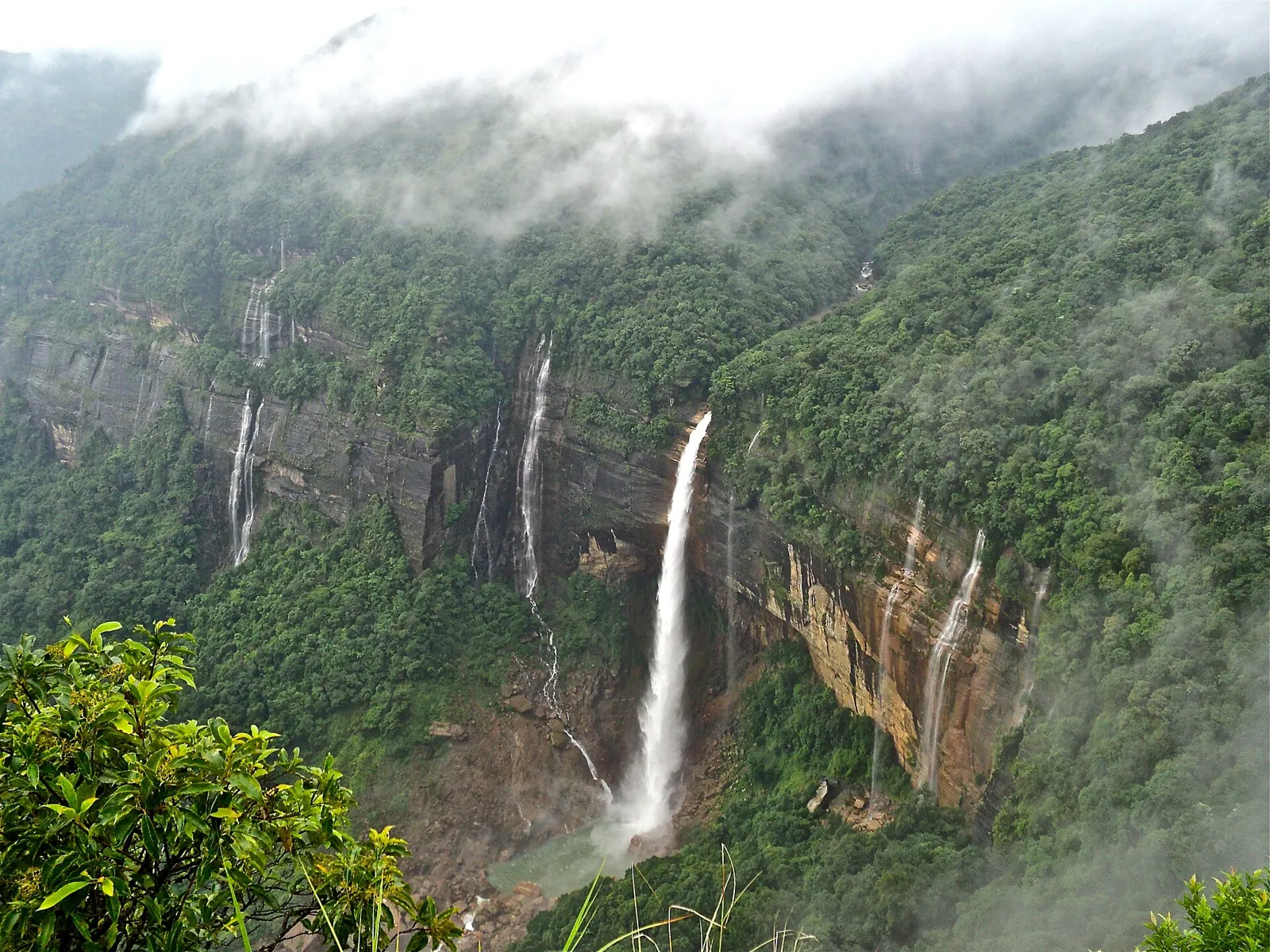
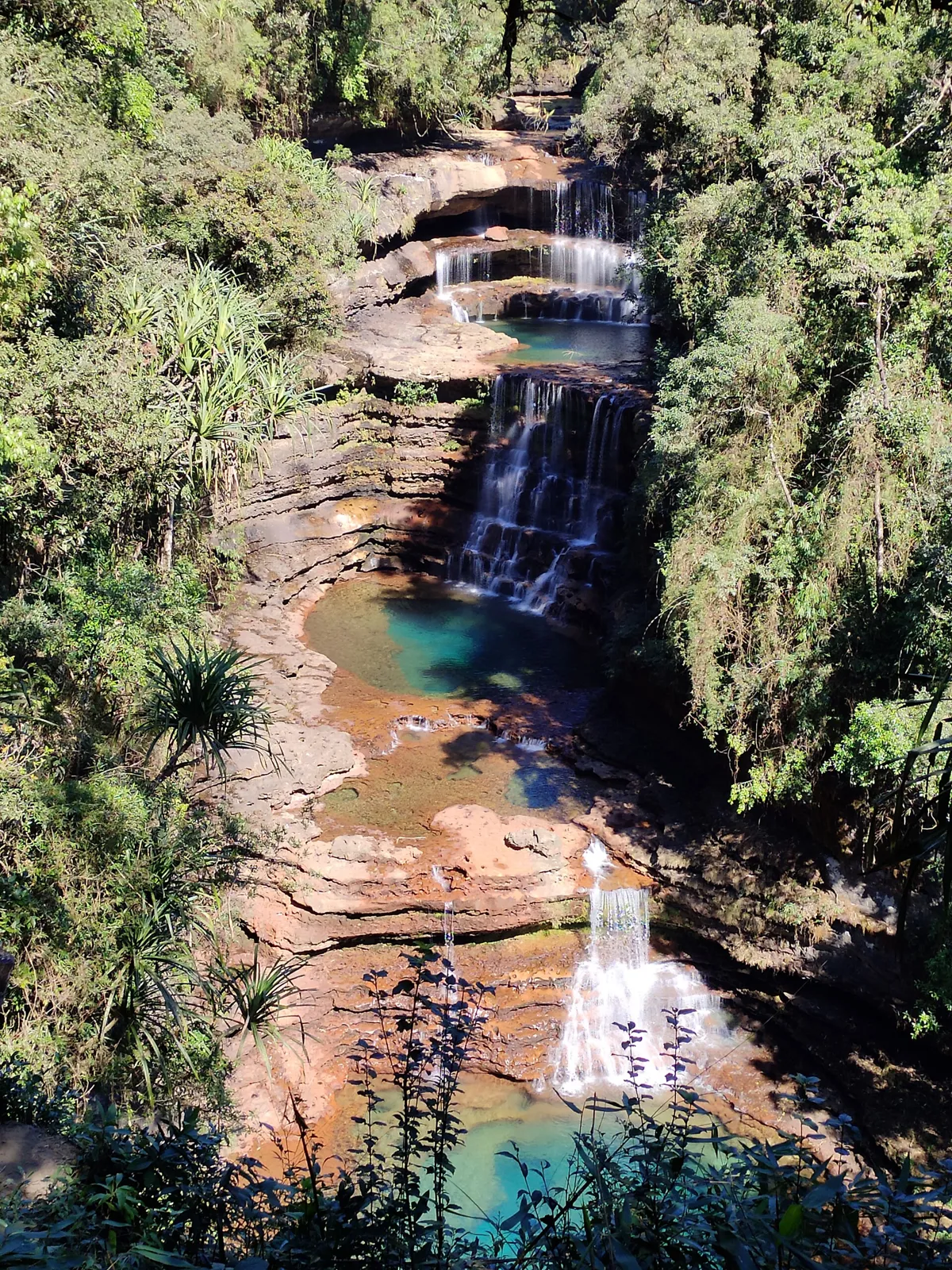
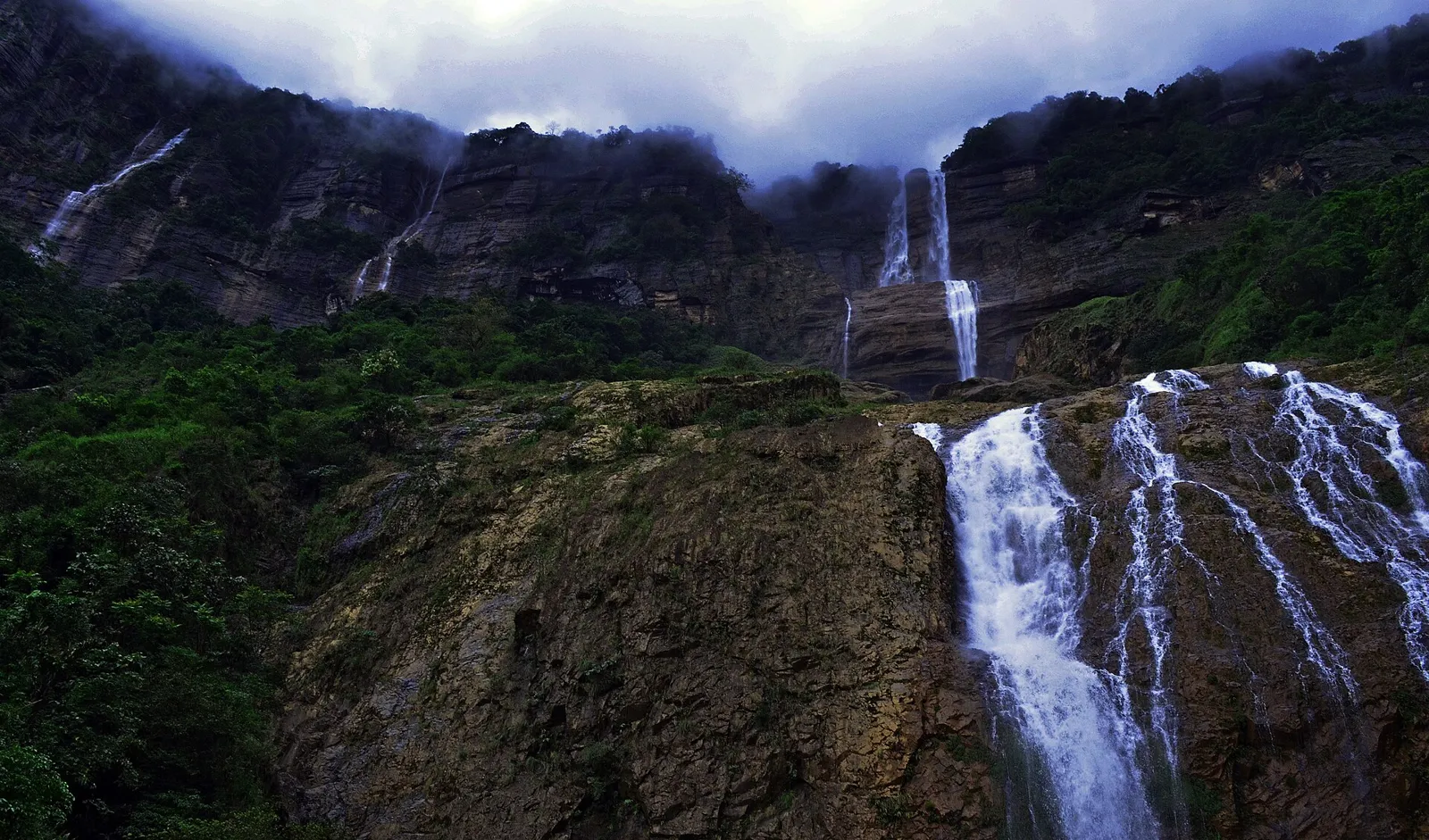
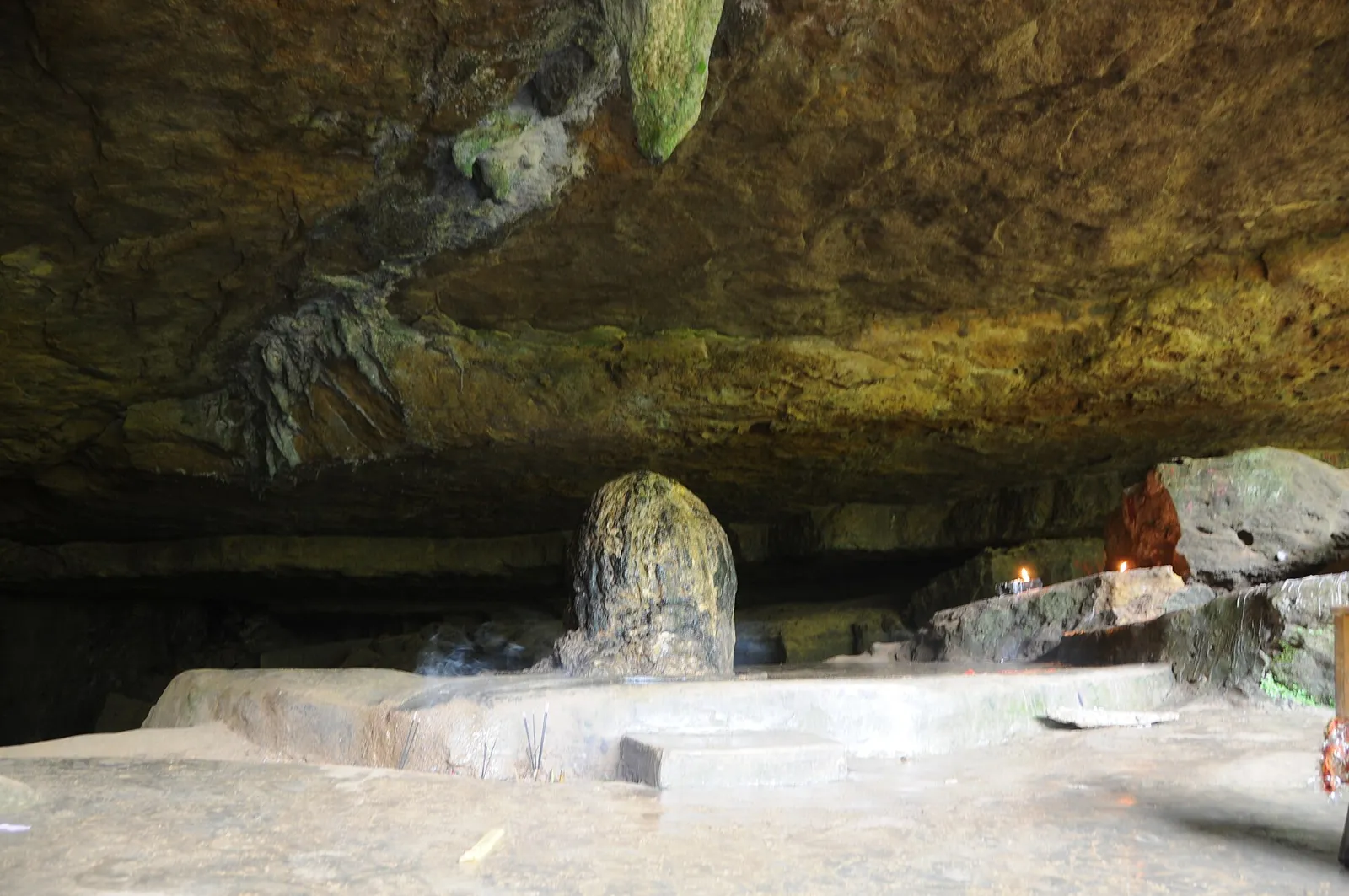
  • Waterfalls and caves
  • Khasi heritage
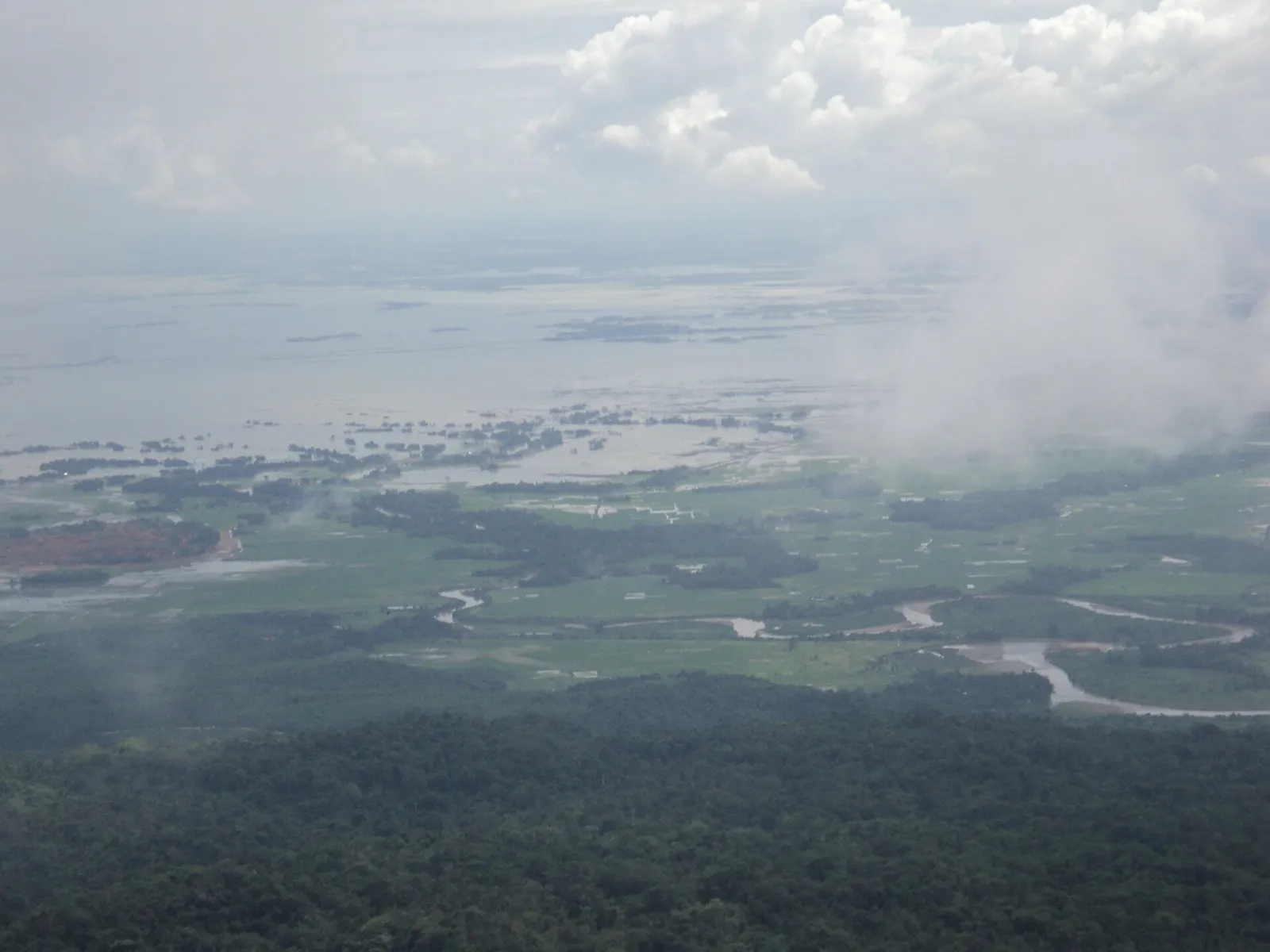
  • Views of Bangladesh
In the city
6
District
East Khasi Hills

Why Cherrapunji matters

Cherrapunji, officially known as Sohra, is a hill town in Meghalaya’s East Khasi Hills and a gateway to the southern Khasi Hills. It was the traditional capital of the Hima Sohra and remains an important centre for nearby villages. Visitors use the town as a base for exploring waterfalls, limestone caves, forested valleys and viewpoints that look across the Bangladesh plains.

Sohra is renowned for its extraordinary monsoon rainfall, produced as moisture-laden winds rise over the steep Khasi escarpment. Nearby Mawsynram is now more commonly associated with the world’s wettest-place distinction, but Sohra retains notable rainfall records. Its living root bridges are another defining attraction: Khasi communities guide the roots of rubber fig trees across streams, creating bridges that take years to form and can endure for generations. The contrast between rain-soaked cliffs and valleys, local Khasi culture and ingenious bridges gives Sohra significance beyond its weather. Tourism is a major part of the local economy, while the town also serves residents of the surrounding plateau.
Famous for: crafts, trade & products

Sohra is better known for its landscapes, living root bridges and tourism than for large-scale manufacturing or a signature textile industry. It is not a major centre for sarees or factory-made goods. Visitors may find Khasi handwoven items and cane or bamboo crafts in small shops and local markets, but availability varies; the town bazaar is the most practical place to look. Ask locally about work made in nearby communities, since many traditional skills are practised at village level rather than sold through formal galleries.

Local stalls and shops are useful for everyday supplies and regional foods, including seasonal produce. Oranges are associated with the name Cherrapunji in popular explanations, but the town is not principally known as a major orange-trading centre. Its most distinctive “living” creation is the root bridge, grown by Khasi communities rather than manufactured for sale. Visitors can see examples on walks to nearby villages, including Nongriat, but these are working community structures, not souvenirs. Tourism services, guides and transport to waterfalls, caves and bridge trails form a more visible part of Sohra’s visitor economy than a specialised shopping district.

History

Sohra’s history is closely tied to the Khasi people and the traditional Hima Sohra, one of the Khasi political territories governed by a syiem, or chief. Khasi society is matrilineal, with family identity and inheritance traditionally passing through the mother’s line. The town served as the kingdom’s capital before becoming a centre of contact between the Khasi Hills and the plains.

British authority extended over the Khasi Hills in 1833, following the submission of the prominent Khasi leader Tirot Sing. The name Sohra was rendered as “Cherra” by British visitors; “Cherrapunji” developed later and became widely used. A monument to British administrator David Scott stands in the town cemetery. Christian missions and schools also became part of Sohra’s history and educational life. Today, the town is a sub-divisional centre and a hub for travel across the southern Khasi Hills. Its modern development is shaped by tourism and local services, alongside ongoing challenges such as water shortages despite heavy rainfall and the effects of erosion on the plateau.

Food, festivals & culture

Khasi culture shapes daily life in Sohra, and Khasi is the main local language; English and Hindi are also useful to visitors. Khasi society is traditionally matrilineal. Local meals often include rice with pork, chicken or fish. Jadoh is a well-known Khasi rice dish, while dohneiiong is pork cooked with black sesame; tungrymbai, made from fermented soybeans, is another regional speciality. Pukhlein, a sweet made with rice flour and jaggery, is a local-style treat to look for in homes or eateries.

Seasonal Khasi celebrations bring together music, dance and community traditions. Shad Suk Mynsiem, a spring festival, is celebrated in Khasi communities, while the Nongkrem festival is held in autumn at Smit, near Shillong. Traditional dance and drum music are important parts of such gatherings. Christianity is widespread in the area, and churches are prominent in Sohra’s religious life; older Khasi beliefs and customs also remain part of the region’s cultural heritage. Ask before photographing ceremonies or people, and follow local guidance at places of worship and community events.

Visiting the city

October to April is generally the more comfortable period for exploring, with less persistent rain than during the monsoon. The wet season brings dramatic waterfalls and misty scenery, but heavy showers can affect walks and road travel. Shillong Airport is the nearest operational civilian airport; Guwahati’s Lokpriya Gopinath Bordoloi International Airport offers broader connections. Guwahati Railway Station is the nearest major rail station.

Sohra is connected to Shillong by State Highway 5. Taxis and shared vehicles are commonly used for travel between towns and nearby sights; arrange local transport for village trails. Explore the town and Nongsawlia, then use Sohra as a base for viewpoints, caves and waterfalls. Nongriat is a popular destination for living root bridges and requires a strenuous walk with many steps, so allow time and check trail conditions locally. Monsoon rain can make paths slippery.

Attractions

Places to visit in Cherrapunji

Sights within about 12 km of each other, even when they fall in different districts.

Map

Cherrapunji on the map

  1. 1Cherrapunji
  2. 2Kynrem Falls
  3. 3Mawsynram
  4. 4Nohkalikai Falls
  5. 5Nohsngithiang Falls
  6. 6Wei Sawdong Falls

Meghalaya

Other cities to explore