
Ghumoopedia — Explore, Discover, Experience
Sign in
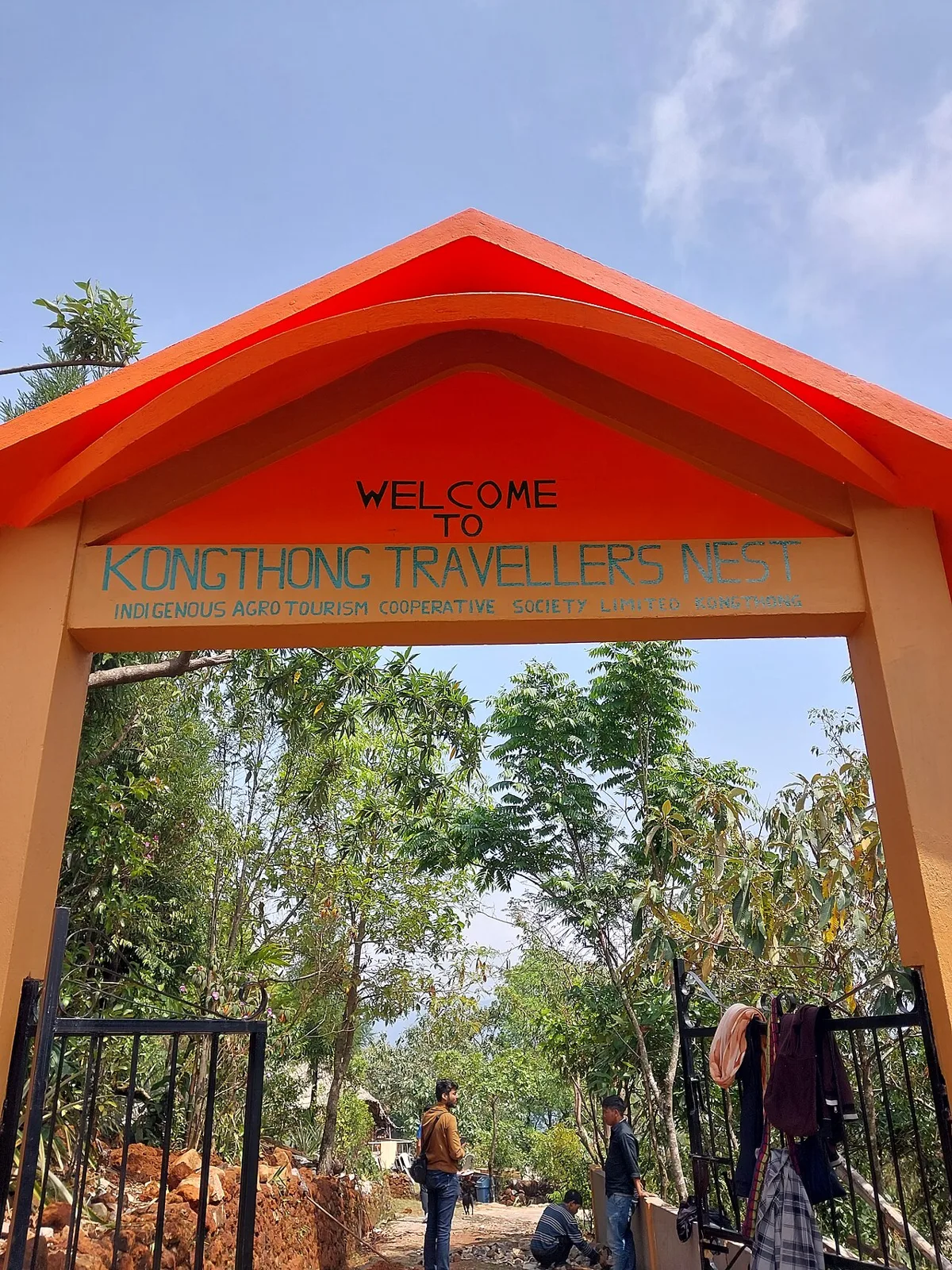
Kongthong (Whistling Village), near Shella

City guide · Meghalaya

Shella

Shella is a small settlement in the southern Khasi Hills of Meghalaya, close to the Bangladesh border. It is associated with the historic Shella Syiemship, one of the Khasi chiefdoms, and with the borderland trading area often called Shella-Bholaganj.

Famous for

  • Shella Syiemship
  • Khasi–Bangladesh border
  • Limestone trade
  • Kynshi River landscapes
In the city
0
Nearby
1
District
East Khasi Hills
Plan a trip

Why Shella matters

Shella is a small settlement in the southern Khasi Hills of Meghalaya, close to the Bangladesh border. It is associated with the historic Shella Syiemship, one of the Khasi chiefdoms, and with the borderland trading area often called Shella-Bholaganj. Its importance comes less from urban attractions than from its place in the region’s history, river routes and commerce.

Visitors come for the green hills, river scenery and the distinctive landscape where Meghalaya meets the plains of Bangladesh. Limestone and other local produce have shaped trade in the area, while nearby villages offer a quieter view of Khasi life than the state’s better-known tourist centres. Shella is best treated as a rural base or stop on a wider journey through the southern Khasi Hills, rather than as a destination with a large collection of visitor facilities. Road conditions and services can be limited, so travellers should plan ahead and check local advice before setting out.

Famous for: crafts, trade & products

Shella is chiefly associated with limestone and regional trade, not with a major textile industry or a widely recognised handicraft market. The wider southern Khasi Hills have long supplied limestone and other natural resources to markets across the border and elsewhere in Meghalaya. Trade activity is centred on local settlements and market areas around Shella-Bholaganj; visitors may find everyday produce and household goods, but should not expect a specialist shopping district.

Khasi woven textiles, cane and bamboo work, and handmade household items can be found in parts of Meghalaya, though Shella is not especially known as a production centre for these crafts. For a broader selection, travellers can look in Shillong’s markets and craft shops. No particular GI-tagged product is closely identified with Shella. The town’s identity is more strongly tied to the Shella Syiemship, its border location and the surrounding river-and-hill landscape. Ask locally about market days and which roads or trading areas are accessible, as activity and access can vary.

History

The history of Shella is linked to the Khasi system of small, self-governing chiefdoms. Shella was one of the Khasi states, led by a chief styled a Syiem. Authority and community life were shaped by local custom and clan relationships, within a wider Khasi political landscape of neighbouring states and chieftainships.

During British rule, the Khasi Hills became part of the colonial administration of Assam, while local chiefs and customary institutions continued to matter in village affairs. Shella’s position near the southern edge of the hills connected it with routes to the plains and settlements across what is now the Bangladesh border. Trade in limestone and other goods contributed to the area’s regional role. After Meghalaya became a state in 1972, Shella remained within the state’s Khasi Hills region; it is now in East Khasi Hills district. Its development has remained modest compared with Shillong, with livelihoods and local activity still shaped by rural settlement, transport links and trade.

Food, festivals & culture

Khasi is the principal local language, while English is used in education and official settings; other languages may be heard through trade and movement across the border. Everyday Khasi food includes rice, pork and other meats, with dishes such as jadoh, dohneiiong and tungrymbai known across the region. These are regional foods rather than specialities unique to Shella, and availability varies between homes and eateries.

Christianity is widely practised in the Khasi Hills, and churches are important community spaces. Khasi customary beliefs and traditions also remain part of the region’s cultural history. Seasonal festivals in the wider Khasi area include Shad Suk Mynsiem, usually held in spring, and the Nongkrem festival, generally celebrated in autumn; neither should be assumed to take place in Shella itself. Khasi music, group singing and traditional dance are part of regional celebrations, with local events organised around community and church calendars.

Visiting the city

The drier months, broadly from October to April, are usually the easiest time to explore the southern Khasi Hills. Monsoon rain can make rural roads difficult and obscure river and hill views. Shella has no airport or mainline railway station. The nearest air connections are Shillong Airport at Umroi and, farther away, Lokpriya Gopinath Bordoloi International Airport in Guwahati; Guwahati Railway Station is the main rail gateway for most visitors. Road travel from Shillong or Guwahati requires planning, and local taxis or hired vehicles are the practical way to reach villages and river areas.

Explore the Shella-Bholaganj area, local market streets and accessible viewpoints along the river, taking local guidance for border-side routes. Services are limited, so arrange transport and accommodation ahead of time and check conditions locally.

Short trips

Around Shella

Within about 40 km — easy half-day or day trips from the city.

Map

Shella on the map

  1. 1Kongthong (Whistling Village)

Meghalaya

Other cities to explore