
Ghumoopedia — Explore, Discover, Experience
Sign in
Mawphlang, near Mairang

City guide · Meghalaya

Mairang

Mairang is a hill town in Meghalaya and the headquarters of Eastern West Khasi Hills district. Its administrative role makes it a service and trading centre for surrounding communities, while its position on National Highway 106 links it with Shillong and Nongstoin.

Famous for

  • Eastern West Khasi Hills headquarters
  • Gateway to Kyllang Rock
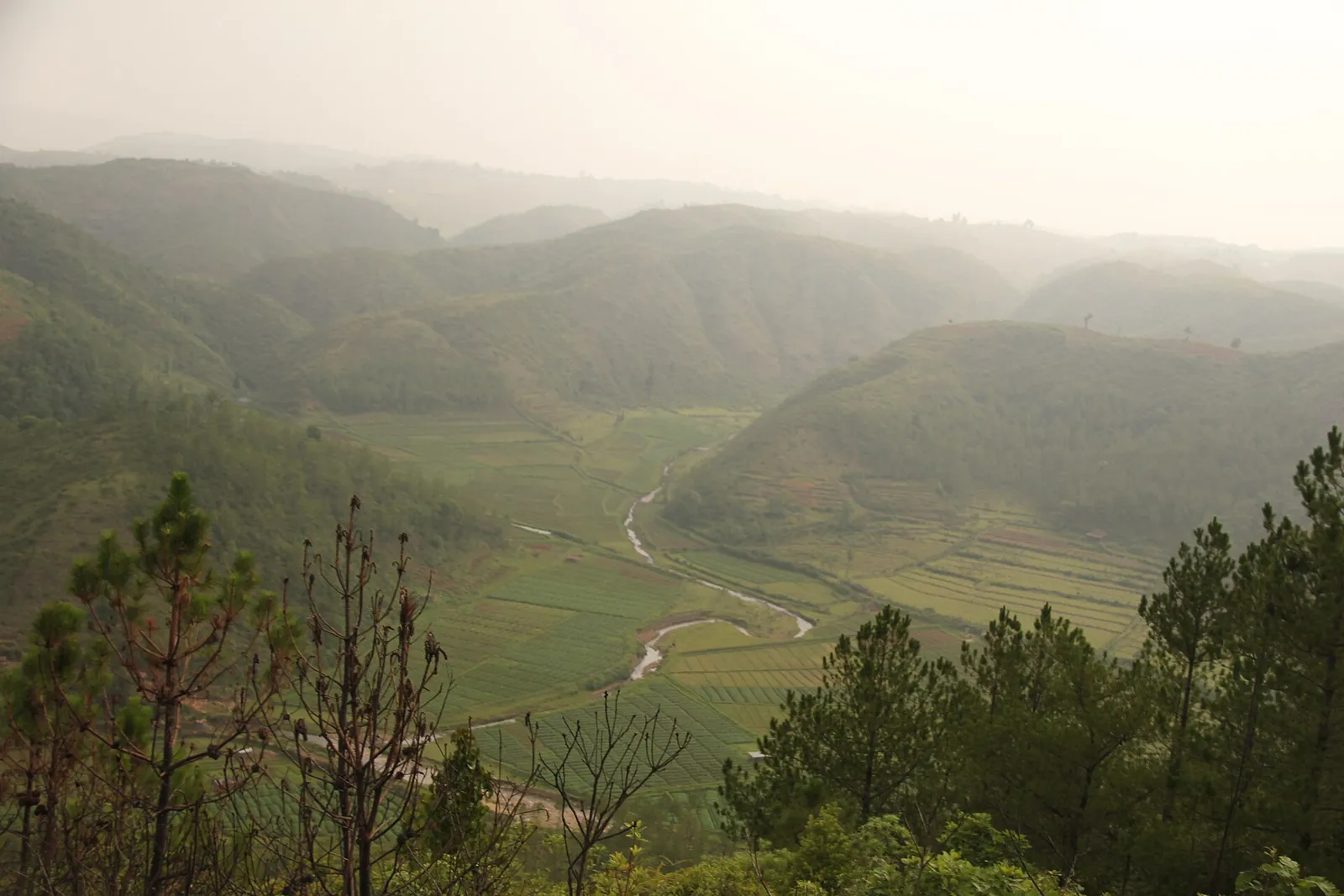
  • Khasi hill landscapes
  • Nongkhlaw heritage
In the city
0
Nearby
1
District
East Khasi Hills
Plan a trip

Why Mairang matters

Mairang is a hill town in Meghalaya and the headquarters of Eastern West Khasi Hills district. Its administrative role makes it a service and trading centre for surrounding communities, while its position on National Highway 106 links it with Shillong and Nongstoin. The town lies about 40 kilometres from Shillong and roughly 45 kilometres from Nongstoin.

At an elevation of about 1,564 metres, Mairang has a cool, wet hill climate and a setting of ridges and green countryside. Visitors use it as a base for exploring the nearby Khasi landscape, including Kyllang Rock, a striking granite dome. The town itself is best approached as a regional centre rather than a large sightseeing destination: its market, everyday Khasi life and access to nearby scenery are central to its appeal. Mairang’s designation as the district headquarters has also increased its importance for local administration and public services.

Famous for: crafts, trade & products

Mairang is not widely identified with a signature saree, GI-tagged product or large manufacturing industry. Its main commercial role is as a local market and service centre for communities in the surrounding hills. The central market is the most practical place to look for everyday goods and seasonal produce from the area; selection changes with availability, and there is no single product for which the town is especially renowned.

Visitors may find Khasi woven clothing and small bamboo or cane goods in local shops or market stalls, but these crafts are associated with the wider region rather than being a distinctive Mairang specialty. Ask locally about makers and current availability, as stock can be limited. The town’s most notable institution is its district administration, which serves Eastern West Khasi Hills. For a visitor, Mairang’s identity is therefore more closely tied to its administrative role, market and access to nearby natural landmarks than to a dedicated textile quarter, craft bazaar or industrial area.

History

Mairang lies within the Khasi Hills, a region historically organised around Khasi states and local chieftainships. Nearby Nongkhlaw is associated with U Tirot Sing, its Syiem, who led resistance to British expansion in the Khasi Hills in the early nineteenth century. This history belongs to the wider region; Mairang’s modern story is more closely linked to its growth as a local administrative centre.

Road connections helped link the town with Shillong and Nongstoin and supported its role as a service and market hub for surrounding settlements. In 2021, Eastern West Khasi Hills was established as a district, with Mairang as its headquarters. That change strengthened the town’s administrative importance and brought district-level offices and services into the local centre. Today, its development reflects both its position on a regional road corridor and its role serving a dispersed hill population.

Food, festivals & culture

Khasi is the principal local language, while English is used in administration and education; Hindi is also understood by some residents. Food traditions draw on rice, pork and local vegetables. Dishes found across Khasi communities include jadoh, a rice-and-meat preparation, dohneiiong, pork cooked with black sesame, and tungrymbai, a fermented soybean dish. Pukhlein, a sweet made with rice flour and jaggery, is a regional treat, though what is available in town varies.

Khasi cultural life includes community music, dance and customary observances. Shad Suk Mynsiem, a major Khasi dance festival, is generally held in spring, while Christian celebrations, especially Christmas, are important in many communities. Churches are prominent places of worship in the town and surrounding settlements. Khasi customary beliefs and practices also form part of the region’s cultural heritage. Visitors should check locally for events during their stay, since festival dates and programmes vary from year to year.

Visiting the city

October to April is generally the most comfortable period to visit, with clearer conditions than during the heavy monsoon months. The nearest airport is Shillong Airport at Umroi; for a wider choice of connections, travellers may also consider Lokpriya Gopinath Bordoloi International Airport in Guwahati. Guwahati Railway Station is the main railhead used for journeys to Meghalaya.

Mairang is connected by National Highway 106, with road travel linking it to Shillong and Nongstoin. Shared taxis and hired vehicles are common ways to get around; local options can be checked on arrival. Explore the town centre and market for everyday local life, then consider a trip to nearby Kyllang Rock for its distinctive landscape. Rain can make hill roads slower, so allow flexibility for excursions.

Short trips

Around Mairang

Within about 40 km — easy half-day or day trips from the city.

Map

Mairang on the map

  1. 1Mawphlang

Meghalaya

Other cities to explore