Ghumoopedia — Explore, Discover, Experience
Sign in
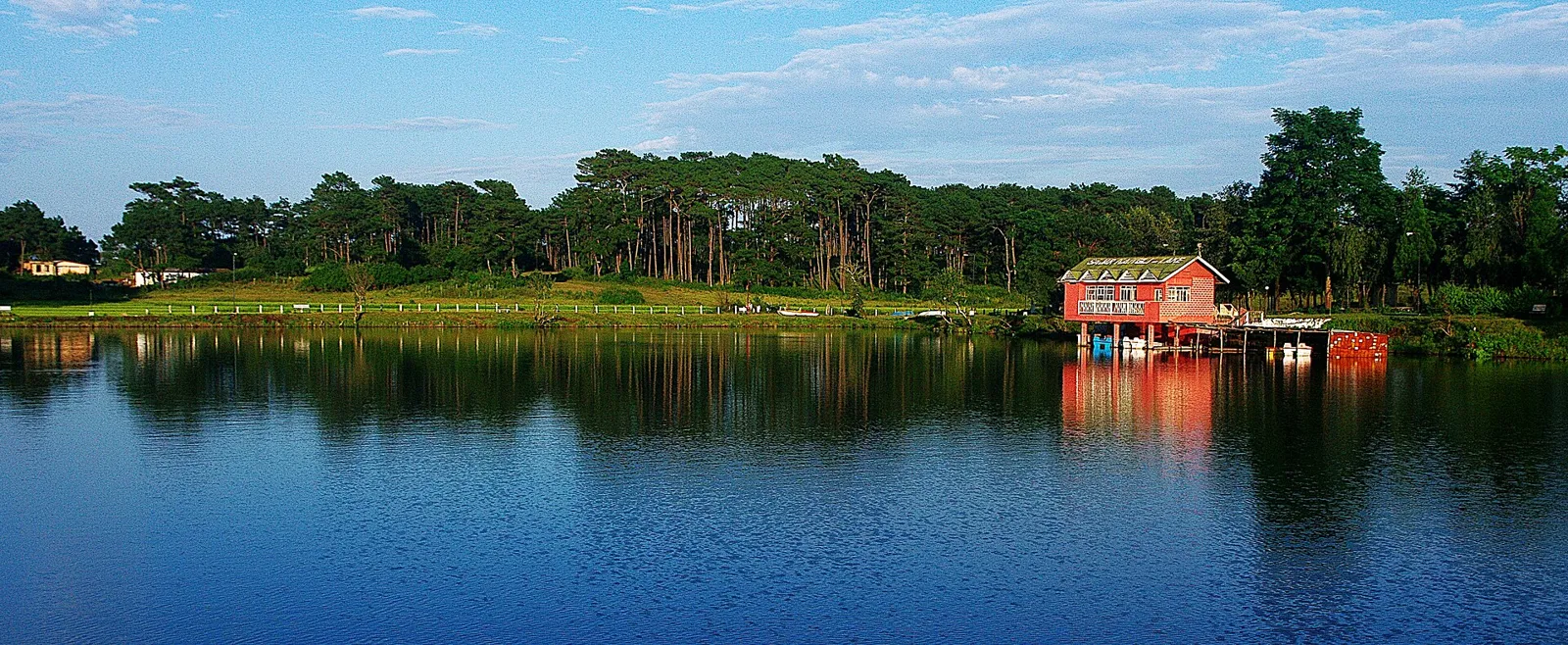
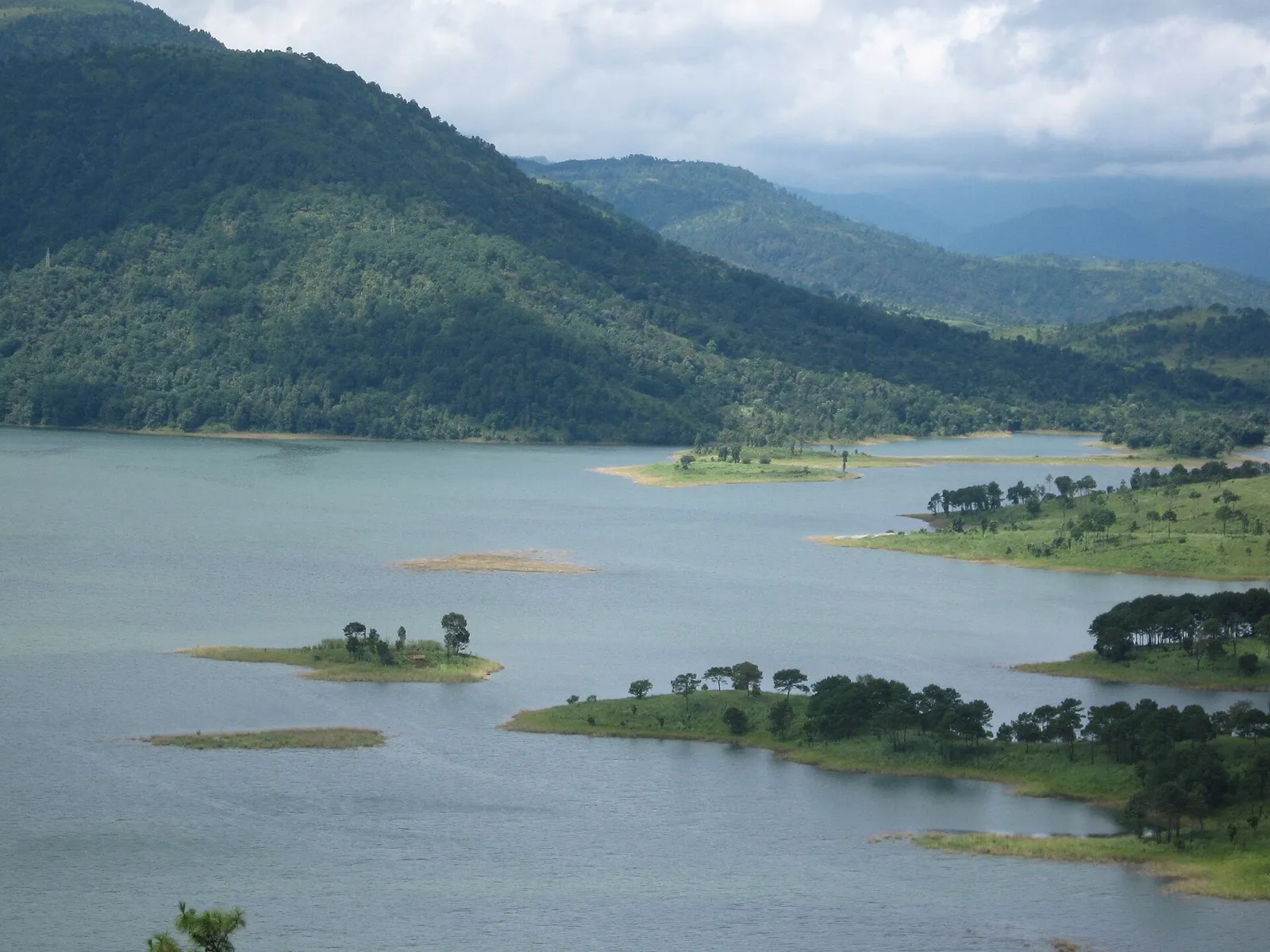
Umiam Lake, near Nongpoh

City guide · Meghalaya

Nongpoh

Nongpoh is the administrative headquarters of Ri-Bhoi district in Meghalaya and an important town on National Highway 40, the main road linking Shillong with Guwahati. It sits about 52 kilometres from Shillong and 48 kilometres from Guwahati, making it a practical stop between the state capital and Assam.

Famous for

  • Ri-Bhoi district headquarters
  • Shillong–Guwahati highway stop
  • Ri-Bhoi pineapples
  • Betel leaf and areca nut

Why Nongpoh matters

Nongpoh is the administrative headquarters of Ri-Bhoi district in Meghalaya and an important town on National Highway 40, the main road linking Shillong with Guwahati. It sits about 52 kilometres from Shillong and 48 kilometres from Guwahati, making it a practical stop between the state capital and Assam. District offices, shops and services give the town a central role in everyday life across Ri-Bhoi.

Many visitors pass through on the highway, while others stop for refreshments, local market shopping or a glimpse of the surrounding green hills and countryside. The wider district is known for growing pineapples, bananas, papayas and litchis, and roadside stalls may offer seasonal fruit. Betel leaf and areca nut trees are a familiar sight along roads in the area. Nongpoh is not a large sightseeing destination in itself; its importance lies in its administrative role, its position on a busy regional route and its connection to the agricultural communities of Ri-Bhoi.
Famous for: crafts, trade & products

Nongpoh is better known for administration, highway trade and agricultural produce than for a signature textile, saree tradition or large handicraft industry. No widely recognized GI-tagged craft or product is specifically associated with the town. Across Ri-Bhoi, farmers grow pineapples, bananas, papayas and litchis, with the availability of fresh fruit varying by season. Betel leaf and areca nut are also part of the local landscape and rural economy.

For visitors, the town’s shops and market areas are the most useful places to look for everyday goods and seasonal produce. Small vendors along the Shillong–Guwahati road may sell fruit or refreshments, though selection changes through the year. Nongpoh is not a dedicated craft-shopping centre, so travellers seeking Meghalaya textiles or specialist handicrafts may find a broader choice in larger regional towns. Local purchases here are more likely to reflect the needs of residents and passing travellers than a formal tourist market. Ask vendors about the origin and season of fresh produce, especially when buying from roadside stalls.

History

The area around Nongpoh belongs to the wider Khasi Hills, where customary institutions and local chiefs, including Syiems, have long played a part in community governance. Rather than growing as the seat of a single centralized kingdom, the town developed within this network of Khasi territories and settlements.

During British rule, roads connecting the Khasi Hills with the Assam plains increased the importance of places along the route. Nongpoh became a useful stop and service centre on the road between Shillong and Guwahati. After Meghalaya became a state in 1972, the town’s administrative role continued to expand. Ri-Bhoi district was established in 1992, with Nongpoh as its headquarters. District offices, road traffic and services for surrounding communities have since shaped its growth. Its modern identity remains closely tied to this administrative function and its position on the main highway, rather than to a large historic monument or former royal capital.

Food, festivals & culture

Khasi is widely spoken in and around Nongpoh, while English and Hindi are also used; Assamese may be heard because of the town’s close road links with Assam. Everyday Khasi meals can include jadoh, a rice-and-meat dish, and tungrymbai, made with fermented soybeans. Pork cooked with black sesame, known as dohneiiong, is another familiar Khasi preparation. Local shops and eateries serve everyday meals and snacks, but Nongpoh is not especially known for a signature sweet.

Khasi cultural life includes community gatherings, customary practices and Christian observances. Shad Suk Mynsiem, a spring dance festival, is celebrated in Khasi communities, while the autumn Nongkrem festival is held at Smit near Shillong. Christmas is also widely observed. Traditional Khasi music and dance accompany community celebrations, with dress and performance varying by occasion. Churches are prominent places of worship in the region; Khasi customary religious traditions are also part of the area’s cultural heritage. Visitors should remember that ceremonies are community events and ask before taking photographs.

Visiting the city

October to April is generally a comfortable time to visit, with less rain than during the monsoon months. The nearest airport is Lokpriya Gopinath Bordoloi International Airport in Guwahati; Guwahati Railway Station is the main nearby rail connection. From either city, Nongpoh is reached by road on National Highway 40, which also connects it with Shillong.

Taxis and shared vehicles are common ways to travel between towns, while the central market and nearby streets can be explored on foot. The market area and the highway corridor are useful places to pause, find food or shop for everyday goods. Nongpoh works well as a short stop or base for exploring Ri-Bhoi, rather than as a destination with a large cluster of visitor attractions. Check local road and weather conditions during the rainy season.

Trips from the city

Nearest places to visit from Nongpoh

Our closest destination guides, by straight-line distance.

Umiam Lake

28 km away · Ri-Bhoi district

Umiam Lake

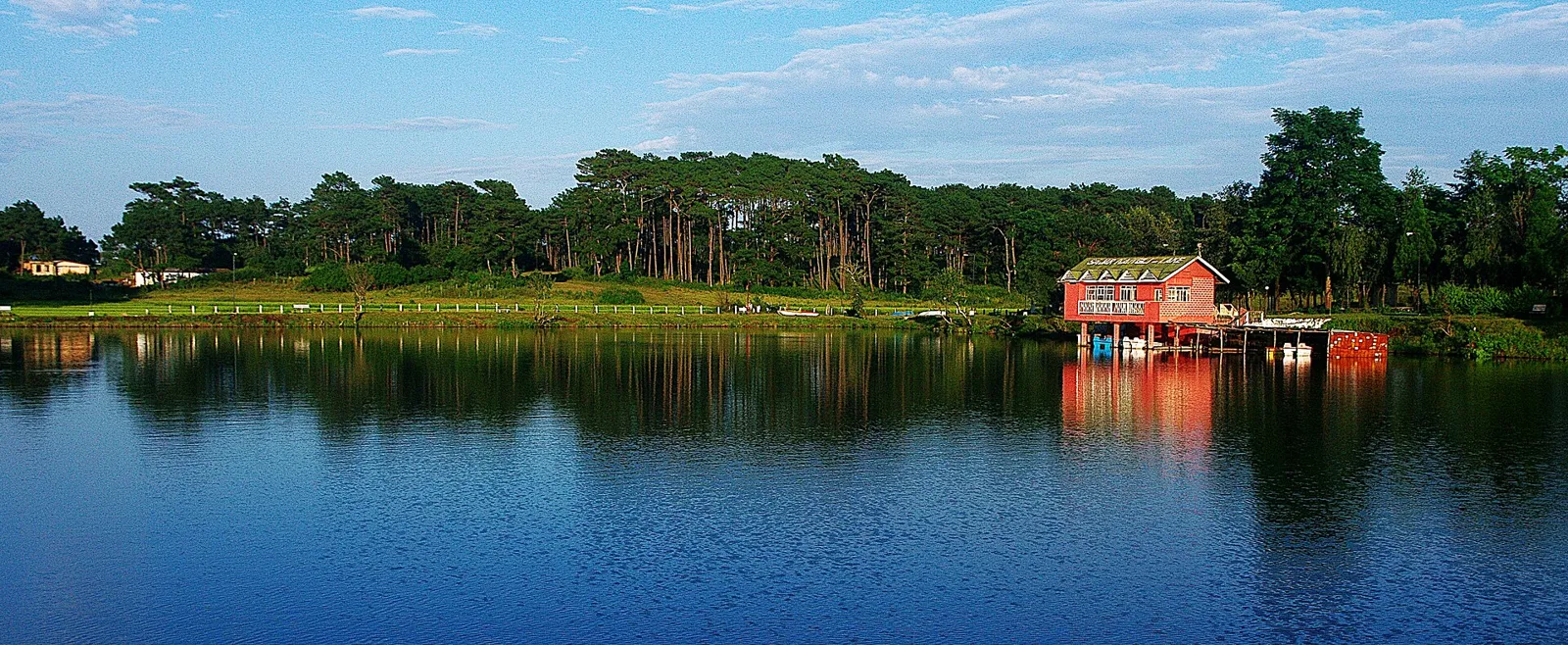
Umiam Lake, also called Bara Pani, is a reservoir in Meghalaya’s hills. Visitors come to see its waterside setting near Shillong.

Shillong

36 km away · East Khasi Hills district

Shillong

Shillong is Meghalaya’s capital and a hill station in East Khasi Hills. Visitors are drawn by its rolling-hill setting and its place in the region’s administrative history.

Ward's Lake

36 km away · East Khasi Hills district

Ward's Lake

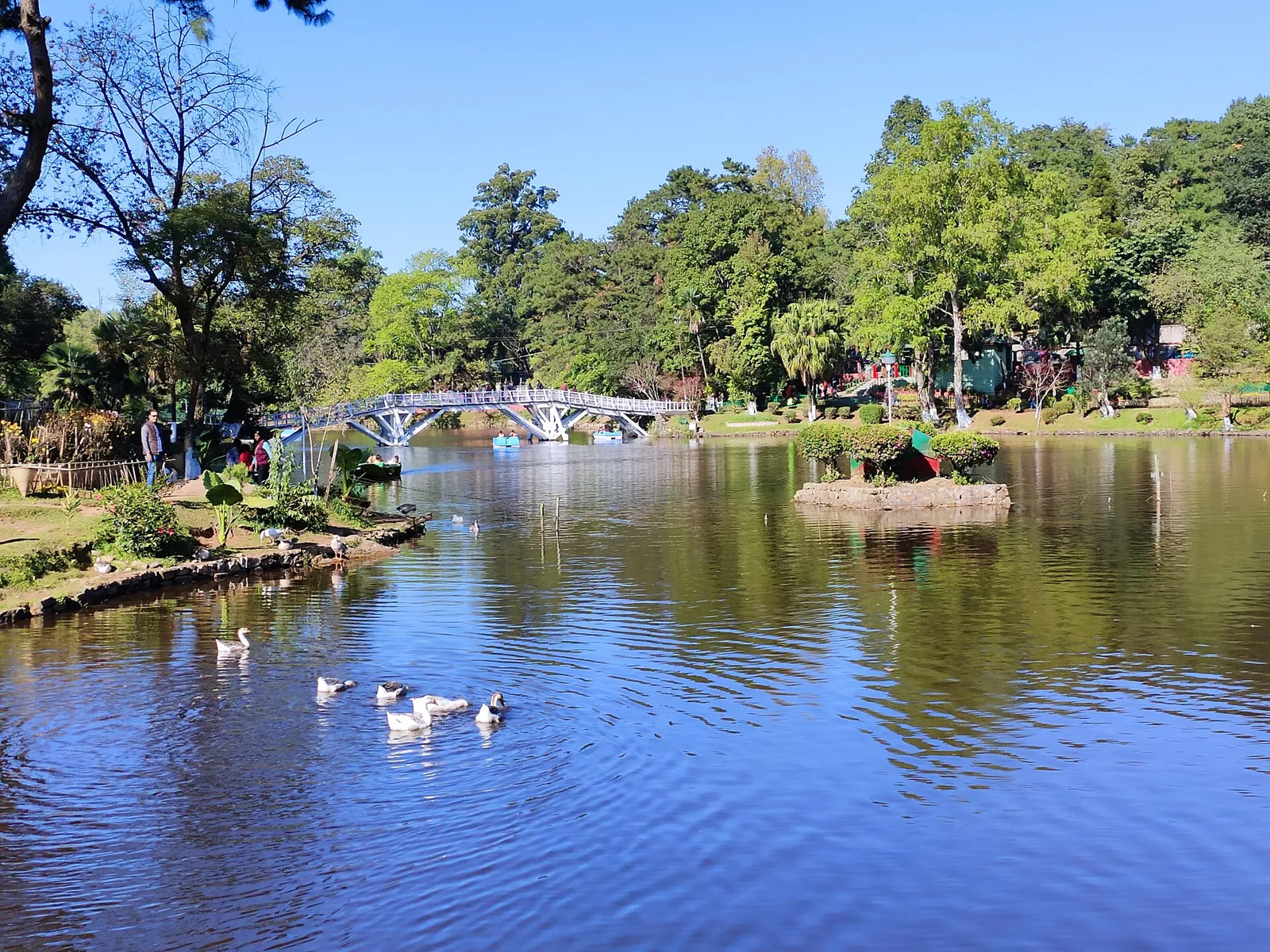
Ward's Lake is a man-made lake in central Shillong, Meghalaya, also called Pollock Lake or Nan Polok; visitors come to see this well-known city destination.

Elephant Falls

41 km away · East Khasi Hills district

Elephant Falls

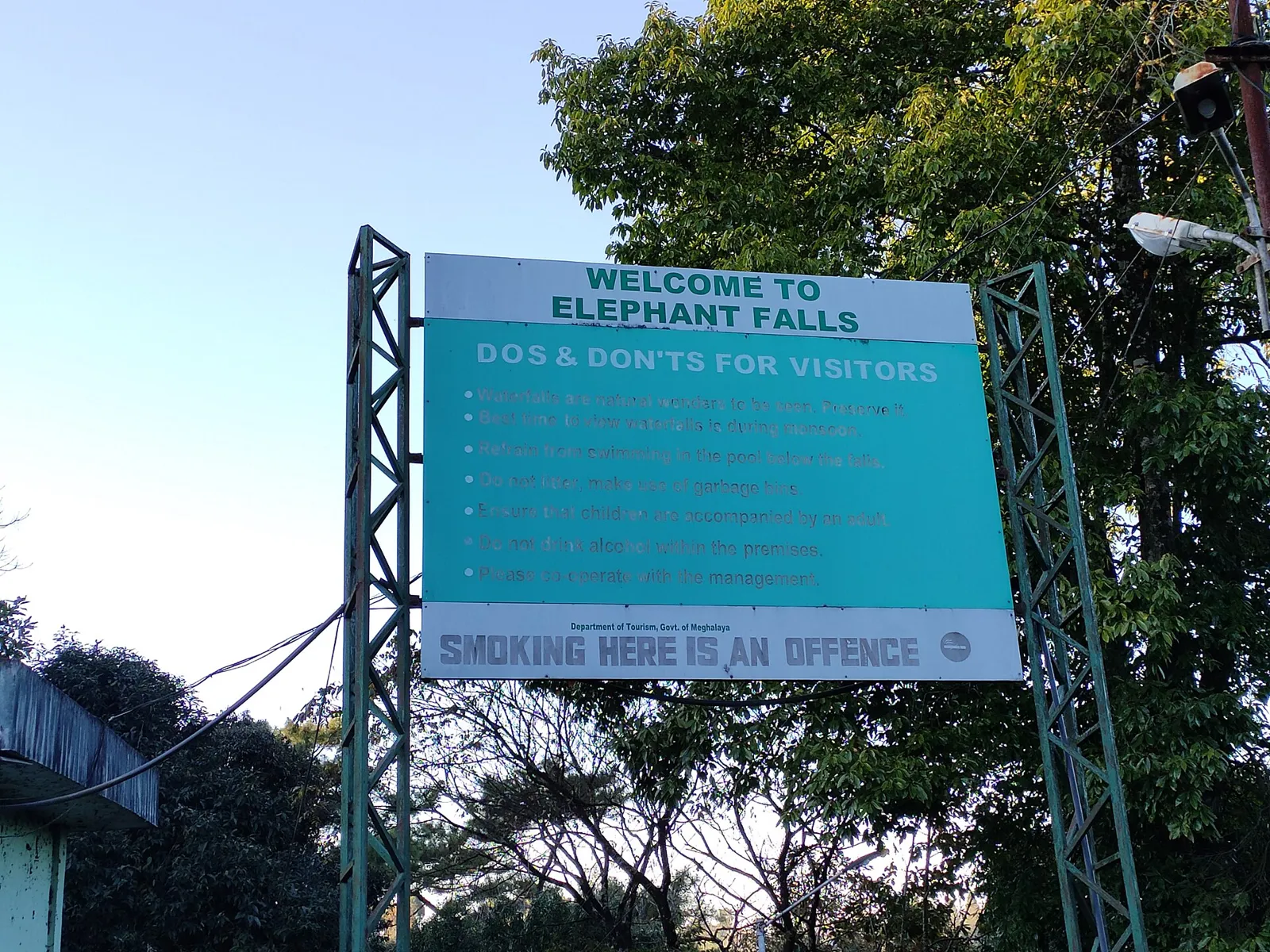
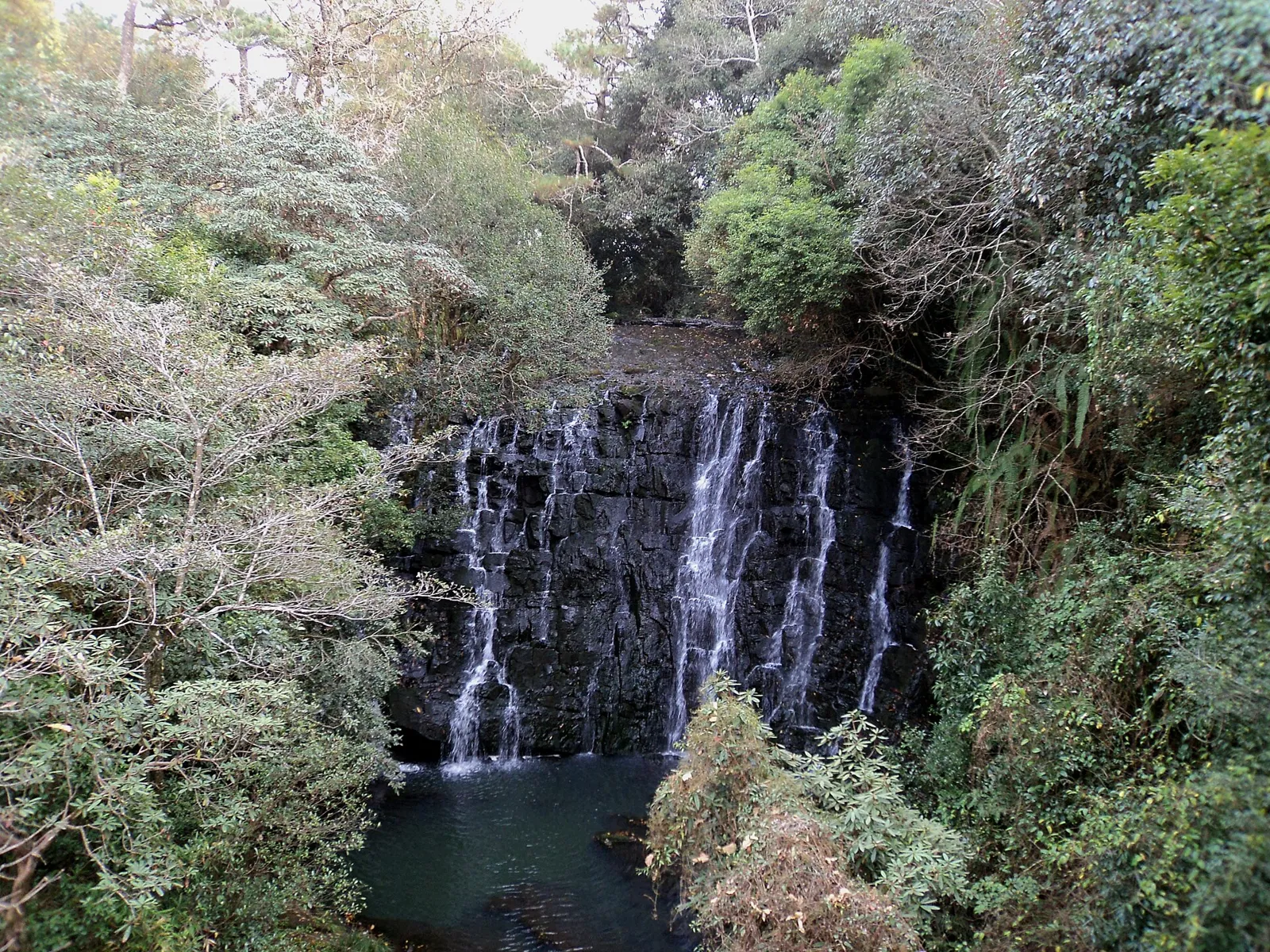
Elephant Falls is a waterfall in Shillong, in Meghalaya’s East Khasi Hills district. Visitors come to see its stream descend in two successive stages.

Mawphlang

50 km away · East Khasi Hills district

Mawphlang

Mawphlang is a village in Meghalaya’s East Khasi Hills, about 25 kilometres from Shillong. Visitors come to see its sacred grove and Khasi heritage village, a place associated with Khasi culture.

Nartiang Durga Temple

50 km away · West Jaintia Hills district

Nartiang Durga Temple

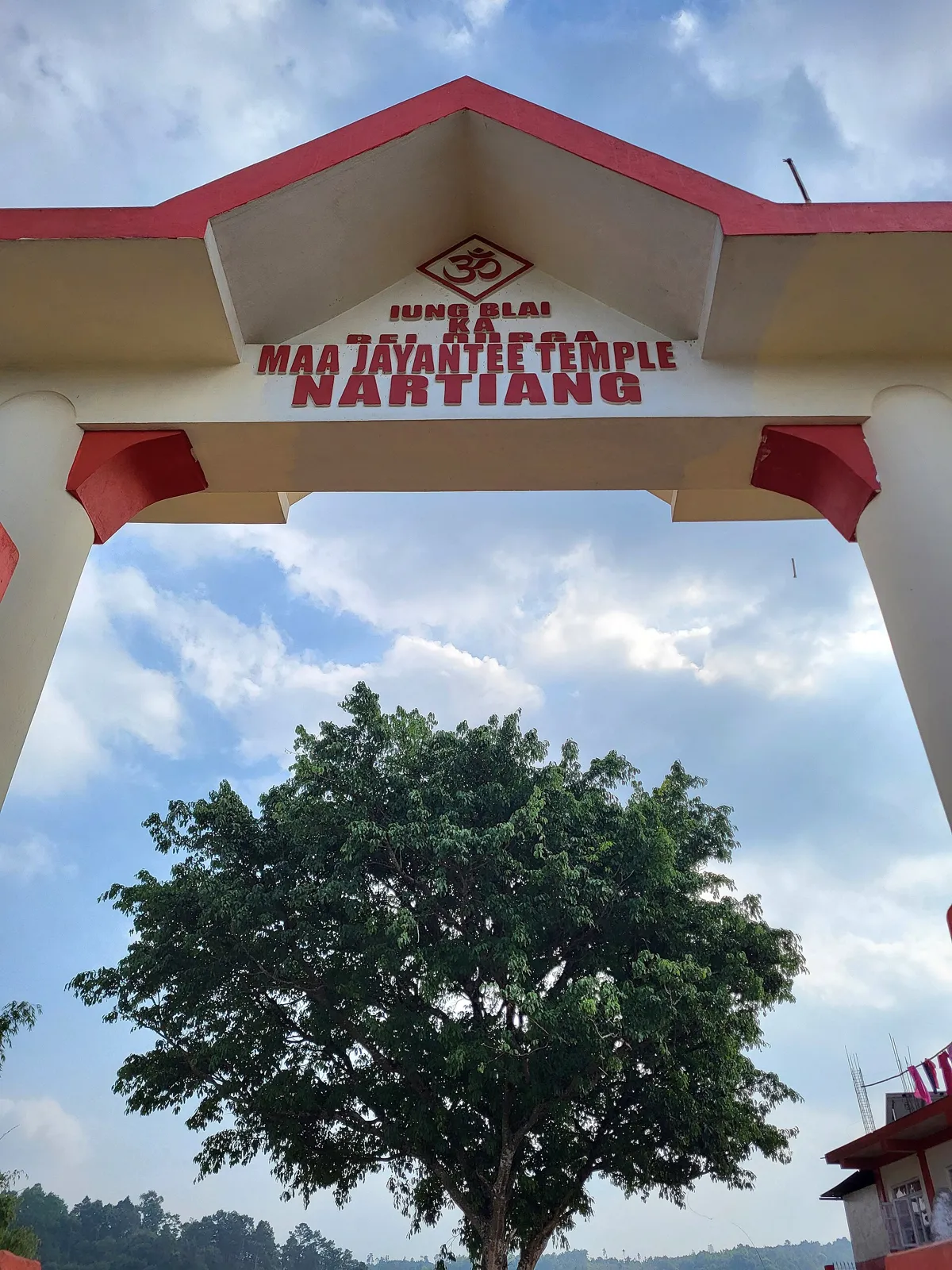
In Meghalaya’s West Jaintia Hills, Nartiang Durga Temple is a Hindu shrine revered in Shaktism. Pilgrims come for Durga Puja and to worship at a site counted among the 51 Shakta pithas.

Thadlaskein Lake

54 km away · West Jaintia Hills district

Thadlaskein Lake

Thadlaskein Lake, also called Pung Sajar Nangli, is a historic artificial lake in Meghalaya. Visitors can see the lake and hear the folktale of its creation by Sajar Nangli and his followers.

Jowai

60 km away · West Jaintia Hills district

Jowai

Jowai is Meghalaya’s West Jaintia Hills administrative centre, where visitors find district-wide business and educational services and encounter the Pnar community’s matrilineal traditions.

Map

Nongpoh on the map

  1. 1Umiam Lake
  2. 2Shillong
  3. 3Ward's Lake
  4. 4Elephant Falls
  5. 5Mawphlang
  6. 6Nartiang Durga Temple
  7. 7Thadlaskein Lake
  8. 8Jowai

Meghalaya

Other cities to explore