
Ghumoopedia — Explore, Discover, Experience
Sign in
Jowai, near Jowai

City guide · Meghalaya

Jowai

Jowai is Meghalaya’s West Jaintia Hills administrative centre, where visitors find district-wide business and educational services and encounter the Pnar community’s matrilineal traditions.

Famous for

  • Behdienkhlam festival
  • Syntu Ksiar valley
  • Nartiang monoliths
  • Jaintia Pnar culture
  • Iaw Musiang market
In the city
2
Nearby
1
District
West Jaintia Hills

Why Jowai matters

Jowai is the headquarters of West Jaintia Hills and an important service centre for the surrounding district. Its schools, colleges, hospitals and markets serve local communities as well as people from nearby parts of Assam and Bangladesh. The town is home to the Pnar, also known as Jaintia, people, whose matrilineal traditions are an important part of the region’s identity. Pnar is widely spoken, alongside Khasi and English in public life.

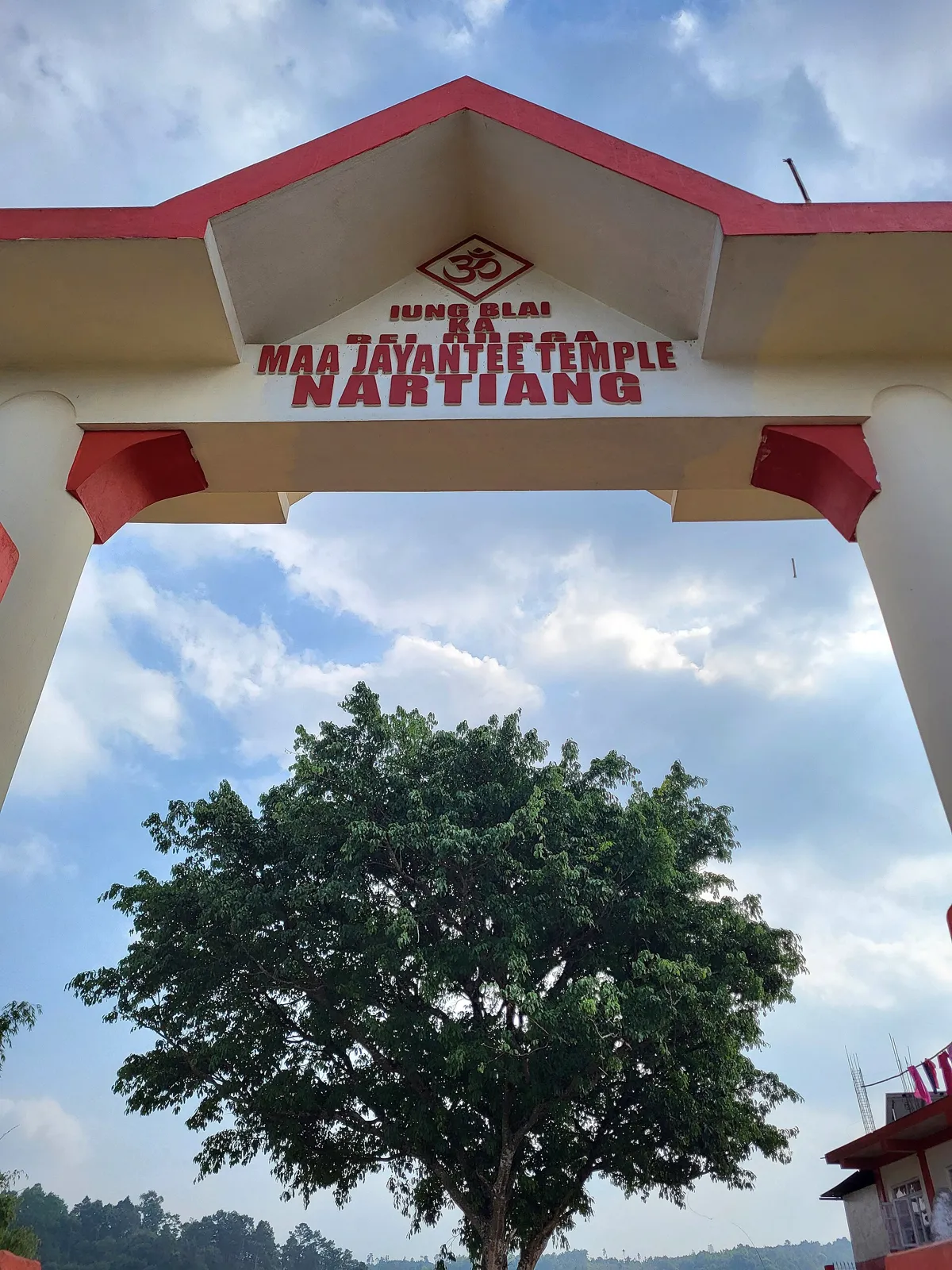
Visitors come to Jowai for its cultural character and as a base for exploring the wider Jaintia Hills. Nearby highlights include the monoliths and Durga Temple at Nartiang, Tyrshi Falls, Ialong Park and the Myntdu River valley at Syntu Ksiar. The town itself is relatively quiet, with Iaw Musiang among its notable old market areas. Behdienkhlam, a major Pnar festival usually held in July, brings particular attention to Jowai and the surrounding communities. Its location on National Highway 44 also makes it a useful stop on journeys through Meghalaya and adjoining states.
Famous for: crafts, trade & products

Jowai is best understood as a regional market and administrative centre rather than a major textile or manufacturing town. Iaw Musiang, one of the district’s older market areas, is a good place to experience everyday local trade and look for seasonal produce and provisions. Shops and eateries around town cater to residents and travellers, while district institutions, schools and colleges give Jowai a wider role beyond retail.

The area’s food traditions are among its most distinctive local products. Visitors may encounter Pnar-style pork and rice dishes, along with Tungtoh, a fermented-bean preparation, and Tungtap, a dry-fish chutney. These are foods to seek out at local eateries and markets, though availability varies. There is no widely recognised Jowai textile speciality or GI-tagged product to single out; the town’s commercial identity is more closely tied to district services, local commerce and regional cuisine. For crafts or specialist goods, ask locally about current sellers rather than assuming a dedicated market or permanent outlet.

History

Jowai lies in the historic Jaintia Hills, a region associated with the Jaintia kingdom and the older Sutnga state. Nartiang, now a nearby village, served as a summer capital of the Jaintia rulers and preserves notable monoliths and a long-standing temple tradition. These sites reflect the area’s political and religious history, although they are distinct from Jowai’s own urban story.

British control reshaped the region in the nineteenth century. The Jaintia Hills were annexed by the British in 1835, and resistance later included the uprising led by U Kiang Nangbah in 1862–63. Syntu Ksiar is remembered as a place connected with this struggle and today has a monument to the freedom fighter. A Presbyterian church established by the Welsh mission in the latter part of the nineteenth century is among Jowai’s historic buildings.

In modern times, Jowai developed as the district headquarters and a centre for education, healthcare and trade. Its road connection along National Highway 44 has strengthened its links with Shillong and neighbouring regions.

Food, festivals & culture

Pnar, or Jaintia, culture is central to life in Jowai. Pnar is widely spoken, with Khasi and English also used; languages heard in town may reflect its links with neighbouring states. Pnar society is matrilineal, with family property traditionally inherited through daughters. Christianity and the traditional Niamtre religion are both part of the religious landscape, though participation in particular customs varies between communities.

Behdienkhlam, usually held in July, is the best-known Pnar festival. Its rites include processions with decorated structures, drumming and pipe music, and Datlawakor, a game played with a wooden ball. Laho Dance and Chad Sukra, generally associated with the spring season, are other local celebrations. At home and in local eateries, food often features pork, fish and rice. Jadoh, Doh Khleh, Doh Jem and Doh Snam are among the savoury dishes, while Tungtoh and Tungtap are distinctive accompaniments. The Jowai Presbyterian Church, built in the nineteenth century, is a notable place of worship and historic landmark.

Visiting the city

The drier months, roughly October to April, are generally the easiest time to explore Jowai and nearby sights; monsoon rain can make travel slower, though waterfalls are especially striking. Umroi Airport, also called Shillong Airport, is the nearest airport, but flight connections are limited and can change. Guwahati is the main nearby air gateway. Guwahati Railway Station is the nearest major rail station.

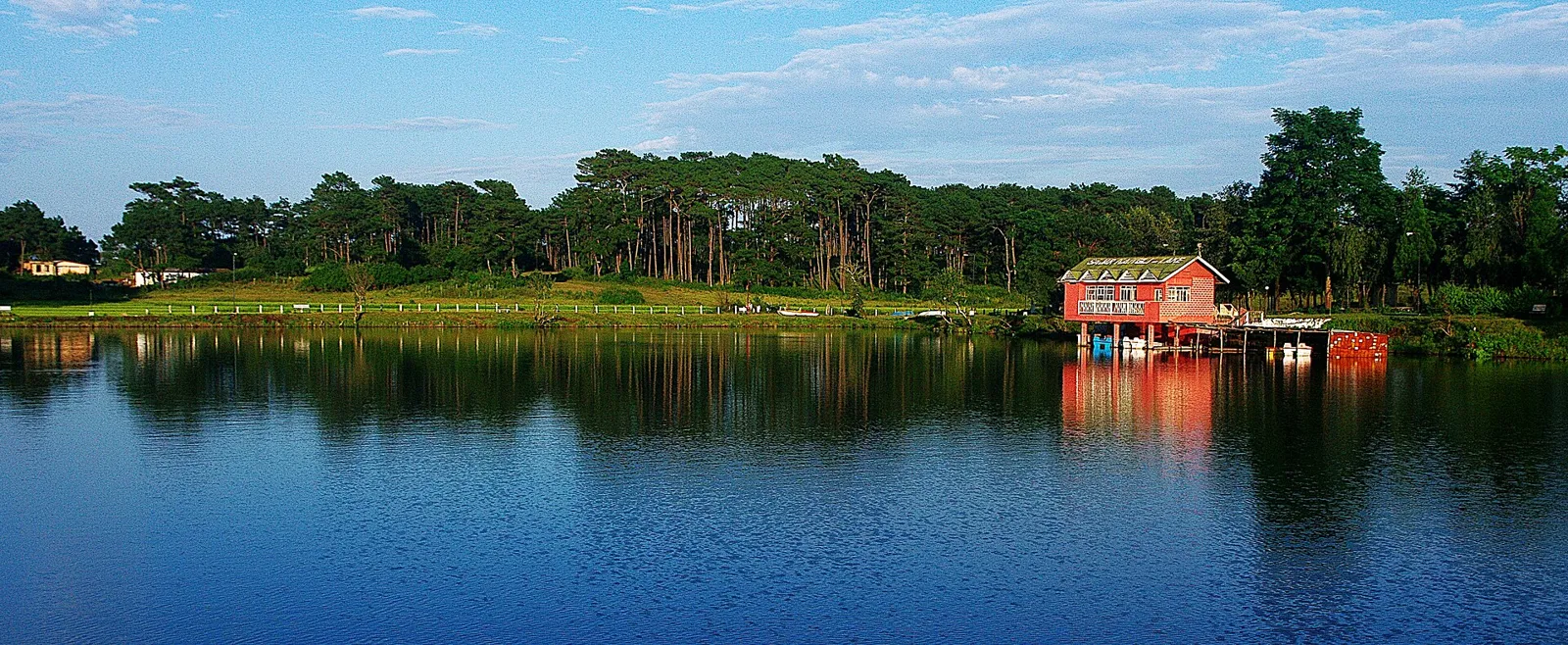
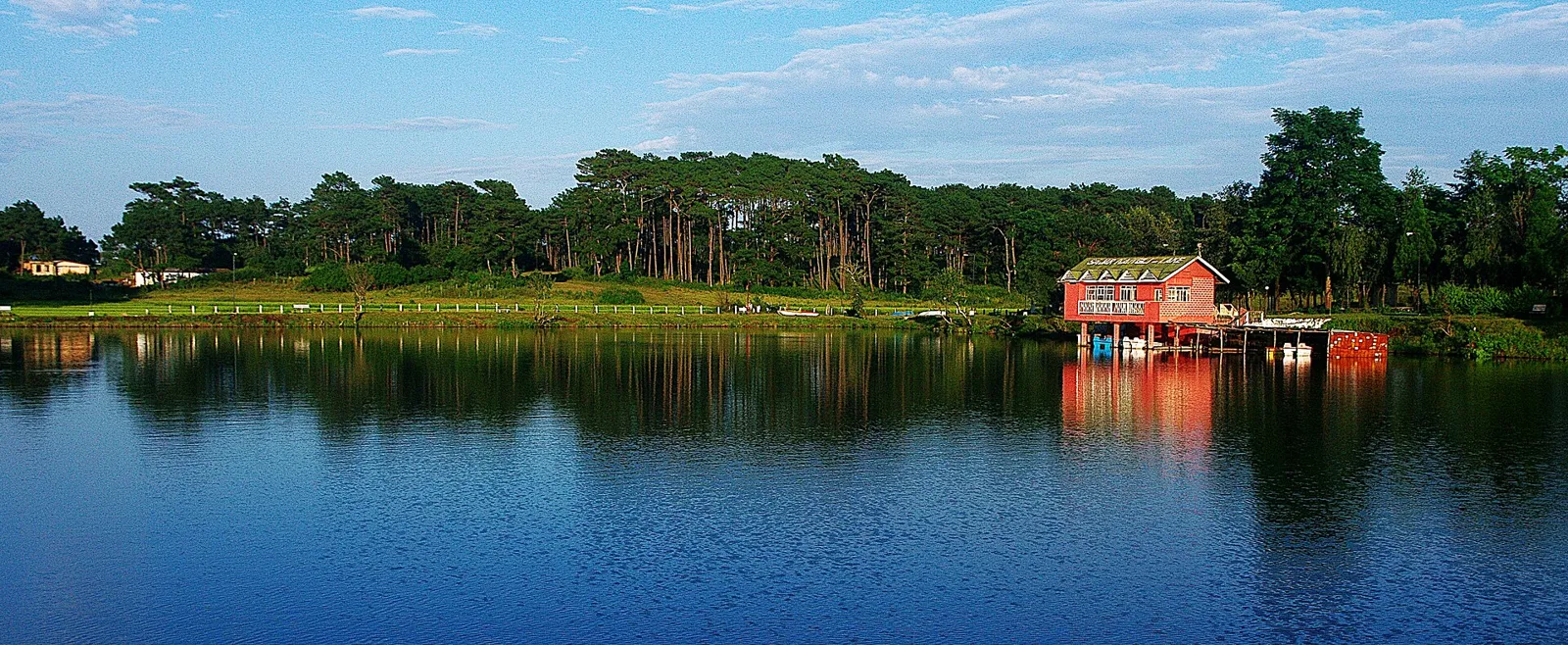
Jowai is about 64 km from Shillong by road. Shared vehicles and buses connect the towns, while local taxis are useful for reaching attractions outside the centre. Explore Iaw Musiang and the central town, then allow time for Syntu Ksiar and Ialong Park. Nartiang, Thadlaskein Lake and Tyrshi Falls make worthwhile excursions; longer trips can reach other waterfalls and villages in the Jaintia Hills. Check local road conditions before setting out, particularly during the rainy season.

Attractions

Places to visit in Jowai

Sights within about 12 km of each other, even when they fall in different districts.

Short trips

Around Jowai

Within about 40 km — easy half-day or day trips from the city.

Map

Jowai on the map

  1. 1Jowai
  2. 2Thadlaskein Lake
  3. 3Nartiang Durga Temple

Meghalaya

Other cities to explore