Ghumoopedia — Explore, Discover, Experience
Sign in
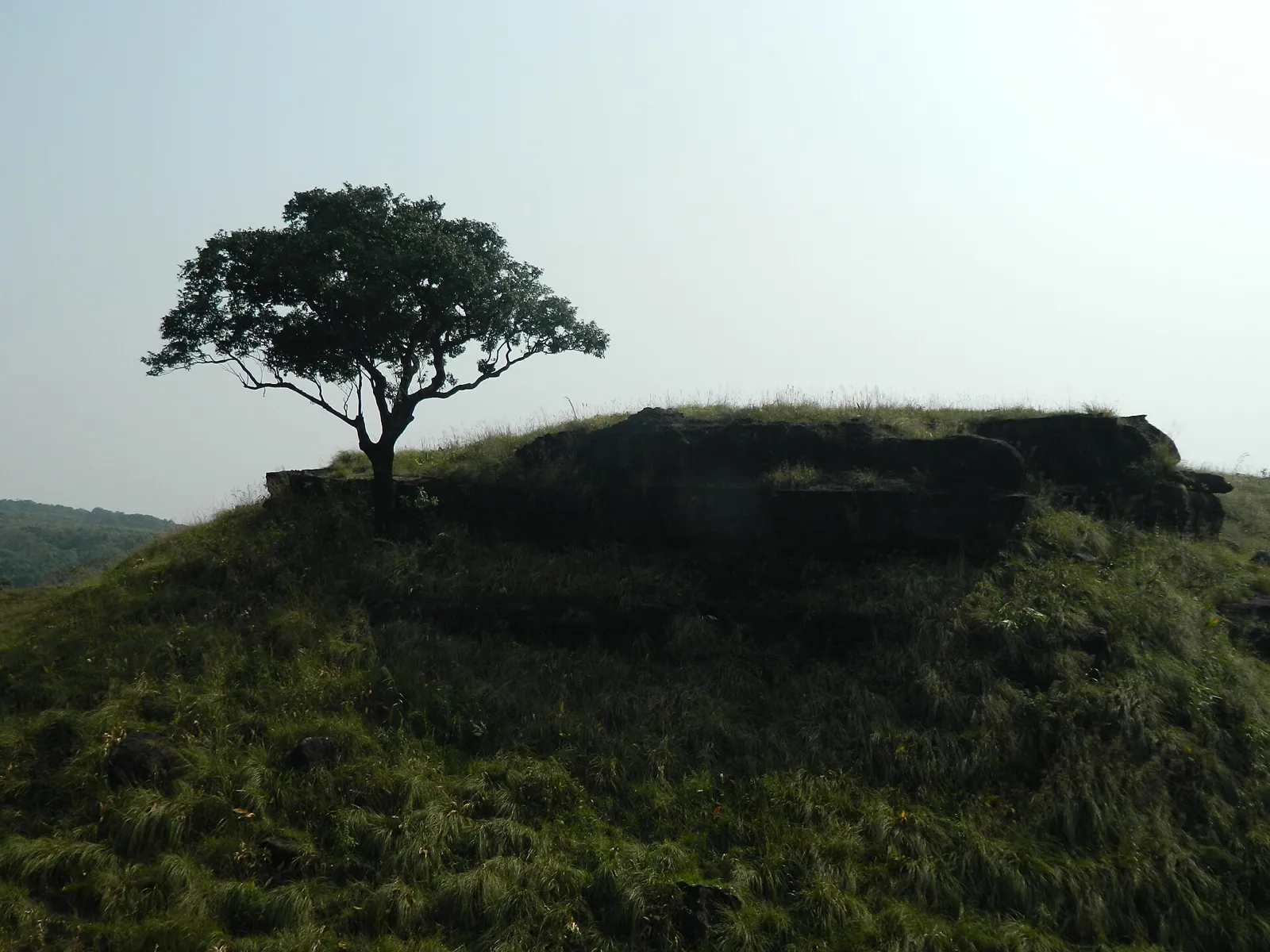
Balpakram National Park, near Baghmara

City guide · Meghalaya

Baghmara

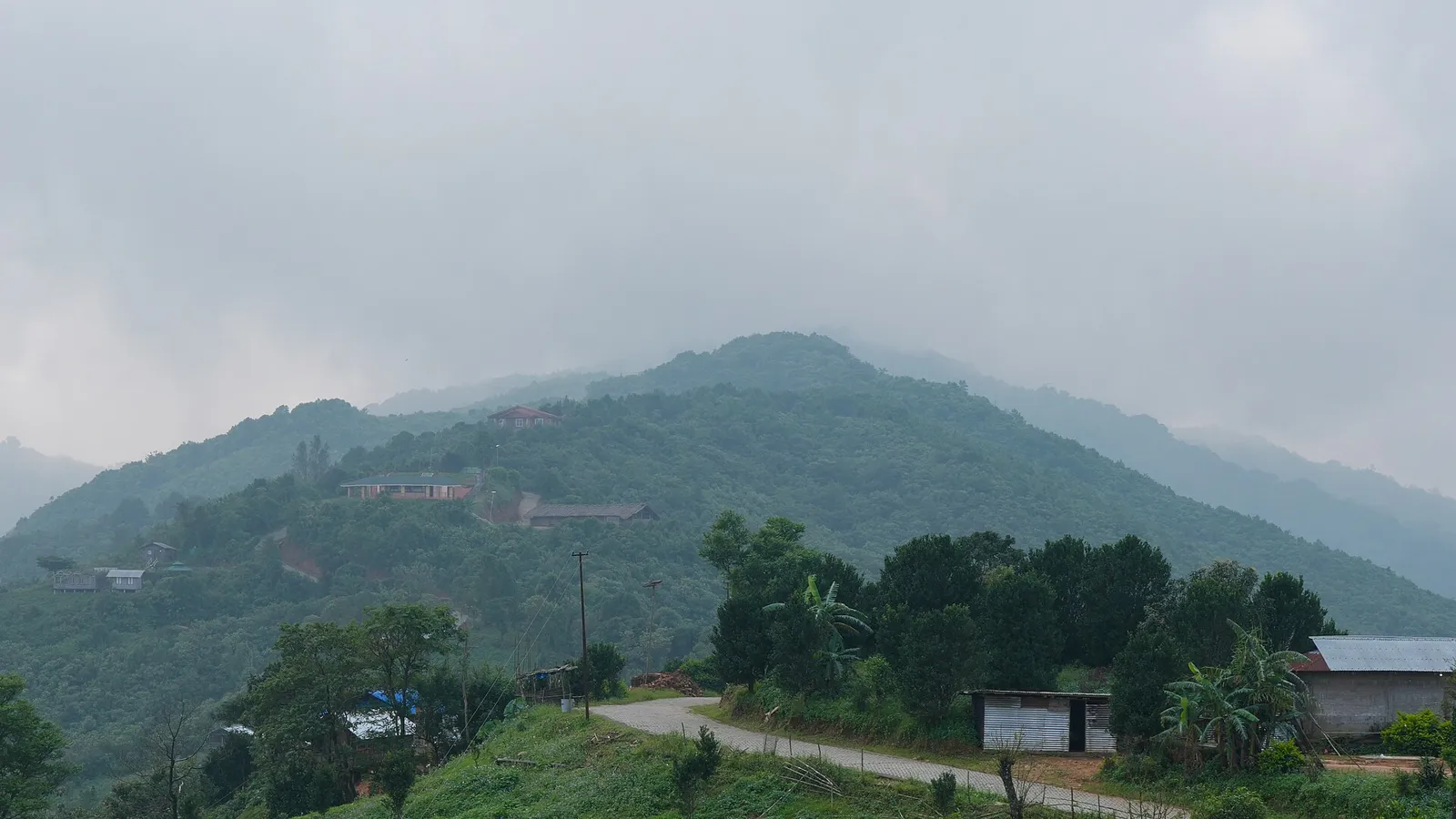
Baghmara is the headquarters of South Garo Hills district in southern Meghalaya and an important service and transport centre for surrounding communities. Set among hills and river country near the Bangladesh border, it lies on routes used by visitors heading to Siju Cave and Balphakram National Park.

Famous for

  • South Garo Hills headquarters
  • Simsang River setting
  • Baghmara Pitcher Plant Sanctuary
  • Gateway to Siju Cave
  • Route to Balphakram National Park
  • Local freshwater fish dishes

Why Baghmara matters

Baghmara is the headquarters of South Garo Hills district in southern Meghalaya and an important service and transport centre for surrounding communities. Set among hills and river country near the Bangladesh border, it lies on routes used by visitors heading to Siju Cave and Balphakram National Park. The Simsang River, also known as the Someshwari, flows through the area and gives the town a strong connection to the landscape and local fishing traditions.

Baghmara is best known to travellers as a gateway to the district’s natural attractions, as well as for its fish dishes and the pitcher plants found nearby. The Pitcher Plant Sanctuary at Dilsa Hill Colony offers a distinctive botanical stop within town. Baghmara also has historical importance as the birthplace of Captain Williamson Sangma, Meghalaya’s first Chief Minister. Its borderland setting and links with Bangladesh add to its regional character, while its district-headquarters role makes it a practical base for local services and onward travel.
Famous for: crafts, trade & products

Baghmara is not especially known as a centre for a particular textile, saree, handicraft, GI-tagged product or large industry. Its everyday commerce serves the town and nearby villages, with local shops and market areas supplying food, household goods and travel necessities. Visitors can ask locally about seasonal produce and Garo-made items, but availability varies and the town is not a dedicated craft-shopping destination.

Food is among the area’s more distinctive local offerings: fish from the Simsang and surrounding waterways features in meals and market stalls. The town also has a historical connection with trade across the Bangladesh border, including the movement of goods through southern Garo Hills. For a nature-related visit, the Pitcher Plant Sanctuary in Dilsa Hill Colony is a notable local institution rather than a commercial product centre. Baghmara’s wider significance is as a gateway town: shops and transport connections support journeys towards Siju Cave and Balphakram National Park. Travellers looking for specialised textiles or a broad range of souvenirs may find more choice in larger Meghalaya towns.

History

Baghmara’s name is linked to a local story about Bong Lasker, who is said to have killed a wild tiger by crushing its jaws. In this account, “bagh” means tiger and “mara” means died. A tomb commemorating Bong Lasker stands in the town. The place was also known as Barokar, a name explained locally as referring to twelve streams; “baro” means twelve and “kar” means stream in Bengali.

The town developed within the Garo Hills, a region shaped by Garo communities and longstanding movement across the southern hills and borderlands. During the British period, the wider Garo Hills came under colonial administration, but Baghmara’s importance was primarily regional rather than that of a major colonial city. Its position on routes linked to Bangladesh supported trade and exchange. In modern Meghalaya, Baghmara became the administrative headquarters of South Garo Hills district. It is also the birthplace of Captain Williamson Sangma, the state’s first Chief Minister, who represented the Baghmara constituency.

Food, festivals & culture

Garo traditions are central to the culture of Baghmara and the surrounding district. Garo and Bengali are spoken locally, alongside English and other languages used across Meghalaya. The area’s food reflects its rivers and forests: fish is a local favourite, while rice, pork and preparations involving dried or fermented fish are part of wider Garo cooking. Dishes and ingredients vary between households and seasons; Baghmara is not particularly known for a signature sweet.

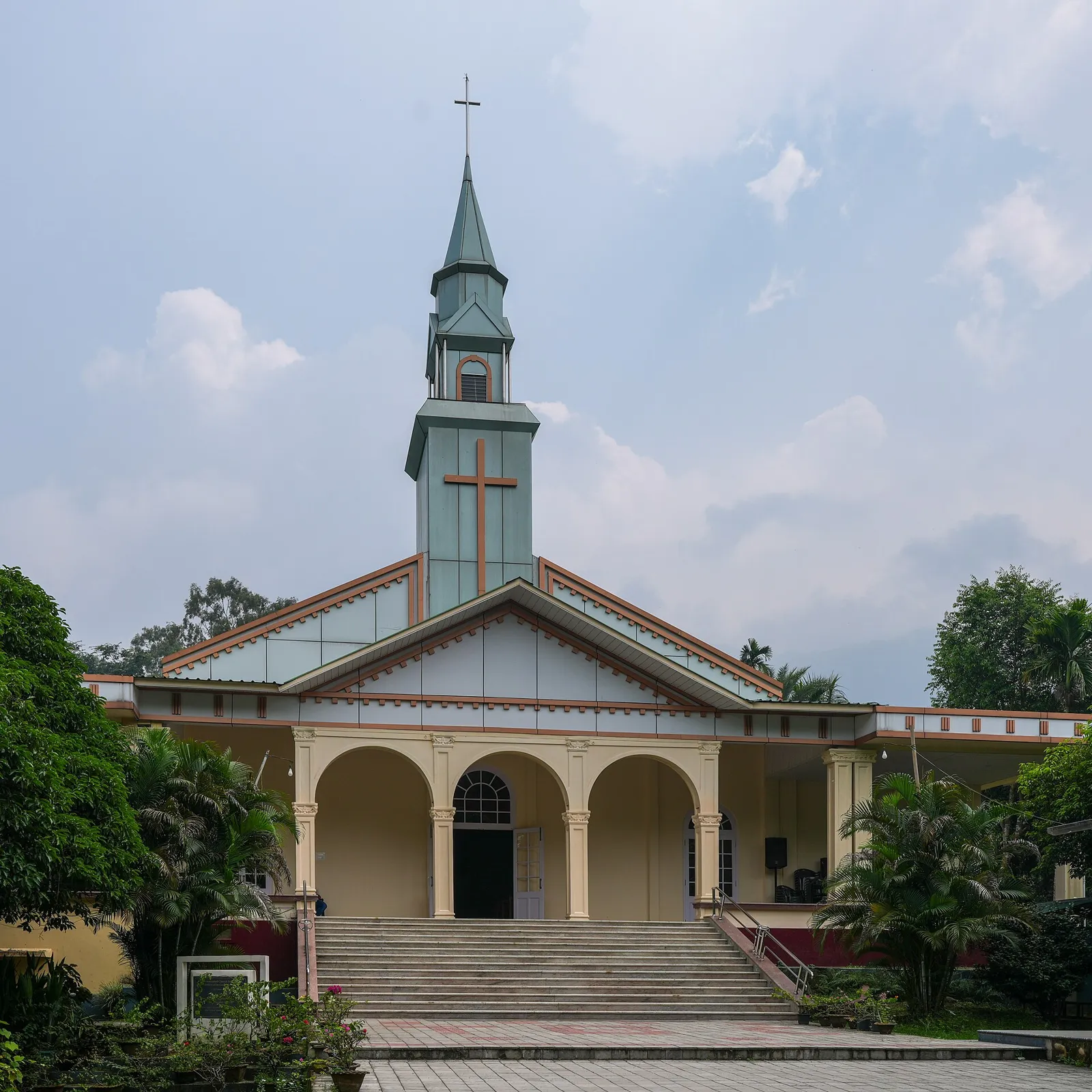
Wangala, the Garo harvest festival, is the best-known cultural celebration of the region. It is generally held after the harvest, often in late autumn, though the timing varies. Festivities feature drums, traditional songs and energetic group dances. Christian celebrations, especially Christmas, are also important in the district. Churches are prominent places of worship, alongside the diverse religious practices of residents. Visitors may encounter cultural performances during festival periods, but these are not guaranteed in town on an ordinary day.

Visiting the city

The drier months, roughly November to February, are generally the most comfortable for exploring Baghmara and nearby outdoor attractions. Monsoon conditions can make hill roads slower and more difficult. The nearest practical airport for most visitors is Lokpriya Gopinath Bordoloi International Airport in Guwahati; Guwahati Railway Station is the main rail connection. From either, onward travel is by road. Buses and shared or hired jeeps are the main options, and services are limited, so allow flexibility for journeys to Siju or Balphakram.

In town, explore the central market area and Dilsa Hill Colony, home to the Pitcher Plant Sanctuary. The riverfront and nearby hills offer a sense of the landscape, while Baghmara is also a useful overnight base before continuing to regional attractions. Check local road conditions before setting out.

Trips from the city

Nearest places to visit from Baghmara

Our closest destination guides, by straight-line distance.

Balpakram National Park

33 km away · South Garo Hills district

Balpakram National Park

Balpakram National Park is a protected area in Meghalaya’s South Garo Hills, close to Bangladesh and about 910 metres above sea level. Its wildlife and significance in Garo tradition are key reasons to visit.

Tura

57 km away · West Garo Hills district

Tura

Tura is a municipality in Meghalaya’s West Garo Hills, serving as a cultural and administrative centre for the Garo people. Visitors find it among the foothills, valleys and streams.

Nokrek National Park

66 km away · West Garo Hills district

Nokrek National Park

Nokrek National Park is a protected area in Meghalaya’s Garo Hills and the central part of the Nokrek Biosphere Reserve, known for its biodiversity and UNESCO recognition.

67 km away · West Khasi Hills district

Nongkhnum River Island

Nongkhnum River Island, in Meghalaya’s West Khasi Hills district, is the state’s largest river island. Visitors come to experience its distinctive setting between the Wah Kynshi and Namiliang rivers.

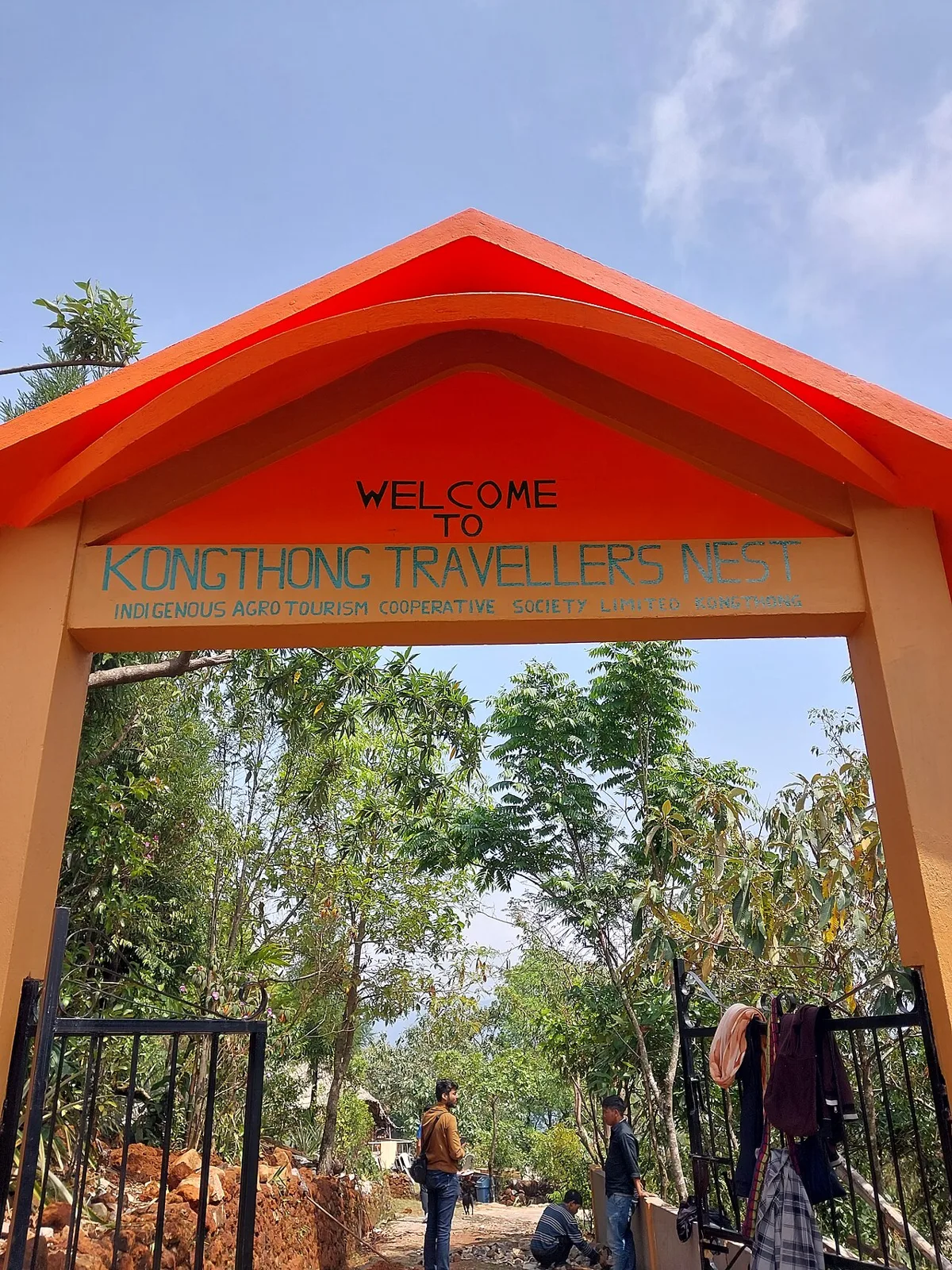
Kongthong (Whistling Village)

84 km away · East Khasi Hills district

Kongthong (Whistling Village)

Kongthong is a Meghalaya village known for its whistled naming custom. Visitors and language researchers come to learn about this tradition, which has also brought the village international tourism and heritage recognition efforts.

Mawsynram

95 km away · East Khasi Hills district

Mawsynram

Mawsynram, in Meghalaya’s East Khasi Hills, is known for extraordinary rainfall. People visit to experience a town regarded as the world’s wettest, 69 km from Shillong.

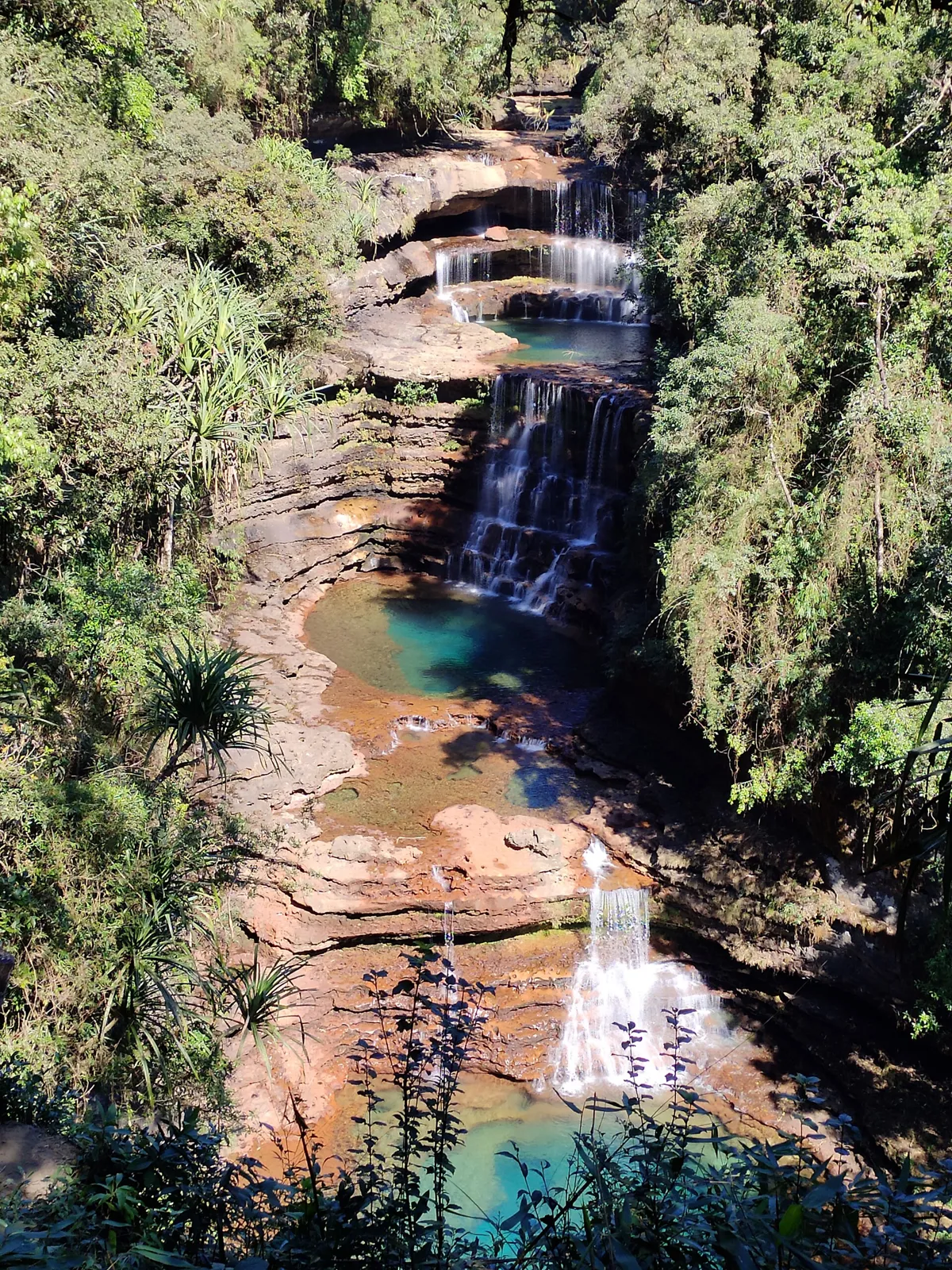
Wei Sawdong Falls

104 km away · East Khasi Hills district

Wei Sawdong Falls

Located in Cherrapunji, Wei Sawdong Falls is a waterfall with three descending tiers. Visitors come to view its layered cascade in Meghalaya’s East Khasi Hills district.

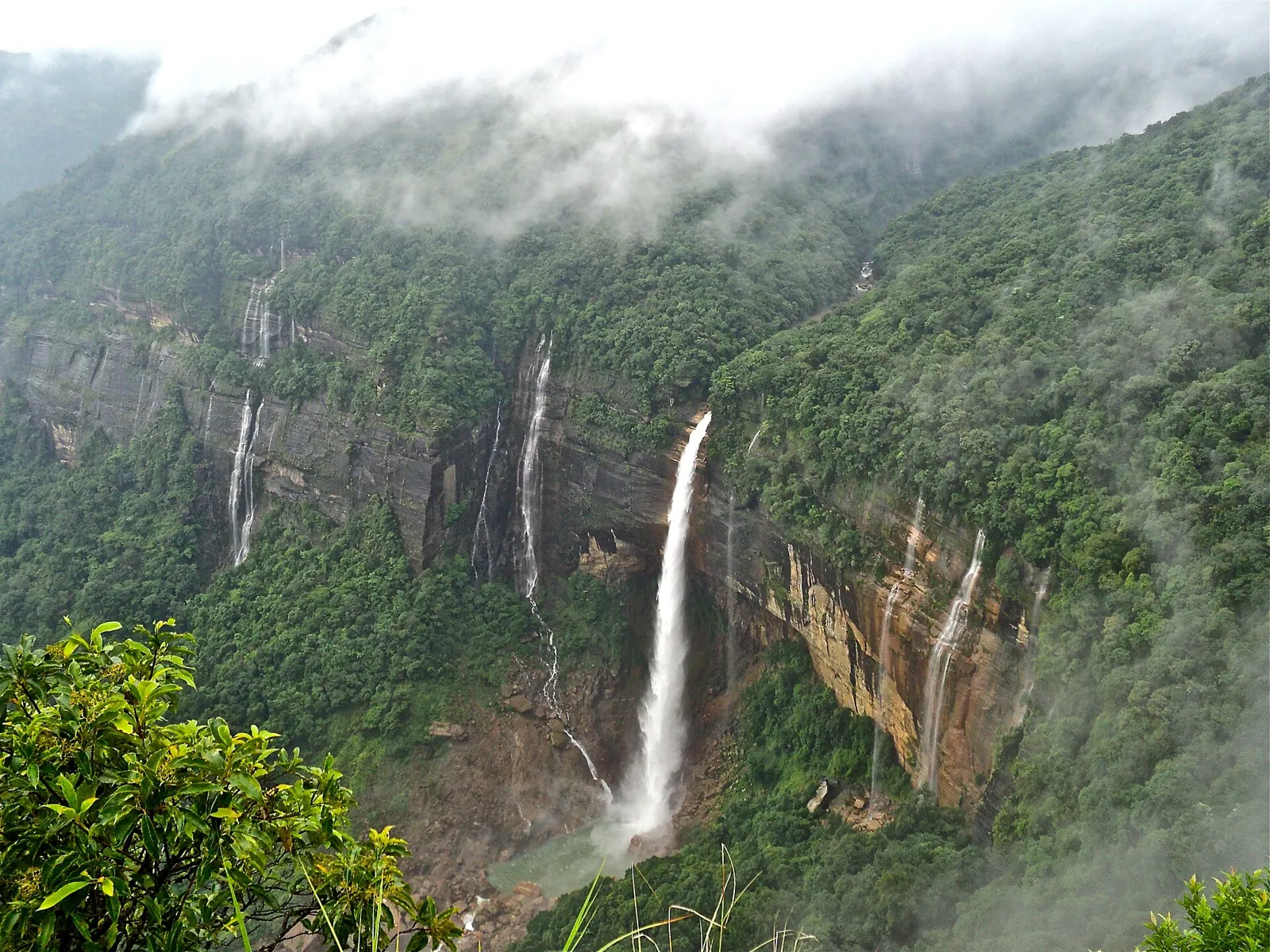
Nohkalikai Falls

105 km away · East Khasi Hills district

Nohkalikai Falls

In Meghalaya’s East Khasi Hills, Nohkalikai Falls is India’s tallest plunge waterfall, with a 340-metre drop near Sohra. Visitors come to see the cascade and its green pool.

Map

Baghmara on the map

  1. 1Balpakram National Park
  2. 2Tura
  3. 3Nokrek National Park
  4. 4Nongkhnum River Island
  5. 5Kongthong (Whistling Village)
  6. 6Mawsynram
  7. 7Wei Sawdong Falls
  8. 8Nohkalikai Falls

Meghalaya

Other cities to explore