Ghumoopedia — Explore, Discover, Experience
Sign in
Shillong, near Shillong

City guide · Meghalaya

Shillong

Shillong is Meghalaya’s capital and a hill station in East Khasi Hills. Visitors are drawn by its rolling-hill setting and its place in the region’s administrative history.

Famous for

  • Khasi hills and viewpoints
  • Live music and rock
  • Khasi cuisine
  • Nongkrem dance
  • Iewduh market
In the city
4
Districts
East Khasi Hills, Ri-Bhoi

Why Shillong matters

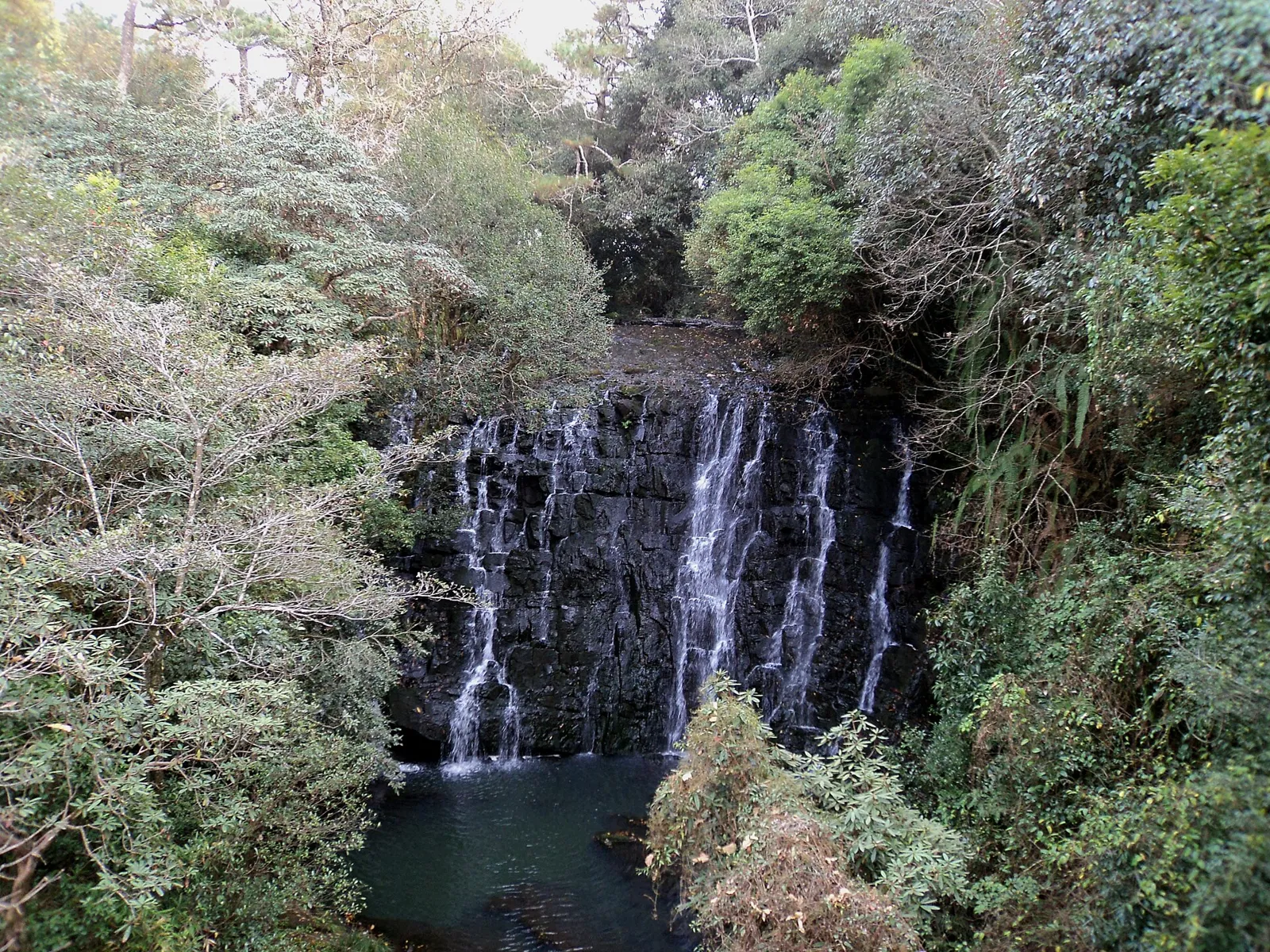
Shillong is Meghalaya’s capital and the administrative and educational centre of the Khasi Hills. Set on a high plateau among wooded slopes, it is a gateway to the region’s waterfalls, living Khasi traditions and landscapes. Its cool, rainy climate and green surroundings have long drawn visitors, while the city itself offers lively markets, museums, churches and a strong music scene. The nickname “Scotland of the East” reflects the impression its rolling hills made on British visitors, though Shillong’s character is distinctly Khasi and northeastern Indian.

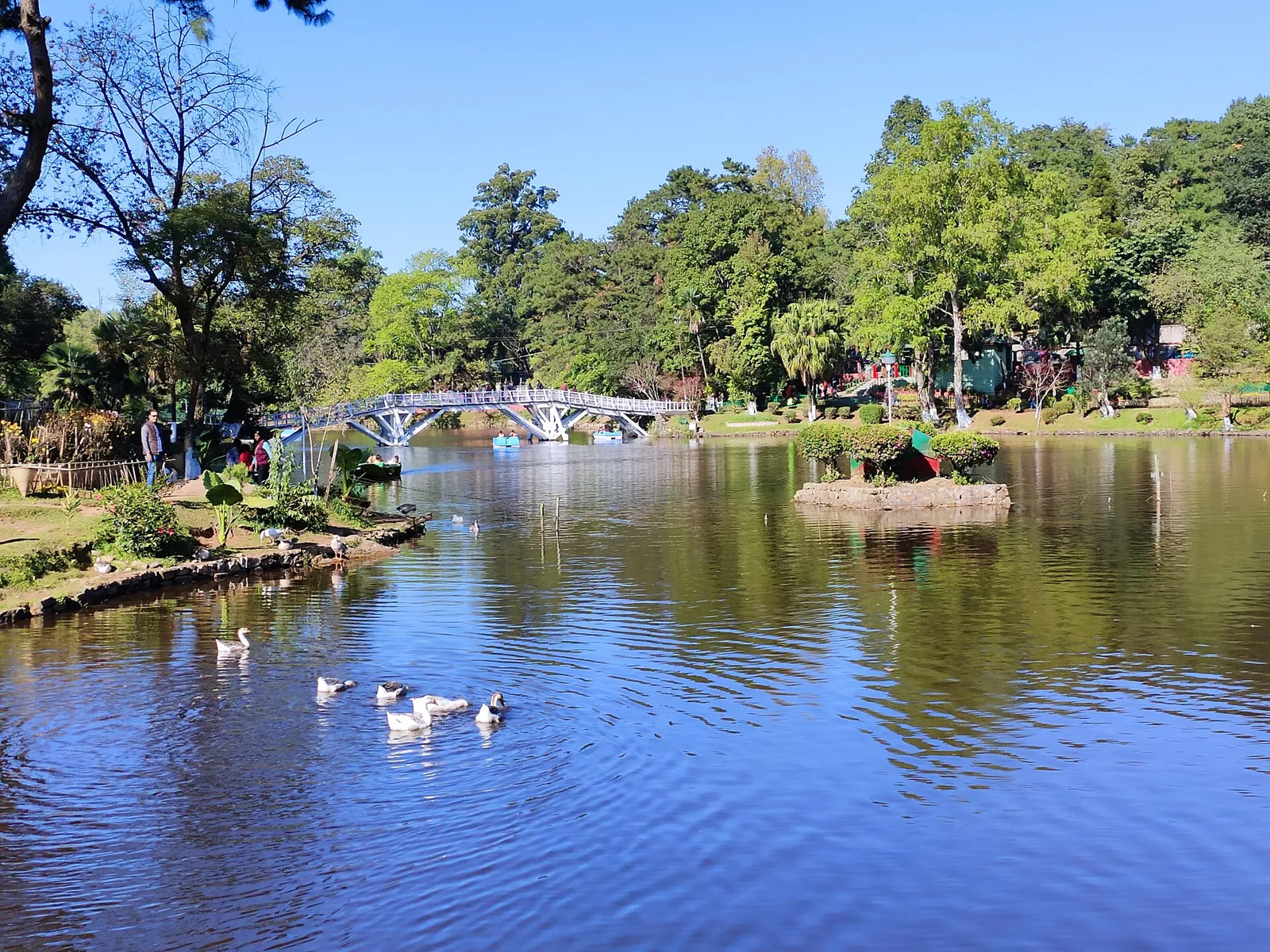
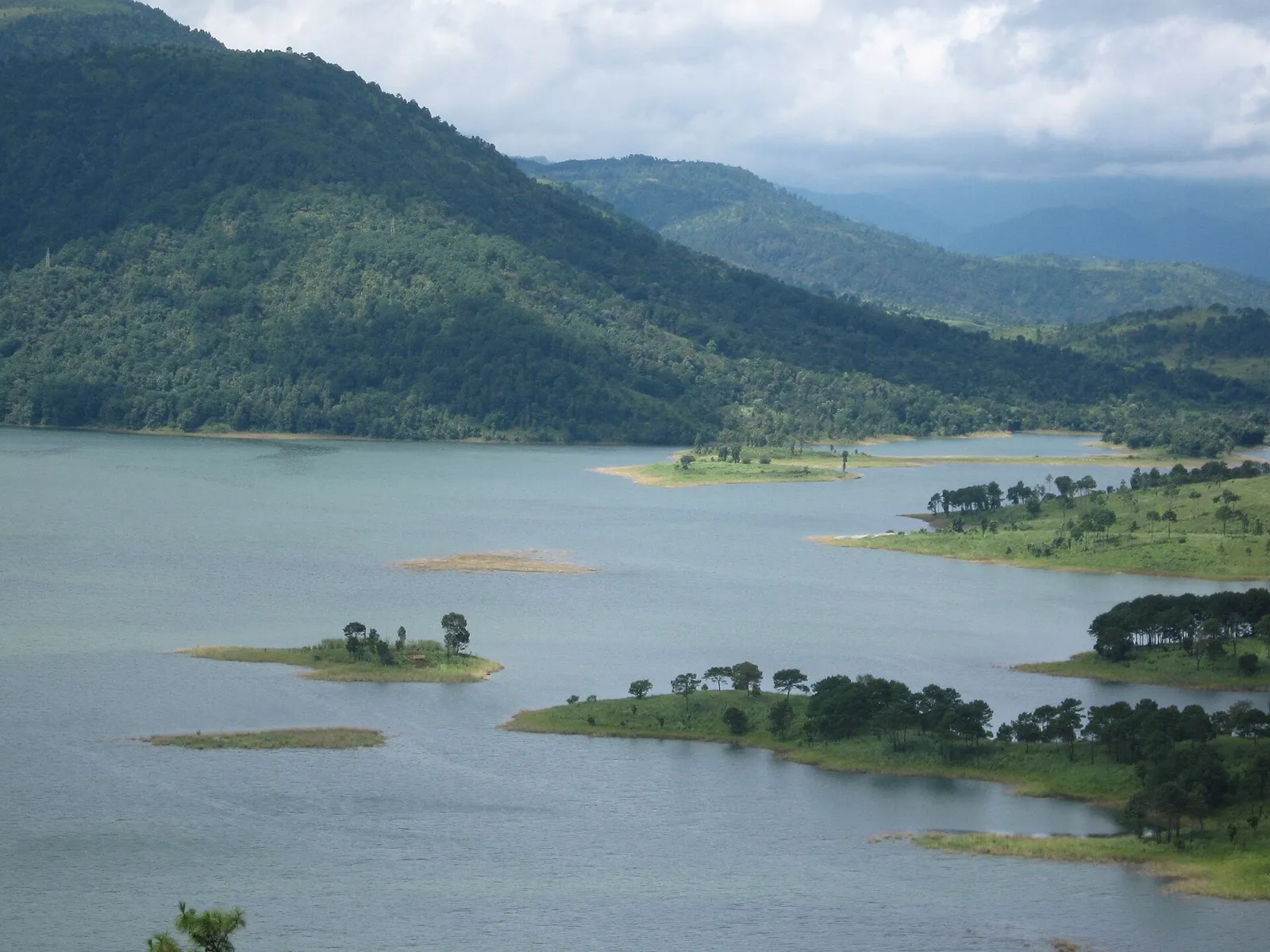
Visitors come for viewpoints such as Shillong Peak, strolls around Ward’s Lake and the bustle of Iewduh and Police Bazar. Shillong is also known for concerts and local bands, and serves as a convenient base for journeys to places including Sohra and Umiam Lake. As the state capital, it brings together government offices, universities and cultural institutions, making it an important hub for Meghalaya as well as a popular stop on regional itineraries.
Famous for: crafts, trade & products

Shillong is a good place to encounter crafts and foods from across Meghalaya, although many are produced in villages elsewhere in the state. Khasi and Jaintia handwoven cloth, including eri silk known locally as Ryndia, is sold through shops and craft outlets. Cane and bamboo work, woven baskets and other household crafts are also found in local markets. Iewduh, often called Bara Bazar, is the city’s major traditional market, with stalls selling produce, textiles and everyday goods; Police Bazar has a wider mix of shops and visitor-oriented businesses.

Regional specialities such as Lakadong turmeric, Khasi mandarin oranges and local honey may appear in markets and seasonal sales. These are associated with Meghalaya’s growing agricultural trade rather than being products made exclusively in Shillong. The city is also known for its institutions and services: North-Eastern Hill University and other colleges draw students from across the region, while government offices, shops and hospitality businesses support the state capital’s role as a commercial centre. For locally made textiles and crafts, look for reputable craft retailers and ask about the artisan community and place of production.

History

Shillong grew into a town under British rule. In the early nineteenth century, British officials sought routes through the Khasi and Jaintia Hills and established contact with local chiefs. After finding Sohra (Cherrapunjee) an unsuitable administrative base, they developed Shillong in the cooler plateau country. The settlement became a civil station in 1864 and, in 1874, the headquarters of the newly formed Chief Commissioner’s Province of Assam. Its location between the Brahmaputra and Surma valleys helped make it a centre of colonial administration.

A major earthquake in 1897 severely damaged the town. Shillong later served as the capital of undivided Assam and became the capital of the new state of Meghalaya when it was formed in 1972. Today it remains the state’s principal administrative centre and a regional hub for education, commerce and tourism. Its growth has brought modern institutions and expanding neighbourhoods while Khasi heritage continues to shape the city’s identity.

Food, festivals & culture

Khasi food is central to Shillong’s dining scene. Jadoh, a rice dish often cooked with meat, and dohneiiong, pork prepared with black sesame, are familiar specialities; tungrymbai, a fermented soybean preparation, is another local favourite. Street stalls and restaurants also serve momos, noodles and other foods popular across the Northeast. Pukhlein, a sweet made with rice flour and jaggery, is enjoyed as a snack or festive treat.

The Khasi calendar includes Shad Suk Mynsiem, usually held in spring, and the Nongkrem Dance, generally celebrated in autumn near Shillong. Both are important expressions of Khasi tradition, with ritual, music and dance. Khasi is widely spoken, alongside English and Hindi. Shillong has a lively contemporary music culture, particularly rock, alongside traditional Khasi songs and instruments. Churches are prominent in the city; places of worship also include Hindu temples, mosques and sites connected with indigenous Khasi beliefs.

Visiting the city

The drier months, broadly from October to April, are usually the easiest time to explore Shillong. Monsoon rains typically extend from June into autumn, bringing lush scenery but sometimes making road journeys slower. Shillong Airport at Umroi has limited connections; Guwahati’s Lokpriya Gopinath Bordoloi International Airport is the main air gateway for many visitors. The nearest major railway station is Guwahati Railway Station, with onward travel to Shillong by road.

Taxis and shared vehicles are common ways to get around, while walking suits parts of the central city. Police Bazar is a practical base for shops and transport; Laitumkhrah has cafés and a student-quarter feel. Explore Iewduh for its traditional market, and visit Ward’s Lake, the museum district and viewpoints such as Shillong Peak. Allow extra road time during heavy rain or busy periods.

Attractions

Places to visit in Shillong

Sights within about 12 km of each other, even when they fall in different districts.

Map

Shillong on the map

  1. 1Shillong
  2. 2Elephant Falls
  3. 3Umiam Lake
  4. 4Ward's Lake

Meghalaya

Other cities to explore