
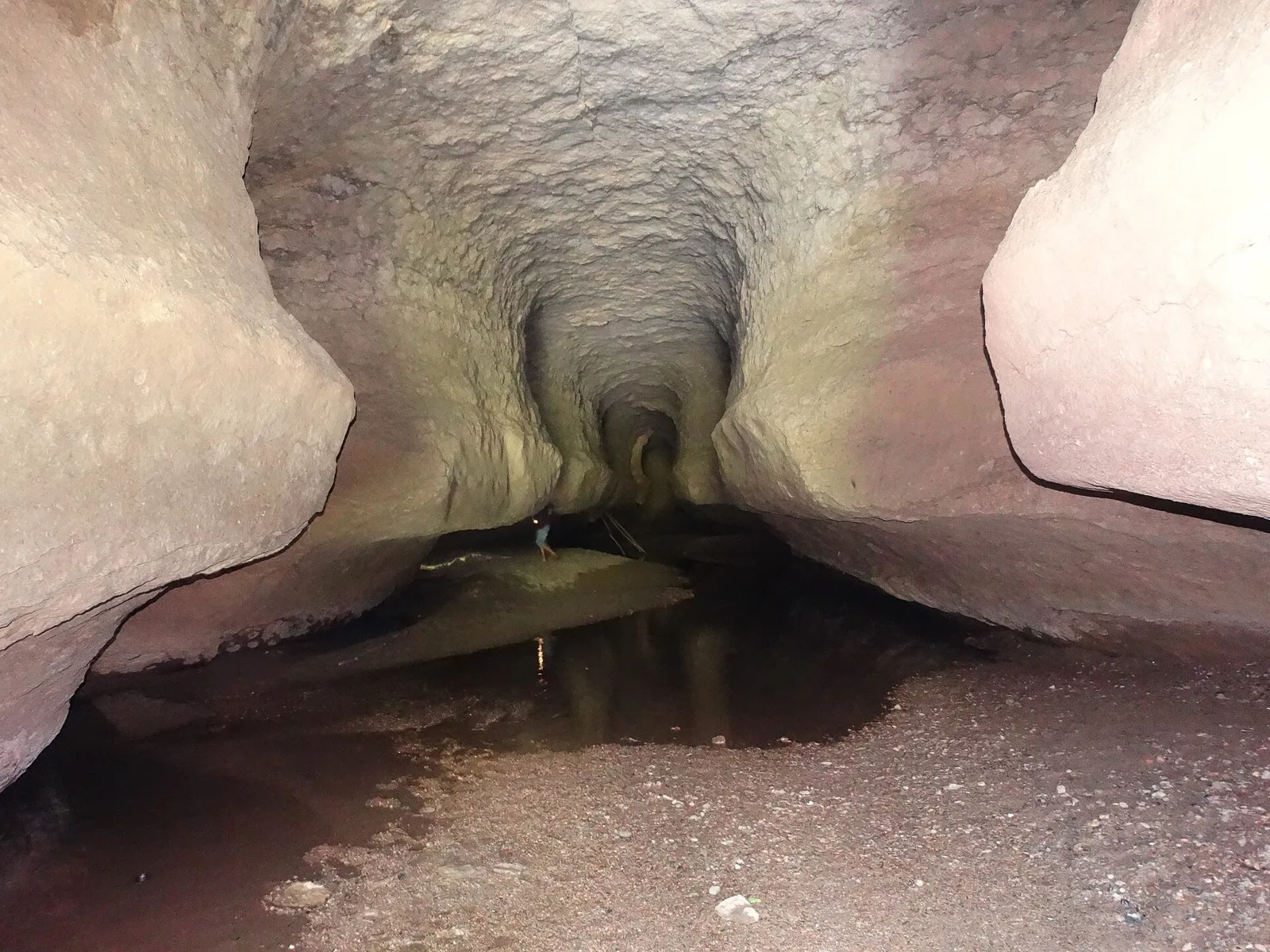
Siju Cave
Siju Cave, also called Siju Dobakkol and the Bat Cave, is a limestone cave in Meghalaya, drawing interest for its mineral formations, bat population and scientific study.
Key facts · verified by Ghumoopedia editors
- Type of place
- Heritage monument
- Best time to visit
- October to May; the monsoon is dramatic for waterfalls but roads and treks become slippery
- Verified
- 21 Nov 2026
Known as Siju Dobakkol, the cave is in South Garo Hills district, in Meghalaya’s Garo Hills region in north-eastern India. Siju Cave and Bat Cave are English names for it. The limestone cave is noted for its stalactite and stalagmite formations. It lies near Napak Lake and the Simsang River game reserve. Tens of thousands of bats live in the cave. It has also been studied extensively in biospeleology and is regarded as an important research site in the Indian subcontinent. The Khasi, Jaintia and Garo communities follow matrilineal traditions, and community councils manage much of the land visitors pass through. Meghalaya is among the wettest places on earth: Sohra and Mawsynram receive extreme monsoon rainfall. Shillong is cool all year, and fog can close viewpoints at any season. The usual best time to visit is October to May; the monsoon is dramatic for waterfalls but roads and treks become slippery. Days are short in Northeast India: the sun can set before 5 pm in winter, so plan to reach and leave Siju Cave in daylight. Timings, fees and access arrangements must be confirmed locally. For official information, see Meghalaya Tourism at https://www.meghalayatourism.in.
Why it matters
Siju Dobakkol, commonly called Siju Cave or Bat Cave, is a major natural heritage site in South Garo Hills, Meghalaya. Its limestone formations and large bat population make it notable for both geology and wildlife. Its setting near Napak Lake and the Simsang River links it to the wider landscape of the Garo Hills. These regional and scientific associations are well established in descriptions of the site. No UNESCO World Heritage or Archaeological Survey of India monument designation is confirmed here; visitors should not assume either applies.
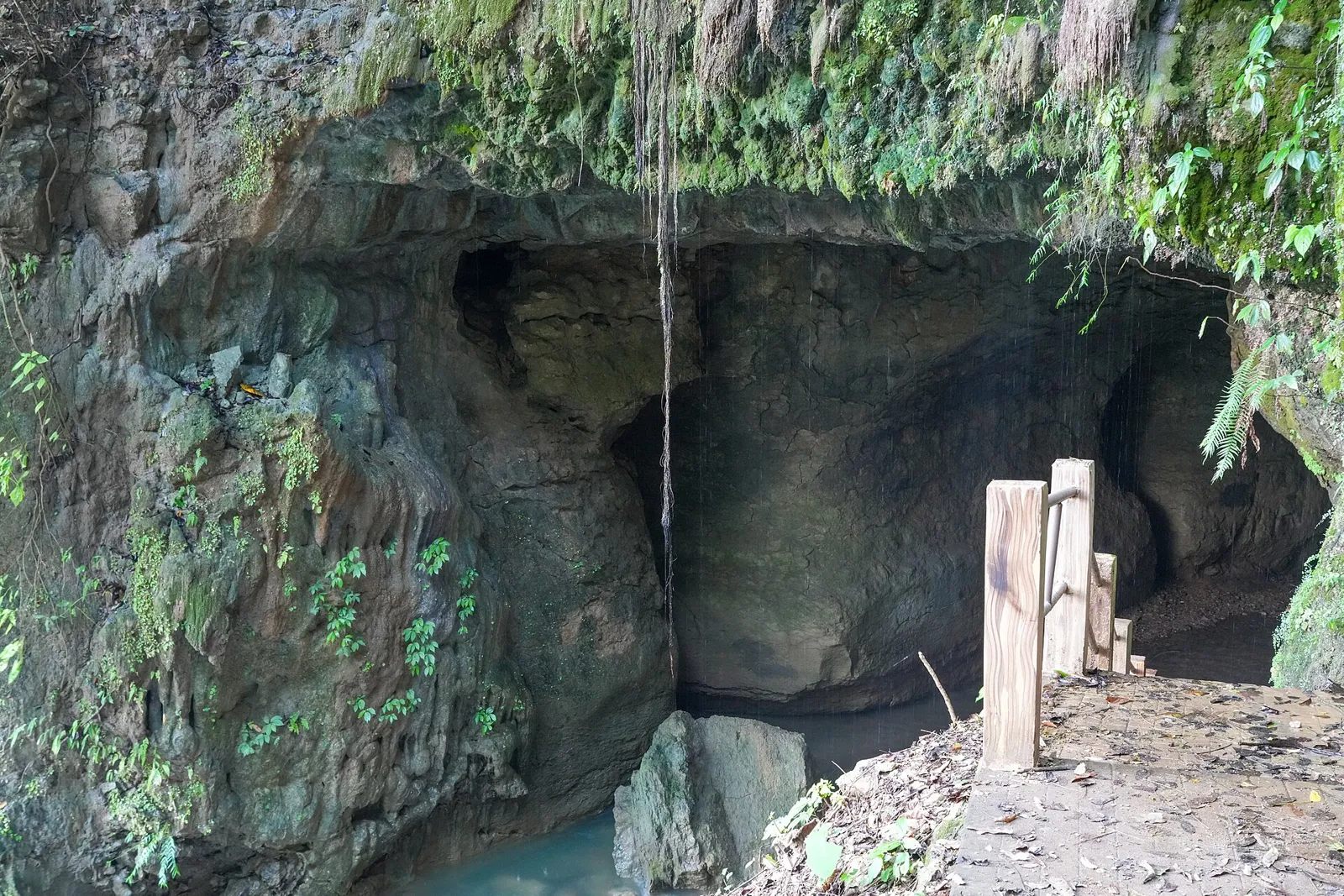
Siju Cave is a natural limestone cave, not a monument built by a ruler or community. Its passages and formations developed over long geological periods as water acted on limestone. Stalactites, which hang from cave roofs, and stalagmites, which rise from floors, are among the features associated with this process. The cave’s bats and other cave-dwelling life have also made it important to biospeleological study. The supplied public-encyclopaedia summary describes Siju as one of the most thoroughly researched caves in the Indian subcontinent, although it does not provide a single founding date or a complete chronology of investigations. There is no known builder, construction phase or documented restoration campaign: the cave is valued chiefly as a natural feature. Access and visitor arrangements may change, so check locally for current conservation guidance and whether guided entry is available.
Origin stories & folklore
No single origin legend for Siju Cave can be confidently presented as a widely documented account. Local stories and beliefs may vary between communities, and visitors should ask residents or a local guide rather than assume that a story belongs to everyone in the area. The English name “Bat Cave” refers to the cave’s bats; it should not be treated as proof of a particular folk origin. The cave’s darkness, unusual formations and wildlife may invite imaginative explanations, but geological processes account for the limestone passages and formations. Listen respectfully if local people share a tradition, and ask before recording or publishing it.
Architecture & design
Siju Cave has no constructed architectural style: it is a natural limestone cave shaped by water over geological time. Its layout consists of underground passages and chambers, with the route and conditions varying within the cave. The best-known visual features are stalactites hanging from ceilings and stalagmites rising from the floor. These formations can be fragile, so visitors should not touch, climb on or remove them. The cave is also associated with a large bat population, and its ecology is part of its heritage. There is no confirmed masonry entrance complex, designed façade or system of visitor-built galleries to describe. Any marked approach or managed visitor path is distinct from the natural cave itself. Follow the route and safety instructions given by the local manager or guide, and do not enter side passages independently.
Important objects & sculptures
Siju Cave is not known for a collection of installed idols, sculptures, inscriptions or portable antiquities. The features visitors come to see are natural: limestone stalactites and stalagmites, cave passages and the habitat used by bats. These formations are part of a living geological environment, not objects to handle or take away. Do not scratch names into the rock, disturb wildlife or use flash where a guide or site authority advises against it. Ask a registered local guide to identify notable formations along an authorised route.
Spend unhurried time at Siju Cave: walk the marked paths, use official viewpoints and ask locally whether a guide, entry ticket or permit is needed. Caves should only be entered with a registered local guide, proper lighting and a helmet where provided; never explore side passages on your own. Wildlife sightings are never guaranteed — patience and quiet improve your chances. A comfortable itinerary is one main visit in the morning, a local meal at midday and a short nearby stop before an afternoon return. Use the district list on this site to find other places in South Garo Hills, but check the actual road route and its condition before combining stops. If a festival is on, local roads and stays can be busy — and the experience can be unforgettable. Leave no litter: many sites in Meghalaya are protected by the communities who own them.
Suggested itineraries
Half day: Reach Siju in daylight; spend about 2–3 hours on the authorised cave visit with a local guide; have a local meal; allow time for the return journey. Full day: Visit the cave in the morning; take a meal break; continue to Napak Lake or an accessible Simsang River-area stop only after confirming road access; return before dark. Gentler option: Ask locally about the shortest managed approach and a limited, guided visit; enjoy the surrounding landscape from an accessible stopping point rather than attempting a long or uneven cave route.
Siju lies in the Garo Hills, where Garo communities have longstanding cultural ties to the land. Garo is widely spoken in the region, alongside other languages used across Meghalaya and in visitor services. The wider area is shaped by community relationships to land and local decision-making, so visitors should follow guidance from residents and site managers. Garo music, dance and traditional dress are part of living cultural life, but they are not guaranteed features of a cave visit. Ask permission before photographing people, homes or community activities, and do not assume that a visitor ceremony or performance is available on demand.
Festivals & events
In the wider Garo Hills, Wangala, the Garo harvest festival, is commonly celebrated in the post-monsoon period, often around November; arrangements vary by community and year. Local celebrations, church events and community gatherings may also affect road access and accommodation. These are community occasions rather than scheduled cave attractions, so visitors should confirm whether an event is open to guests and follow local advice. Busy periods can reduce the availability of transport or nearby stays.
Local food in Meghalaya includes jadoh (rice cooked with meat), dohneiiong (pork with black sesame), tungrymbai (fermented soybean), pumaloi and Garo dishes such as kapa. Ask what is fresh that day; many small eateries cook a limited daily menu. Pork, beef, fish and fermented ingredients are common in tribal cuisines, so vegetarian travellers should explain their needs clearly — rice, dal, vegetables and eggs are usually possible in towns. Remote sites may have no restaurant at all. Carry water and snacks, eat a proper breakfast before long drives, and ask your accommodation for a packed lunch if you are heading out early. Try a homestay-cooked meal when you can — it is often the best food in the hills. Choose busy, clean places and carry your packaging back to town.
Shopping & local experiences
There may be little or no shopping directly at the cave, so look for local markets in Baghmara or other towns on your route. Depending on availability, visitors may find Garo-made textiles, bamboo or cane work, and locally produced foods. Ask about the maker and community source, and buy respectfully rather than bargaining aggressively. A meal or seasonal produce purchased from a local vendor can be a useful way to support the area. Carry reusable bags and avoid buying wildlife products, cave material or anything taken from the natural site.
October to May; the monsoon is dramatic for waterfalls but roads and treks become slippery
These figures are calculated from map coordinates — hill roads in Meghalaya wind a lot, so actual road distance and travel time are usually much longer. Guwahati is the main rail and air hub for the region, and most long-distance journeys connect through it. For the final leg, Meghalaya Transport Corporation (MTC) and shared taxis from Shillong’s Police Bazaar and Anjalee terminals link district towns; shared taxis usually leave early in the morning and depart only when full. A private taxi gives more flexibility for remote sites. When comparing train, bus and flight, count the complete door-to-door time: a flight saves the most time only if the onward road transfer is short, while an overnight train to Guwahati plus a road journey can save a hotel night. Book your return before you leave, because seats on shared vehicles and the few daily flights fill quickly. Current train numbers, timings, return services and fares are not listed here; check IRCTC and NTES for trains and the airline’s own schedule for flights. No Inner Line Permit is needed for Indian visitors to Meghalaya. Many villages, caves, waterfalls and living root bridges charge a small community entry or parking fee, and some sites have their own visitor rules.
Getting around
Siju is in a rural part of South Garo Hills, so arrange the final road leg in advance where possible. Shared taxis and other local transport connect district towns, but availability and departure arrangements can vary; ask locally rather than relying on a fixed schedule. A private taxi offers more flexibility for a cave visit and nearby stops. Confirm road conditions and the vehicle’s return plan before travelling. Walk only on authorised approaches, and do not assume that a boat service operates on the nearby river or lake. If driving, ask where parking is permitted and avoid blocking community access.
Hours, tickets & permissions
Entry arrangements may depend on local management, seasonal conditions and whether a guide is available. Tickets, permits, camera rules, identification requirements and restrictions on cave access should be confirmed with the managing authority or locally before setting out. Do not assume that the cave is open for independent entry, or that every passage is included in a visitor route. Confirm current visiting hours and any fees directly with the site manager or Meghalaya Tourism; no verified current schedule is provided here.
Facilities
Facilities at the cave may be basic and can change. Check locally whether toilets, drinking water, parking and a registered guide are available; do not count on food stalls or an ATM at the site. Carry water and any food you need, and take all rubbish back with you. Baghmara and other district-town stops may offer more services, but availability should be verified before travel. Cave entry requires suitable lighting and attention to safety instructions; use a helmet where one is provided or required.
Accessibility
The approach and cave interior may involve uneven ground, low ceilings, confined passages, slippery surfaces and walking in darkness. Conditions can be especially difficult after rain. A cave visit may not be suitable for wheelchair users or strollers, and there is no confirmed step-free route or lift. Older visitors or anyone with limited balance, mobility, breathing comfort or confidence in enclosed spaces should ask a local guide about the route before committing. Do not proceed beyond your comfort level, and avoid entering without an authorised guide and appropriate lighting.
No Inner Line Permit is needed for Indian visitors to Meghalaya. Many villages, caves, waterfalls and living root bridges charge a small community entry or parking fee, and some sites have their own visitor rules. Carry a photo ID at all times; checkpoints are common. Save the emergency number 112 and your accommodation’s contact offline. Heat, humidity and sudden downpours are the main weather risks; carry water and rain protection. Stay on marked paths, keep away from cliff edges and fast water, and never approach wild animals. Avoid hill road travel after dark and during heavy rain, when landslides are more likely. Check official advisories for the region before travel, and follow local guidance if access changes.
Photography
The cave’s formations and surrounding landscape are the main subjects; conditions inside are dim, so use a steady camera and follow the guide’s advice about lighting. Ask locally whether photography is permitted and whether flash is restricted, especially near bats. Do not touch formations to pose for a picture or disturb wildlife for a closer view. Photograph residents only with their consent. Drone use may require permissions and can disturb wildlife or nearby communities; do not fly one without checking applicable rules and local approval.
Choose a stay by the full journey to Siju Cave, not just the district name. Main towns in South Garo Hills usually offer hotels, state tourism lodges and homestays with better transport, meals and medical access, while village homestays offer a closer connection to local life. In the plains and valleys, check fans or air-conditioning and mosquito nets in summer. Book in advance for weekends, festival dates and the peak season (October to May; the monsoon is dramatic for waterfalls but roads and treks become slippery). Confirm the exact location, meals included, check-in time and cancellation terms in writing. Many homestays accept payment on arrival; avoid sending money to unverified contacts. Mobile network and digital payments can be unreliable in remote areas, so carry some cash.
Napak Lake and the Simsang River are named features near Siju Cave and may be considered as part of a visit, subject to local access and road conditions. Baghmara is a useful town in South Garo Hills for checking transport and arranging supplies. Balpakram National Park is another notable destination in the district, but it is a separate excursion; verify the route, access rules and time needed before combining it with Siju. Do not rely on map distance alone when planning rural travel, as hill roads can make journeys much longer.
For couples, Siju Cave rewards a slow pace: arrive early for soft light and fewer crowds, share a local meal and keep the evening free. Public displays of affection can be frowned upon in conservative communities and at religious sites, so be discreet. A homestay can make the trip memorable — confirm privacy, hot water and transport back. Keep a buffer day in your itinerary, because weather and road closures can delay plans in Meghalaya.
Q: How much time should I allow for Siju Cave? A: Allow several hours for the guided visit and approach, plus enough time for the rural road journey. Confirm the route and conditions locally. Q: When is the best season to visit? A: October to May is generally the more practical period. Monsoon scenery can be dramatic, but rain may make roads and walking surfaces slippery. Q: Can I enter the cave without a guide, and are there entry fees? A: Do not enter independently. Ask locally whether a registered guide, ticket or permit is required, and confirm current fees with the managing authority. Q: Is the cave suitable for children or elderly visitors? A: Suitability depends on mobility, comfort in enclosed spaces and current route conditions. The uneven, dark interior may be challenging; ask a local guide before entering. Q: Where can I stay nearby? A: Check accommodation availability in Baghmara or other district towns before travel. Options close to the cave may be limited, so confirm transport and an overnight plan in advance.
Be the first to share photos, stories, advice or a helpful contact for Siju Cave.
Loading…