
Ghumoopedia — Explore, Discover, Experience
Sign in

Tribal · Assam

Ali-Ai-Ligang

Mising villages of Majuli, Dhemaji, Lakhimpur and Jorhat

Dates

Last verified 17 November 2026. Confirmed: announced by organisers or government. Provisional: from a published almanac, not yet announced. Seasonal: no date announced.

The complete guide

Ali-Ai-Ligang: everything to know before you go

Also known as
Ali-Ai-Ligang or Ali-Ai-Ligang festival
Where
Dhemaji, Lakhimpur, Majuli and Mising-inhabited areas
When
February (planting season celebration)
Duration
Several days including community dances and feasts
Who takes part
Mising community; agrarian ritual festival
Type
Sowing-season festival with dance and ritual
Entry
Open community events; some invitation-only rituals
Best for
Mising dances, indigenous cuisine, rice-culture rituals

Overview

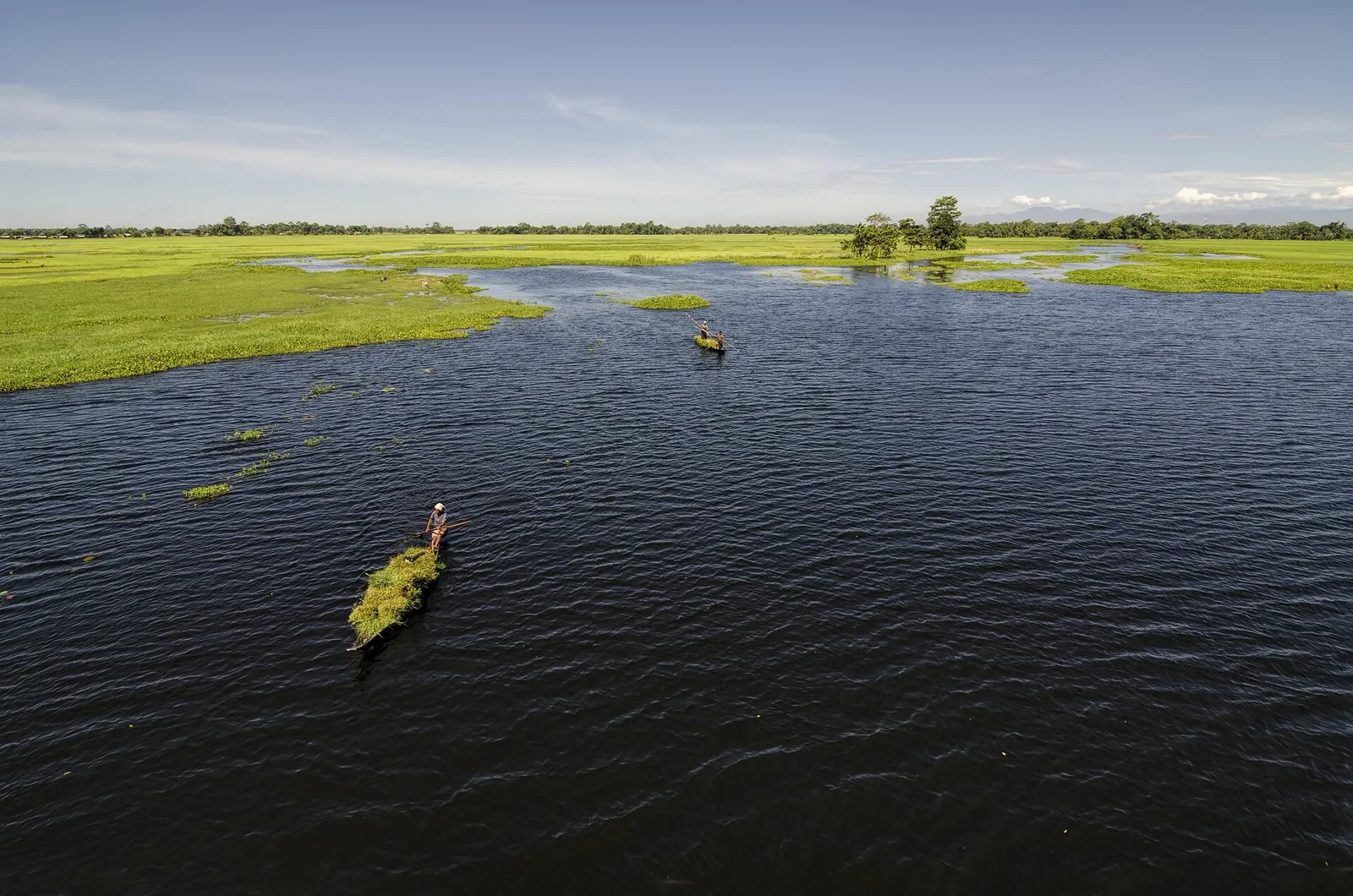
Ali-Ai-Ligang celebrates the start of the planting season for the Mising community. Central to the festival are communal dances, particularly gumrag and gange, offerings to deities for a successful crop and shared feasts featuring local rice varieties.
Origins and legend

The festival commemorates ancestral practices of thanking riverine and hill spirits before sowing. Stories of community founders and guardians are retold, and ritual leaders perform ceremonies that bind social obligations to the land.

How it is celebrated

Villages clear community spaces for circle dances. Men and women wear traditional handwoven garments and perform choreographed dance sequences. Young people participate in courtship songs while elders lead libation rituals to bless the seeds.

The cultural days

Ali-Ai-Ligang features competitions in dance, displays of Mising weaving, and workshops on indigenous agriculture. Cultural troupes occasionally travel to district centres to perform for wider audiences.

The pilgrimage days

Not a pilgrimage in the formal sense, the festival sees movement of community members to village centres and sacred groves for rituals.

Food and flavours

Traditional rice dishes, local preparations with bamboo shoots, pork and freshwater fish dominate festival menus. Handcrafted rice wines may be served during communal feasts.

Music, dance, art and dress

Mising dance forms are rhythmical circle dances with bamboo and string instruments. Dokhona-like garments and coloured sashes are typical; weaving motifs reflect community symbolism.

Where to experience it

Mising villages along the Brahmaputra islands and riverbanks in Dhemaji, Lakhimpur and Majuli provide authentic experiences; district cultural festivals may stage public performances.

Visitor guide

  • Getting there. Reach Dhemaji or Lakhimpur by road or rail; local ferries and roads access riverine villages. Where to stay. District guesthouses and homestays in eco-tourism projects on river islands. What to wear and pack Modest attire for village rituals and footwear suitable for uneven terrain; insect repellent. Etiquette. Accept invitations to communal meals graciously and follow elders’ direction during rituals. Safety and comfort. River conditions can change; coordinate travel with local organisers and avoid lone excursions.

Today and tomorrow

Ali-Ai-Ligang is highlighted in cultural tourism circuits that promote Mising weaving and agro-ecology; youth initiatives document songs and dances to keep traditions living. • Is it free? Most village events are free; staged programs may charge. • Is it only about? Agrarian rites and community bonding through music and dance. • Best day to visit? The main dance-day when multiple villages converge. • See also: Mising weaving cooperatives, river-island homestays.

Nearby

Places to see around the festival