Ghumoopedia — Explore, Discover, Experience
Sign in

Kumbh & Pilgrimage · Assam

Ambubachi Mela

Kamakhya Temple, Nilachal Hill, Guwahati

Dates

Last verified 17 November 2026. Confirmed: announced by organisers or government. Provisional: from a published almanac, not yet announced. Seasonal: no date announced.

The complete guide

Ambubachi Mela: everything to know before you go

Also known as
Kamakhya Ambubachi Fair
Where
Kamrup Metropolitan district, Guwahati
When
June (annual; dates align with the monsoon and the temple’s fertility observance)
Duration
Four to five days of mela activity around the shrine
Who takes part
Shakta (devotees of the Mother Goddess); attracts pilgrims nationwide
Type
Religious pilgrimage and tantric observance
Entry
Temple entry regulated; mela is open to public
Best for
Pilgrimage, devotional rituals, traditional crafts

Overview

Ambubachi Mela at the Kamakhya Temple is a major Shakta pilgrimage that marks the annual menstruation and fertility cycle of the goddess. It draws thousands of devotees and sadhus who come for blessing, tantric rites and communal worship. The mela includes stalls, ritual bathing and a distinct atmosphere of devotional intensity.

Origins and legend

The Kamakhya shrine’s mythology links the temple to the goddess’ creative power and fertility. Traditional accounts speak of the goddess undergoing an annual cycle, making this period ritually significant. Over centuries the mela accrued sadhus, wandering ascetics and tantric practitioners whose customs shaped the fair’s distinctive character.

How it is celebrated

The temple remains closed for a few days while rituals mark the goddess’ annual cycle. Devotees gather for special pujas, offerings and to witness the reopening, which is considered auspicious. The mela area hosts vendors, religious discourses and gatherings of sadhus clad in ochre or ash.

The cultural days

Alongside religious rites, the mela features devotional singing, storytelling about the goddess and displays of folk religious arts. Local artisans sell ritual paraphernalia, textiles and sacred books to pilgrims.

The pilgrimage days

Pilgrims perform circumambulations, make offerings and participate in communal prayers. Many undertake vows and seek specific blessings for fertility, family wellbeing and recovery from illness.

Food and flavours

The mela’s food stalls serve local Assamese snacks, sweets and simple meals. Devotional offerings influence menu choices; many pilgrims bring or purchase prasadam for distribution.

Music, dance, art and dress

Religious singing, mantra recitation and performance by devotional groups punctuate the mela. Sadhus wear traditional robes or ashes; lay pilgrims often dress in simple white or saffron.

Where to experience it

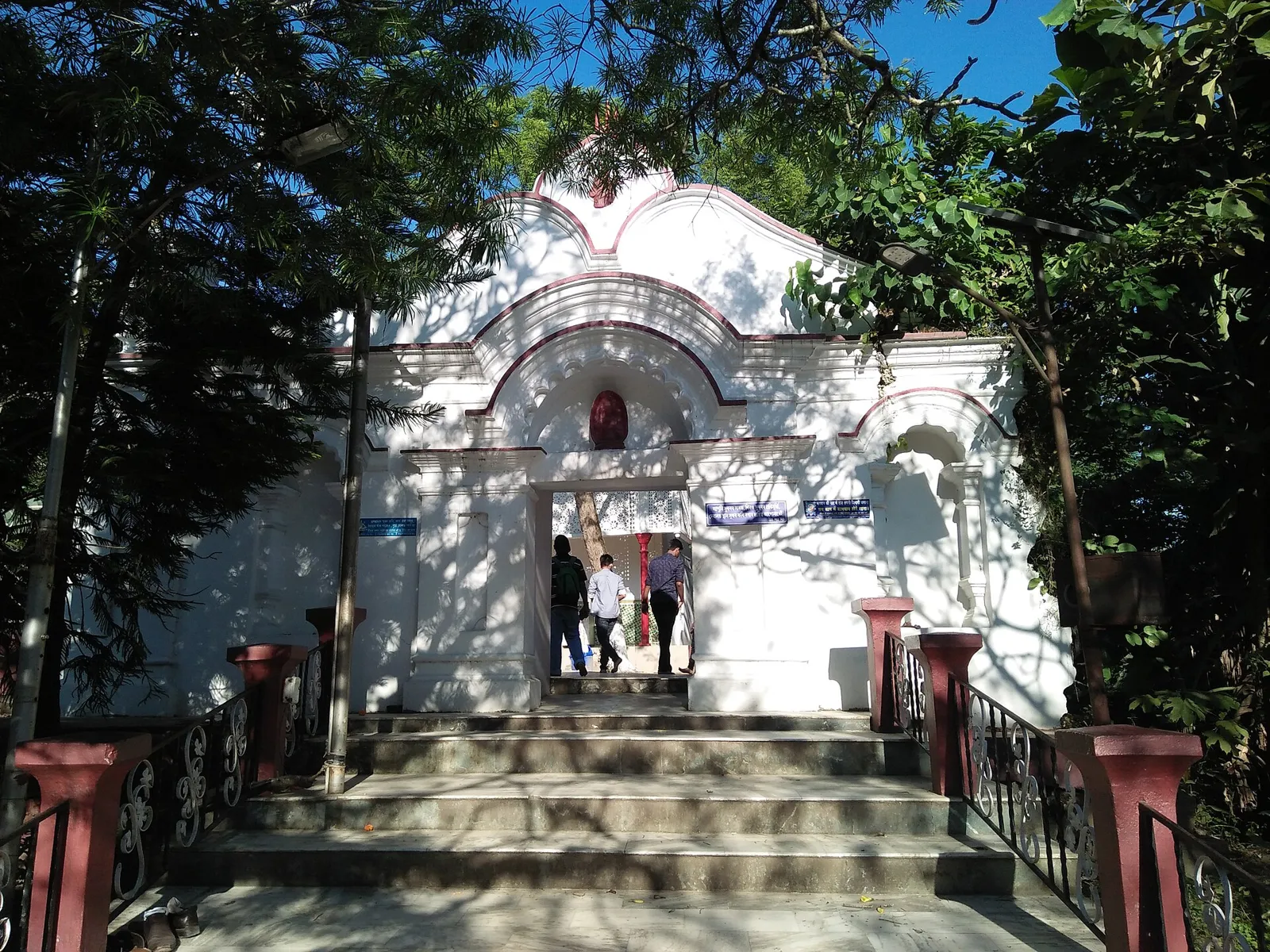
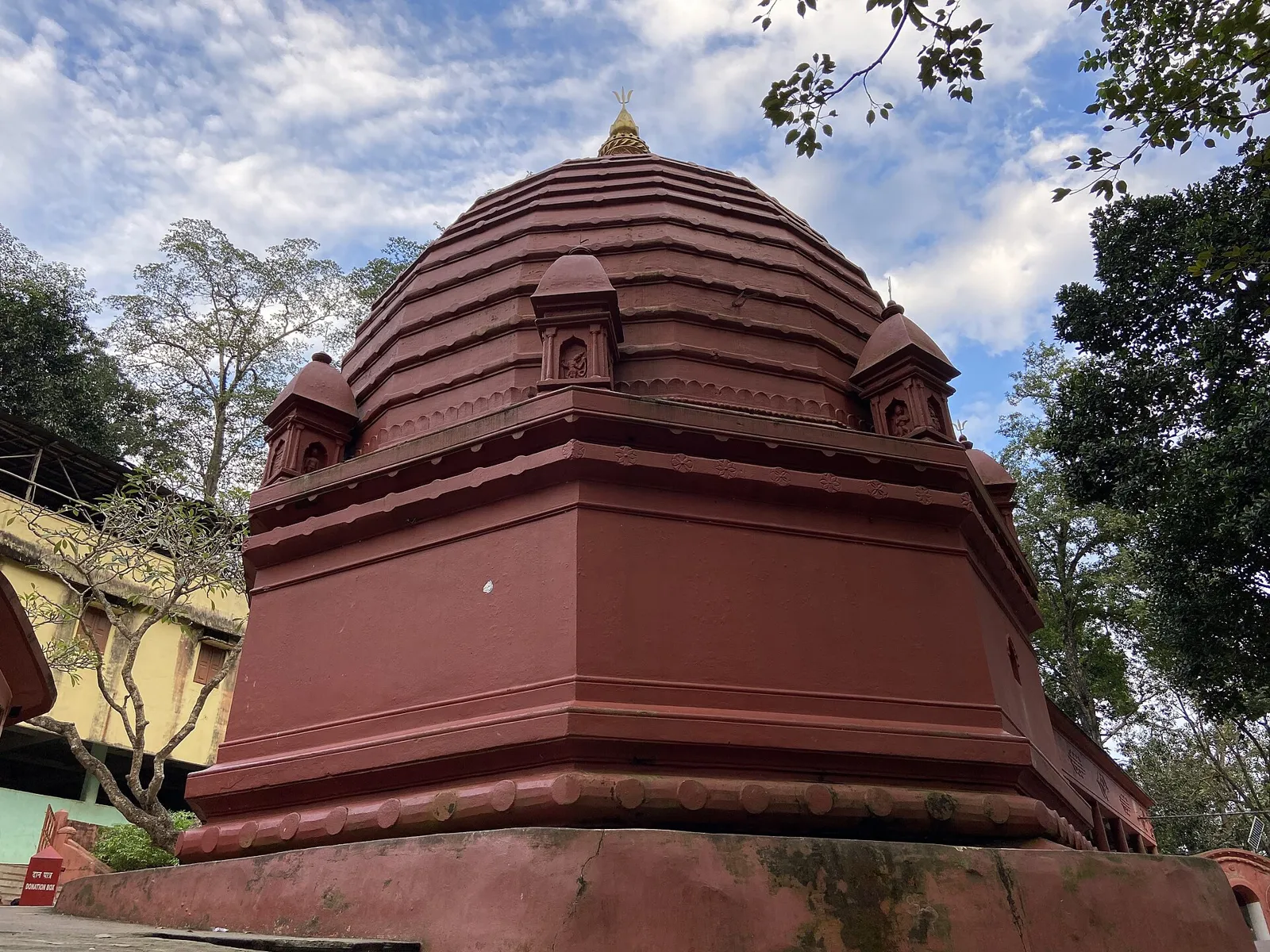
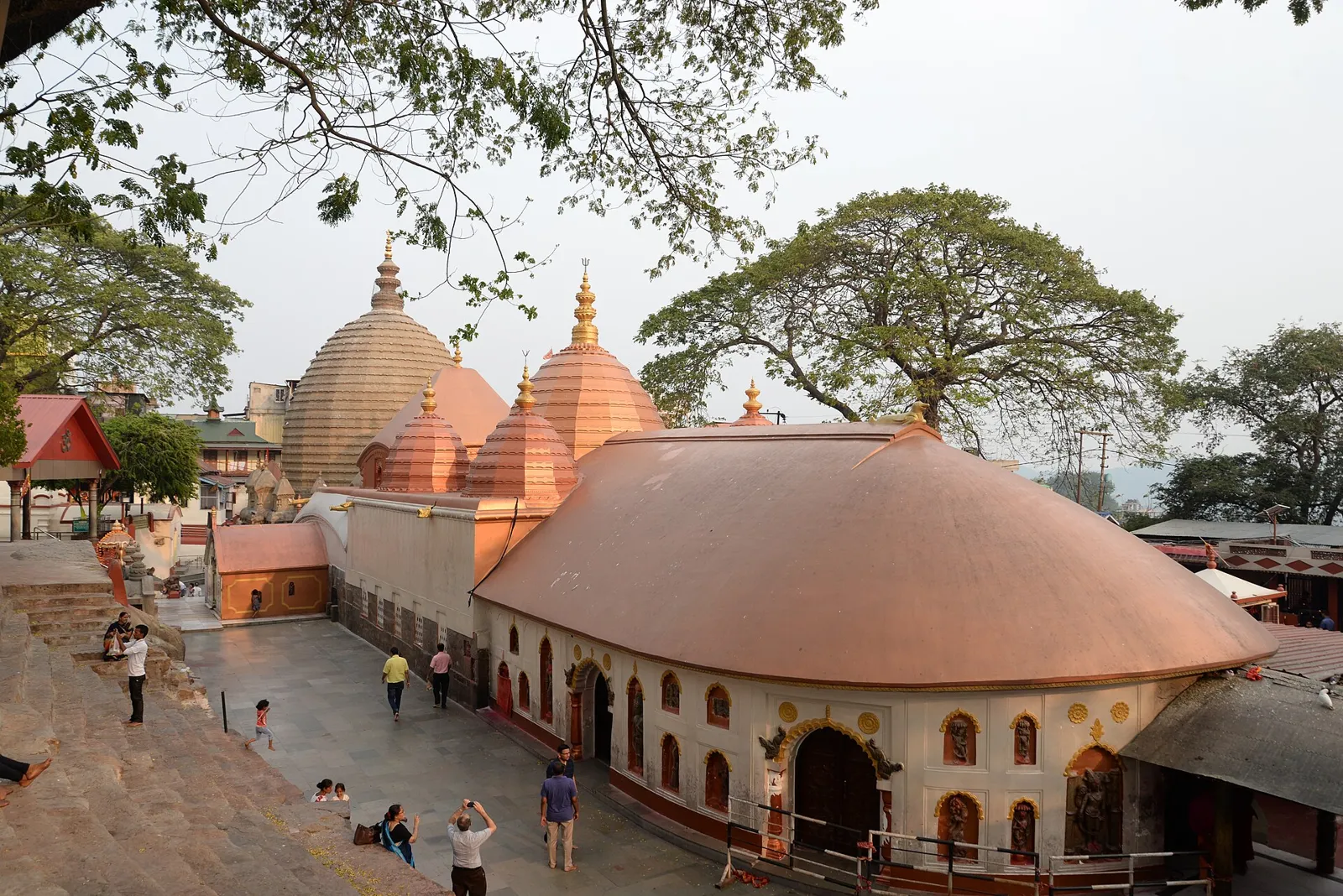
The Kamakhya Temple precinct on Nilachal Hill, Guwahati, is the focus. Expect very large crowds and sadhus from across India.

Visitor guide

  • Getting there. Kamakhya is reachable from Guwahati by road; allow time for traffic and security checks. Where to stay. Guwahati has hotels across budgets; book early during the mela. What to wear and pack Modest clothing for temple visits, a water bottle, and small offerings if appropriate. Etiquette. Follow temple rules, respect sadhus’ space, and ask before photographing. Safety and comfort. Large crowds and narrow precincts mean plan meeting points; use official guides and local police directions.

Today and tomorrow

Ambubachi remains a pivotal event for Shakta pilgrims and contributes to Guwahati’s religious tourism. Authorities balance access and conservation of temple precincts as visitor numbers grow. • Is it free? Temple access to the mela area is free; some rituals may have fees.

• Is it only about? Primarily religious; it also supports local craft economies. • Best day to visit? The day the temple reopens after the observance. • See also: Kamakhya Temple history, Shakta pilgrimage circuits.

Nearby

Places to see around the festival