
Ghumoopedia — Explore, Discover, Experience
Sign in

Fair & Mela · Tripura

Ashokastami Mela

Unakoti, Unakoti district

Dates

Last verified 17 November 2026. Confirmed: announced by organisers or government. Provisional: from a published almanac, not yet announced. Seasonal: no date announced.

The complete guide

Ashokastami Mela: everything to know before you go

Overview

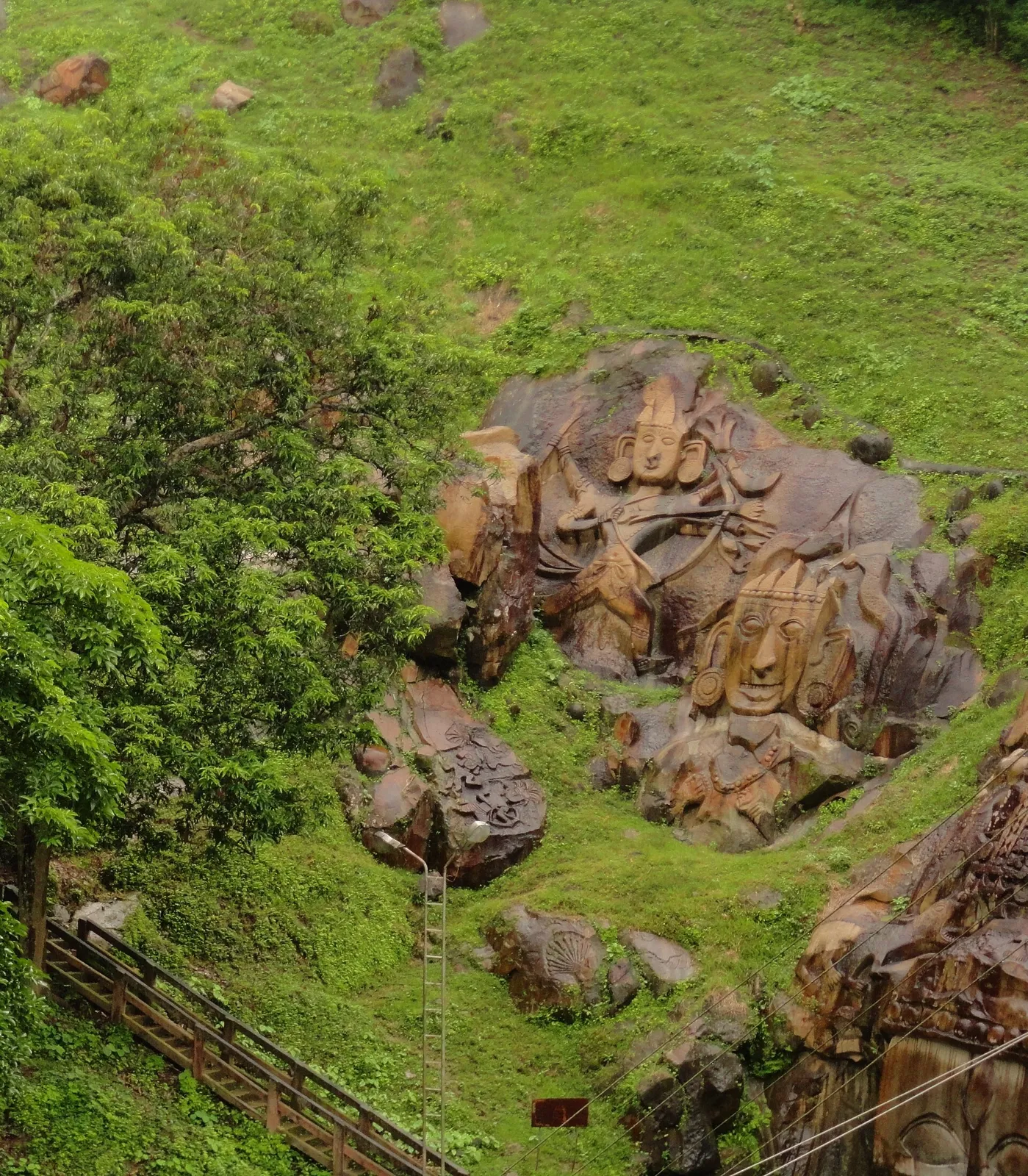
Ashokastami Mela is an annual gathering near the archaeological and devotional site of Unakoti in northern Tripura. The site is famed for its rock-cut reliefs and bas-relief images of Hindu deities carved into hillsides, which attract pilgrims and tourists, especially during the spring months. The mela around Ashokastami combines pilgrimage, cultural performances, handicraft stalls and food, turning the remote artistic complex into a lively seasonal hub for visitors and devotees.
Origins and legend

The name Ashokastami links to Ashoka (or to the legend of a remorseful king) and the astami (eighth day) of the lunar fortnight. Local myths about Unakoti suggest divine craftsmanship: one popular story says that a troop of gods and sculptors were travelling to Kashi (Varanasi) with orders to carve images overnight, but a misstep at dawn froze them into stone, leaving behind the impressive reliefs. Ashokastami thus became associated with pilgrimage and artistic wonder. The mela revives devotional practices at the carved sites and celebrates Unakoti's place in Tripura's spiritual geography.

How it is celebrated

Pilgrims and visitors arrive at the Unakoti complex to offer prayers, light lamps and circumambulate the principal reliefs. Temporary stalls sell religious items, handicrafts and local food. Cultural evenings often feature folk music, recitals explaining the carvings' iconography and guided walks for tourists. The mela encourages both devotional observance and heritage tourism, making Unakoti a focal point for state and local promotion of cultural assets. Music, art and dress: Traditional folk singers and dancers perform at night, and guides in local dress help interpret the rock sculptures' iconography. Handloom textiles and bamboo crafts appear at the mela, offering visitors examples of Tripura's artisanal traditions.

Food and flavours

Local specialties such as rice preparations, fish dishes and sweets are available from vendors. Picnic-style meals are common as visitors explore the outdoor archaeological site.

Where to experience it

Unakoti district's archaeological park is the centre. Because the site is remote, coordinate travel and lodging in advance. Visitor guide — Getting there: Travel from Agartala by road to Unakoti; the journey requires planning as public transport is limited. Where to stay: Limited guesthouses exist nearby; many visitors return to larger towns. What to wear and pack: Comfortable walking shoes, sun protection and insect repellent. Etiquette: Respect the archaeological site; do not climb or deface the carvings. Safety and comfort: Bring water and basic first aid; follow local guidance for trekking.

Today and tomorrow

Ashokastami Mela supports heritage tourism and local economic activity. Conservation efforts aim to protect the ancient reliefs from weathering and vandalism while making the site accessible to responsible visitors.

Nearby

Places to see around the festival