Ghumoopedia — Explore, Discover, Experience
Sign in

Tribal · Meghalaya

Behdienkhlam

Jowai, West Jaintia Hills

Dates

Last verified 17 November 2026. Confirmed: announced by organisers or government. Provisional: from a published almanac, not yet announced. Seasonal: no date announced.

The complete guide

Behdienkhlam: everything to know before you go

Where
West Jaintia Hills (Jowai)
When
July
Community
Pnar/Jaintia
Type
Fertility, pest-exorcism and agricultural protection
Best for
Ritual dances and masked performances

Overview

Behdienkhlam is the major Jaintia festival held to drive away pests and disease from crops and to ensure a fruitful season. The multi-day event includes masked dances, mock battles, processions and offerings at village shrines. It is vibrantly theatrical and retains a strong ritual core led by traditional custodians of the community.
Origins and legend

The festival likely originated as a ritual to protect crops from blight and to propitiate local spirits. Masked figures and ceremonial leaders enact stories that symbolically expel malevolent forces, blending pre-colonial animist practice with community theatre. Oral histories link the rites to early agricultural cycles of the Jaintia hills.

How it is celebrated

Behdienkhlam features processions of dancers wearing elaborate masks and costumes who perform energetic choreographies. Rituals include offerings at sacred sites and staged dramas that symbolise purification and renewal. The festival culminates in communal feasting and public displays that are both entertaining and spiritually significant.

Music, dance, art and dress

Traditional percussion, bamboo flutes and horn-like instruments accompany the dances. Mask-making and costume embroidery are notable local crafts. Performers wear bold masks representing spirits, animals and mythical figures, and use dramatic gestures to tell ritual stories.

Where to experience it

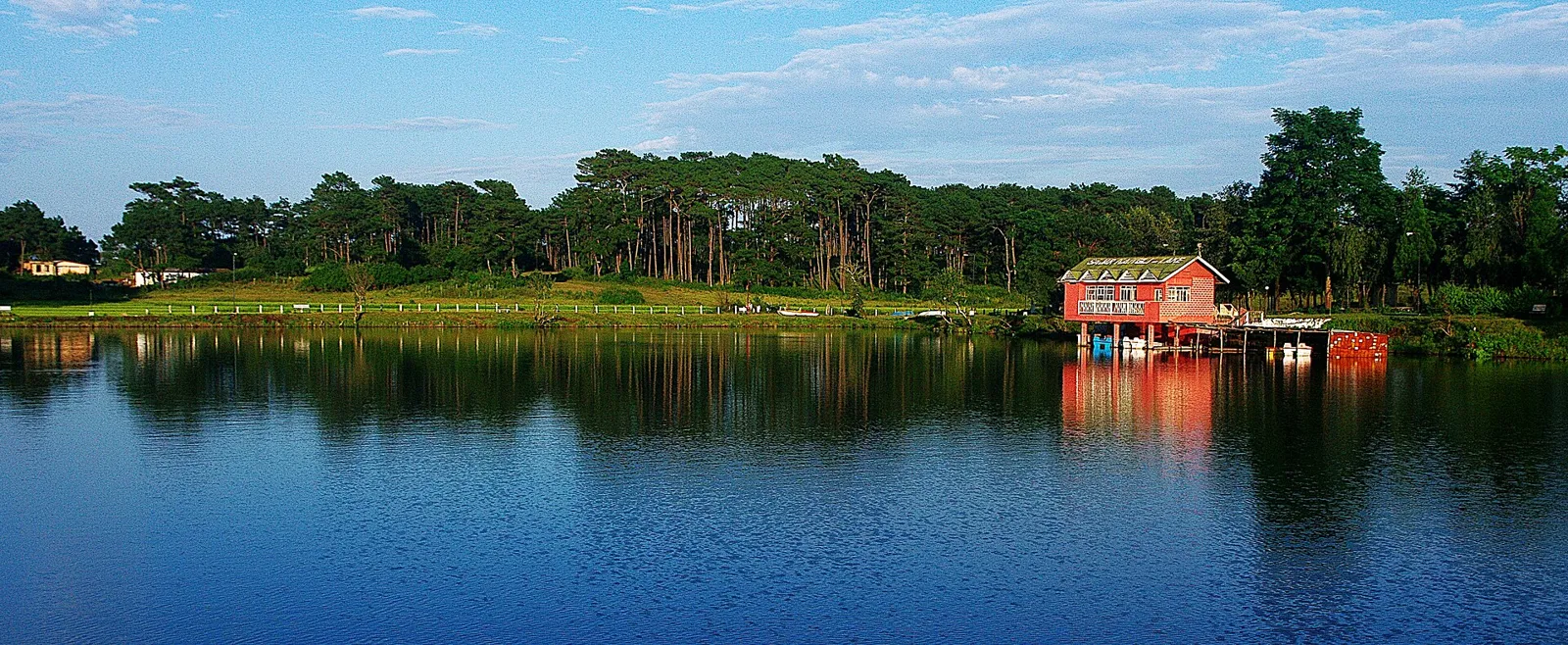
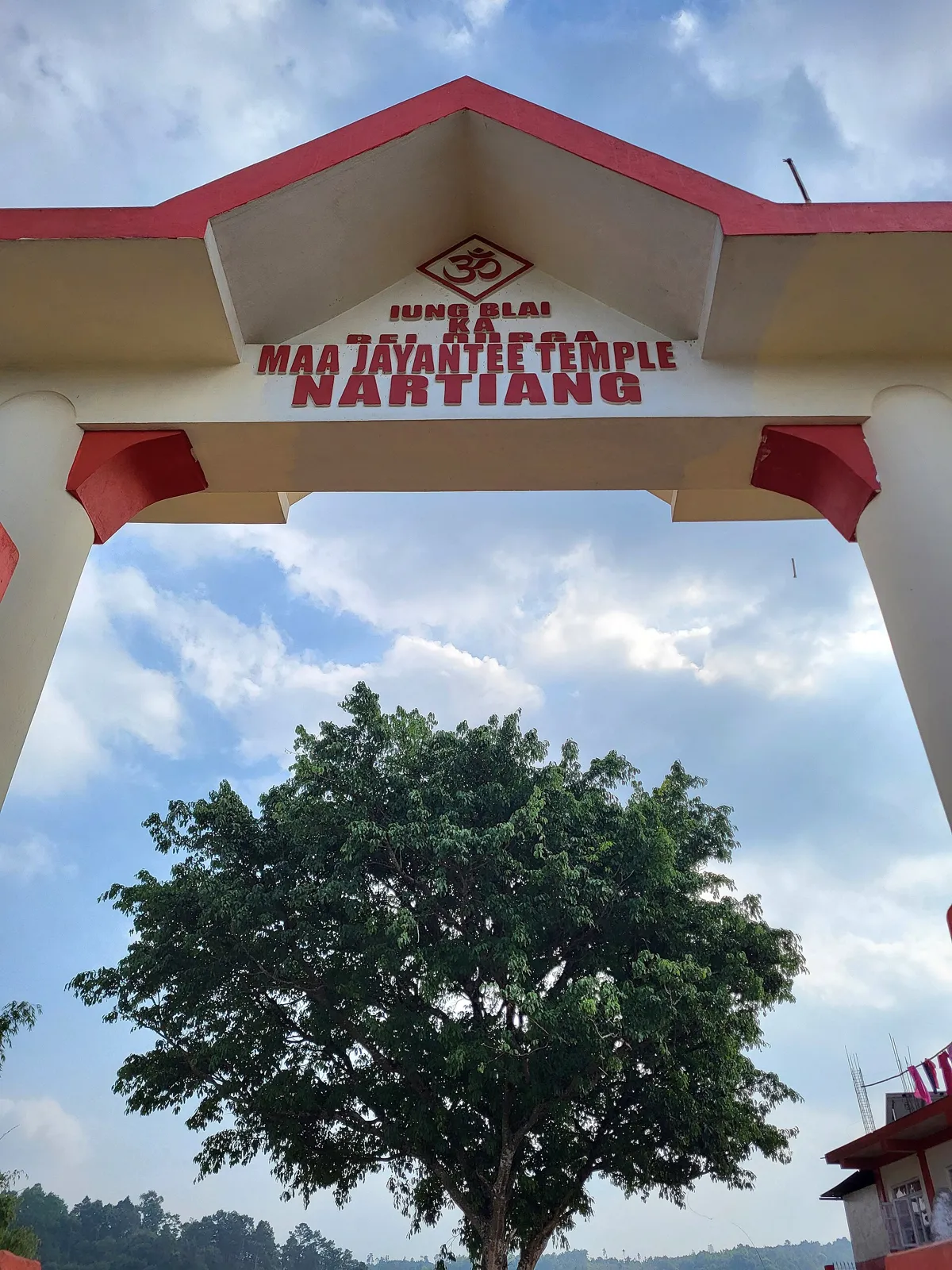
Jowai town and surrounding Jaintia villages stage the principal Behdienkhlam events. Some towns schedule public processions that visitors can attend; smaller village rites remain more private.

Visitor guide

  • Getting there: Jowai is reached by road from Shillong; local transfers may be needed.
  • Where to stay: Jowai and Shillong offer accommodation options; homestays may be available.
  • What to wear and pack: rain protection as July is monsoon season; sturdy footwear.
  • Etiquette: request permission before entering ritual spaces and respect photography restrictions.
  • Safety and comfort: processions can be crowded; follow local organisers for safe viewing points.

Nearby

Places to see around the festival