
Ghumoopedia — Explore, Discover, Experience
Sign in

Cultural · Rajasthan

Camel Festival, Bikaner

Bikaner

Dates

Last verified 17 November 2026. Confirmed: announced by organisers or government. Provisional: from a published almanac, not yet announced. Seasonal: no date announced.

The complete guide

Camel Festival, Bikaner: everything to know before you go

Where
Rajasthan — Bikaner district (held within and around Bikaner city)
When
January (dates vary; around winter fairs and Makar Sankranti season)
Duration
1–3 days (major events concentrated in a single weekend)
Who takes part
Secular — centered on pastoral and craft communities; broad public attendance
Type
Cultural and livestock festival — camel shows, races, decorative contests
Entry
Many events free; special enclosures or competitive shows may be ticketed
Best for
Families, animal-lovers, photographers, students of pastoral cultures, children

Overview

Bikaner’s Camel Festival celebrates the central role camels play in desert life. The event puts camels centre stage with parades of decorated animals, camel beauty contests, races and displays of camel-mounted skills. It also highlights the associated crafts and livelihoods—saddlery, camel grooming, camel breeding and dairy uses. The city’s desert-adapted architecture provides a distinctive backdrop; colourful turbans, jangling silver and embroidered textiles create a lively visual spectacle. Alongside the animal displays are cultural programmes—folk music, puppet shows and local dishes—creating a family-friendly festival that is both entertaining and educational about desert pastoralism.
Origins and legend

Camels have been indispensable to the Thar for centuries—used for transport, ploughing, milk and as a measure of wealth. Bikaner’s prominence as a caravan city on desert trade routes made it a natural hub for camel husbandry expertise. The dedicated Camel Festival grew from local fairs where traders, breeders and herding communities met for exchange and for communal celebration after harvest or during migration pauses. Over time these market gatherings acquired ceremonial elements: camels were adorned, racing and demonstration became community spectacles, and competitions evolved to showcase breeding quality and training skills. Modern festival forms institutionalised these practices into a staged cultural event that both honors pastoral tradition and appeals to tourism.

How it is celebrated

Cultural days: Parade days see camels arrayed in elaborate ornaments—beaded harnesses, painted motifs and embroidered saddles. Folk artists perform songs and dances while camel caravans process through the streets. Competitions for the best-decorated camel, camel races and mounted acrobatics draw enthusiastic crowds. Artisan stalls display leatherwork, camel-hair textiles and utilitarian camel equipment. Demonstration events may include milking techniques, veterinary care workshops and historical re-enactments of caravan life.

Pilgrimage and ceremonial aspects: The Camel Festival is largely secular, but it resonates with local ritual calendars. Some breeders make offerings to local deities for herd protection; others perform clan-specific rites before presenting prized animals. The festival functions as an annual social meeting for pastoral communities—an occasion to renew breeding networks, arrange sales and celebrate shared identity.

Food and flavours

Festival stalls offer regional specialties—bajra roti, ker sangri, gatte ki sabzi, and sweets like rasgulla and balushahi. Camel milk products may be available in niche stalls: buttermilk and yoghurt-based drinks are refreshing staples. Street foods—samosas, kachoris and local fried snacks—are widely available. Food at the festival emphasises rustic flavours and hearty fare suited to outdoor daytime events.

Music, dance, art and dress

Local folk troupes perform traditional music—dhol, morchang and been alongside vocal styles of the region. Performers wear bright turbans, bandhni and mirror-work garments; camel trappings often echo local embroidery motifs. Puppet shows and storytelling entertain families and pass down oral histories of caravan travel. Craftspeople demonstrate leatherwork and camel-hair weaving; artisans selling brass and copper wares add to the marketplace ambience.

Where to experience it

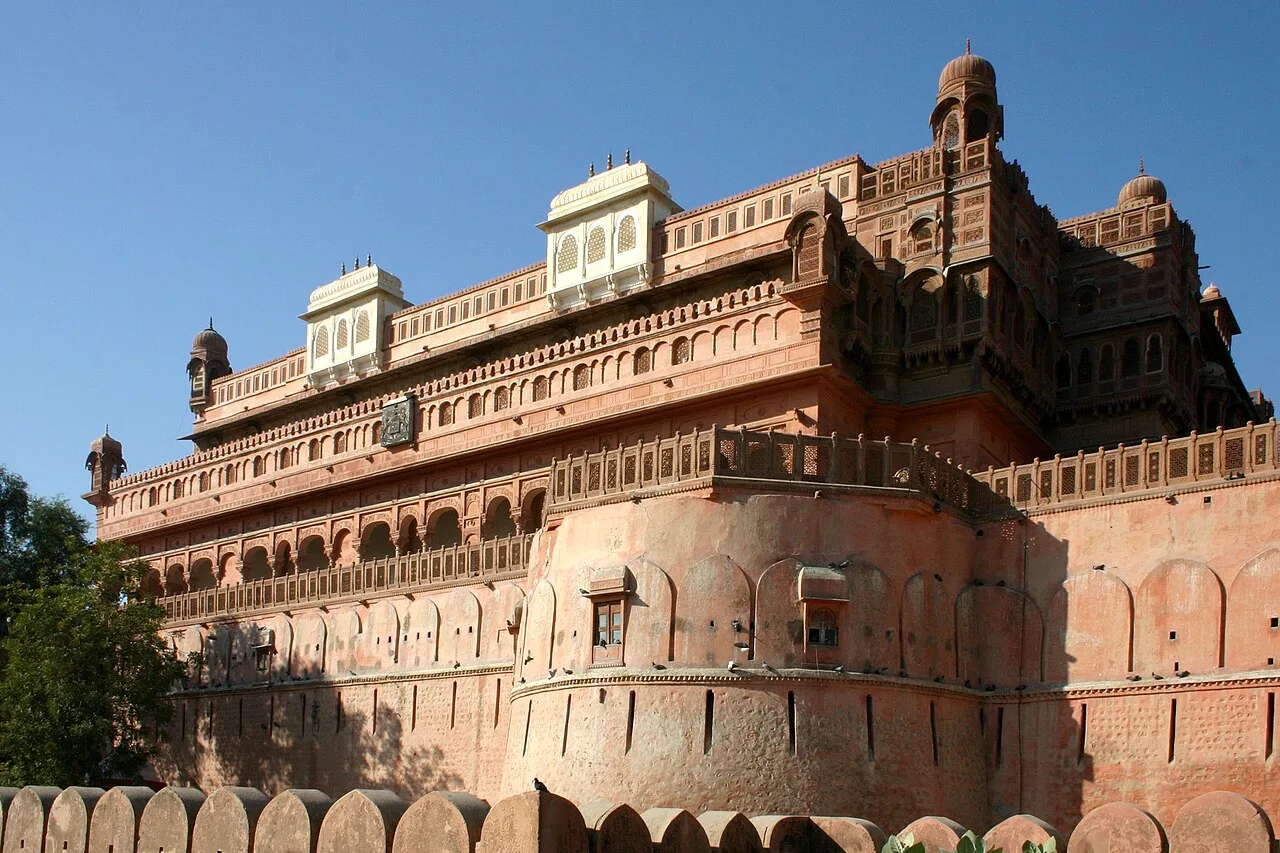
Events are generally located in large grounds on the outskirts of Bikaner or in city fairgrounds suitable for animal displays. Arrive early on parade days to secure good viewing positions and to see the camels being prepared and decorated. Combine the visit with a tour of Junagarh Fort and local camel breeding farms if possible.

Visitor guide

  • Getting there: Bikaner is reachable by road and rail; nearest airports are in Jodhpur and Jaipur. Where to stay: Bikaner offers mid-range hotels and heritage properties; book in advance during festival time. What to wear and pack: Comfortable shoes, sunhat, water bottle and warm layers for winter nights. Etiquette: Keep a respectful distance from animals unless handlers invite interaction; heed organisers’ safety instructions during races. Safety and comfort: Supervise children near animals, and ensure vendor food hygiene when sampling street fare.

Today and tomorrow

The Camel Festival helps conserve camel-related skills and creates livelihood avenues through tourism and craftsmanship. Challenges include ensuring animal welfare during public spectacles and balancing commercialisation with community benefit. Future emphasis may include certified animal care practices, heritage education programmes in schools and enhanced market access for local artisans.

Nearby

Places to see around the festival