
Ghumoopedia — Explore, Discover, Experience
Sign in

Tribal · Assam

Bwisagu

Bodo villages of Kokrajhar, Baksa, Chirang and Udalguri

Dates

Last verified 17 November 2026. Confirmed: announced by organisers or government. Provisional: from a published almanac, not yet announced. Seasonal: no date announced.

The complete guide

Bwisagu: everything to know before you go

Also known as
Baishu or Baishagu Bwisagu
Where
Kokrajhar and other Bodo-majority areas
When
April (spring festival)
Duration
One to several days of community events
Who takes part
Bodo community; agrarian and cultural observance
Type
New-year and sowing-season festival
Entry
Community events are open; some staged programs charge a nominal fee
Best for
Bodo dances, traditional songs, tribal crafts

Overview

Baishagu is the Bodo community’s spring festival celebrating renewal and agricultural beginnings. It features ritual offerings, communal dance (Bagurumba), traditional music and displays of Bodo craft and attire. The festival strengthens communal bonds and affirms cultural identity.
Origins and legend

Baishagu traces to pre-agricultural rites marking the onset of the cultivation season. Rituals invoking protection for crops and blessings for fertility have been transmitted orally across generations, blending ancestor worship and nature veneration.

How it is celebrated

Villages hold processions and dance gatherings where Bagurumba troupes perform in colourful traditional dress. Ritual offerings to community altars precede feasting and craft fairs. Youth engage in folk games and music sessions.

The cultural days

Workshops on weaving, bamboo crafts and ethnic cuisine accompany performances. Contemporary cultural programs sometimes stage Baishagu fashion shows to highlight Bodo handloom.

The pilgrimage days

While not a pilgrimage festival, devotees visit important community shrines and sometimes travel to cultural hubs for larger gatherings.

Food and flavours

Rice-based dishes, smoked fish, bamboo shoot delicacies and sweets characterise festival menus. Communal feasts emphasise local produce.

Music, dance, art and dress

Bagurumba dance, with its graceful footwork and patterned hand gestures, is accompanied by serja and kham instruments. Women’s handwoven dokhona and men’s traditional jackets are showcased.

Where to experience it

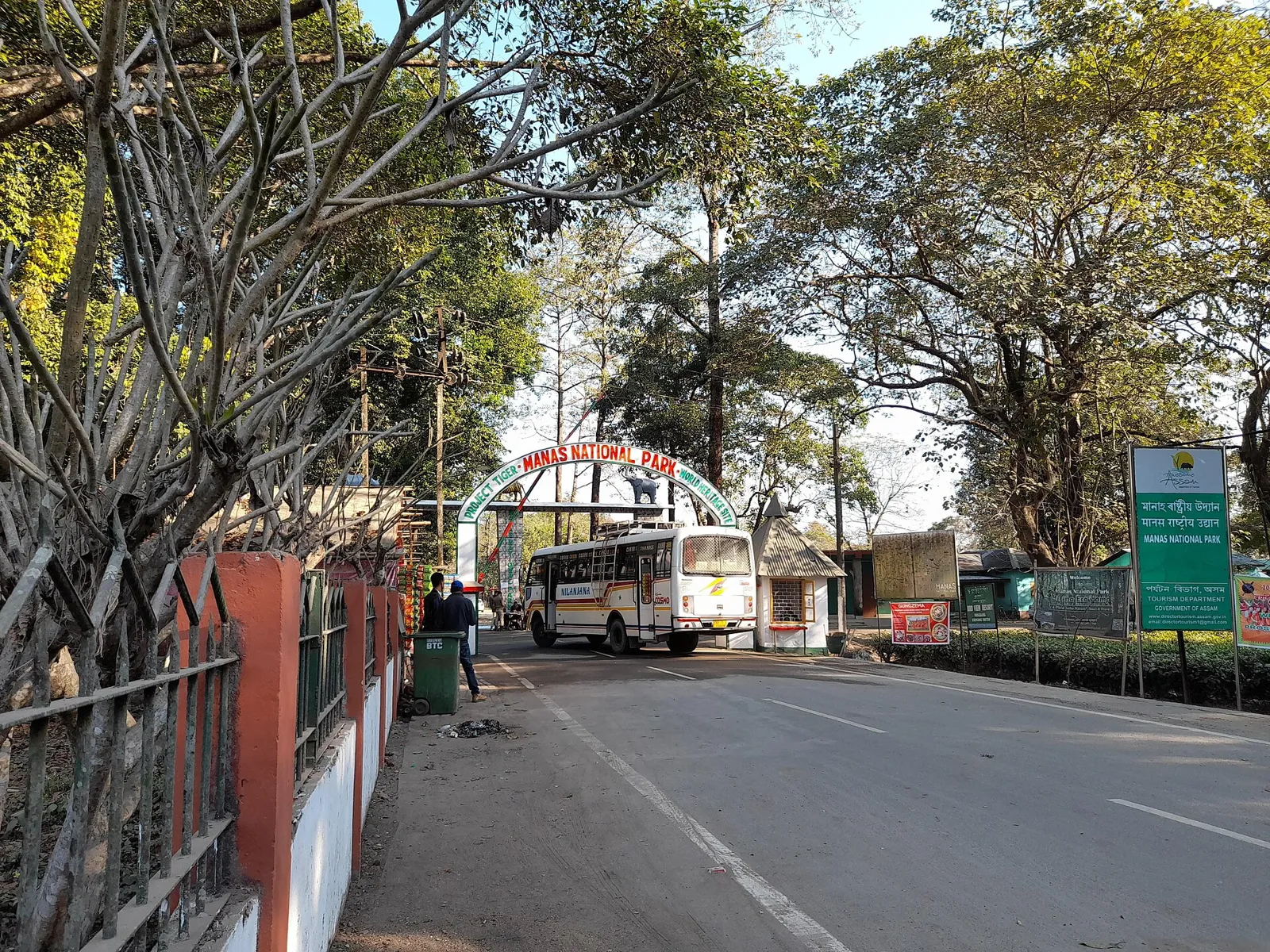
Kokrajhar district villages and cultural halls host authentic Baishagu events; urban cultural festivals also stage performances.

Visitor guide

  • Getting there. Nearest rail and road hubs include Rangia and Guwahati; local buses go to Kokrajhar. Where to stay. District towns offer guesthouses; homestays provide deeper cultural immersion. What to wear and pack Modest clothing for village visits and comfortable shoes for outdoor events. Etiquette. Seek permission before photographing ceremonies and support local artisans by purchasing crafts. Safety and comfort. Travel in groups if visiting remote villages and coordinate with local hosts for guidance.

Today and tomorrow

Baishagu receives growing attention from cultural NGOs promoting Bodo language and craft revival; festival platforms help younger artisans access markets. • Is it free? Local events are usually free; some organized shows may request contributions. • Is it only about? Primarily cultural and agricultural renewal. • Best day to visit? The main dance day when multiple troupes perform. • See also: Bodo handloom fairs, Bagurumba workshops.

Nearby

Places to see around the festival