Overview
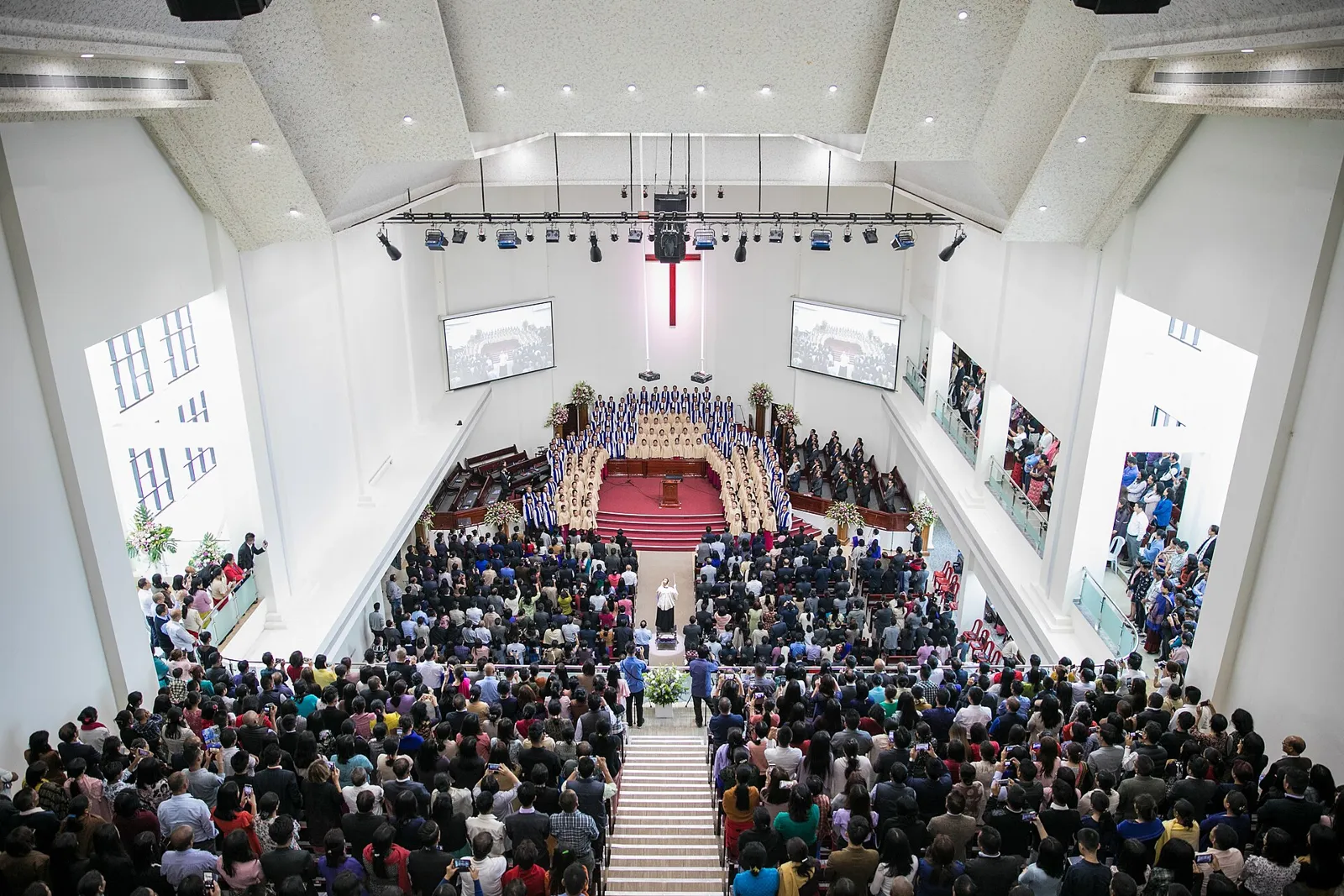
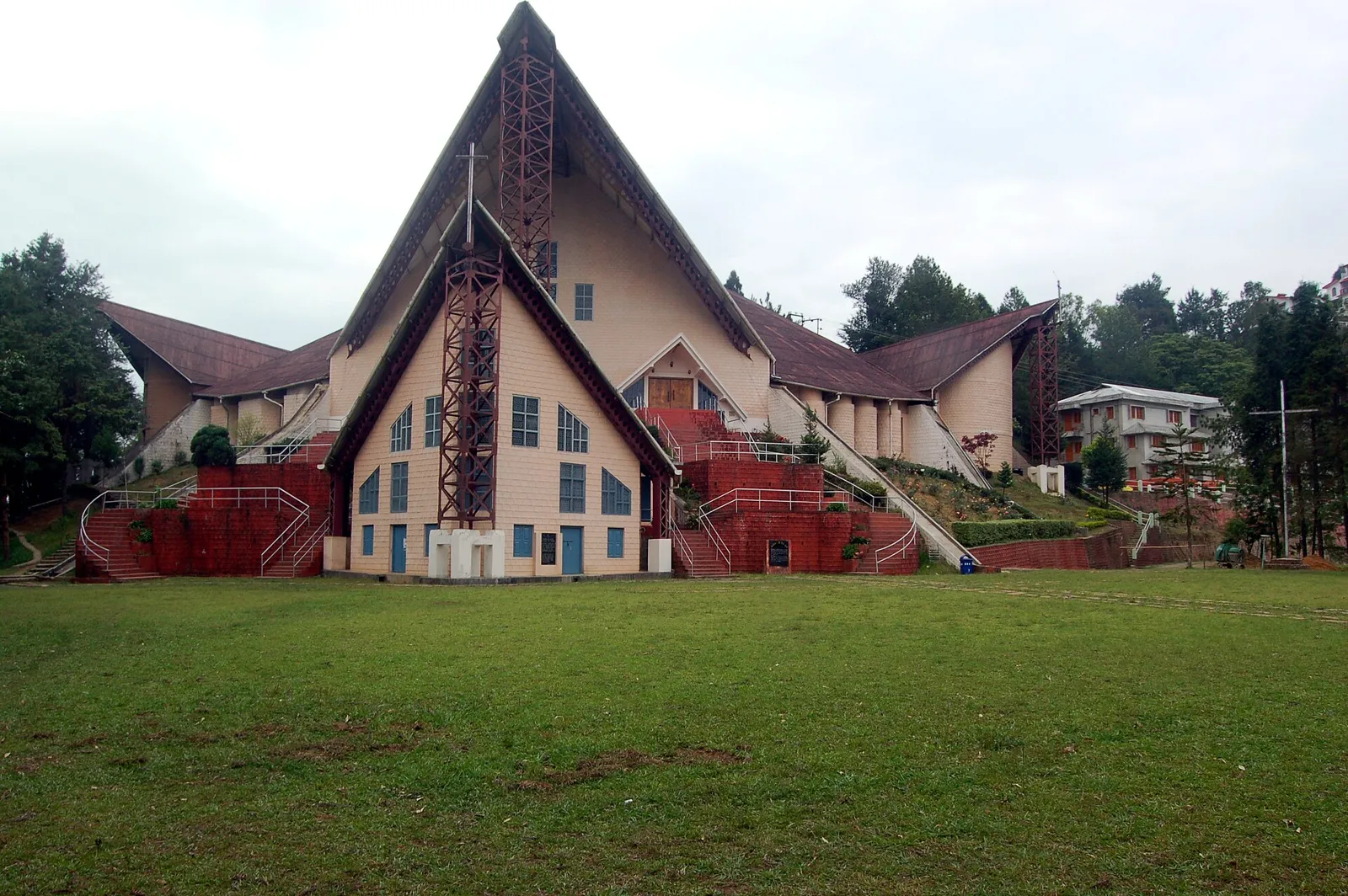
Christmas in Nagaland is the most widely celebrated festival across the state and is distinct in scale and intensity from many other Indian states because Nagaland has a large Christian population. The festival unites church services, family reunions and public cultural displays. In urban centres like Kohima and Dimapur, Christmas coincides with civic lighting, carol services and community concerts. In villages, church services are complemented by communal feasts, exchange of gifts and performances of traditional dances. The season serves both religious and social functions: Christians mark the birth of Jesus while communities use the occasion to gather family, to host visiting relatives, and to demonstrate inter denominational and inter tribal hospitality. Historical and cultural context: Christianity took deep root in Nagaland from the late 19th century onwards through missionary activity, and over the 20th century many Naga communities adopted and adapted Christian liturgy to local moral and ceremonial needs. Christmas acquired local inflections: hymnody and carols are sung in local languages, and church services incorporate indigenous musical forms and instruments. The festival's importance is also tied to its calendar position at the end of the year, functioning as a social punctuation marking transitions. For many Nagas, Christmas is when urban migrants return home, making it a powerful season for cultural continuity and kin recognition.