
Ghumoopedia — Explore, Discover, Experience
Sign in

Cultural · Kerala

Cochin Carnival

Fort Kochi

Dates

Last verified 17 November 2026. Confirmed: announced by organisers or government. Provisional: from a published almanac, not yet announced. Seasonal: no date announced.

The complete guide

Cochin Carnival: everything to know before you go

Attribute
Details
Also known as
Fort Kochi Carnival, New Year's Eve Pappanji Burning, Fort Kochi Festival
State & District
Kerala, Ernakulam District (Centred around Fort Kochi Beach & Parade Ground)
When
Last week of December, culminating on New Year's Eve (December 31st) and New Year's Day (January 1st)
Duration
10 Days (with the main celebrations on December 31st night and January 1st afternoon)
Faith & Community
Secular & Multicultural (Rooted in Portuguese colonial heritage; celebrated by all communities of Kochi)
Type
New Year Carnival, Street Pageant, Colonial Cultural Festival
Entry
Free public street access at Fort Kochi Beach and Parade Ground
Best for
New Year celebrations, street carnivals, youth culture, music, beach fireworks, photography

Overview

The Cochin Carnival is Kerala's vibrant, secular New Year's celebration held annually in the historic seaside town of Fort Kochi. Deeply rooted in the 500-year-old Portuguese colonial heritage of the Malabar coast, the carnival transforms the cobblestone streets, colonial squares, and beach promenades of Fort Kochi into a grand, week-long fiesta of music, beach sports, art, and revelry.

The signature highlight of the carnival occurs precisely at midnight on December 31st at Fort Kochi Beach, where over 300,000 cheering revelers witness the burning of a giant, 50-foot effigy of 'Pappanji' (an old bearded man dressed in a suit, representing the dying year). As Pappanji bursts into flames and spectacular fireworks illuminate the Arabian Sea, the crowd welcomes the New Year with music and dance, followed by a colorful street rally on January 1st featuring decorated floats, folk dancers, and musical bands.
Origins and legend

The origins of the Cochin Carnival date back to the Portuguese colonial rule over Fort Kochi (1503 to 1663 AD). Portuguese colonizers instituted grand New Year revelries, beach games, and street pageants to celebrate the European festival of 'Introido'. The central tradition was burning the effigy of *Pappanji* (derived from the Portuguese word *Papanche*, meaning 'grandfather'), symbolizing the destruction of past sorrow, sins, and grievances to welcome the New Year with a clean slate.

In 1984, three visionary local youths—Ananda Felix Scaria, Antony Kuriakose, and George Augustine Thundiparambil—revived the colonial festival under the banner of the Cochin Carnival to promote youth solidarity, peace, and tourism during the International Year of the Youth. Since then, the Carnival has grown into one of India's most famous New Year street celebrations.

How it is celebrated

Festivities begin in mid-December with the hoisting of the official Carnival Flag at the Vasco da Gama Square. The town comes alive with beach volleyball competitions, kayak races, swimming contests, cycle rallies, and art exhibitions.

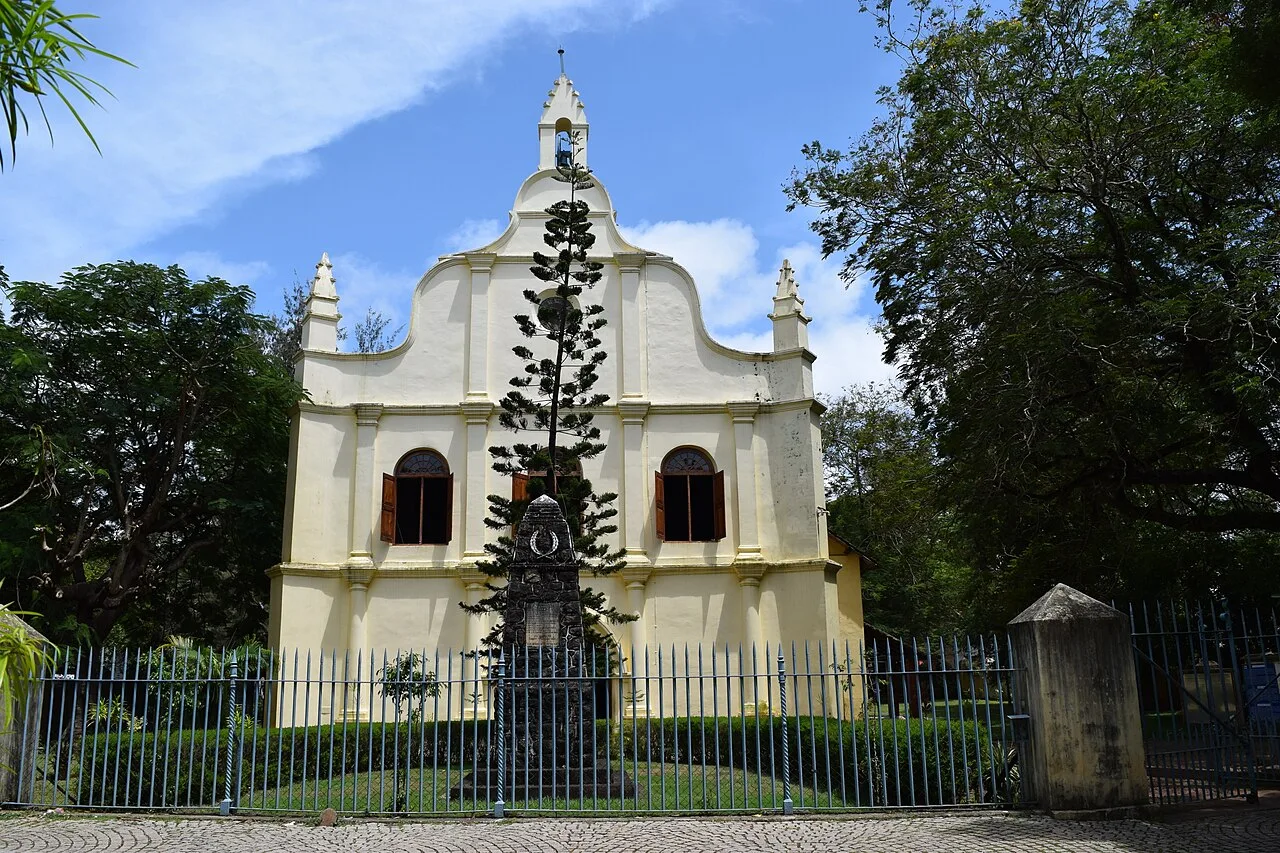
On December 31st evening, hundreds of thousands of people gather at Fort Kochi Beach. As the countdown to midnight reaches zero, the colossal effigy of Pappanji is set ablaze amidst roaring cheers, music, and beach fireworks. On January 1st afternoon, the grand Carnival Rally moves from St. Francis Church to the Parade Ground. The rally features caparisoned elephants, Western brass bands, traditional Kerala Chenda Melam, Theyyam artists, folk dancers, and fantastically decorated floats depicting social themes.

The Cultural Days

The 10-day carnival program includes several high-energy highlights:

Burning of Pappanji (Dec 31 Midnight): The iconic 50-foot effigy burn at Fort Kochi Beach symbolizing New Year rebirth.

Grand Carnival Rally (Jan 1 Afternoon): A 3-km street parade showcasing a fusion of Kerala folk arts and European carnival floats.

Beach Sports & Competitions: Beach wrestling, mud football, tug-of-war, and traditional grease-pole climbing (*Kambam Keryal*).

Music Concerts: Open-air rock concerts, DJ nights, and local Gadam / Baithak music shows at Vasco da Gama Square.

The Pilgrimage Days

While primarily a secular street carnival, attendees often visit the historic Santa Cruz Basilica and St. Francis Church in Fort Kochi during the holiday season to view magnificent Christmas nativity cribs and attend New Year midnight masses.

Food and flavours

Food during Cochin Carnival reflects the rich Anglo-Indian and Anglo-Portuguese culinary legacy of Fort Kochi:

Carnival Street Food: Grilled seafood, prawns on skewers, beef fry with Kerala parotta, and hot cutlets.

Anglo-Indian Delicacies: Rich plum cakes, rose cookies, vindaloo, and traditional home-brewed grape wine.

Refreshing Drinks: Kulukki Sarbath, tender coconut water, and cold craft beverages served along beach shacks.

Music, dance, art and dress

Music is an eclectic fusion of Western pop, rock, Latin beats, and traditional Chenda Melam. People wear party attire, fancy dress costumes, masquerade masks, and colorful party hats.

Where to experience it

Fort Kochi Beach Promenade: The prime venue for New Year's Eve Pappanji burning.

Fort Kochi Parade Ground & St. Francis Church: The assembly point and viewing area for the January 1st Carnival Rally.

Visitor guide

Getting There

  • Ernakulam Railway Station is 12 km away. Cochin International Airport is 42 km away. Take water ferries from Ernakulam to Fort Kochi Jetty.

Where to Stay

Hotels in Fort Kochi book out completely months in advance; book early or stay in Ernakulam city and cross over via ferry.

What to Wear and Pack

Wear casual summer clothes and comfortable walking shoes. Keep personal belongings secure in dense crowds.

Etiquette

Follow police traffic diversions and respect local municipal instructions.

Safety and Comfort

New Year's Eve crowds exceed 300,000 people; families with small children should view the fireworks from elevated hotel balconies.

Today and tomorrow

The Cochin Carnival has become a major anchor of Kerala's winter tourism season, attracting global travelers celebrating New Year's Eve in a vibrant, safe, and multicultural atmosphere.

Nearby

Places to see around the festival