
Ghumoopedia — Explore, Discover, Experience
Sign in

Cultural · Rajasthan

Desert Festival, Jaisalmer

Jaisalmer and the Sam dunes

Dates

Last verified 17 November 2026. Confirmed: announced by organisers or government. Provisional: from a published almanac, not yet announced. Seasonal: no date announced.

The complete guide

Desert Festival, Jaisalmer: everything to know before you go

Where
Rajasthan — Jaisalmer district (held in and around Jaisalmer town and sand dunes)
When
February (usually a 3-day event aligned with cooler desert weather)
Duration
2–3 days (with related fringe events sometimes extending the programme)
Who takes part
Primarily secular cultural festival celebrating desert heritage; broad community participation
Type
Cultural festival — music, dance, camel races, crafts, pageantry
Entry
Generally ticketed for specific events; many public activities free
Best for
Travel photographers, cultural tourists, families, folk art enthusiasts, sunset and dune experiences

Overview

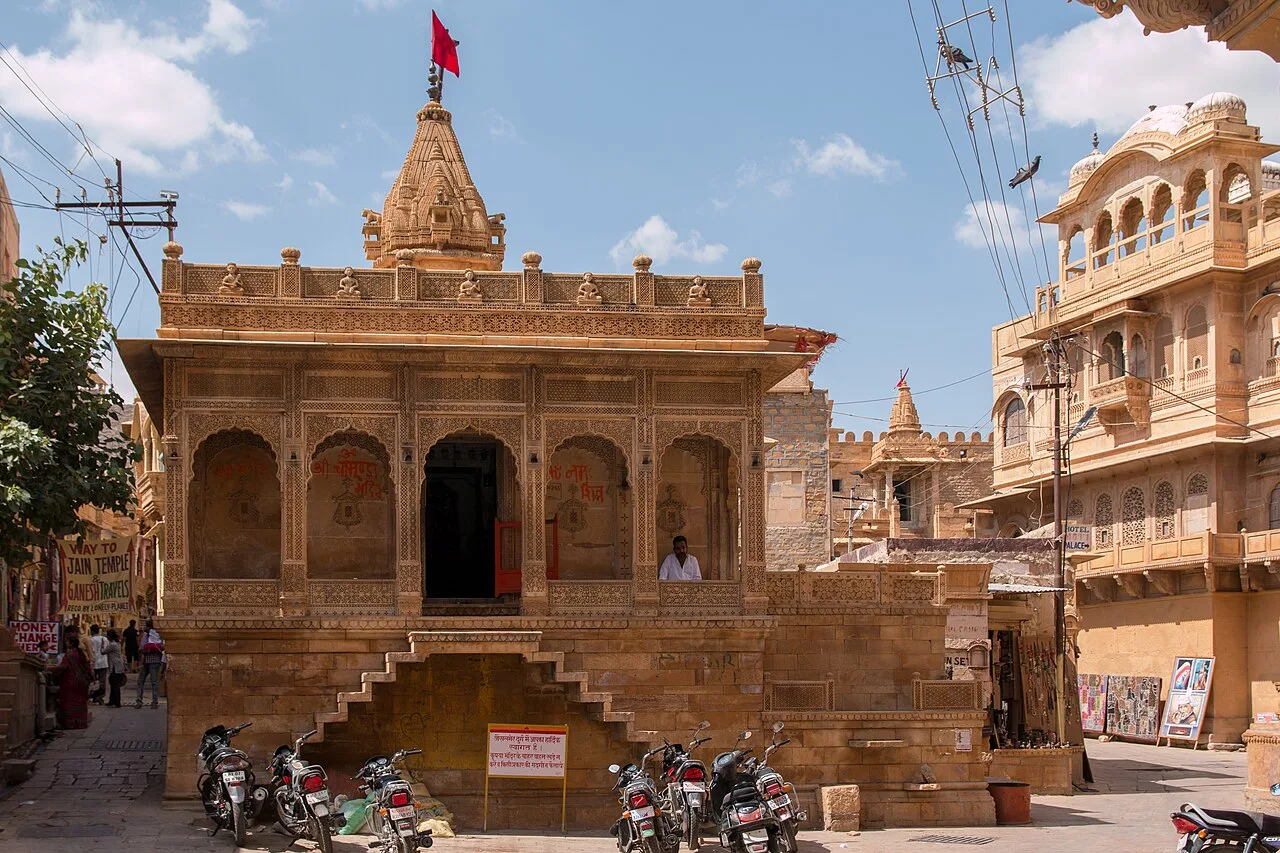
The Desert Festival of Jaisalmer is an energetic celebration of Thar desert culture staged under the clear winter skies of February. Set against the honey-coloured sandstone of Jaisalmer Fort and the rising dunes nearby, the festival showcases Rajasthani folk music and dance, camel parades and sporting contests that highlight desert livelihoods. Local communities and tourism bodies collaborate to present craft bazaars, puppet shows and culinary stalls. The festival is designed both to preserve intangible traditions and to attract visitors who seek immersive experiences: dawn camel rides into the dunes, folk performances at dusk, and nightly cultural programmes create a vivid itinerary. The festival’s staging elevates local artists and offers a marketplace for desert crafts—textiles, leatherwork and silver jewelry—while also providing opportunities for community income through tourism.
Origins and legend

The Desert Festival emerged in the late 20th century as part of a concerted effort by tourism and cultural organisations to celebrate and conserve the unique heritage of the Thar. Jaisalmer’s historic role as a trans-Sindh and Silk Road trading outpost created a distinctive desert culture—nomadic communities, camel breeders and caravan tradespeople developed specialized music, crafts and social rituals to survive in the arid landscape. Local folklore often celebrates the camel as a symbol of survival and mobility; many festival events (camel races, camel decoration) pay homage to this relationship. While not rooted in a single ancient religious legend, the festival channels regional pride, revives folktales and underscores desert stewardship. Over time, the festival incorporated competitive elements (turban-tying contests, tug-of-war and camel polo demonstrations) to give younger generations an entertaining way to engage with heritage.

How it is celebrated

Cultural days: Each day spotlights cultural showcases—folk music ensembles, kathputli (string-puppet) performances, and groups performing ghoomar, bhavai and other regional dances. Handicraft markets present block-printed textiles, embroidered leather and silver ornaments. Events are timed for sunrise dune activities and evening cultural programmes that make the most of desert temperatures. Photo exhibitions, storytelling sessions, and local history talks are often part of the schedule. Families and guided tour groups participate in demonstrations of desert crafts and in pottery or textile workshops.

Pilgrimage and ceremonial aspects: While the Desert Festival is largely secular, it coincides with the rhythms of pastoral life—cattle and camel breeders mark the occasion with processions, and certain clans perform rituals seeking protection for their herds. Some communities bring decorated camels for blessings. Religious observances—simple prayers or offerings at village shrines—may be woven into local ceremonies, but the festival’s core is cultural display and community celebration rather than formal pilgrimage.

Food and flavours

The festival is a good place to sample authentic desert fare: bajra rotis, bajra khichdi, ker sangri (a dried desert bean-and-berry dish), and lal maas (specially spiced mutton) for non-vegetarian visitors. Street stalls sell mirchi vadas, samosas and local sweets like malpua and balushahi. Refreshing drinks—lassi and jal-jeera—provide welcome relief from daytime sun. Desert kitchens emphasize slow-cooked techniques, pickles and chutneys that preserve seasonal produce, reflecting the resourcefulness of Thar cuisine. Many festival stalls also offer fusion versions of Rajasthani dishes, adapted for tourist palates while staying true to key flavours.

Music, dance, art and dress

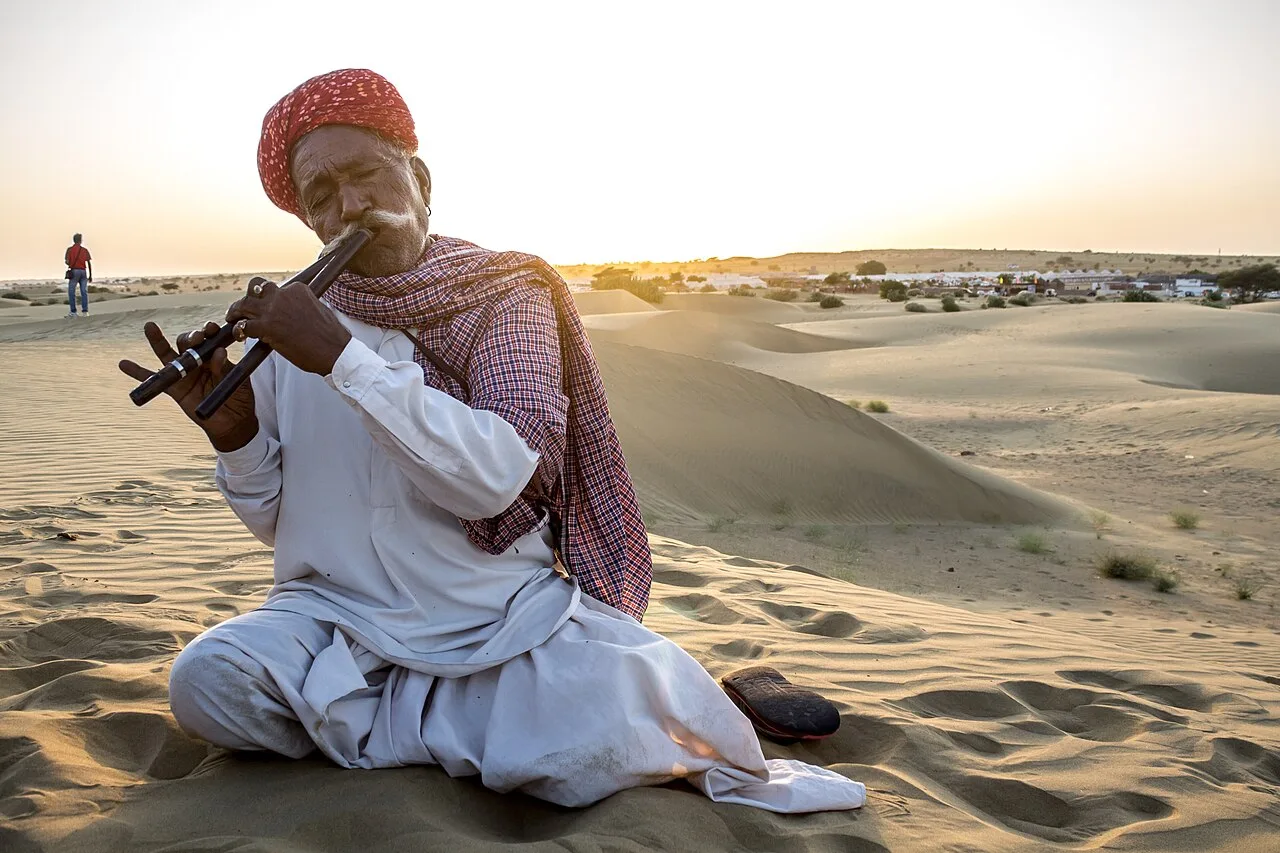
Folk music and dance form the backbone of the festival. Manganiyar and Langa performers are frequently featured—stringed instruments like kamaicha, sarangi and the dholak drive hypnotic rhythms. Performances range from intimate vocal showcases to larger stage acts with dance troupes performing ghoomar and fire-dance sequences. Artists often wear vibrant turbans and mirror-embroidered garments characteristic of the Thar; women wear heavy silver jewelry and bandhej (tie-dye) saris or odhnis. Puppetry (kathputli) tells moral tales and local legends with colorful puppets. Contemporary artists sometimes blend folk idioms with modern arrangements, creating dynamic fusions that attract younger audiences.

Where to experience it

Major programmed events occur near Jaisalmer Fort, at Sam dunes and at designated cultural grounds around the town. For immersive dune experiences, book a sunrise camel safari departing before dawn from Sam—many operators coordinate with festival schedules. Attend evening programmes near the fort to combine a stroll through its lanes with music and craft stalls. For quieter engagement, seek smaller village performances or artisan workshops hosted by local families in the outskirts of Jaisalmer.

Visitor guide

  • Getting there: Jaisalmer is connected by rail and road; the nearest major airport is Jodhpur (about 4–5 hours by road), though Jaipur and Jodhpur have broader flight networks. Where to stay: Options range from heritage havelis and boutique guesthouses inside Jaisalmer Fort to desert camps near the Sam dunes. Bookings are recommended well in advance for festival dates. What to wear and pack: Lightweight cotton for daytime, warm layers for chilly desert nights, comfortable walking shoes, sun protection, and a scarf for sand. Etiquette: Ask before photographing performers or locals; respect private properties and village customs. Safety and comfort: Hydrate frequently, avoid strenuous dune treks in strong sun, and confirm the credentials of camel and jeep operators for safety.

Today and tomorrow

The Desert Festival has grown into a prominent tourist draw, bringing economic benefits and awareness for desert arts while facing the challenge of sustainable tourism. Authorities and organisers increasingly emphasise low-impact camping, waste management and controlled dune access. Future directions include enhanced cultural programming that grants greater agency to local communities, expanded training for artisans in marketing, and stronger conservation measures for fragile dune ecosystems.

Nearby

Places to see around the festival