
Ghumoopedia — Explore, Discover, Experience
Sign in

Fair & Mela · Haryana

Kapal Mochan Mela

Kapal Mochan, near Bilaspur, Yamunanagar district

Dates

Last verified 17 November 2026. Confirmed: announced by organisers or government. Provisional: from a published almanac, not yet announced. Seasonal: no date announced.

The complete guide

Kapal Mochan Mela: everything to know before you go

Also known as
Kapal Mochan Mela; Kapal Mochan Fair; Kartik Purnima Mela
State and district
Haryana; Yamunanagar district (Kapal Mochan, near Bilaspur)
When
November, around Kartik Purnima (the full moon of the Hindu month of Kartik)
Duration
About 5 days, with the full-moon bath on the main day
Faith and community
Hindu and Sikh; pilgrims from Haryana, Punjab, Himachal Pradesh, Uttar Pradesh and Delhi
Type
Pilgrimage fair
Entry
Free
Best for
Holy dip at dawn, a rural pilgrimage fair, a historic tirtha shared by Hindus and Sikhs

Overview

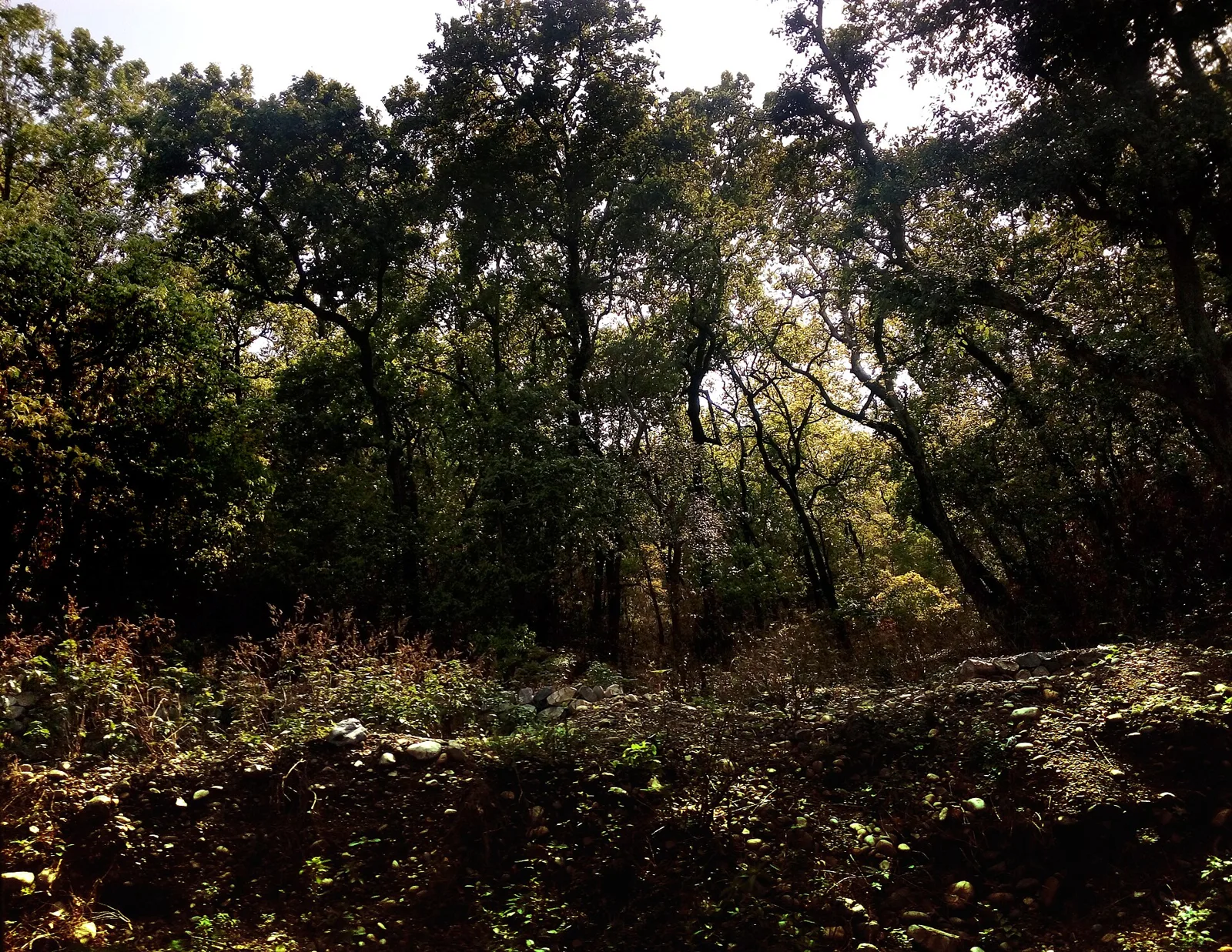
Kapal Mochan is a sacred site in the foothills of the Shivaliks, where a cluster of ancient temples, gurdwaras and holy pools sits among forest. Each year around Kartik Purnima, the full moon of November, hundreds of thousands of pilgrims gather here for a five-day fair centred on a dawn bath in the sacred pools. The name means "freedom from the skull", for it is said that bathing here frees a person from sin, including the gravest sins. Pilgrims come from across Haryana and neighbouring states, travelling by tractor trolley, bus and on foot, and camp in temporary tents and rest houses. Alongside the religious rituals, the fair has stalls selling household goods, toys, sweets and clothes, and in the evening there are folk performances. The place is also sacred to Sikhs, as two Gurus are said to have stayed here. Kapal Mochan offers a quiet glimpse of living tradition, where faith, nature and community meet.
Origins and legend

The central legend of Kapal Mochan comes from the Puranas. It tells how Lord Shiva, in anger, cut off the fifth head of Brahma, and the skull (kapal) stuck to his hand, a sign of the sin of killing a Brahmin. Shiva wandered through the world seeking release, but the skull would not fall. Finally, when he arrived at this place and bathed in its waters, the skull dropped from his hand and he was freed. From that day, the spot was called Kapal Mochan, the liberator from the skull, and the waters here are believed to wash away sin.

The site has other sacred associations. Local tradition says that the Pandavas and Lord Krishna visited it during their exile, and that the sage Veda Vyasa lived in the area. There are three main sacred pools: Kapal Mochan, Rin Mochan (liberation from debts) and Suraj Kund. For Sikhs, the place is revered because Guru Nanak visited it, and Guru Gobind Singh is said to have stayed here after the battle of Bhangani in 1688, and he is believed to have rested for several months. Gurdwaras mark these visits. The fair is thus held on a site that combines Hindu and Sikh history, and pilgrims of both faiths take part in the festival in a spirit of harmony.

How it is celebrated

The fair begins several days before Kartik Purnima, as pilgrims start to arrive and set up camp. By the eve of the full moon, the fair grounds and forest paths are crowded with tents, carts and vehicles. Before dawn on Kartik Purnima, pilgrims go to the sacred pools for the holy bath, which is the main ritual. After bathing, they visit the temples and gurdwaras, offer flowers, lamps, coconuts and sweets, and give alms. Priests perform rituals for ancestors and for the well-being of families. Throughout the day, there are prayers, hymn singing and sermons. The fair stalls open, selling everything from kitchen items to toys, and food stalls serve hot meals. In the evening, lamps are lit along the water and the temples glow. The fair then continues for a day or two before the crowd gradually disperses.

The cultural days

The cultural side of the Kapal Mochan fair is rooted in rural life. In the evenings, stages and open spaces host folk music and dance, including Haryanvi ragini and saang, and singers perform devotional songs. Wrestling bouts, called dangal, are a traditional feature of such fairs, and strong young men from nearby villages compete before large crowds. The fair is also a market where farmers and villagers buy and sell cattle, farm tools and household goods, and traditional trades of the region, such as the brass utensils of nearby Jagadhri, are on display. Children enjoy swings, merry-go-rounds and sweets. Because many families come from distant villages, the fair is also a chance to meet relatives and friends. It is a good place to experience the rural culture of northern Haryana.

The pilgrimage days

The holy dip is the centre of the pilgrimage. On Kartik Purnima, before sunrise, pilgrims immerse themselves in the sacred pools, believing the bath absolves them of sin and brings merit. The three pools, Kapal Mochan, Rin Mochan and Suraj Kund, are visited in turn. Pilgrims then worship at the temples, including the ancient Kapal Mochan temple and shrines of Shiva, Durga and other deities, and offer prayers for ancestors. For Sikh pilgrims, the gurdwaras of Patshahi Pehli (Guru Nanak) and Patshahi Dasvin (Guru Gobind Singh) are major sites, where there is kirtan and langar. Many people undertake a vow of fasting or stay overnight in the forest rest houses. The sense of renewal after the bath, in the cool air of the late autumn dawn, is what draws many people back year after year.

Food and flavours

Food at the fair is simple, hearty and designed for large crowds. The gurdwara langars serve dal, vegetables, roti and kheer to everyone, and temple kitchens and charitable groups also offer free meals. At stalls along the roads, you will find hot puri with aloo sabzi, kachori, samosas, pakoras, jalebi and tea. Haryanvi staples are available too, including bajra or makki roti with sarson ka saag in the colder months, kadhi, khichdi and lassi. Sweets such as peda, laddu and gur (jaggery) are sold in large quantities, as is roasted sweet potato and sugarcane. Many pilgrims fast on Purnima and eat after the bath. Fresh sugarcane juice and gajak are favourites in the November chill. Visitors should be careful about drinking water, and choose freshly cooked food from busy stalls.

Music, dance, art and dress

The soundscape of Kapal Mochan is a mixture of devotion and village celebration. Priests chant mantras and ring bells at the temples, and in the gurdwaras ragis sing Gurbani, accompanied by harmonium and tabla. On the open stages, singers perform Haryanvi ragini and bhajan, and drummers play the dhol and nagara. Folk theatre, such as saang, is performed with exaggerated gestures and humorous dialogue.

The art and crafts of the fair include brass and copper utensils from Jagadhri, wooden toys, bangles, embroidered cloth and clay items. Dress is simple and practical: men in kurta, dhoti or pyjama with a pagri or woollen cap, women in damman, kurti and odhni or in salwar kameez, and many in woollen shawls to keep out the cold. Sikh pilgrims wear turbans and traditional dress, and the colours of the crowd, with bright scarves and shawls, create a vivid scene at dawn.

Where to experience it

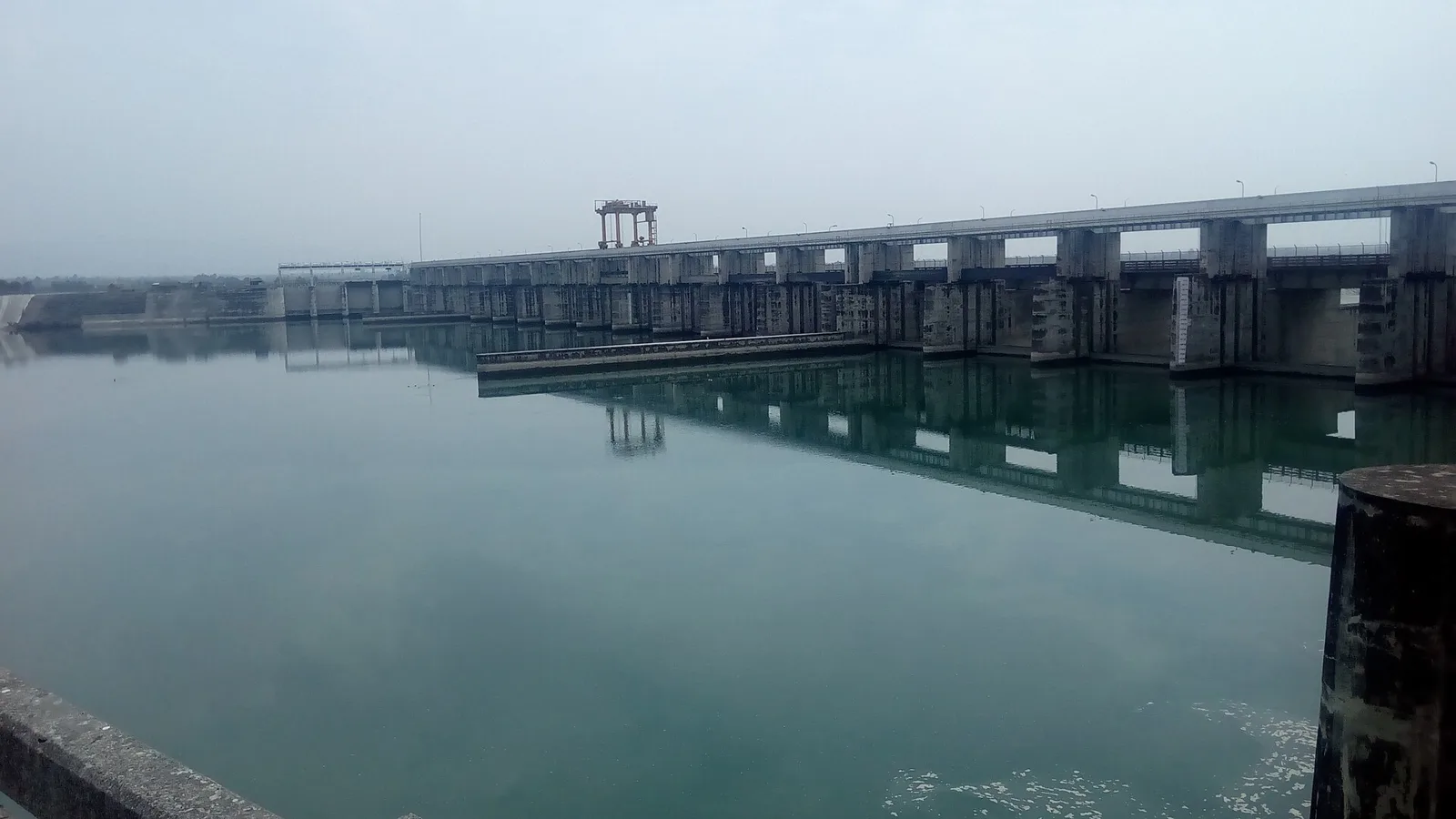
The fair takes place at Kapal Mochan, a pilgrimage site about 18 km from Yamunanagar and about 12 km from Jagadhri, close to the village of Bilaspur and the foothills. The three sacred pools, the Kapal Mochan temple and the gurdwaras are at the centre, and the fair grounds spread around them. A visit can be combined with other places in Yamunanagar district: Jagadhri, famous for its brass and aluminium utensils industry, the Hathnikund Barrage on the Yamuna river, and the Kalesar National Park, a protected forest with wildlife such as elephants, leopards and many birds. Not far away, the Sri Paonta Sahib Gurdwara in Himachal Pradesh is another historic Sikh shrine. Arrive early in the morning to see the bath, and take time to walk among the temples.

Visitor guide

  • Getting there. Yamunanagar is about 200 km from Delhi and about 100 km from Chandigarh by road. The nearest railhead is Jagadhri or Yamunanagar, and the nearest airport is Chandigarh. Local transport from Jagadhri and Yamunanagar to Kapal Mochan is by bus and taxi, and special buses run during the fair.
  • Where to stay. Accommodation near the site is limited, with dharamshalas, temple rest houses and temporary tents. Most visitors stay in Yamunanagar, Jagadhri or Ambala and travel for the day.
  • What to wear and pack. November mornings are cold, and the bath takes place before dawn. Bring warm clothes, a towel and a change of dry clothes, a shawl, and footwear that is easy to remove.
  • Etiquette. Dress modestly, cover your head at gurdwaras, and remove shoes at temples. Do not use soap or detergents in the pools. Ask before photographing people bathing.
  • Safety and comfort. The crowds are very dense on the main bathing day, so go early and keep close to your group. Take care on wet steps and cold water, especially with children and the elderly.

Today and tomorrow

The Kapal Mochan fair is among the major pilgrimage fairs of northern India, and the state government provides special arrangements for transport, sanitation, health care and security. The fair is an important expression of community life in Yamunanagar and nearby districts. The main concerns are the pressure of crowds on a small, forested site, the water quality of the pools, and waste. There is also growing interest in promoting Kapal Mochan as a heritage and eco-tourism destination, which could bring more visitors throughout the year.

Nearby

Places to see around the festival