
Ghumoopedia — Explore, Discover, Experience
Sign in

Religious · Rajasthan

Karni Mata Fair

Deshnok, Bikaner district

Dates

Last verified 17 November 2026. Confirmed: announced by organisers or government. Provisional: from a published almanac, not yet announced. Seasonal: no date announced.

The complete guide

Karni Mata Fair: everything to know before you go

Where
Rajasthan, Bikaner district; Deshnok village (Karni Mata Temple)
When
Navratri periods (twice yearly) and other auspicious days; large fairs coincide with major Navratri and other temple anniversaries
Duration
Key days during Navratri; activities extend over several days
Who takes part
Hindu folk devotion centered on Karni Mata; strong following among local Rajput and Charan communities and pilgrims from across northwest India
Type
Religious pilgrimage and temple fair centered on a living folk goddess figure and her temple
Entry
Free; small fees for special offerings and guided rites
Best for
Visitors interested in temple rituals, raja-puja, local myth, and the famous temple rats (kabbas)

Overview

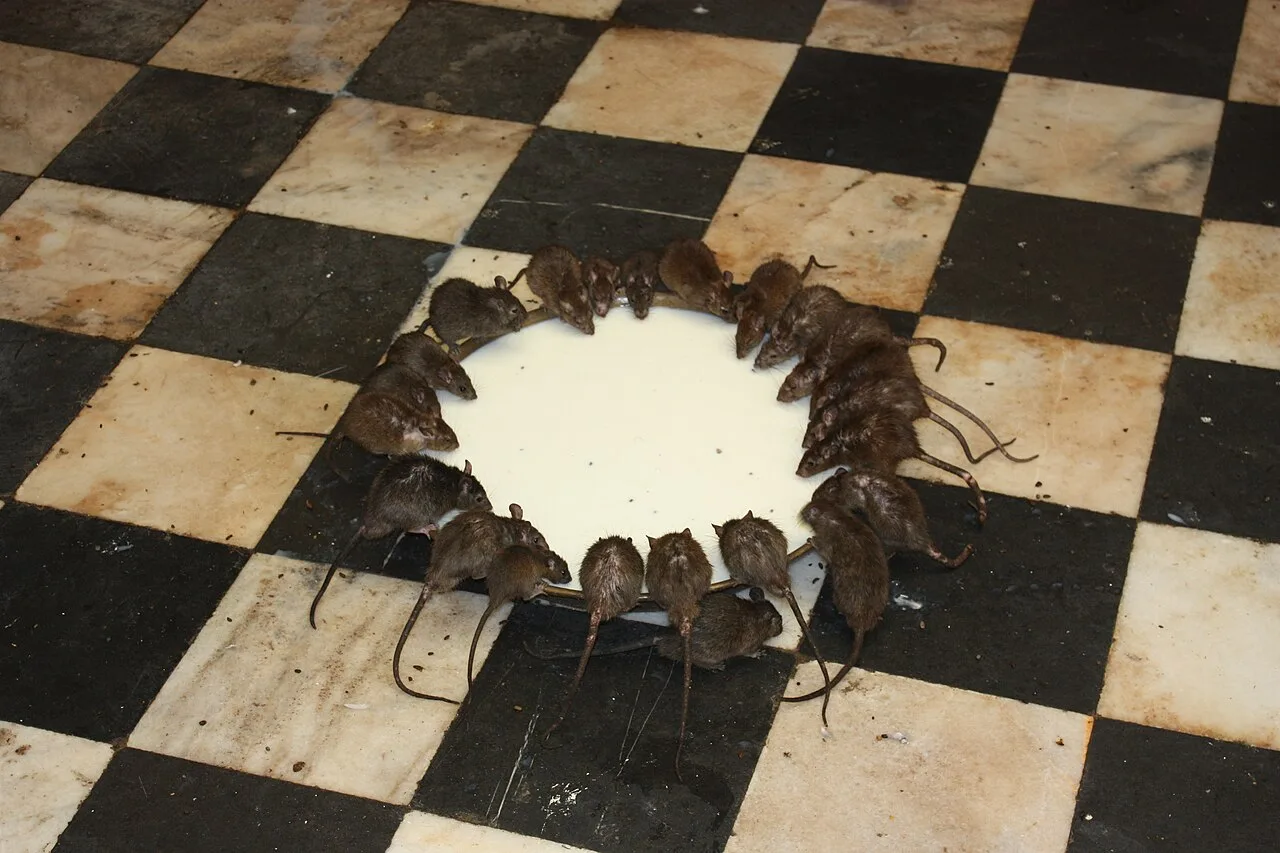
The Karni Mata Temple at Deshnok is a uniquely famous Rajasthani shrine known worldwide for its population of sacred rats, locally revered as manifestations of the goddess’s devotees. The temple’s fairs—especially during Navratri—attract large numbers of pilgrims who perform puja, offer sweets, and participate in ritual processions. During festival days the temple precinct is filled with devotees seeking blessings for fertility, protection and family welfare. The fair combines devotional observance with lively market activity; stalls sell prasad, religious paraphernalia and souvenirs tied to the temple’s extraordinary rat mythology.
Origins and legend

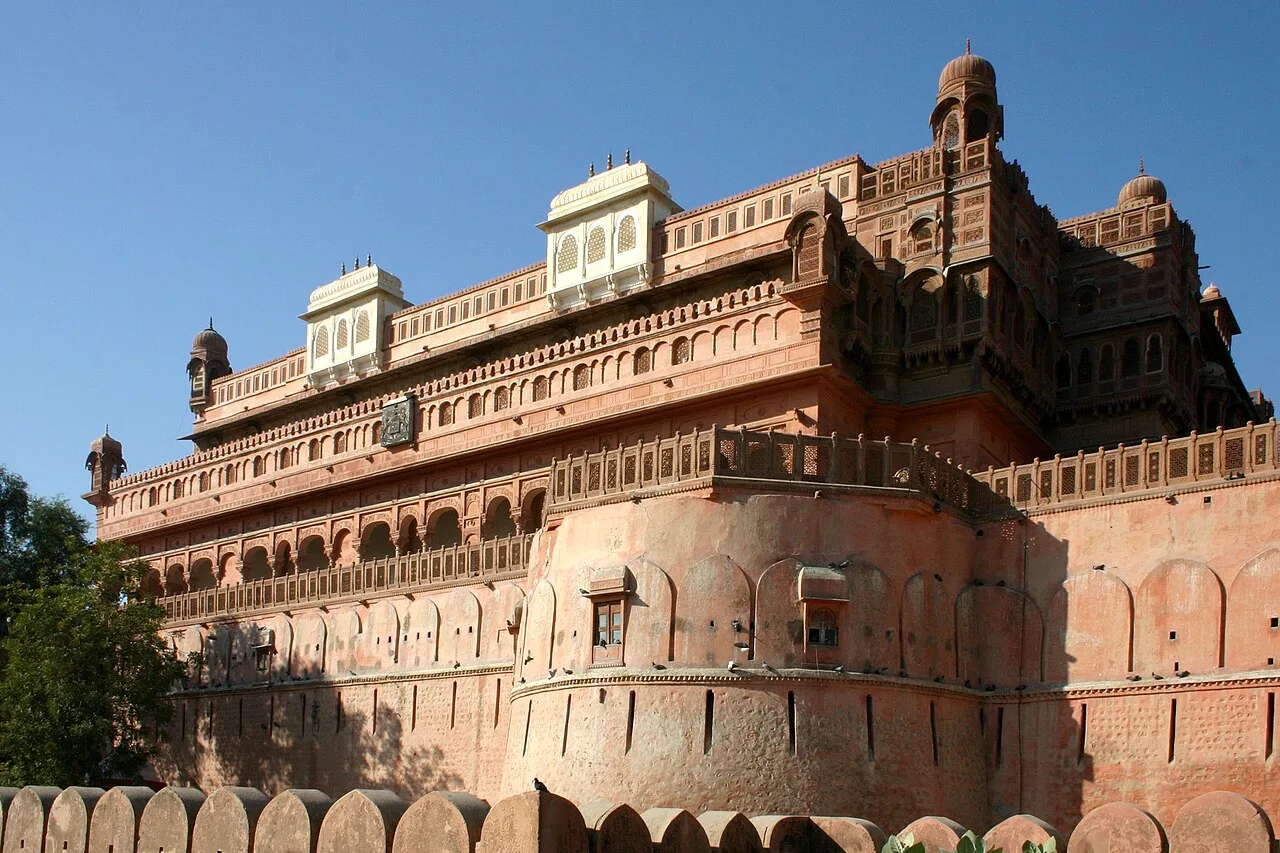
Karni Mata is a fifteenth-century mystic-woman revered as an incarnation or consort of the goddess Durga in local belief. Stories tell how Karni Mata intervened to save her stepson’s life by asking the goddess to restore him as rats and members of her household. As a result, rats in the temple are venerated and fed; seeing a white rat is considered especially auspicious. Royal patronage—most notably by the Bikaner rulers—expanded the temple’s wealth and ritual prominence. The temple architecture and rituals reflect both folk and classical elements, and the rat legend operates as a social symbol that ties the community together through recurring offerings, temple service and annual fairs.

How it is celebrated

Cultural days: Navratri festivities emphasize temple decoration, devotional singing, and theatrical retellings of Karni Mata’s miracles. Local performers enact episodes from the saint’s life, and community feasts are organized by devotees.

Pilgrimage days: Rituals include abhishek (ceremonial bathing of the deity image), offering of prasad (milk-sweets and sindoor-based offerings), and placement of coconuts and chadars. Devotees circulate inside the temple complex where rats roam freely; feeding them with boiled sweets or milk is common. Special pujas and aratis are performed on the fair’s high days, often accompanied by devotional music and recitation.

Food and flavours

Festival food includes temple prasad distributed to devotees—often sweets such as ladoos, milk-based sweets, and seasonal treats. Nearby stalls sell common Rajasthani snacks and meals like dal-bati, kachori and chaawal. Hygiene-conscious visitors should take standard precautions at shared food stalls, especially because the temple precinct is frequented by animals.

Music, dance, art and dress

Devotional singing (bhajans) and recitations of local ballads are central. Women wear bright traditional ghagras and odhnis; men commonly wear angarkhas and turbans. Artisans sell embroidered textiles and rat-shaped souvenirs, while traditional motifs of the saint appear in local paintings and miniature work sold during the fair.

Where to experience it

Visit the Karni Mata Temple early in the morning or late evening when crowds are thinner to observe the rituals closely and to see the temple rats more freely. Walk the adjacent bazaar to see seasonal handicrafts and local food. Guided local priests can explain the temple’s rites and taboos.

Visitor guide

  • Getting there: Deshnok is about 30 km from Bikaner by road; regular buses and taxis connect the two. Bikaner is on the railway network and has a small airport with limited flights.
  • Where to stay: Bikaner has several hotels and guesthouses; staying in Bikaner and doing a day trip to Deshnok is practical.
  • What to wear and pack: Modest dress; be prepared to remove shoes before entering inner sanctums. Wet wipes and hand sanitizer recommended due to animal presence; comfortable footwear for walking in dusty lanes.
  • Etiquette: Respect temple rules—do not intentionally harm or frighten animals. Ask before photographing priests or devotees. Follow instructions regarding food offerings.
  • Safety and comfort: Be mindful of hygiene around animals. Keep food covered and avoid feeding wild animals outside sanctioned prasad if uncertain.

Today and tomorrow

Karni Mata’s temple and fairs remain essential to local religious identity and have become a tourism draw. Management efforts balance devotional practice with visitor infrastructure, seeking to preserve ritual norms while accommodating increasing visitor numbers. Conservation of the temple’s fabric and humane animal care practices are emerging areas of focus.

Nearby

Places to see around the festival