Ghumoopedia — Explore, Discover, Experience
Sign in

Religious · Arunachal Pradesh

Losar and Torgya

Tawang Monastery and Monpa villages of Tawang and West Kameng

Dates

Last verified 17 November 2026. Confirmed: announced by organisers or government. Provisional: from a published almanac, not yet announced. Seasonal: no date announced.

The complete guide

Losar and Torgya: everything to know before you go

Also known as
Losar; Torgya
Where
Tawang and West Kameng
When
Losar: January–February (lunar calendar); Torgya on set Monpa ritual days
Community
Buddhist / Monpa
Type
Ritual and community festival

Overview

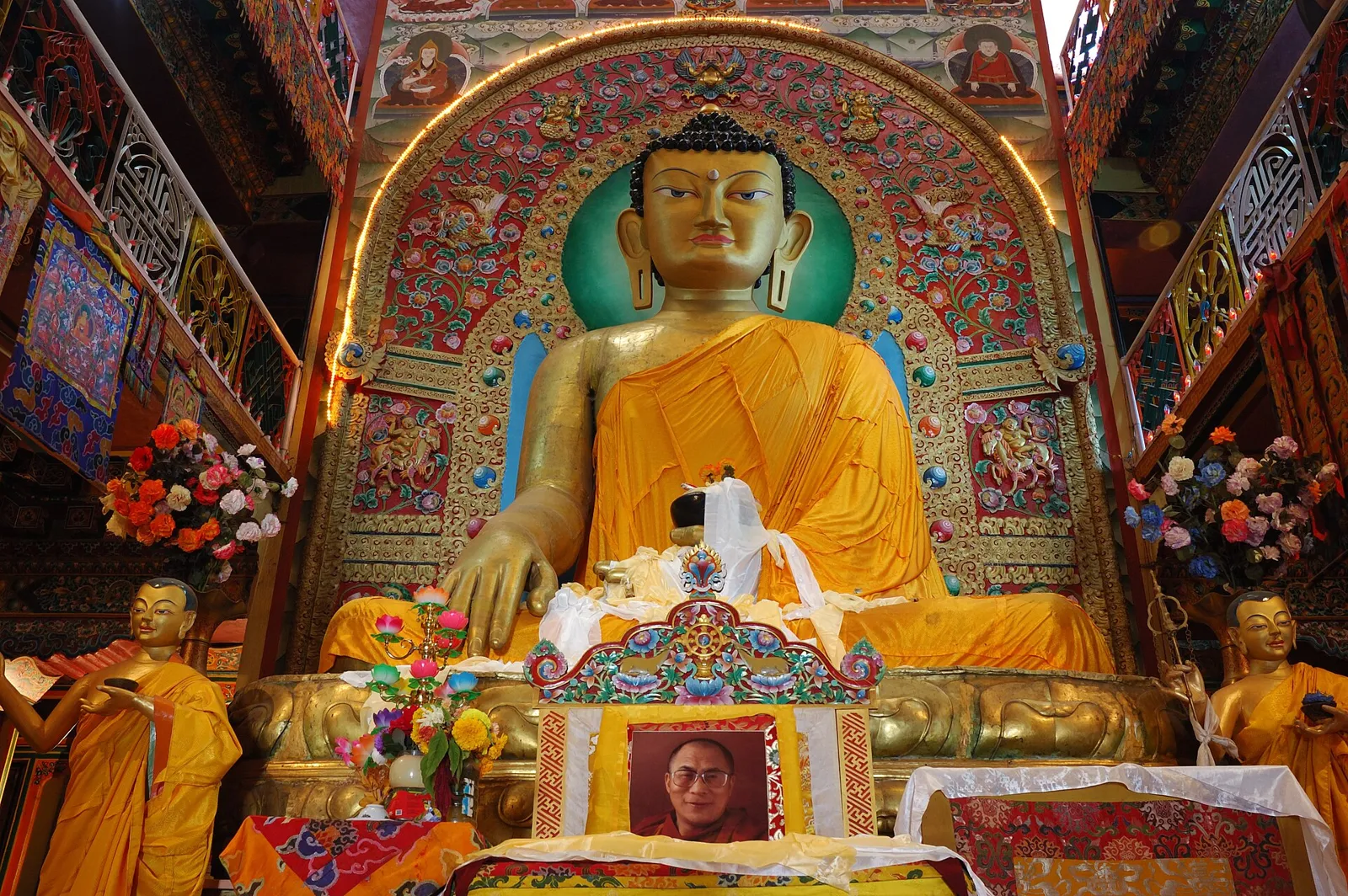
Losar (Tibetan New Year) and the related Torgya rites are central to Monpa spiritual and cultural life in Tawang and nearby valleys. Losar marks the start of a new lunar year with prayers, household cleaning, symbolic offerings and visits to monasteries. Torgya is a ritual performed by monks to ward off malevolent spirits and usher in blessings for the community. In Tawang, monasteries become the focal point of layered ceremonial activity: masked dances, communal feasts, and public processions led by lamas. The festivals blend Mahayana Buddhist liturgy, indigenous ritual forms, and local gestures of hospitality. For visitors, the atmosphere is meditative and theatrical at once: prayer flags, butter-lamp offerings and chants sit alongside colourful costumes and ceremonial displays.
Origins and legend

Losar has roots in Tibetan calendrical practice and was adapted by Himalayan communities over centuries. Among the Monpa, Losar is said to consolidate community well-being after winter and to renew bonds between households and the monastery. Torgya, historically linked to esoteric exorcistic rites performed by tantric lamas, developed as a public liturgy in which ritual specialists perform dramatised mythic scenes to repel disease and bad fortune. Local oral traditions describe lamas invoking protective deities of the mountains and reciting sadhanas particular to the Monyul region. Over time the two observances fused practical communal needs—clearing stored grain, settling debts, reconciling disputes—with cosmological acts that position the monastery as guarantor of prosperity.

How it is celebrated

Celebration begins with purification: homes are cleaned and offerings are made at household altars. Monasteries hold extended pujas where lamas chant, display thangka paintings and perform masked dances. Communities share specially prepared foods, and families visit each other to exchange greetings. In Tawang, Losar processions include carrying butter lamps and placing prayer flags along ridgelines. Torgya involves ritual enactments by monks using masks and sacred instruments; the aim is communal protection rather than festive merrymaking.

The cultural days

During the festival week, monasteries organise public performances of cham (mask dances) that narrate moral stories and mythic battles. Local artisans display textiles and ceremonial objects. Performances

emphasize continuity: younger monks learn choreography under senior lama supervision, while elders explain the symbolic meanings. The cultural programme is deliberately didactic, teaching cosmology and social values through music, dance and visual iconography.

Where to experience it

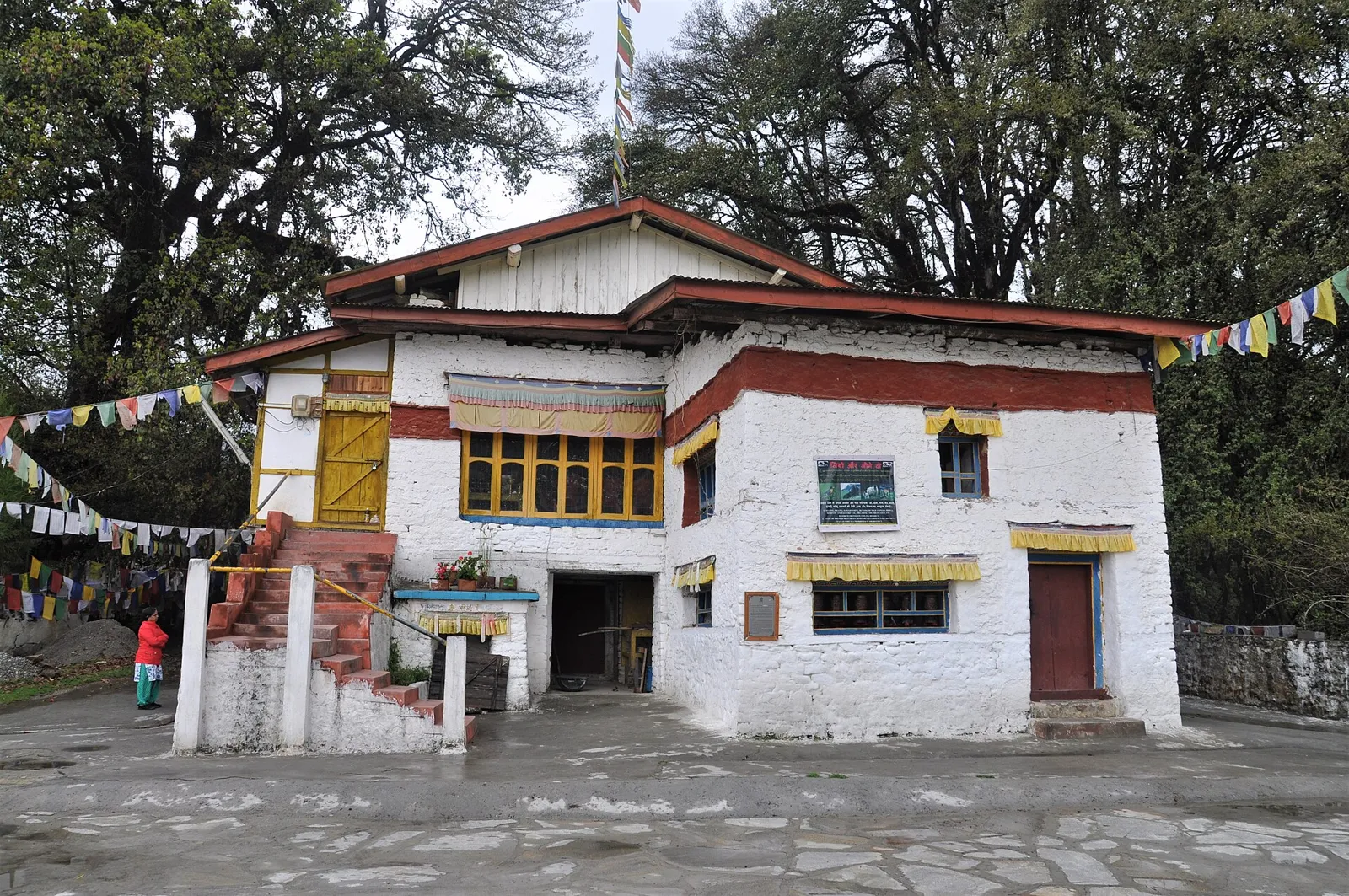
Tawang monastery (Gonpa) is the prime location to see Losar and Torgya. Visitors can observe morning pujas, attend cham dances and visit surrounding Monpa villages for household rituals. Winter travel conditions are challenging; plan for altitude, cold and occasional road closures.

Visitor guide

  • Getting there: Tawang is accessible by road from Tezpur or Bhalukpong (Assam) then via Bomdila; roads can be slow. Best to allow extra travel time.
  • Where to stay: Simple guesthouses and tourist lodges in Tawang town; book early in peak festival years.
  • What to wear and pack: Warm layered clothing, sturdy footwear, sunscreen, and a basic first-aid kit. Altitude-appropriate gear is essential.
  • Etiquette: Follow monastery norms: remove shoes, keep silence during pujas, ask before photographing monks or ritual objects, and accept local greetings with respect.
  • Safety and comfort: Altitude and cold are main hazards. Carry water, acclimatise and heed local advice about weather and roads.

Today and tomorrow

Losar and Torgya remain vital to Monpa identity while attracting cultural tourists interested in Himalayan ritual arts. Conservation of monastic sites and responsible visitor practices are increasingly emphasised to protect fragile high-altitude environments.

Nearby

Places to see around the festival