Overview
The observance of Muharram and the solemn rituals of Azadari (mourning) in Lucknow represent one of the world's most dramatic, historically refined, and culturally significant commemorations of the martyrdom of Imam Hussain (grandson of Prophet Muhammad) at the Battle of Karbala in 680 CE. Instituted under the royal patronage of the Nawabs of Awadh in the 18th century, Lucknow's Azadari transformed the city into the premier center of Shia Islamic culture, literature, and architectural patronage in South Asia.
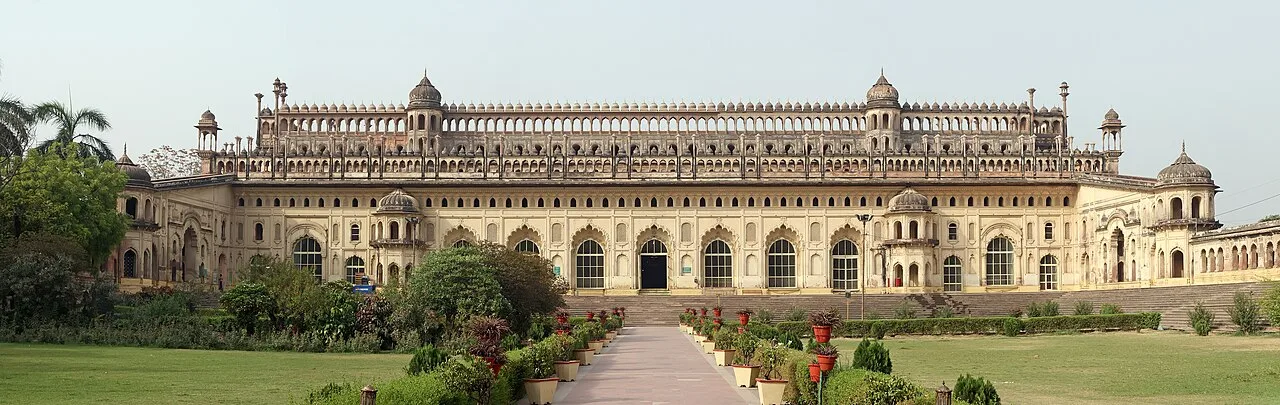
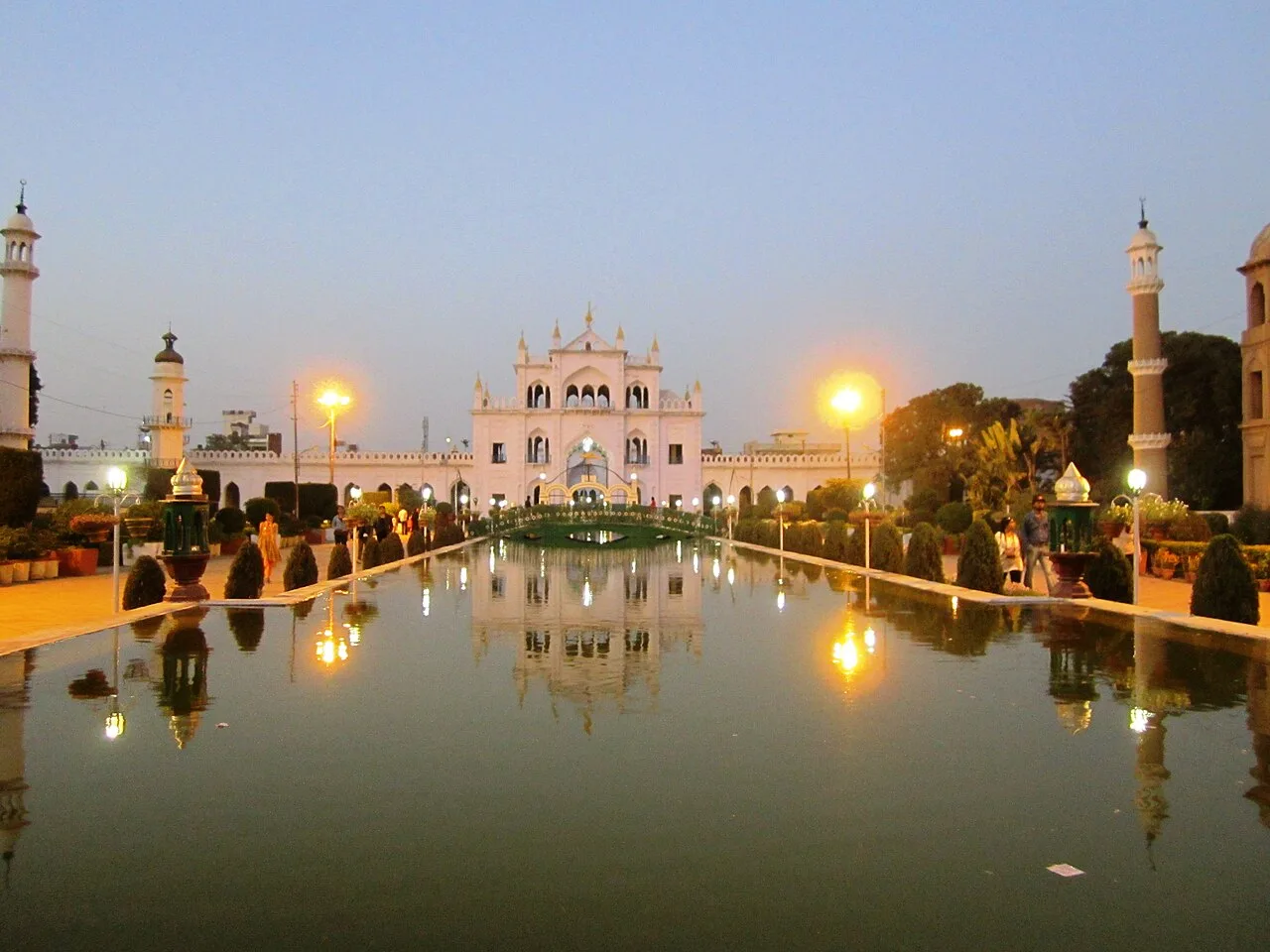
Spanning the first ten days of Muharram and culminating on Ashura (10th Muharram), Old Lucknow comes to a standstill as massive mourning processions (*Jaloos*) move between iconic Nawabi monuments—including the Bada Imambara, Chhota Imambara, Dargah-e-Ali Asghar, and Karbala Talkatora. Tens of thousands of mourners clad in black move in solemn procession, chanting *Nohas* (elegies) and *Marsiyas* (epic elegiac poetry composed by master Urdu poets like Mir Anis and Mirza Dabir).
The visual hallmarks of Lucknow Muharram include magnificent Tazias (intricate miniature replicas of Imam Hussain's tomb constructed from bamboo, silver, ivory, paper, and glass), towering Alams (sacred military banners topped with brass crests), caparisoned riderless horses representing Zuljanah, and solemn chest-beating (*Matam*).