
Ghumoopedia — Explore, Discover, Experience
Sign in

Fair & Mela · Sikkim

Maghe Sankranti (Jorethang Mela)

Jorethang, South Sikkim

Dates

Last verified 17 November 2026. Confirmed: announced by organisers or government. Provisional: from a published almanac, not yet announced. Seasonal: no date announced.

The complete guide

Maghe Sankranti (Jorethang Mela): everything to know before you go

Fact Card Property
Details
Also known as
Makar Sankranti, Maghey Mela, Jorethang Maghey Sankranti Fair
Where
Sikkim (Namchi District, South Sikkim: Jorethang, Saramsa, Rorathang, Triveni)
When
January 14 / 15 (1st day of the Nepali month of Magh)
Duration
3 to 8 days (Main trade fair spans over a week)
Who takes part
Hindu Nepali community & Multi-ethnic Sikkimese populace
Type
Agrarian, Solar Transition, Cultural & Commercial Trade Fair
Entry
Free
Best for
Holy river dip at Rangeet confluence, Jorethang trade fair, organic farm produce, seasonal delicacies like Chaku & Yam

Overview

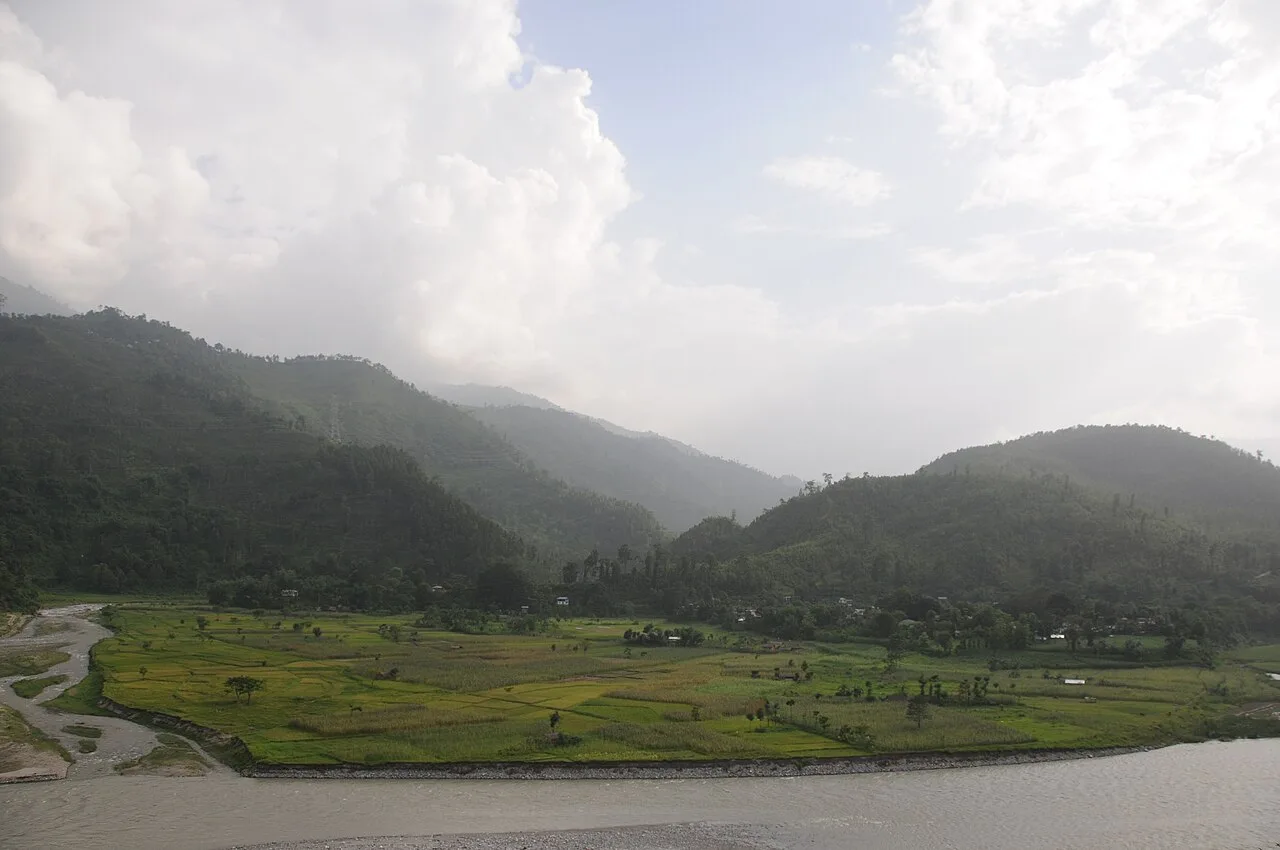
Maghe Sankranti, known locally as Maghey Sankranti, is one of the most vibrant, joyously celebrated agrarian and solar festivals in Sikkim, observed on the first day of the Nepali month of Magh (typically January 14 or 15). Marking the astronomical transition of the Sun from Sagittarius (Dhanu) into Capricorn (Makara), the festival signals the end of the harsh winter solstice and heralds the arrival of warmer weather, longer daylight hours, and the upcoming spring planting season. Celebrated with immense enthusiasm by Sikkim's Nepali Hindu community and embraced by all ethnic groups across the state, Maghe Sankranti begins at dawn with ritualistic holy dips at river confluences, most notably where the Rangeet and Rammam rivers meet at Jorethang in South Sikkim. The spiritual morning gives way to the famous 'Jorethang Maghey Sankranti Mela'—the largest and oldest agricultural trade fair in Sikkim—which transforms the riverbanks into a bustling carnival of traditional handicrafts, organic farm exhibitions, cultural song contests, food stalls, and adventure sports, drawing thousands of visitors from across Sikkim, West Bengal, Nepal, and Bhutan.
Origins and legend

The spiritual roots of Maghe Sankranti stem from ancient Hindu Vedic tradition, which honors the Sun God (Surya) as the source of light, warmth, and life. The day marks the beginning of 'Uttarayana'—the six-month auspicious period during which the Sun travels northward, symbolizing spiritual awakening and renewal. According to Sikkimese legend, taking a sacred bath at river confluences ('Triveni') on this morning cleanses all sins and grants robust health. The historical origin of the grand Jorethang Mela dates back to 1955, when local leaders organized a modest agricultural fair along the Rangeet riverbank. Farmers from Darjeeling, Kalimpong, Sikkim, and Nepal gathered to barter livestock, seeds, handloom fabrics, and organic crops. Over the decades, this humble agricultural exchange evolved under state sponsorship into an iconic multi-day festival celebrating Sikkimese agrarian heritage, cultural diversity, and rural commerce.

How it is celebrated

Maghe Sankranti celebrations begin before sunrise on Magh 1. Devotees flock to riverbanks at Jorethang, Saramsa, Rorathang, and Triveni to take a ceremonial dip in the ice-cold mountain waters, offering prayers and flowers to Surya Dev. Following the holy bath, families return home to worship Goddess Lakshmi and share a special festive breakfast. The afternoon sees thousands assembling at the Jorethang Mela ground, where government officials inaugurate agricultural exhibitions, floriculture stalls, and cultural stages. The fairground buzzes with activity for over a week, featuring amusement rides, traditional music competitions, food courts, and river rafting demonstrations along the Rangeet River.

The Cultural Days

Culturally, the Jorethang Maghey Mela is a grand showcase of Himalayan folk arts. Cultural groups representing Nepali, Bhutia, and Lepcha communities perform traditional dances such as Maruni, Dhan Naach, Tamang Selo, and Chyabrung on open-air stages. Local musical bands compete in state-level singing contests, while sports enthusiasts participate in traditional archery, arm-wrestling, and white-water rafting competitions along the Rangeet River rapids.

The Pilgrimage Days

For Hindu pilgrims, the river confluences of South and East Sikkim serve as sacred pilgrimage sites on Maghe Sankranti morning. Thousands gather at the Rangeet-Rammam confluence in Jorethang and the Teesta-Reshi confluence, offering sesame seeds, butter lamps, and coconuts to the river spirits while seeking divine blessings for health and family prosperity.

Food and flavours

Culinary traditions during Maghe Sankranti are specifically tailored to boost immunity and provide warmth during winter. The essential festive food is 'Chaku'—a rich, chewy sweet prepared by boiling sugarcane molasses with ghee, milk, and chopped nuts. Families feast on 'Tarul' (boiled yams and sweet potatoes dipped in spicy tomato chutney), 'Til ko Laddu' (sesame seed sweet balls), 'Ghee', 'Khichdi' (rice and lentil porridge cooked with spices), and fried 'Sel Roti'. The food is regarded in Ayurvedic tradition as deeply therapeutic for winter health.

Music, dance, art and dress

The fairgrounds resonate with the upbeat rhythms of the 'Madal' (traditional hand drum) accompanying Maruni folk dances. Men dress in traditional Nepali 'Daura Suruwal' with a coat and a traditional 'Dhaka Topi' (patterned cap), while women wear colorful 'Gunyu Cholo' dresses paired with gold jewelry like 'Tilhari' and 'Sirbandi'. Artisans display bamboo handicrafts, hand-woven woollens, and traditional agricultural tools.

Where to experience it

The absolute best location to experience Maghe Sankranti is the Jorethang Mela grounds along the Rangeet River in South Sikkim (Namchi District). Secondary celebrations take place along the riverbanks at Saramsa near Gangtok and Rorathang.

Visitor guide

Getting there

Jorethang is located 30 km from Namchi, 85 km from Gangtok, and 90 km from Siliguri / NJP Railway Station. Regular taxis and buses connect Jorethang with Siliguri, Darjeeling, Namchi, and Gangtok.

Where to stay

Book hotels or guesthouses in Jorethang early, as the town fills up completely during Mela week. Alternatively, stay in Namchi (30 km away), which offers extensive luxury and mid-range hotel options.

What to wear and pack

Jorethang lies at a lower altitude (300 meters) and enjoys pleasant winter weather (12°C–22°C). Light woollens or jackets are suitable for days, while warm coats are needed for evenings.

Etiquette

Respect bathers at river ghats during early morning rituals. Engage politely with local traders and artisans when browsing agricultural and handicraft stalls.

Safety and comfort

Jorethang Mela draws large crowds; keep track of personal belongings. Exercise caution near fast-flowing riverbank areas.

Today and tomorrow

Maghe Sankranti Mela has evolved into a premier state-level tourism and commercial event. It provides a vital economic engine for rural farmers, handicraft artisans, and eco-tourism operators, promoting organic agriculture and regional trade across the Eastern Himalayas.

Nearby

Places to see around the festival