
Ghumoopedia — Explore, Discover, Experience
Sign in

Harvest · Mizoram

Mim Kut

Villages and towns across Mizoram

Dates

Last verified 17 November 2026. Confirmed: announced by organisers or government. Provisional: from a published almanac, not yet announced. Seasonal: no date announced.

The complete guide

Mim Kut: everything to know before you go

Where
Mizoram; observed across villages and towns
When
August–September (post-monsoon harvest)
Type
Harvest festival with ancestral remembrance elements
Best for
Experiencing harvest rites, songs and community meals

Overview

Mim Kut is one of Mizoram's principal harvest-related festivals, traditionally held after the paddy harvest in late summer or early autumn. Unlike purely celebratory festivals, Mim Kut carries a reflective dimension: in some communities it includes offerings and songs remembering deceased relatives, so it blends gratitude for the harvest with ancestral commemoration. The observances vary by locality: some villages stage public dances and feasts emphasizing young people's participation, while others maintain quiet ritual acts such as placing food on family altars. Markets swell with seasonal produce, and craft stalls display fresh-weave textiles. For the visitor, Mim Kut offers a quieter, more rural complement to the exuberant Chapchar Kut: an opportunity to see field-to-table practices, attend simple village rituals and sample genuinely local harvest dishes prepared with freshly harvested rice and vegetables.
Origins and legend

Mim Kut originates in the cyclical labour and spiritual practices of jhum cultivators. The harvest season was a natural time for thanksgiving rites and for remembering community members who died during the year. Historically, families gathered to share food, sing lilong harvest songs and offer portions to household spirits and ancestors. Christian influences altered explicit ritual offerings in many areas but the cultural memory remains: songs and some ritual gestures continue to mark the boundary between seasons. Local legends sometimes tie Mim Kut to stories of communal survival during lean years, and the festival functions socially as a time for reconciling disputes, redistributing resources and arranging marriage meetings.

How it is celebrated

Village committees organize communal meals of fresh rice, boiled greens and smoked meats; younger people perform group dances and sing harvest songs. In places where ancestor remembrance survives, families prepare small offerings and hold a brief household ceremony. Markets and fairs sell seasonal vegetables, locally smoked fish and newly woven puans. Public stages feature mellow folk music, and some places combine Mim Kut programming with craft bazaars to showcase baskets, caneware and woven textiles.

Music, dance, art and dress

Mim Kut's musical landscape emphasizes lilong and soft ballads celebrating rice and the land. Dances are simpler than Chapchar Kut's full-stage Cheraw performances: circle dances, slow partner steps and harvest improvisations predominate. Traditional dress includes everyday woven puans rather than ceremonial finery; however, craftspeople use the occasion to sell new textiles. Local artisans offer bamboo and cane products used in harvest work, and flower garlands or headbands made from seasonal greens may be worn by dancers. The understated aesthetics reflect the festival's agricultural focus.

Food and flavours

Mim Kut centres on freshly harvested rice, often cooked in simple ways to showcase grain quality. Accompaniments include bai (bamboo shoots), sa-rawp (smoked or fermented fish), and a variety of seasonal greens sautéed with local spices. Pork remains a common protein when available; vegetarian guests can expect hearty vegetable stews and lentil preparations.

Newly harvested rice cakes and sticky rice desserts appear at private and public feasts. The flavours are clean and earthy — designed to celebrate the harvest rather than heavy seasoning.

Where to experience it

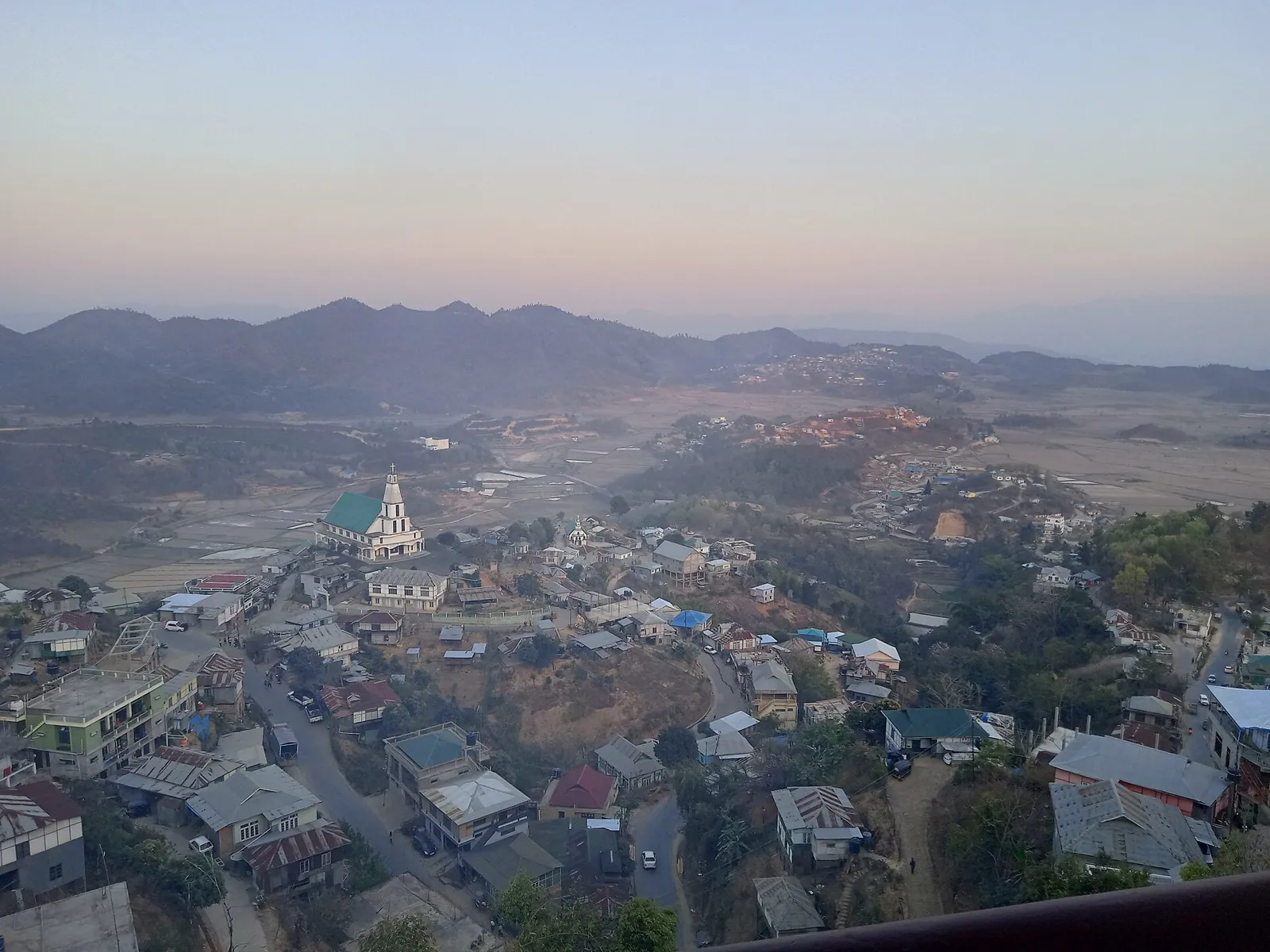
Best experienced in rural villages across the state where jhum culture remains active; district festival calendars often list Mim Kut events in smaller towns. Engaging a local homestay or guide allows visitors to attend family meals and observe any remembrance rites respectfully. Aizawl may host more formalized, tourist-friendly Mim Kut programmes with craft markets and staged performances, but for authentic harvest atmosphere travel to hill villages in Lunglei, Serchhip or rural Aizawl districts.

Visitor guide

— Mim Kut •

  • Getting there: Road travel from Aizawl is common; internal village roads may be rough after monsoon—plan extra time. •
  • Where to stay: Homestays and small lodges near festival villages are advisable for an authentic experience; Aizawl hotels for a town-based itinerary. •
  • What to wear and pack: Lightweight breathable clothes for daytime; rain protection for postmonsoon conditions; comfortable walking shoes. •
  • Etiquette: Observe any family remembrances quietly and ask before joining private meals; avoid overt photography of ritual objects without permission. •
  • Safety and comfort: Respect local food sensitivities; carry basic medication and water purification tablets for remote village visits.

Today and tomorrow

Mim Kut continues to adapt: some communities now combine harvest rites with environmental awareness programmes and seed‑saving demonstrations. Local NGOs sometimes use the festival platform to promote agricultural training and climate resilience. • Is it free?: Village events are generally free; organized shows may charge small fees. • Best day to visit?: The main communal meal day when families gather to celebrate the new rice. • See also: Local agricultural fairs and extension workshops.

Nearby

Places to see around the festival