
Ghumoopedia — Explore, Discover, Experience
Sign in

Religious · Rajasthan

Ramdevra Fair

Ramdevra, Jaisalmer district

Dates

Last verified 17 November 2026. Confirmed: announced by organisers or government. Provisional: from a published almanac, not yet announced. Seasonal: no date announced.

The complete guide

Ramdevra Fair: everything to know before you go

Where
Rajasthan, Jaisalmer district; village shrine at Ramdevra (near Pokhran)
When
August–September (Bhadrapada month and surrounding months); main fair often tied to the saint’s tithi
Duration
Several days to a week; pilgrim flows peak on the saint’s anniversary
Who takes part
Hindu folk-saint devotion; attracts diverse Hindu castes, local tribal groups and devotees from Rajasthan and Gujarat
Type
Pilgrimage fair (melā) centered on a folk-saint
Entry
Free; donation-based offerings common
Best for
People interested in folk religion, rural ritual economy, camel and cattle processions, and regional Rajasthani folk culture

Overview

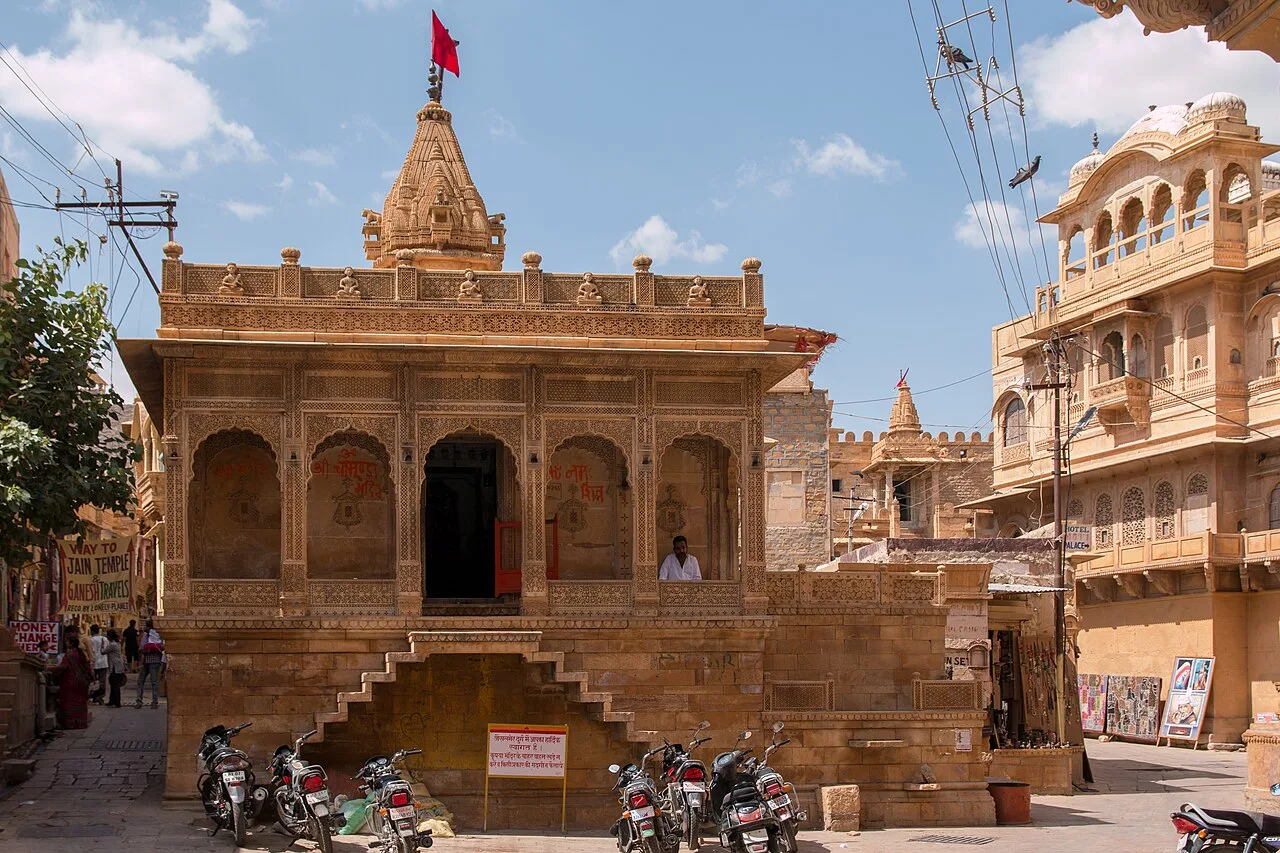
The Ramdevra Fair is an energetic regional pilgrimage that honors Baba Ramdev (also called Ramdevji), a 14th-century folk deity venerated especially by Rajasthan’s rural communities. The small town of Ramdevra hosts tens of thousands of devotees who arrive to pay respects at the saint’s samadhi (memorial) and participate in ritual offerings and festive commerce. Pilgrims come with vows, crutches and offerings—many seeking cures for illness or help in personal troubles. The fair’s daily rhythm combines formal puja at the shrine with open-air bazaars, devotional songs, animal markets, and competitive displays such as wrestling or camel parades. Food stalls, itinerant performers, and tented camps create a market-town atmosphere where spiritual longings and material exchange coexist.
Origins and legend

Ramdevji is remembered as a warrior-saint and social reformer who defended local communities and championed caste-inclusive devotion. Legend describes miraculous interventions—providing grain in famine, bringing water to parched lands, and healing the afflicted. Born into a Rajput family, Ramdevji’s life narratives emphasize simplicity, courage and service. After his death his samadhi became a focal point for popular devotion; over time, local rulers and communities institutionalized annual commemorations. The saint’s legacy is particularly strong among pastoralist and artisan groups who regard him as protector of livestock and livelihoods. Oral histories and bhajans (devotional songs) keep those stories alive in every generation, making the fair both a religious and mnemonic event.

How it is celebrated

Cultural days: Days of the fair host public performances—folk singing, puppet shows, acrobatics and wrestling contests. Market days transform the area into a regional trading hub where livestock, textiles, metalwork and ritual paraphernalia are bought and sold.

Pilgrimage days: Devotees offer prayers, light diyas and present offerings at the saint’s samadhi. Many undertake vows that include walking long distances barefoot or carrying symbolic offerings. Community-led processions move through the town while priests conduct arati and distribute prasad. The shrine’s caretakers manage continuous puja cycles during peak days.

Food and flavours

Festival food reflects rural Rajasthani cuisine and the roadside fair tradition: bajra rotla (millet flatbread), ker sangri (dried berry and bean mix), dal-bati-churma in simplified forms, and deep-fried snacks. Large communal cooking is common where devotees sponsor meals for pilgrims. Sweet dishes and tea stalls keep crowds energized; vendors also sell date-based sweets and regional dairy products that are local specialties.

Music, dance, art and dress

Folk singers and bhajan groups perform Rajasthani devotional songs recounting Ramdevji’s miracles. Folk instruments—dholak, been (pungi), sarangi and stringed lutes—accompany singers. Traditional dress remains visible: men in saffron turbans or angarkhas and women in bright odhnis and ghagras. Handicrafts and local arts (metalwork, embroidered textiles) are displayed in stalls, reinforcing the fair’s role as a marketplace for rural artisans.

Where to experience it

The samadhi complex and the surrounding fairgrounds are the best places to feel the festival’s full intensity. Visit during early mornings to see devotional rituals and late afternoons for markets and performances. Interact with vendors and pilgrims to understand the social networks that sustain the fair. Nearby Jaisalmer’s tourist circuit can be combined with a pilgrimage visit to Ramdevra if travel logistics allow.

Visitor guide

  • Getting there: Ramdevra is reachable by road from Jaisalmer and Pokhran. Poular buses and private taxis link it to district centers. The closest railway head is at Jaisalmer.
  • Where to stay: Limited guesthouses and dharamshalas near the shrine; better accommodation in Jaisalmer (40–70 km) for those seeking more comfort.
  • What to wear and pack: Comfortable, modest clothing suited to dusty, sometimes hot conditions. Sun protection, comfortable footwear for walking and cash for purchases in the market.
  • Etiquette: Follow shrine rules, respect local customs and ask before photographing devotees. Participate respectfully in communal meals and remove footwear when required.
  • Safety and comfort: Rural medical facilities may be basic—carry essential medicines. Travel in daytime where possible and use trusted local transport.

Today and tomorrow

The Ramdevra Fair remains a crucial social institution for rural communities—sustaining devotional ties, economic exchange and cultural transmission. Modern pressures—rising tourism, commercial stallholders, and infrastructure needs—shape contemporary iterations of the fair. Local management efforts aim to balance pilgrimage needs with traveler convenience, ensuring that the saint’s protective legacy remains embedded in rural life.

Nearby

Places to see around the festival