Ghumoopedia — Explore, Discover, Experience
Sign in

Cultural · Chandigarh

Rose Festival, Chandigarh

Zakir Hussain Rose Garden, Sector 16

Dates

Last verified 17 November 2026. Confirmed: announced by organisers or government. Provisional: from a published almanac, not yet announced. Seasonal: no date announced.

The complete guide

Rose Festival, Chandigarh: everything to know before you go

Also known as
Chandigarh Rose Festival; Rose Show; Rose Festival at Zakir Hussain Rose Garden
State and district
Chandigarh (Union Territory); venue: Zakir Hussain Rose Garden, Sector 16
When
February–March; the dates are set each year, usually over a weekend of about three days
Duration
About 3 days
Faith and community
Secular; open to all residents and visitors
Type
Flower show and cultural festival
Entry
Usually free or with a small fee; check each year's announcement
Best for
Roses in bloom, garden photography, flower and garden competitions, music and dance, a family outing in the planned city

Overview

Chandigarh is known as the City Beautiful, and each year, as winter ends, the city celebrates its flowers with the Rose Festival at the Zakir Hussain Rose Garden. The garden is one of the largest rose gardens in Asia, with more than a thousand varieties of roses and many thousands of plants laid out in beds, arches and lawns, together with medicinal and fruit trees. During the festival, the garden is at its best, with roses of every colour in bloom, and the city fills with families, photographers, school groups and flower lovers. Competitions are held for the best roses, flower arrangements and garden designs, with prizes awarded to residents, institutions and nurseries. Evenings bring music and dance programmes, and food and craft stalls line the paths. The festival is gentle and open to everyone, a celebration of nature and of the city's planned green spaces. It is also a good time to enjoy Chandigarh's mild spring weather.
Origins and legend

The festival is tied to the history of the city and its garden, and has no mythological legend. Chandigarh was planned in the early 1950s as the new capital of Punjab after Partition, with the Swiss-French architect Le Corbusier leading the design. It was laid out in numbered sectors with wide avenues, green belts and parks, and its founders wanted open space and greenery to be as important as buildings. The Rose Garden was created in the 1960s, and the first Chief Commissioner of Chandigarh, Dr M. S. Randhawa, a civil servant and a noted botanist and art historian, played a leading role in its design and in the city's tree planting. It was later named after Dr Zakir Hussain, the former President of India.

Over the years, the garden grew as new rose varieties were added, and a rose show became an annual event, giving gardeners and nurseries a chance to compete and exchange ideas. In time, the show grew into a full-fledged festival with cultural events, and it became one of the signature events of the city's calendar. The festival also serves a civic purpose, as it encourages residents to take pride in the city's greenery and to join in the care of public spaces. The exact timing and programme are decided each year by the administration, and the format has changed from time to time, but the central idea of celebrating roses has stayed the same.

How it is celebrated

The festival begins with an inauguration in the Rose Garden, usually by a senior official of the administration, with a ceremonial lamp lighting and a short cultural performance. During the day, judges tour the garden and the show area to evaluate entries in categories such as best rose, best rose bouquet, best flower arrangement, best potted plant and best garden. Schools and institutions send teams to take part in painting and photography contests. Visitors stroll through the garden, take photographs and buy plants from nursery stalls. In the evenings, the open-air stage hosts music and dance programmes, and food stalls are open late. On the final day, prizes are given at a closing ceremony, and the Rose Queen or other titles may be announced in some years. The festival is calm and friendly, and many families make a day of it.

The cultural days

The cultural programme of the Rose Festival is designed for a relaxed audience. On the main stage, local singers, bands and dance groups perform a range of styles, from Punjabi and Haryanvi folk dance to classical music, film songs and western pop. Schools and colleges present dance and drama, and cultural groups from other states are sometimes invited. Bhangra and giddha are crowd favourites, and some evenings include fashion shows or talent contests. During the day, stalls and workshops offer flower arranging demonstrations, gardening talks and lessons on growing roses in pots and small gardens, which are popular with city residents who have balconies and terraces. Children can take part in drawing and quiz competitions. There are also exhibitions on the city's history and architecture, which fit well with the setting of a garden planned alongside the city itself. The overall mood is gentle and cheerful.

The garden days

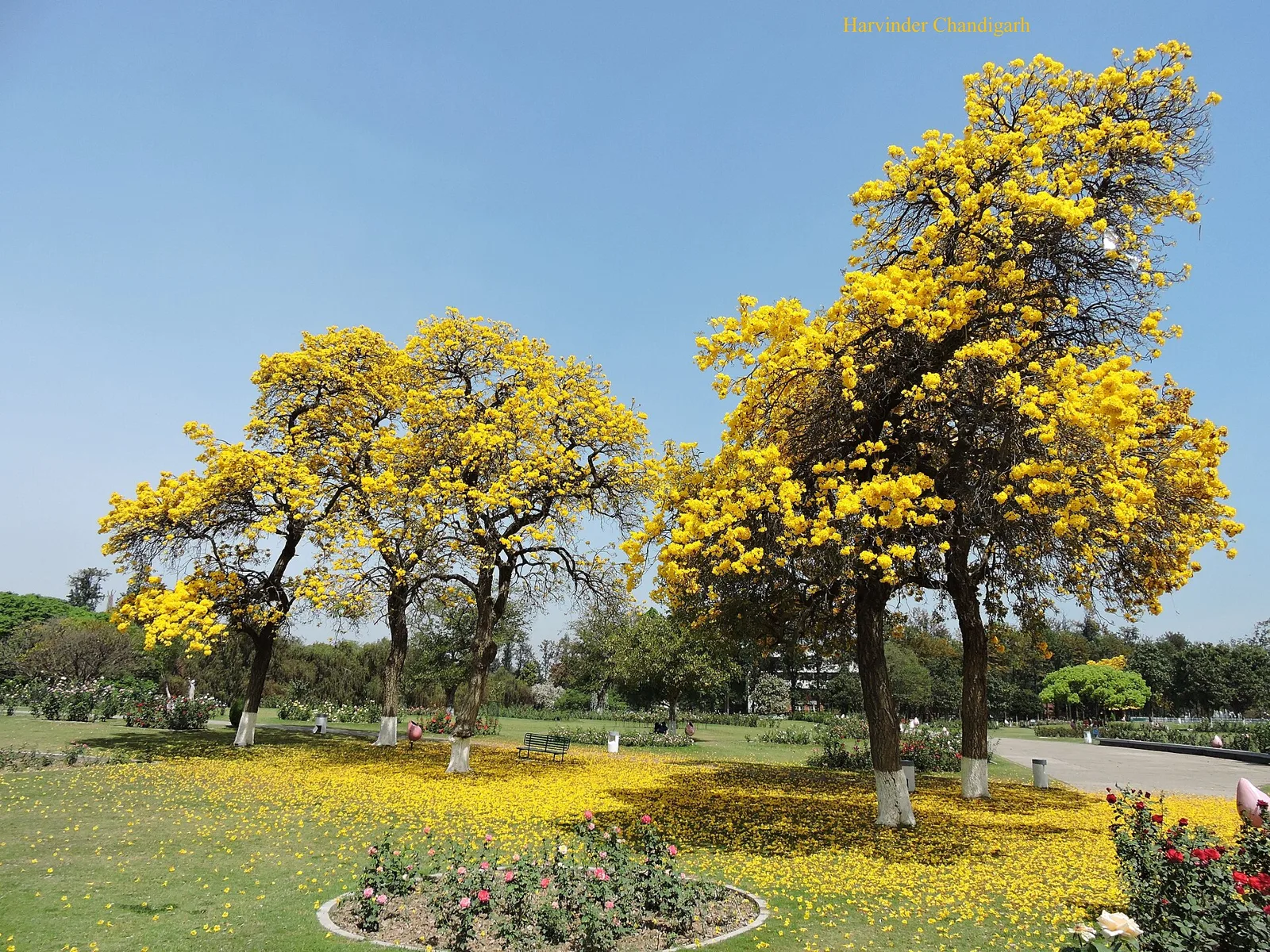
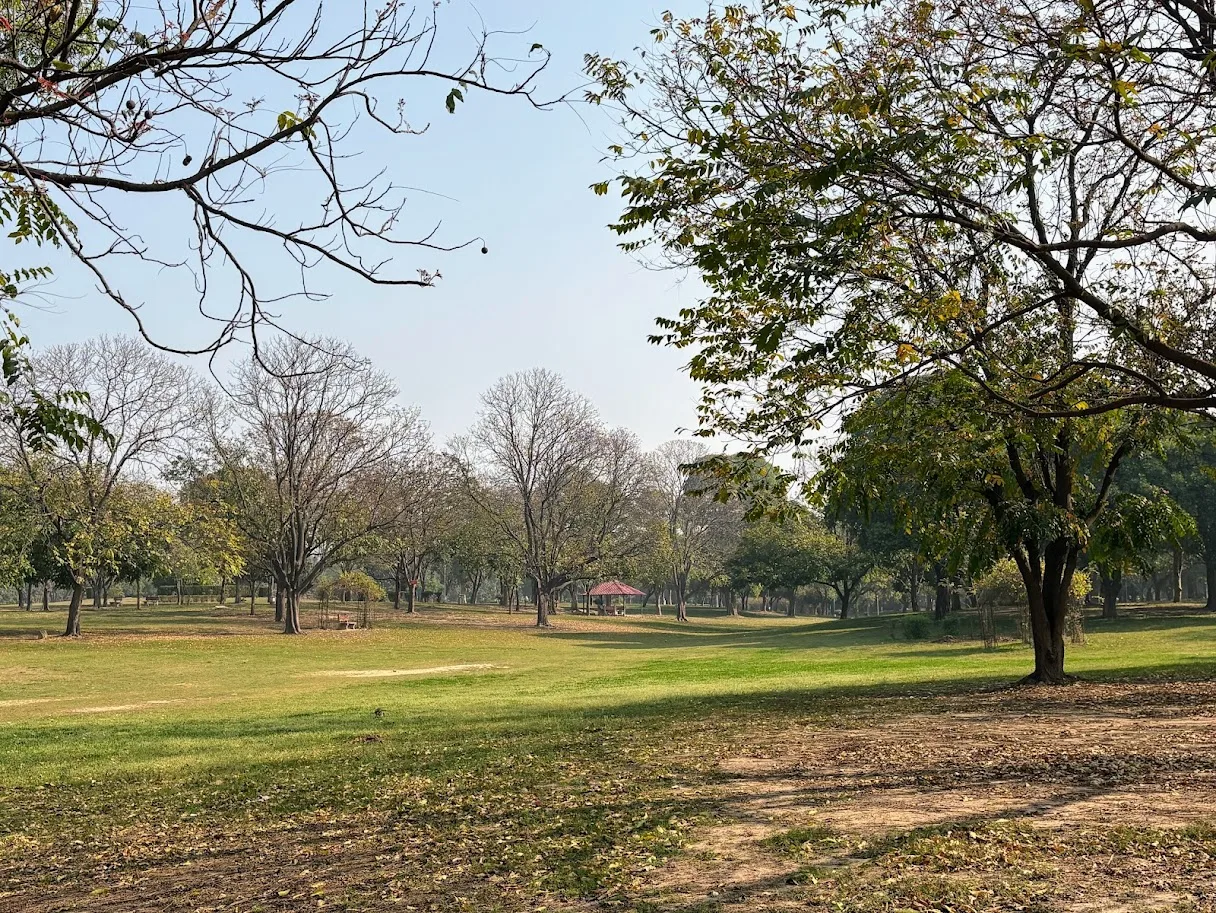
The Rose Festival is not a pilgrimage, so this section covers the garden itself, which is the festival's real subject. The Zakir Hussain Rose Garden covers around thirty acres in Sector 16 and has roses of many kinds: hybrid teas, floribundas, climbers, miniatures and old-fashioned varieties, in shades from deep red to white, yellow, orange and pink. Pathways wind between rose beds, pergolas, fountains and lawns, and there are beds of medicinal plants and trees such as neem and tamarind. Visitors are advised to walk slowly and read the plant labels, to look at the arches covered with climbing roses, and to find the quiet corners for rest. Early morning and late afternoon give the best light for photography. The roses reach their peak around the festival, though the exact timing depends on the winter weather, and the display can vary from year to year.

Food and flavours

Food at the Rose Festival is easy and snack-based, in keeping with a garden outing. Stalls serve Punjabi favourites such as chole bhature, aloo parathas with white butter and curd, samosas, pakoras and jalebi, along with golgappe, aloo tikki and other chaat. In the cool weather, makki di roti with sarson da saag may also appear. Chandigarh is known for its cafes and street food, and festival stalls often include popular city eateries. Sweet items include gulab jamun, gajar halwa and rewri, and visitors can try rose-flavoured treats such as gulkand (rose petal preserve), rose lassi, rose syrup drinks, ice cream and rose-flavoured sweets. Hot tea and coffee are available throughout the day, and food courts serve momos, noodles and sandwiches for younger visitors. Prices are moderate, and the stalls are generally clean, though it is wise to choose busy ones. Many families bring their own snacks and have a picnic on the lawns.

Music, dance, art and dress

The soundscape of the festival is a mixture of the city's tastes. On stage, you may hear the dhol and dholak of Punjabi folk music, classical singers with harmonium and tabla, and bands performing popular songs. Dance includes bhangra and giddha, Haryanvi ghoomar, classical dance such as Kathak, and group performances by school and college teams. Between performances, the sound of fountains and birdsong from the garden adds to the atmosphere.

The visual art is the garden itself, with rows of roses, flower sculptures and floral displays, and exhibitions of paintings and photographs by local artists. Rose flowers are arranged in patterns and baskets, and some displays use petals to make rangoli. Dress is casual and colourful, with many visitors wearing bright or floral clothes for photographs. Women often wear traditional salwar kameez or sarees, and men and children wear casual or festive clothes. Participants in competitions wear formal outfits, and cultural performers appear in costume.

Where to experience it

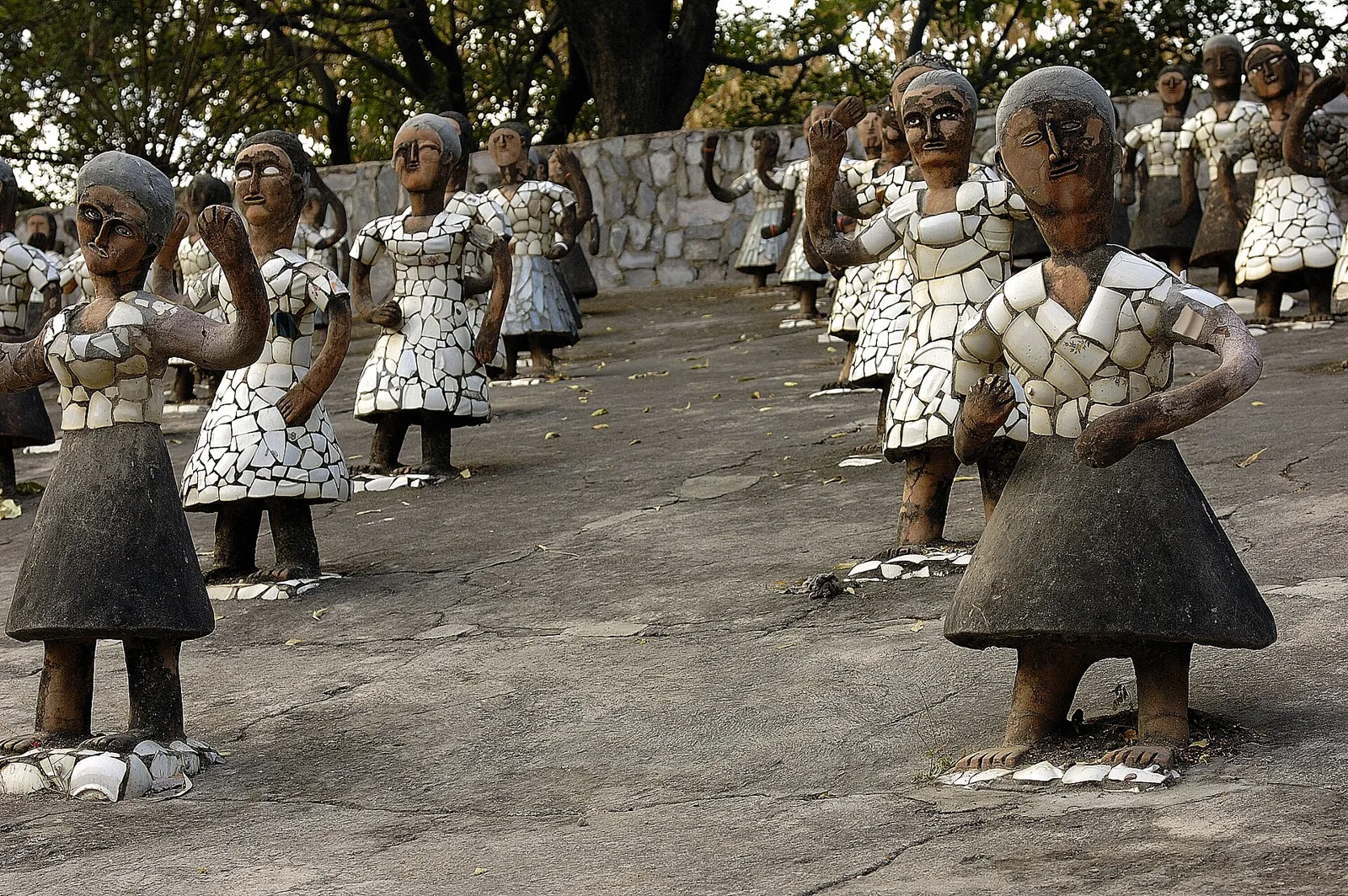
The festival is held in the Zakir Hussain Rose Garden in Sector 16, close to the city centre and within walking distance of Sector 17, the main commercial plaza. Other attractions in the vicinity include the Rock Garden, a famous sculpture garden made from industrial and household waste by Nek Chand, the Capitol Complex, with its Open Hand monument, the Sukhna Lake, a man-made lake at the foot of the Shivalik hills, and the Leisure Valley, a long green belt that runs through the city. The Chandigarh Architecture Museum and the Le Corbusier Centre offer more on the planning of the city. Panchkula's Pinjore Gardens, a Mughal garden, are about 20 km away. A day can be spent combining the festival with a walk through some of these places, and the city's wide, tree-lined roads make cycling or walking pleasant.

Visitor guide

  • Getting there. Chandigarh is served by Shaheed Bhagat Singh International Airport (in Mohali), about 11 km from the city centre, and by Chandigarh Junction railway station. It is about 250 km from Delhi by road, and well connected by highway to Shimla, Amritsar and Ludhiana. Auto-rickshaws, taxis and app-based cabs are widely available.
  • Where to stay. Chandigarh has many hotels, from budget guest houses to luxury hotels, mostly around Sectors 17, 22, 35 and 43. Book early for festival weekends.
  • What to wear and pack. February and March are pleasant, though mornings and evenings can be cool. Wear comfortable shoes for walking, bring a light jacket, a hat and sunglasses, and carry a camera.
  • Etiquette. Do not pick flowers or step on the beds, keep the garden clean, and follow instructions from staff. Respect performers by staying quiet during shows. Drones and tripods may need permission.
  • Safety and comfort. Weekends are crowded, so go early in the morning. Keep valuables safe, watch children near fountains and ponds, and check parking arrangements in advance.

Today and tomorrow

The Rose Festival remains a favourite event for Chandigarh residents, and it is a point of pride for a city that sees itself as a planned garden. The festival now sits alongside other events that the administration promotes, and its content, such as the competitions and cultural programmes, has expanded. Challenges include crowd management, the effects of climate on the timing of the blooms, and the need to keep the garden healthy while hosting large numbers of visitors. The future of the festival depends on the care of the garden, and on encouraging residents, schools and young people to take part in growing and appreciating flowers.

Nearby

Places to see around the festival